
Doctors say these changes are common as the body begins the natural process of shutting down.

When someone is nearing the end of life, families often sense that something is changing, even before a doctor confirms it. The final 24 hours can bring physical and behavioral shifts that feel unfamiliar or unsettling, especially for those seeing them for the first time.
While every person’s experience is different, medical professionals and hospice caregivers report a number of common signs that may appear as the body slows down.
Understanding these changes can help families feel less alarmed and more prepared during an emotional and deeply personal time.
1. A Noticeable Drop in Energy

One of the earliest signs families often notice is a sudden drop in energy. A person who was awake or responsive earlier may become very still and sleep for long stretches. Even simple movements can seem exhausting.
Doctors explain this happens because the body is conserving energy as major systems slow down. It is usually not a sign of discomfort, but rather the body prioritizing rest as it enters its final phase.
2. Longer Periods of Sleeping

Sleep may become nearly constant during the final day. A loved one may drift in and out of consciousness and respond only briefly, if at all.
This deep sleep is considered normal and is not usually distressing for the person experiencing it. Care teams often reassure families that hearing is thought to be one of the last senses to fade, so speaking gently can still be meaningful.
3. Changes in Breathing Patterns
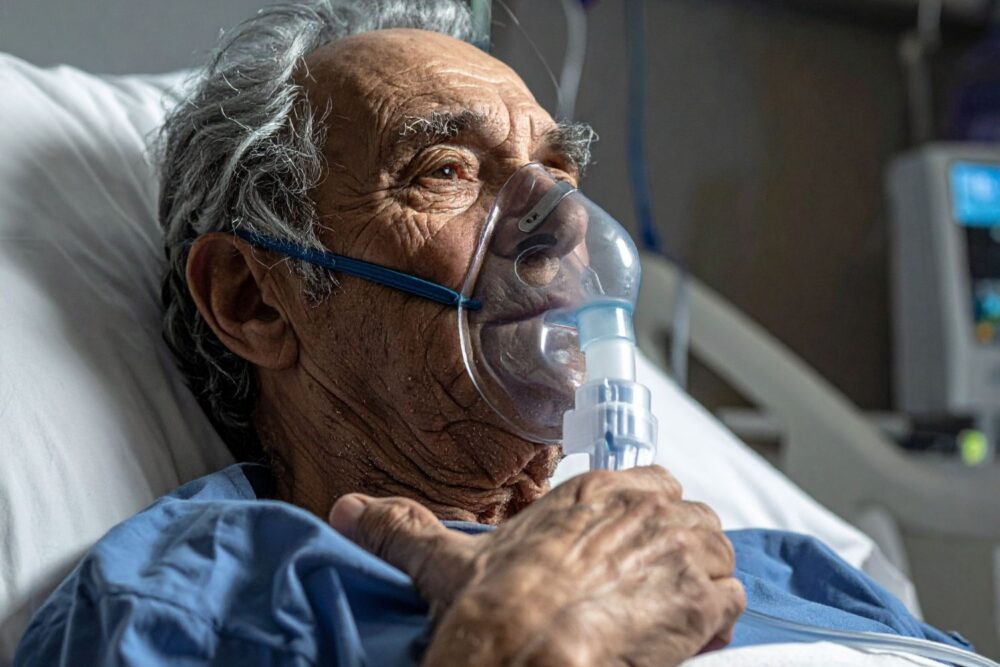
Breathing often changes noticeably in the final 24 hours. It may become irregular, with pauses between breaths, shallow breathing, or sudden deep inhalations.
These shifts can be alarming to witness, but doctors say they are part of the body’s natural process. While the pattern may look uncomfortable, it does not necessarily mean the person is struggling or in pain.
4. Reduced Interest in Food and Water

Many people stop wanting food or fluids near the end of life. Swallowing may become difficult, and even favorite foods may be refused.
This is not starvation in the usual sense. As the body shuts down, it no longer needs the same fuel. Medical professionals generally advise against forcing food or drink, as it can cause discomfort rather than help.
5. Cooler Hands, Feet, or Skin

Families may notice that a loved one’s hands, feet, or lower legs feel cool to the touch. Skin may also appear pale or slightly bluish in spots.
This happens because circulation is slowing and blood flow is being directed toward vital organs. While it can be unsettling, it is a common physical change during the final hours.
6. Less Responsiveness to Voices or Touch

A person may stop responding to conversation, eye contact, or gentle touch. This does not mean they are unaware or cannot hear.
Caregivers often encourage families to continue speaking softly, holding hands, or offering reassurance. Even without visible responses, these moments can still provide comfort.
7. Confusion or Restlessness
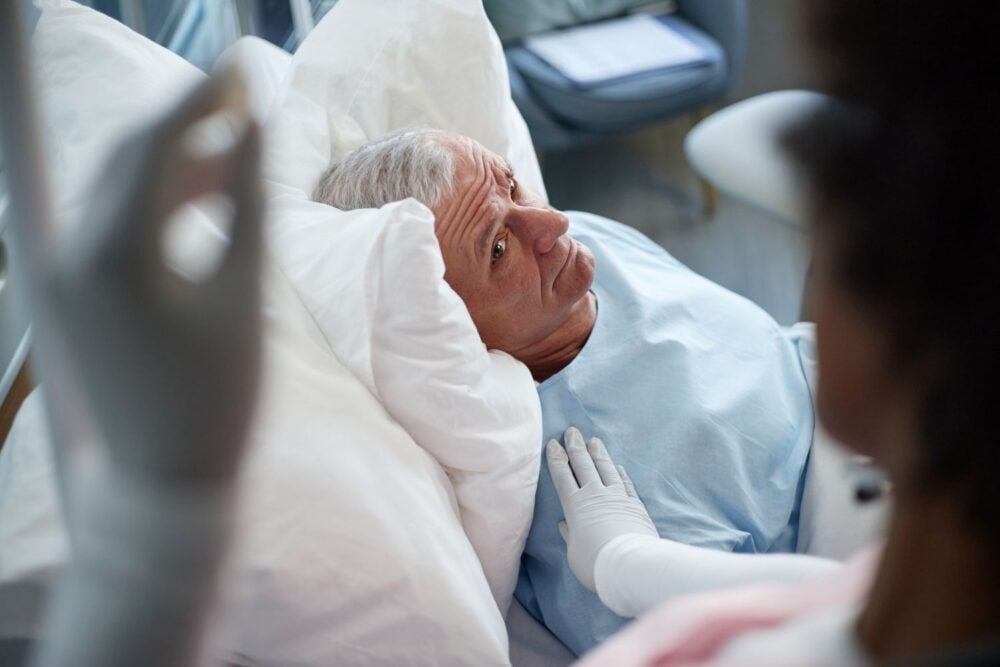
Some people experience brief periods of confusion, agitation, or restlessness. They may fidget, speak unclearly, or seem unsettled.
Doctors believe this can be caused by changes in oxygen levels, metabolism, or the brain’s reduced ability to process information. Medications and calm reassurance are often used to ease this phase.
8. Changes in Facial Expression

Facial muscles may relax, causing the mouth to remain slightly open or expressions to appear different. Eyelids may not fully close.
These changes are physical, not emotional, and are part of muscle relaxation as the body slows. Families are often surprised by this, but care teams consider it a normal sign near the end.
9. Less Urine Output

A noticeable decrease in urination is common during the final day. Urine may also become darker in color.
This occurs because the kidneys are no longer functioning at full capacity. Medical staff monitor this change but typically do not intervene, as it reflects the body’s natural shutdown.
10. A Quiet or Peaceful Atmosphere

Many families describe a noticeable quietness in the room. Movements slow, sounds soften, and the environment may feel still.
While emotions can be intense, this calmness is often described as peaceful rather than distressing. Hospice workers frequently observe this shift as a sign the body is nearing the end.
11. Brief Moments of Awareness

Some people experience short periods of clarity or alertness shortly before death. They may open their eyes, speak a few words, or squeeze a hand.
These moments can feel surprising and meaningful. Doctors say they are not unusual, though they are not predictable or long-lasting.
12. The Importance of Presence Over Action

In the final hours, medical professionals often remind families that being present matters more than doing anything specific. Holding a hand, speaking softly, or simply sitting nearby can be enough.
There is no “right” way to behave during this time. What matters most is offering comfort, love, and reassurance as the body completes its natural process.