
Neuroscientists say this common sensation reveals how memory and perception really work.

Almost everyone has experienced a moment where reality seems to echo. You walk into a room, hear a phrase, or notice a scene and feel certain you’ve lived it before, even though you know you haven’t.
That unsettling sensation is called déjà vu, and it’s one of the most common cognitive experiences people report. Today, neuroscientists view it not as something mystical, but as a revealing clue about how the brain processes memory in real time. Ongoing research suggests déjà vu reflects normal brain function rather than imagination or error.
Click through to know why déjà vu happens, how it fits into everyday cognition, and why it feels so convincing
1. Déjà vu begins with a sudden and misplaced sense of familiarity

Déjà vu starts when a moment feels strikingly familiar even though you clearly understand it is new. It often appears during everyday situations—walking into a room, hearing a phrase, or noticing a familiar layout—and then fades almost as quickly as it arrives. The ordinariness of the moment is part of what makes the sensation stand out.
What makes the experience unsettling is the clash between feeling and logic. The brain sends a strong signal of recognition while conscious reasoning cannot verify it, creating a brief but intense mental contradiction. That conflict is what gives déjà vu its distinctive, almost eerie quality.
Follow us and access great exclusive content every day
2. It is a feeling of knowing rather than a true memory

True memories usually arrive with details such as people, places, emotions, or a clear sense of when something happened. Déjà vu lacks those anchors and instead delivers a vague but powerful sense of recognition without any identifiable source. You feel certain, but you cannot explain why.
This missing context is why the experience feels unfinished. The brain produces confidence without supporting evidence, leaving you aware that something feels known but remains unexplained. The mind recognizes the feeling without being able to attach it to a real memory.
3. Scientists link déjà vu to interacting memory systems
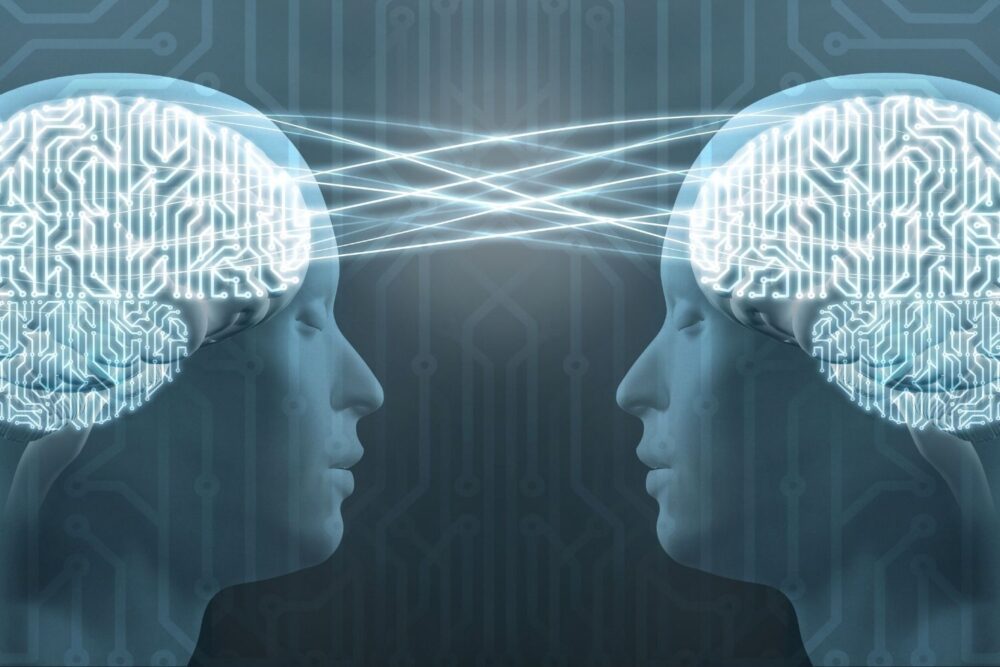
The brain relies on separate systems to judge familiarity and to retrieve stored memories. Researchers believe déjà vu occurs when these systems briefly fall out of sync while you are processing a new experience. Under normal conditions, they work together seamlessly.
In a déjà vu moment, familiarity may activate on its own while recall fails to follow. In that gap, the brain experiences certainty without confirmation, producing the strange sensation people notice. The mismatch is short-lived, but it is enough to capture attention.
4. New experiences can subtly resemble stored ones

A situation does not need to perfectly match something you have experienced before to feel familiar. Similar layouts, lighting, sounds, or spatial patterns can quietly echo past experiences stored in memory. These overlaps often happen beneath conscious awareness.
Your brain may register those similarities automatically, even if you cannot consciously identify them. That subtle overlap can be enough to trigger misplaced recognition, creating the impression that the moment has happened before even when it has not.
Follow us and access great exclusive content every day
5. Researchers think déjà vu may function as a mental error check
Some scientists propose that déjà vu is part of the brain’s internal quality-control system. When a sense of familiarity appears without support from memory, the brain flags the mismatch and pauses to reassess what is happening.
That warning shows up as the uneasy, confusing feeling people notice during the experience. It reflects the mind detecting that something does not align with normal processing and briefly drawing attention to the discrepancy.
Rather than signaling failure, this response may help protect memory accuracy by forcing the brain to double-check what it thinks it recognizes. In that sense, déjà vu may be a sign of the system doing its job.
6. Déjà vu is most common in young and healthy brains

Surveys show that most people experience déjà vu at least once, often during adolescence or early adulthood. The sensation tends to become less frequent with age and may disappear entirely for some people over time.
This pattern suggests déjà vu is linked to active learning and memory formation. Brains that are constantly processing new information and experiences may encounter more near matches, increasing the chances of brief recognition errors.
7. The timing makes the experience feel convincing

Déjà vu feels unusually powerful because the sense of familiarity arrives before conscious reasoning has time to engage. The brain reacts automatically, producing an emotional signal first and only afterward checking whether that signal makes sense. This split-second timing gives the feeling a strong sense of authenticity.
By the time logic catches up, the sensation has already registered as real. Even when you immediately recognize that something is off, the initial confidence lingers for a moment. That delay helps explain why déjà vu can feel so persuasive and difficult to dismiss, even though it fades quickly.
Follow us and access great exclusive content every day
8. Stress and fatigue can increase its likelihood

Researchers have found that déjà vu is more common during periods of stress, mental overload, or lack of sleep. These conditions can interfere with attention and reduce how efficiently the brain coordinates memory signals. When mental resources are stretched, small processing errors become more likely.
In those strained states, familiarity may surface without the usual verification steps that confirm whether it belongs. The brain still reacts strongly to the signal, but its ability to cross-check is weakened. That imbalance can make déjà vu episodes more frequent during exhausting or emotionally demanding times.
9. Déjà vu is usually brief and harmless

For most people, déjà vu lasts only a few seconds and resolves without any effort or consequence. It does not indicate danger, loss of control, or a decline in intelligence or mental health. The experience is strange, but it is also temporary.
Once the brain recognizes the mismatch between familiarity and reality, it corrects itself. The moment passes, often leaving behind curiosity or mild intrigue rather than fear. In everyday cases, déjà vu is simply a short-lived glitch that the mind quickly fixes.
10. Persistent episodes can point to other issues

In rare cases, frequent or intense déjà vu has been associated with certain neurological conditions. These situations differ clearly from ordinary experiences and often involve repeated episodes or additional symptoms.
The key distinction is disruption. Everyday déjà vu is occasional and fleeting, while medical cases involve persistence or interference with daily life. When déjà vu becomes overwhelming or constant, it may signal a need for professional evaluation rather than a normal cognitive hiccup.
11. Déjà vu reveals how the brain protects reality
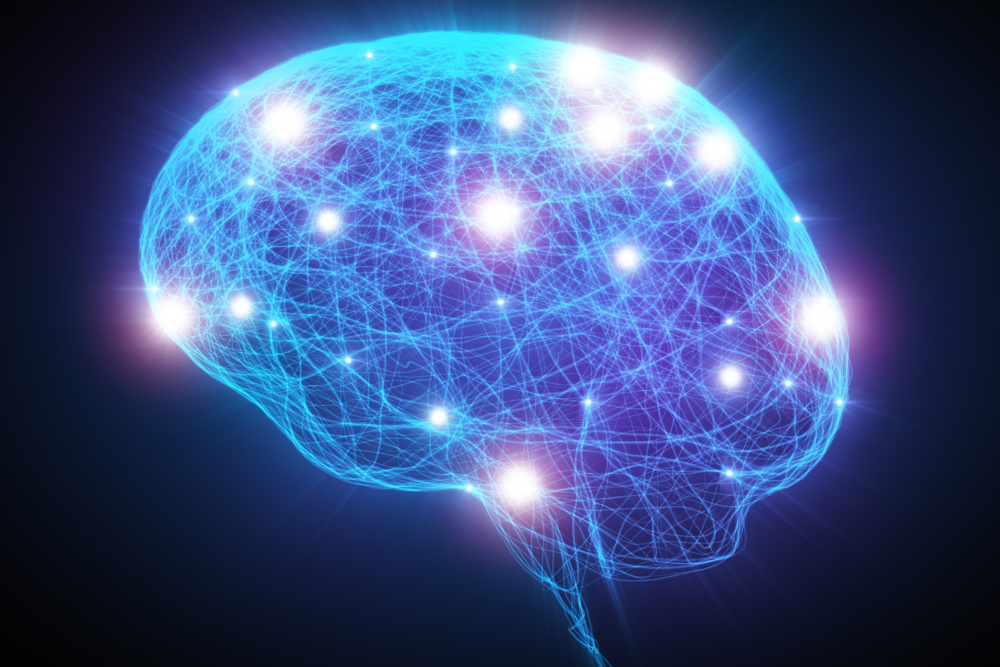
Scientists view déjà vu as evidence that the brain actively monitors whether feelings of familiarity align with real experience. Rather than passively accepting every signal, the mind checks and rechecks its own perceptions.
That brief confusion shows the system working, not failing. Déjà vu highlights how perception and memory are constantly tested and refined to keep experience grounded in the present. It offers a rare glimpse into the brain’s behind-the-scenes effort to protect a stable sense of reality.