
What lies beneath Jericho’s ruins may complicate a famous story.

Jericho is one of the world’s oldest cities, and its “walls falling” story is one of the Bible’s most famous scenes. But archaeologists don’t argue about faith so much as dates, layers, and what the ruins can actually show.
The key site is Tell es-Sultan near modern Jericho. Kathleen Kenyon’s 1950s excavations found a burned destruction layer, but dated it to about 1550 BCE—earlier than the biblical timeline many readers expect.
Radiocarbon tests on charred grains from that destruction also point to an earlier window, though a minority view argues the pottery fits later. Here’s what’s solid, and what’s still debated.
1. The First Archaeology Question Is “Which Jericho?”
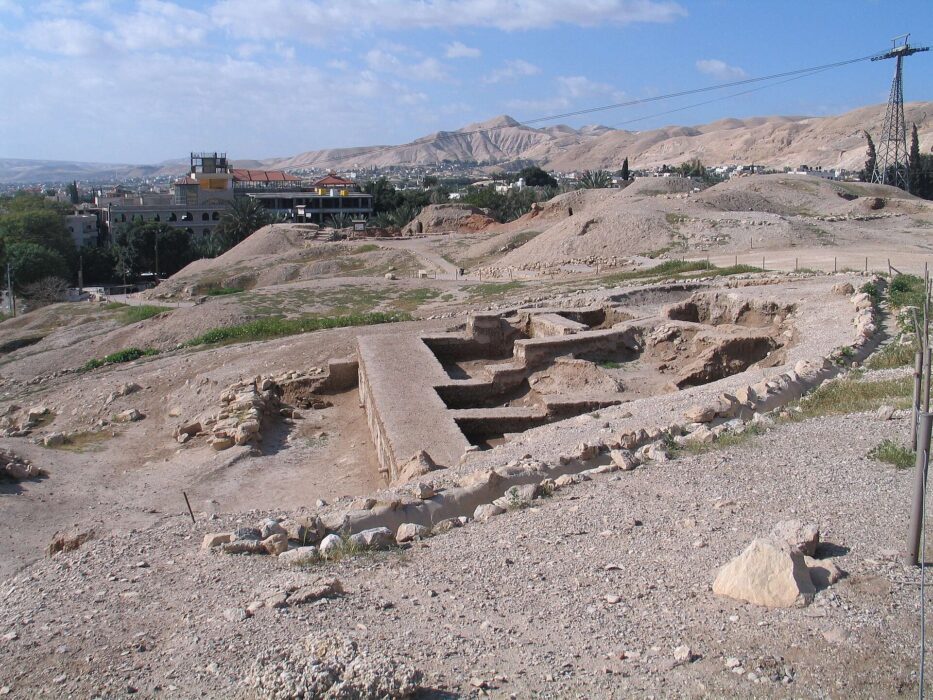
Archaeologists start with one basic question: which layer matches the event people are asking about. Jericho has been built, destroyed, and rebuilt many times, so a dramatic story could fit more than one horizon.
That’s why “evidence for Jericho” really means evidence for a specific city phase—often called City IV—plus a reliable date for when that phase ended. Without the date, the ruins can be real and still belong to a different chapter than the one readers have in mind.
2. Tell es-Sultan Is Real, and It Really Had Walls

Tell es-Sultan is the mound that preserves ancient Jericho, and it’s been excavated for more than a century. Early teams exposed impressive fortifications and a collapse of mudbrick debris along the base of a stone revetment.
Those finds show the city once had substantial walls, and that they fell at some point. The hard part is tying that collapse to an exact century—and to a particular historical account. Jericho’s layers are like stacked postcards, and you have to know which postcard you’re holding.
3. Garstang’s Date Made the Biblical Match Look Easy

John Garstang’s 1930s excavation argued the big destruction fit a Late Bronze Age date, roughly the 1400s BCE, which many readers associate with Joshua. His interpretation leaned heavily on pottery, scarab finds, and how he reconstructed the site’s sequence.
Later scholars questioned whether some of that dating was too optimistic. In archaeology, a few misread sherds can shift the story by centuries, especially at a site with mixed deposits. That’s why Garstang’s conclusions became a flashpoint rather than a final answer.
4. Kenyon Re-dated the Famous “Fall” to Around 1550 BCE
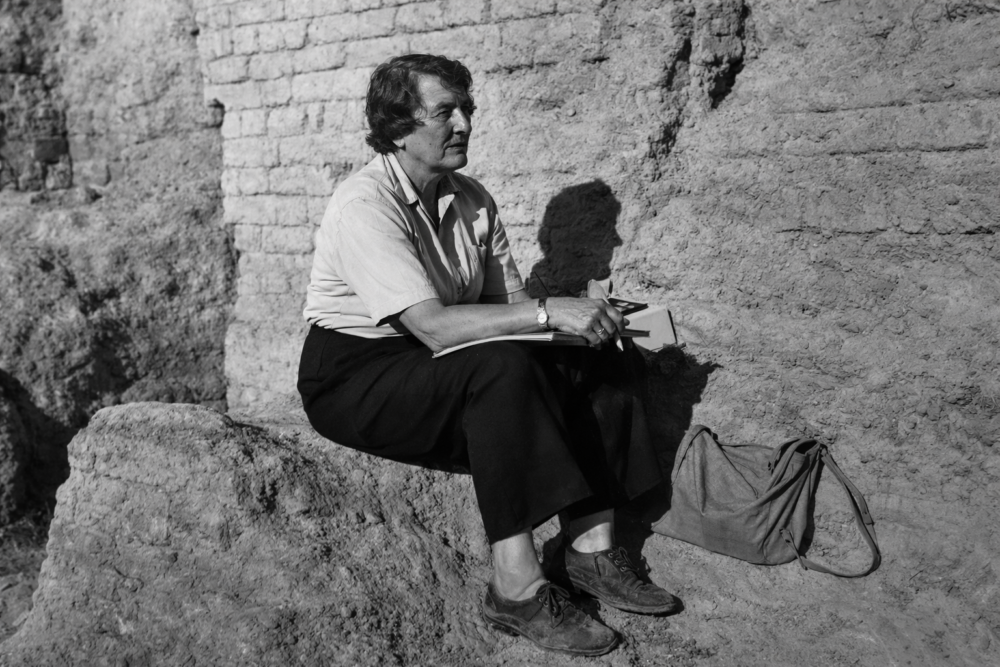
In the 1950s, Kathleen Kenyon re-excavated Jericho using careful stratigraphy, tracking layers in narrow trenches to build a tighter sequence. She agreed there was a violent end to City IV, including a large burn layer and collapsed architecture.
Kenyon concluded the fortified city fell around the end of the Middle Bronze Age, about 1550 BCE. She also argued that later, in much of the Late Bronze Age, Jericho looked small and not heavily walled. That detail matters because it changes what kind of “fall” the archaeology can support.
5. Radiocarbon Put Independent Numbers on the Destruction

Radiocarbon dating added a new check on the timeline. In the 1990s, researchers dated short-lived samples, like charred cereal grains, from the burned destruction level tied to Kenyon’s City IV.
Those results placed the final Middle Bronze Age destruction in the late 17th or 16th century BCE, broadly consistent with Kenyon’s ~1550 BCE conclusion. That doesn’t “disprove the Bible,” but it does mean the most famous ruined walls at Jericho likely fell earlier than a 1400s BCE conquest date.
6. The Walls Really Collapsed—but the “How” Is Tricky

So what about the “walls fell down flat” detail? Archaeology can show collapsed walls and fire, but it can’t replay the cause like a video; it can’t attach a label that says “Joshua was here.”
At Jericho, mudbrick debris was found piled at the base of the stone retaining wall, matching a real collapse event. A destruction by fire is also clear in the burned layer, and storage jars and carbonized remains suggest the city ended suddenly.
Whether the collapse came from an earthquake, an assault, or both is harder to prove. What researchers can say with confidence is when the destruction likely happened—and that’s where the main debate sits.
7. The Later-Date Argument Still Pops Up
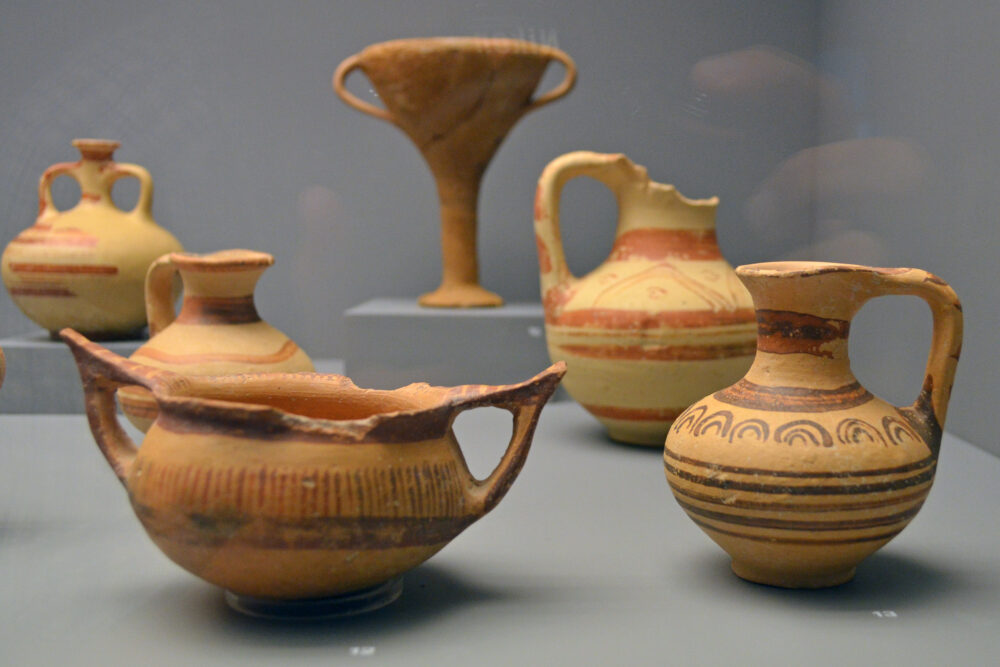
A minority of scholars have argued for a later date, often by re-reading pottery and imported wares and claiming the city could still have been occupied into the Late Bronze Age. You’ll sometimes see this linked to a 1400s BCE destruction that matches traditional biblical chronology.
Most specialists, however, note that diagnostic Late Bronze imports are sparse at the key horizon, and Kenyon’s stratigraphy remains influential. That’s why many summaries stick with an earlier Middle Bronze destruction supported by stratigraphy and radiocarbon, while acknowledging the dispute.
8. After the Big Destruction, Jericho Looks Smaller for a Long Time
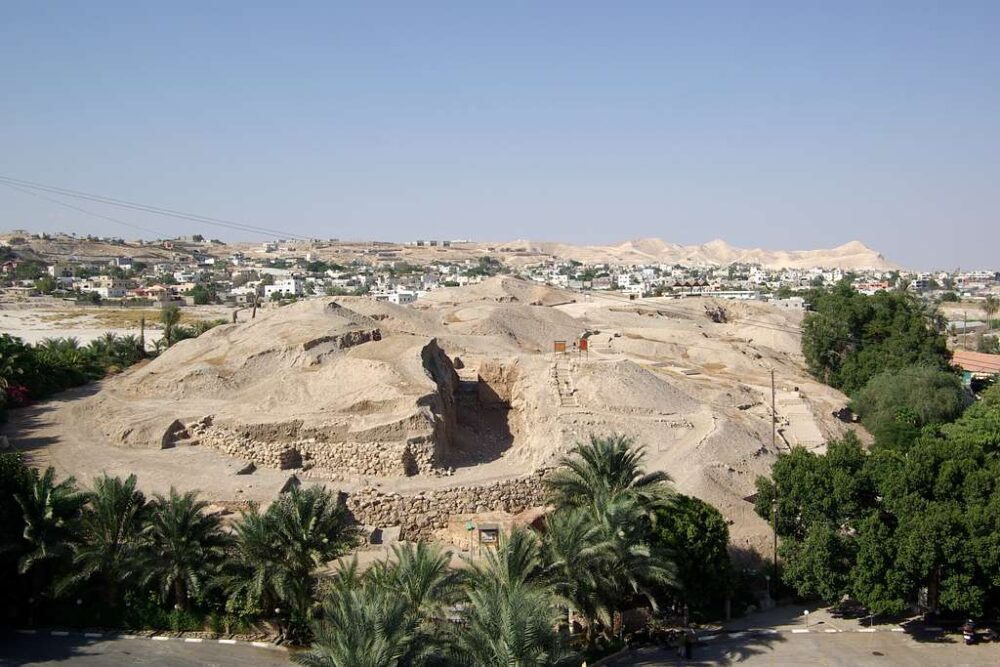
Another wrinkle is that “Jericho” in texts could refer to a broader area, not just a single walled city on the mound. Even if City IV was gone, small settlements can exist nearby without massive fortifications.
Kenyon’s results suggest that after the big Middle Bronze destruction, the site was reduced for long stretches, with limited later building. So when people picture trumpets toppling towering walls, archaeology says the timeline and the urban scale don’t line up neatly. It’s a mismatch of expectations more than a lack of ruins.
9. “No Evidence” Isn’t the Same as “Nothing Happened”

It’s also worth remembering how archaeology works: absence of evidence isn’t automatically evidence of absence. But patterns matter. If a city is thriving in a given era, you usually expect certain pottery styles, trade goods, and clear building phases.
At Jericho, the stronger pattern is a well-fortified Middle Bronze city that burned and collapsed, followed by much weaker later occupation. That’s why the argument hinges on dating, not on whether walls ever existed. The walls are real—the timing is the controversy.
10. What Archaeology Can Say With Confidence

What’s verifiable is that Jericho’s Middle Bronze fortifications did collapse and the city was destroyed by fire, and that this destruction is best dated to around the 16th century BCE. That conclusion comes from stratigraphy plus radiocarbon tests on short-lived samples like charred grains.
What remains uncertain is how to correlate that event with specific historical narratives and chronologies. Archaeology can narrow windows and rule out some options, but it rarely hands you a single named moment. So the debate continues, mostly in the footnotes: pottery, dates, and definitions.
11. The Mystery Isn’t the Ruins—it’s the Match
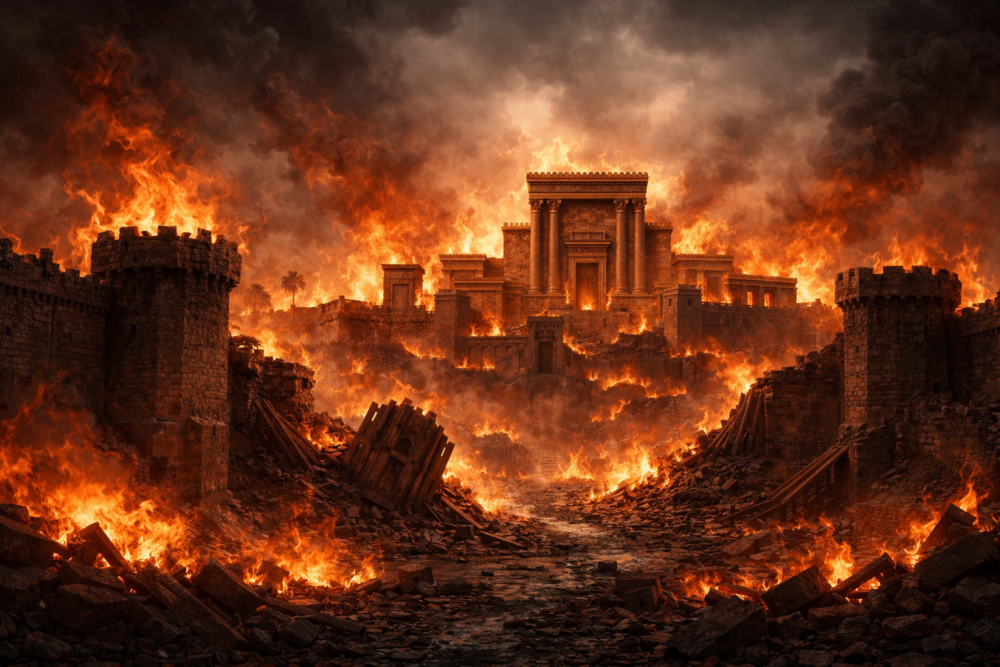
If you’re interested in the question, the most honest takeaway is this: Jericho has real fallen walls, but the best-supported date for that dramatic destruction doesn’t cleanly match the most common biblical chronology.
That leaves room for different interpretations—about timelines, about which Jericho phase a story remembers, or about how tradition and history interact. Some readers will find that unsettling, others fascinating. Either way, the evidence is compelling precisely because it’s partial, and it forces careful reading on all sides.