
New genetic discoveries are painting a very different picture of the first people who lived in Europe.
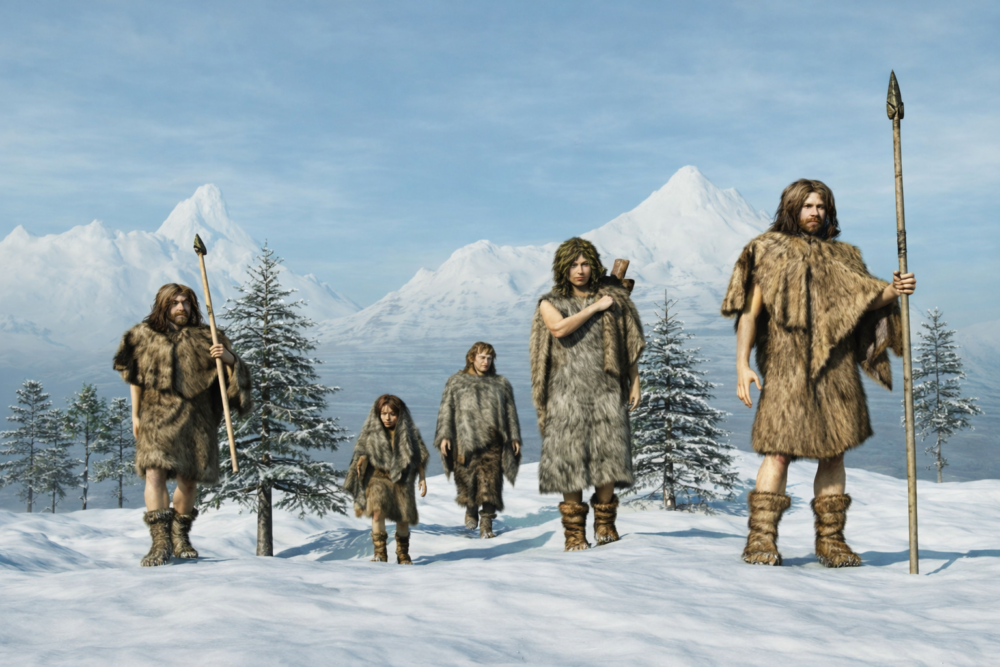
Ancient DNA has completely changed what we thought we knew about Europe’s earliest settlers. Instead of one group slowly spreading across the continent, scientists have learned there were several waves of people arriving at different times, each adding their own piece to Europe’s story. Research from major genome projects shows that early hunter-gatherers, migrating farmers, and later steppe herders all shaped today’s populations. These findings are nothing like what researchers believed just a few decades ago. And as more ancient DNA is decoded, the story of Europe’s first people keeps getting more surprising.
1. The First Humans Reached Europe Over 45,000 Years Ago
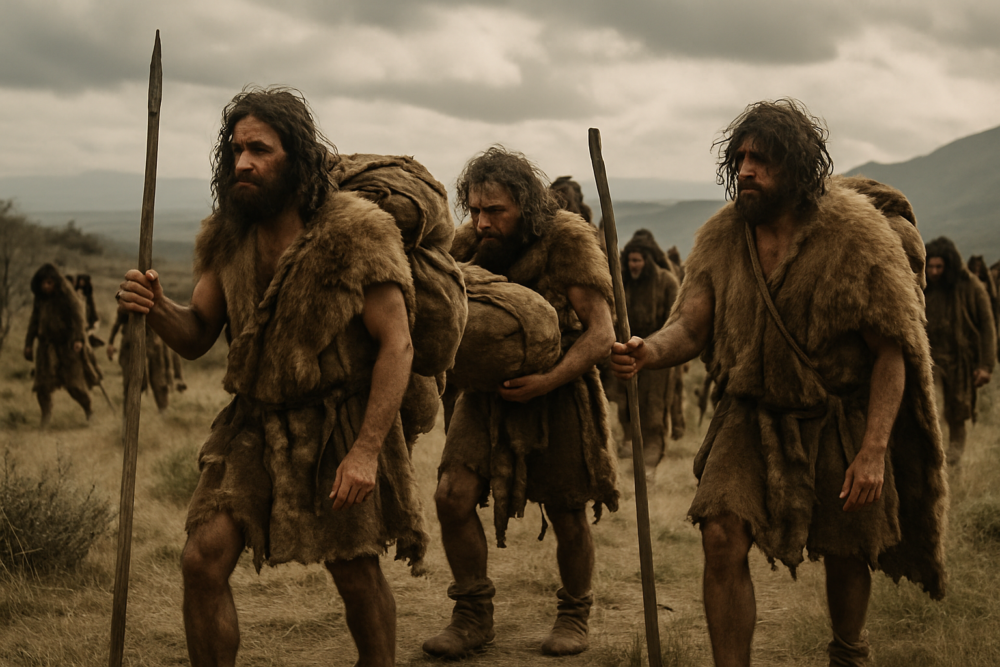
Modern humans arrived in Europe more than 45,000 years ago, an age confirmed by both archaeological remains and ancient DNA extracted from early fossils. These early settlers lived alongside Neanderthals for thousands of years and even interbred with them, contributing small genetic traces still visible today. However, these first human groups eventually vanished from the genetic record.
Their disappearance surprised researchers, who long believed modern Europeans descended directly from these earliest arrivals. Ancient DNA revealed a different story: later migrations replaced these initial lineages, meaning Europe’s earliest humans left cultural traces but no surviving genetic legacy.
2. Europeans Still Carry Small Amounts of Neanderthal DNA

Even though the earliest European human lineages disappeared, interbreeding with Neanderthals left behind genetic fragments carried by Europeans today. About one to two percent of the average European genome comes from Neanderthal ancestors, a finding confirmed through large-scale genomic studies. These inherited segments offer clues about ancient adaptation to colder climates and immune challenges.
Researchers also discovered that not all Neanderthal DNA persisted. Some fragments were gradually removed by natural selection because they were disadvantageous. Understanding which segments survived helps scientists piece together how early humans and Neanderthals interacted and influenced each other’s evolution.
3. Ice Age Hunter-Gatherers Became Europe’s Earliest Long-Term Residents
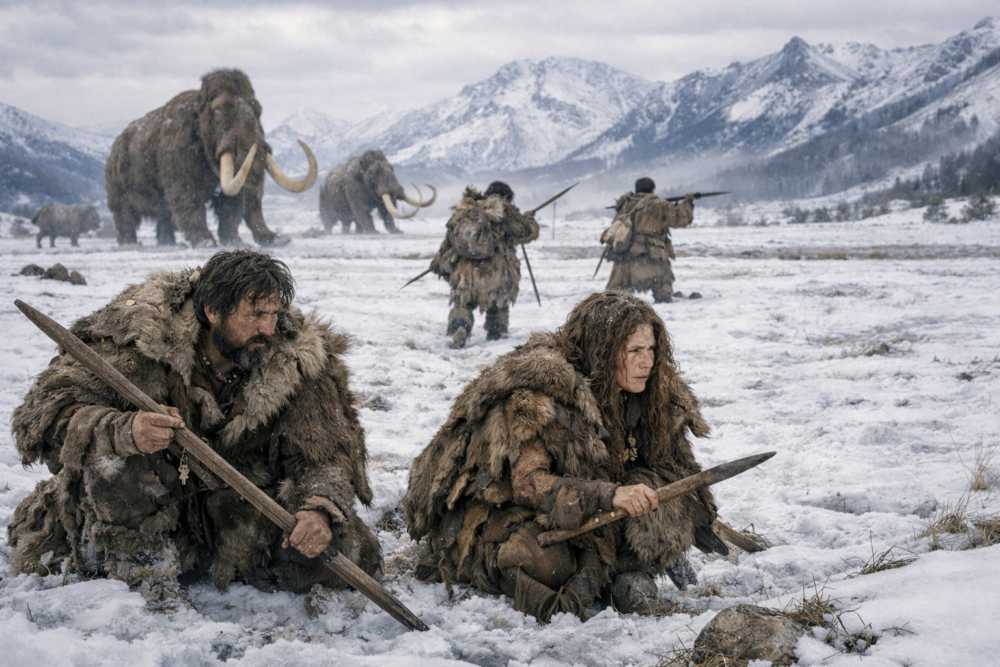
After the first modern human groups disappeared, Europe became home to hunter-gatherers who survived dramatic Ice Age shifts. Ancient DNA shows these groups were far more diverse than previously believed, with distinct populations spread across the continent. They adapted to harsh climates and moved as glaciers advanced and retreated.
These hunter-gatherers lived in Europe for thousands of years, forming the continent’s deepest ancestral foundation. However, later migrations diluted much of their DNA. Even so, traces of their ancestry still appear in modern Europeans, revealing that their legacy endured despite later population turnovers.
4. Western and Eastern Hunter-Gatherers Were Genetically Distinct

Before ancient DNA, scientists assumed early hunter-gatherers across Europe belonged to a relatively uniform population. Genetic evidence proved otherwise. Western Hunter-Gatherers and Eastern Hunter-Gatherers were two clearly distinct groups with different ancestries, appearances, and cultural histories. Their populations rarely mixed for long stretches of time.
When climate shifts eventually pushed groups together, their genetic mixing created new lineages that spread across Europe. This discovery helped explain regional differences that archaeology alone could not clarify. It also showed that Europe’s early population history was far more fragmented than once thought.
5. Early Farmers Arrived From Anatolia and Transformed Europe
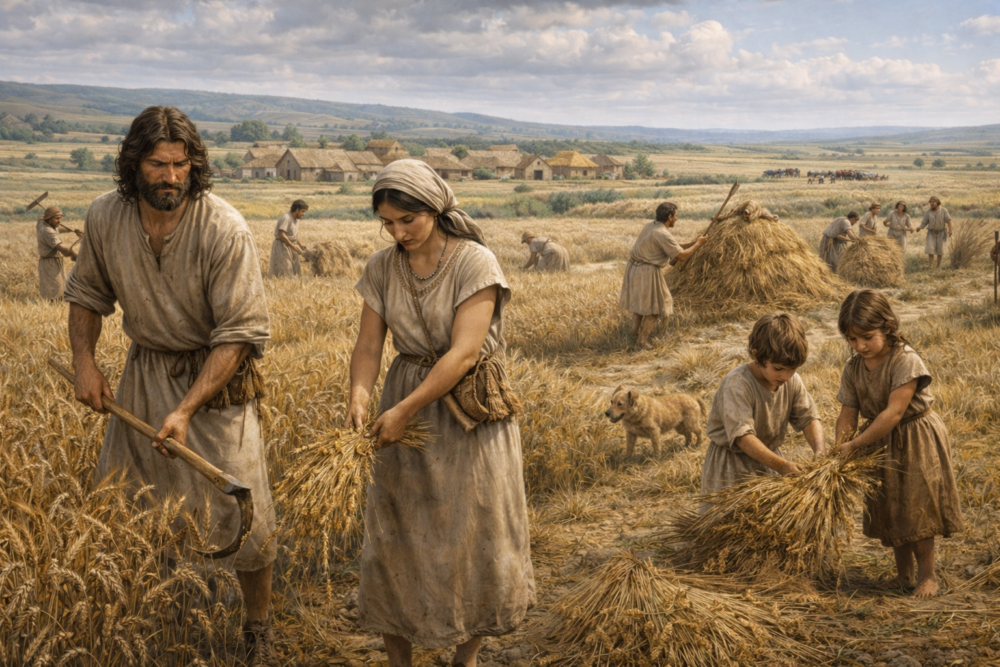
About 8,000 years ago, a major migration of early farmers from Anatolia (modern-day Turkey) entered Europe. Ancient DNA showed these farmers were genetically different from local hunter-gatherers and introduced agriculture, new technologies, and settled village life. Their arrival marked one of the most significant cultural shifts in European prehistory.
As they moved across the continent, these farmers replaced much of the local hunter-gatherer ancestry, though interactions varied by region. In some areas, the groups mixed extensively, while in others they remained separate for centuries. Farming societies quickly reshaped Europe’s cultural and genetic landscape.
6. Farmer and Hunter-Gatherer Mixing Happened in Unexpected Patterns

The blending of early farmers and existing hunter-gatherers did not follow a single pattern. Ancient DNA revealed that some regions saw rapid intermarriage and cultural exchange, while others maintained separation for long periods. These differences depended on geography, population density, and cultural choices.
This patchwork of interactions led to regional genetic differences still seen today. The discovery also disproved the older theory that farming spread mainly through ideas rather than people. Instead, migrations of actual farming communities played the leading role in reshaping Europe.
7. A New Group Arrived From the Eurasian Steppe 5,000 Years Ago
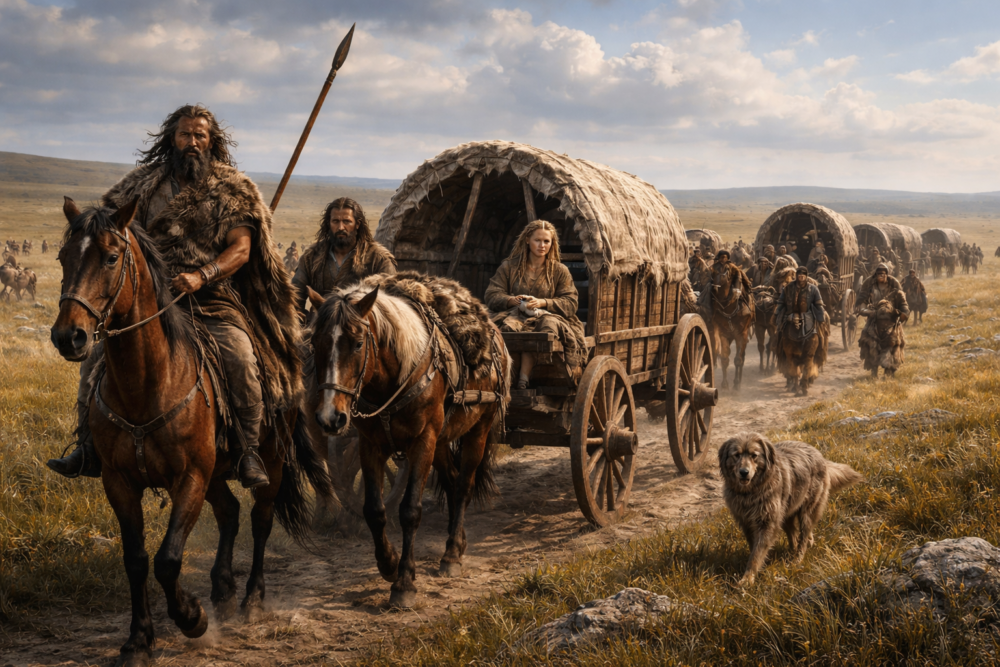
Around 5,000 years ago, herders from the Pontic-Caspian steppe migrated into Europe, bringing a new genetic signature. These people, often associated with the Yamnaya culture, traveled with horses and wagons and had lifestyles different from both farmers and hunter-gatherers already living in Europe.
Their arrival caused another major population shift. Steppe ancestry became widespread in many regions, especially northern and central Europe. This migration also coincided with cultural changes, including new burial customs and possibly the spread of Indo-European languages.
8. Steppe Herders Dramatically Changed Europe’s Genetic Landscape
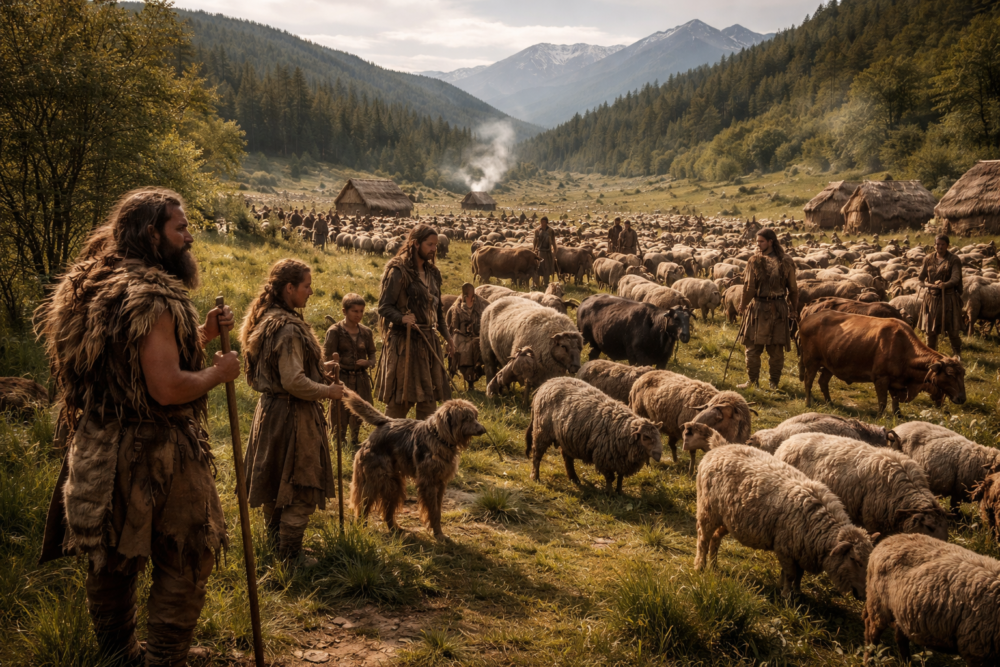
Genetic studies revealed that steppe migrants did not just blend quietly into existing populations; in some areas, their ancestry quickly became dominant. This rapid change surprised researchers, who previously underestimated the scale of the migration. Ancient DNA clarified that these herders reshaped Europe’s demographics in just a few centuries.
Their influence extended beyond genetics. Archaeological evidence shows that technologies such as wheeled vehicles and new metalworking traditions spread alongside steppe populations. This event is now considered one of Europe’s most transformative prehistoric shifts.
9. Modern Europeans Descend From Three Main Ancestral Groups

Large genome analyses show that modern Europeans are a blended population composed of Ice Age hunter-gatherers, early Anatolian farmers, and steppe herders. Each region of Europe carries these ancestries in different proportions, depending on which migrations reached the area and how populations interacted.
Southern Europeans tend to have more early farmer ancestry, northern Europeans often show higher steppe ancestry, and hunter-gatherer ancestry appears in varying degrees across the continent. This three-part model has become the foundation of modern understanding of European origins.
10. Europe’s Population History Involved Multiple Replacements
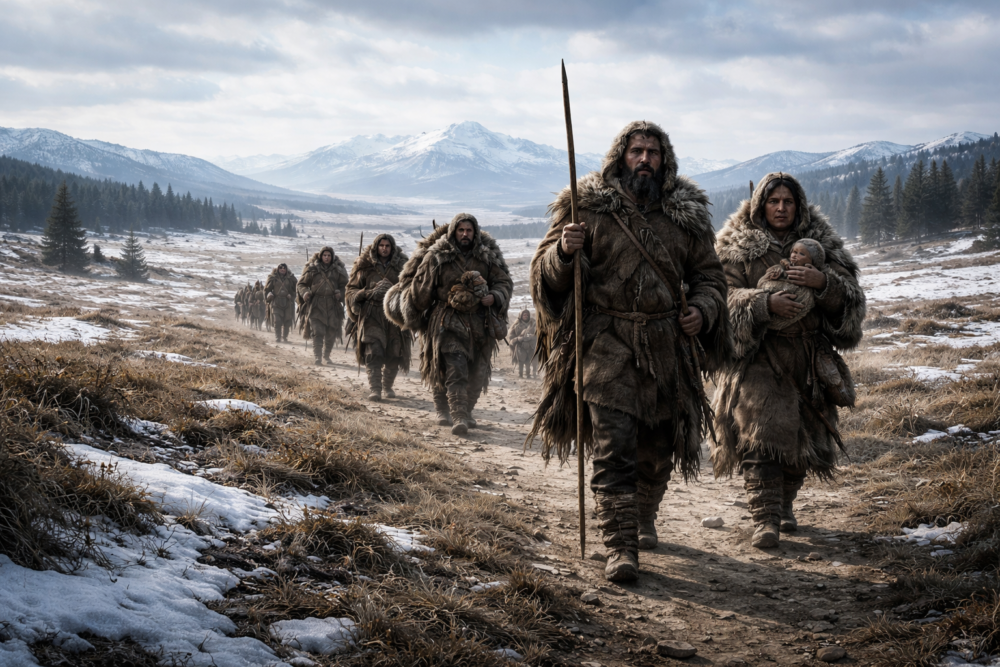
One of the biggest revelations from ancient DNA is how often populations were replaced or significantly reshaped. Instead of a single lineage stretching from the Ice Age to today, Europe experienced repeated waves of migration that introduced new ancestries and sometimes replaced earlier groups entirely.
This discovery overturned long-held assumptions about continuity. Rather than stability, Europe’s early population history was defined by movement, mixture, and transformation. Ancient DNA made it possible to see how dynamic the continent truly was.
11. New Discoveries Continue to Rewrite Europe’s Earliest History
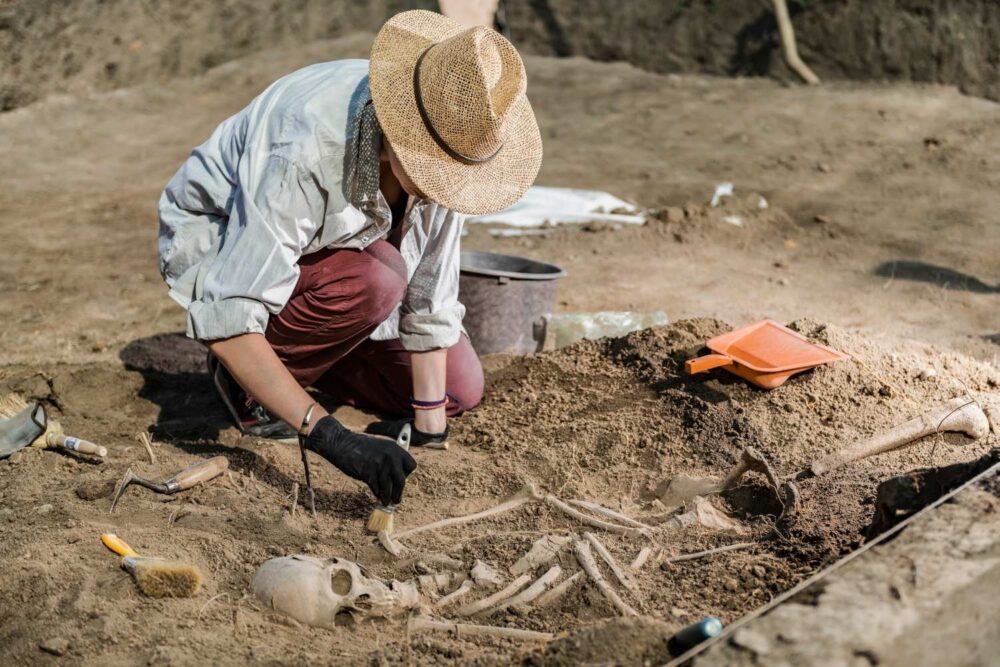
Scientists are still sequencing ancient genomes across Europe, and each new finding adds another layer to the story. Many regions remain undersampled, meaning future discoveries could reveal additional migrations or overlooked populations. Researchers expect the picture to become even more complex as techniques improve.
What remains clear is that Europe’s earliest history was far from simple. With every new DNA study, scientists uncover details that reshape what we thought we knew about the continent’s first people, proving the story is still unfolding today.