
Historians say a British victory could have created a very different North America—one loyal to the crown and divided by class.

If the American colonies had lost the Revolutionary War, the world as we know it might look unrecognizable. Historians say a British victory could have kept North America under royal rule, delaying democracy, altering borders, and reshaping global power for centuries. Slavery, westward expansion, and even Canada’s development might have unfolded differently. Instead of the United States, we may have lived in a patchwork of loyalist provinces—an empire where independence was a dream postponed, not a destiny fulfilled.
1. The United States Wouldn’t Exist as We Know It
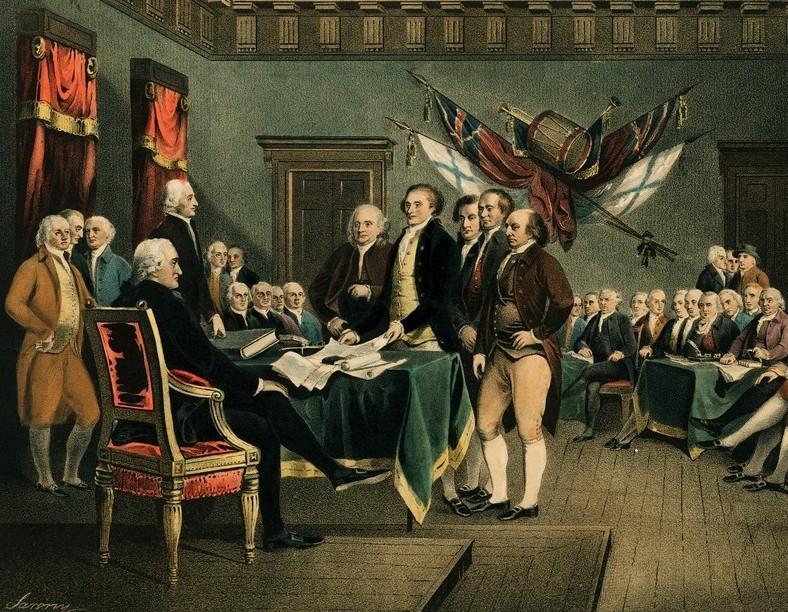
If the American colonies had lost the Revolutionary War, there would be no “United States of America.” Instead, Britain would have likely restructured its North American territories into loyal provinces, governed by royal officials from London.
Historians say the colonies might have resembled modern-day Canada—semi-autonomous regions under a constitutional monarchy. The ideals of “life, liberty, and the pursuit of happiness” would have been replaced by a system emphasizing loyalty to the Crown and deference to class hierarchy.
2. Democracy Would Have Developed Much More Slowly

The Revolutionary War catalyzed one of history’s boldest experiments in self-government. Without it, democratic systems would have evolved under tighter British control. Voting rights, freedom of the press, and religious liberty would have expanded at a slower pace.
The American Revolution inspired global democratic movements from France to Latin America. A British victory would have muted that influence, delaying the spread of republican ideas and leaving monarchy as the dominant form of governance well into the 19th century.
3. Slavery Might Have Ended Sooner—But for Different Reasons

Britain abolished the slave trade in 1807 and slavery itself in 1833. Had the colonies remained under British rule, emancipation might have arrived decades earlier than it did in the independent U.S.
However, it wouldn’t have been driven by equality but by imperial policy and economics. The Southern colonies, heavily reliant on plantation labor, would have resisted fiercely. That tension could have sparked civil unrest or even a regional revolt within a British-controlled America.
4. Canada and the Colonies Might Have United as One Dominion
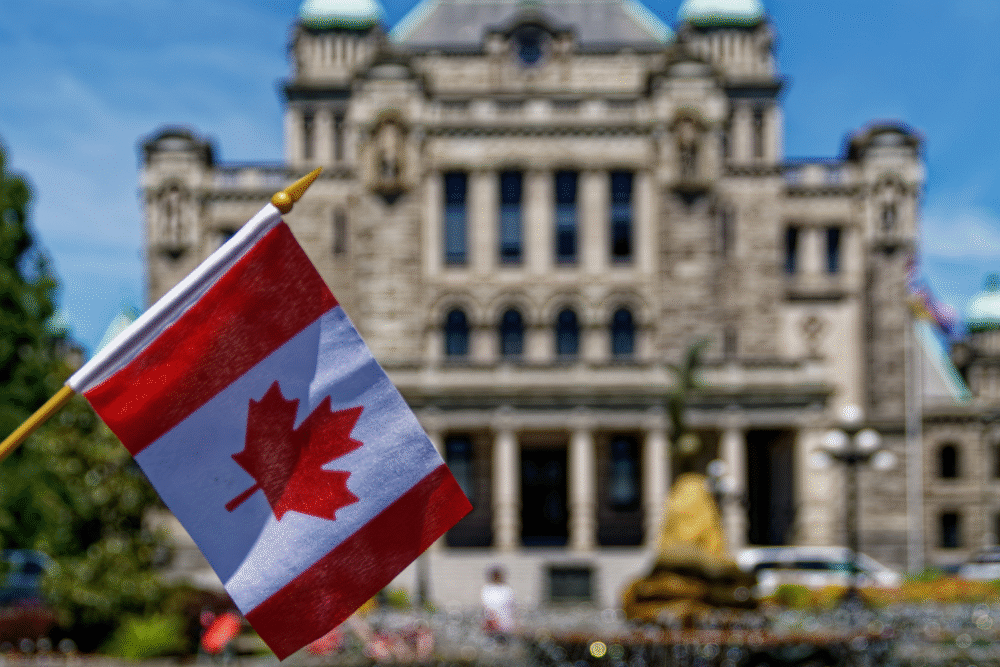
A British victory could have merged the 13 colonies with Canada into a vast North American dominion loyal to the Crown. Instead of drawing sharp distinctions between “Americans” and “Canadians,” the continent might have developed as a single, British-led federation.
The Dominion of North America could have stretched from the Caribbean to the Great Lakes—an immense, resource-rich region that rivaled India in strategic importance to Britain’s empire. The concept of “Canadian-style” British identity might have extended across the entire continent.
5. Westward Expansion Would Have Been Slower—and More Controlled

The United States expanded rapidly westward after independence, often through war and displacement of Native peoples. Under British rule, expansion would have been far more regulated, with London imposing treaties to maintain trade relations with Indigenous nations.
This slower growth might have spared some native lands from early settlement, though imperial policies still prioritized resource extraction. The idea of “Manifest Destiny” would never have emerged, replaced instead by a cautious, bureaucratic colonial approach to frontier development.
6. The French Revolution Might Never Have Happened
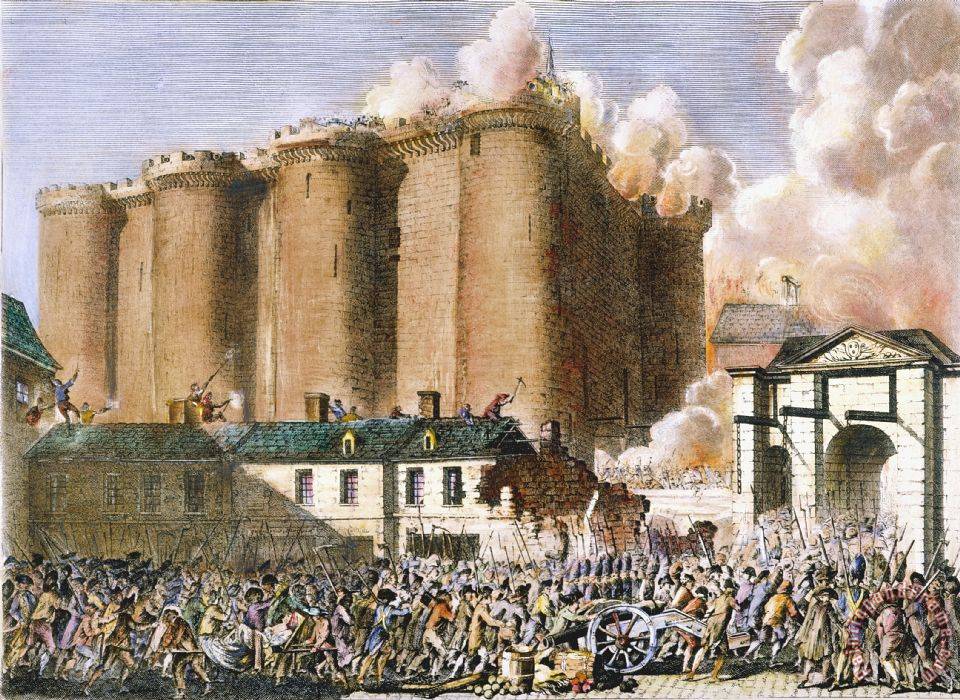
The American Revolution inspired France’s own uprising by proving that monarchy could be challenged. Without it, revolutionary fervor in Europe might have cooled, and King Louis XVI’s regime could have lasted longer.
That ripple effect would have reshaped global politics. Without the French Revolution—and Napoleon’s rise—Europe’s wars, alliances, and even the eventual unification of Germany and Italy might have unfolded differently, leaving the 19th century far less revolutionary.
7. English, Not “American,” Culture Would Dominate

Without independence, American language, literature, and customs would have evolved as regional variations of British culture rather than as a distinct national identity. Early American writers like Washington Irving or Mark Twain might never have found their voice.
Even popular expressions, foods, and holidays would differ—no Fourth of July, no American flag, and no distinctly “American Dream.” Instead, cultural life might have mirrored that of London or Dublin, with society divided sharply between the upper and working classes.
8. The Capital Might Have Been in New York—or Even Halifax

If Britain had maintained control, it likely would have relocated its colonial capital from Philadelphia to a loyalist stronghold such as New York City or Halifax, Nova Scotia. New York, already a major port, served as British headquarters during the war.
That choice would have reinforced the city’s importance as a global hub of commerce, diplomacy, and imperial administration. A British-controlled New York might have become the “London of the New World,” the center of trade between Europe, Africa, and the Americas.
9. The Native Nations Might Have Fared Slightly Better

Native American nations were among the biggest losers of U.S. independence, as westward expansion displaced millions. Under continued British rule, some tribes—especially the Iroquois Confederacy—might have retained greater autonomy.
Britain relied on alliances with Indigenous groups for trade and defense, and its government often restricted settlers from crossing into native territories. While exploitation would still have existed, the pattern of total displacement might have been delayed or less severe under imperial oversight.
10. America’s Global Power Would Have Been Britain’s to Command
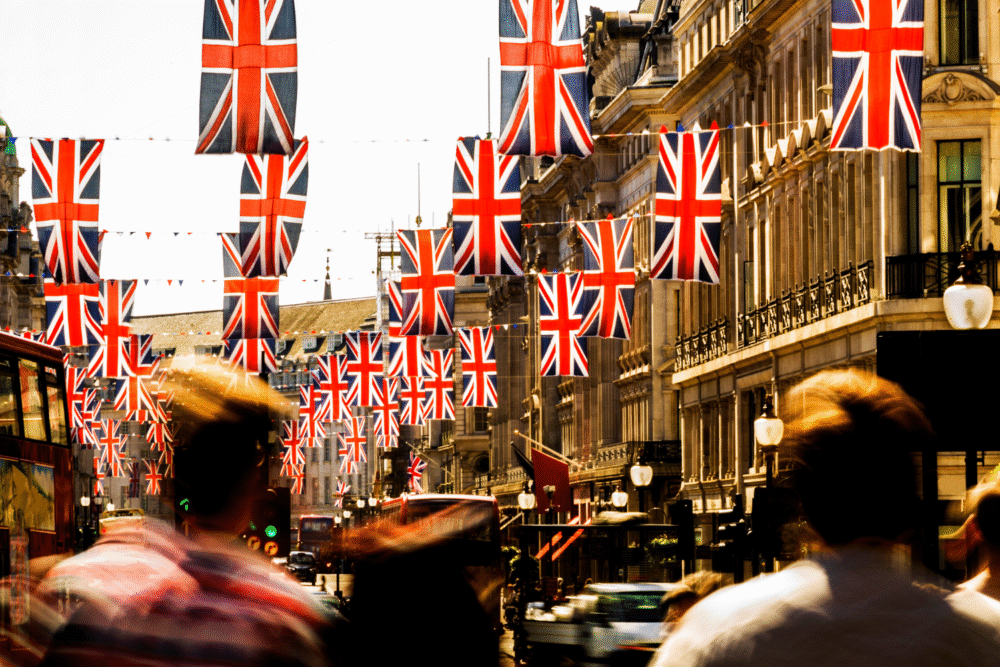
A British-controlled America would have ensured Britain’s continued global dominance well into the 20th century. The colonies’ vast resources and population would have made the empire nearly self-sufficient.
In this alternate history, there would be no American superpower, no Monroe Doctrine, and no independent foreign policy. Britain would have wielded transatlantic power unrivaled by any European nation, possibly preventing both the rise of the U.S. and the geopolitical order we know today.
11. The Idea of “Freedom” Would Have Meant Something Else Entirely

Perhaps the most profound difference would be philosophical. The American Revolution redefined freedom as self-rule, personal rights, and resistance to tyranny. A lost revolution would have preserved freedom as something granted by authority rather than earned by rebellion.
Without the United States as a symbol of democracy, movements for independence across the world—from Latin America to Asia—might have faltered. The very concept of modern liberty might have remained bound to monarchy, not revolution.