
Decades of reporting show rapid warming, vanishing ice, and cascading impacts beyond the polar region.
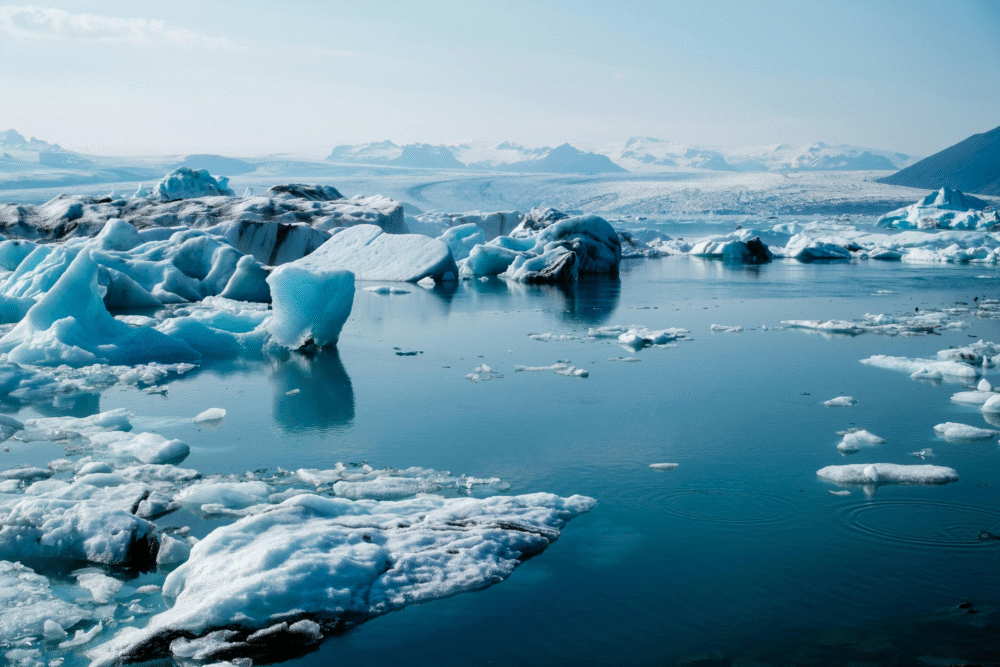
Twenty years ago, the Arctic “report card” was a yearly check-in. Now it reads more like an emergency update. NOAA’s latest Arctic Report Card shows a region warming much faster than the rest of the planet—and changing in ways you can feel far beyond the polar circle.
The report says that from October 2024 to September 2025, Arctic surface air temperatures were the warmest since at least 1900. Sea ice hit a record-low winter peak, and most of the oldest, thickest ice is already gone.
Add thawing permafrost, “rusting” rivers, and a warmer, saltier Arctic Ocean, and the message is blunt: what happens up there doesn’t stay up there.
1. How the Arctic “Report Card” Became a Warning System

The Arctic Report Card exists because the Arctic changes fast. NOAA released the first one in 2006, and the point was simple: keep track every year, because waiting a decade can hide the real long-term trajectory overall.
That long-running record now shows a region transformed in just 20 years. The Arctic has warmed about twice as fast as the global average over that period, and that extra heat is the engine behind almost every other change scientists are documenting today.
2. The Disappearing Ice That Used to Be the Arctic’s Backbone
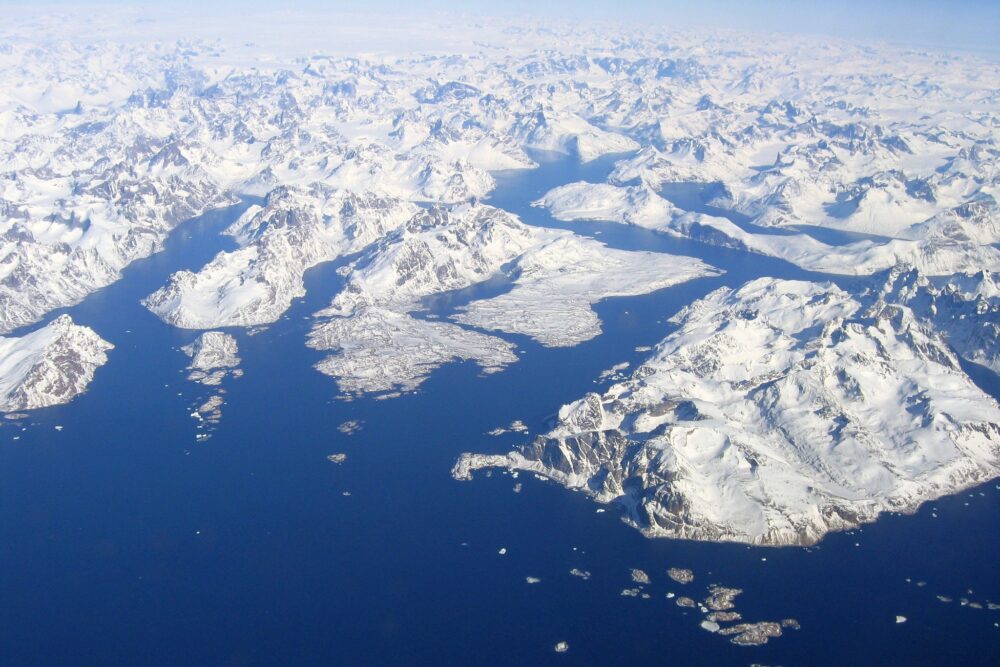
When people picture Arctic change, they usually think “less ice.” The report makes it more specific—and more alarming. About 95 percent of the oldest, thickest sea ice is gone, leaving a small remnant clustered north of Greenland.
That matters because old ice is the Arctic’s tough, durable layer. When it disappears, the ocean is left with thinner, younger ice that breaks up more easily, melts faster, and fails to protect coastlines, wildlife, and travel routes the way it used to.
3. The Temperature Streak That’s Hard to Explain Away
The report highlights a striking temperature milestone: from October 2024 through September 2025, Arctic surface air temperatures were the warmest since at least 1900. Even more telling, the 10 warmest years in the Arctic have all occurred within the past decade.
That kind of streak isn’t just “bad luck.” It’s a sign the baseline has shifted upward. And once the baseline shifts, extremes pile on: heat waves last longer, ice forms later, and ecosystems get less time to reset between shocks.
4. Sea Ice Is Failing in Winter, Not Just Summer
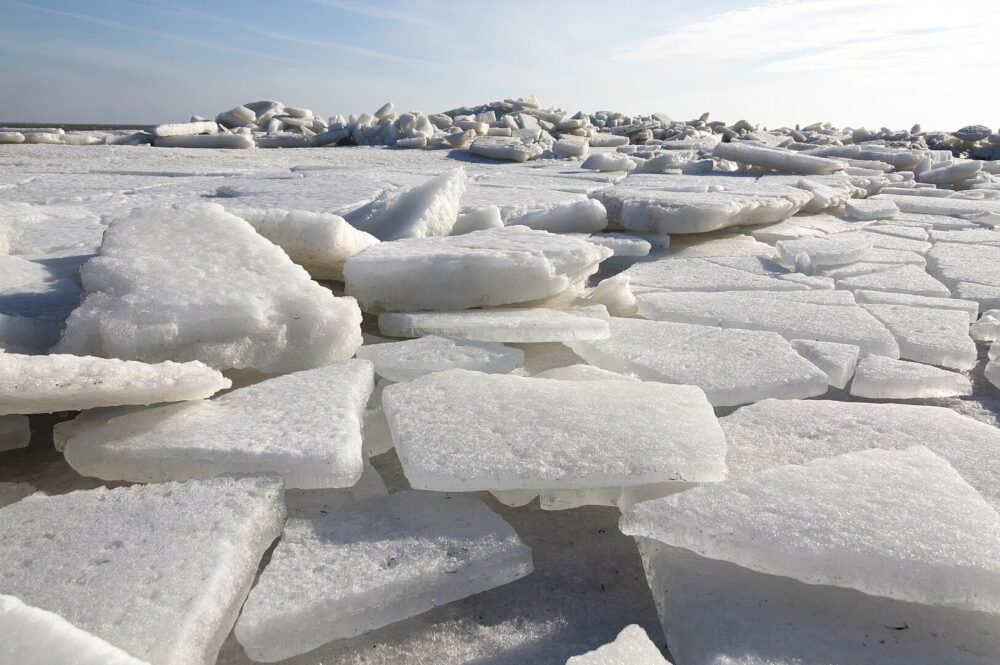
Sea ice doesn’t just shrink in summer—it also grows in winter, forming a lid that helps regulate heat exchange. The report says the winter maximum (the annual peak) hit a record low, while the summer minimum ranked among the lowest in the satellite record.
Less ice means less sunlight reflected back into space. The ocean absorbs more energy, warms further, and melts more ice—a feedback loop. It also leaves more open water to vent heat and moisture into the atmosphere, especially during fall and winter.
5. “Atlantification” Is Remaking the Arctic Ocean From the Inside
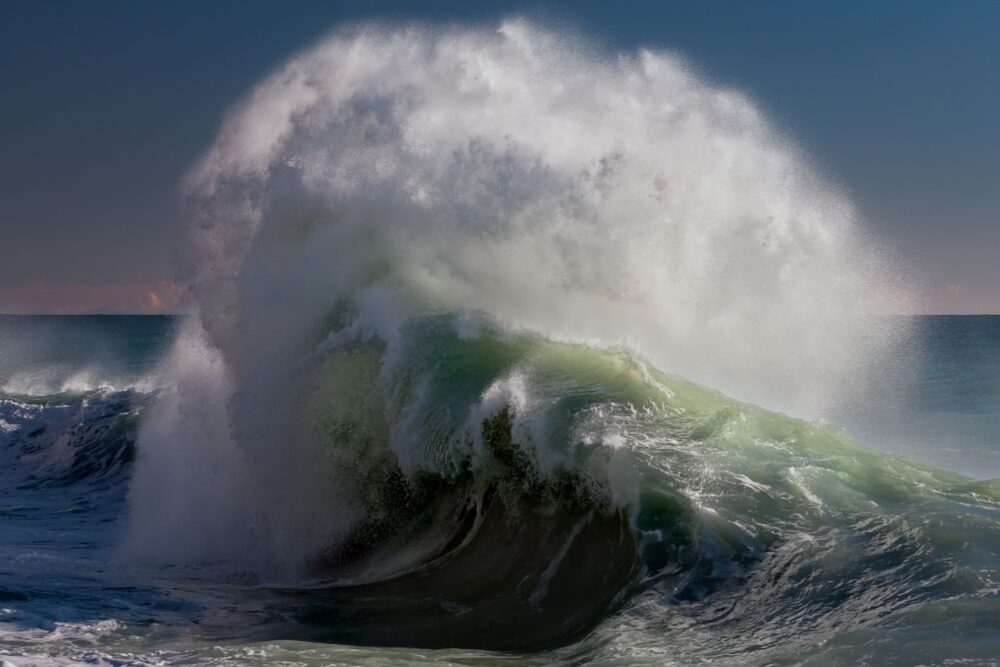
Scientists are now using a word that sounds like sci-fi but is very real today: “Atlantification.” Warm, salty Atlantic water is pushing farther into the Arctic Ocean, changing how water layers stack, mix, and move.
That reshuffling affects ecosystems, but it also changes how heat travels from ocean to air. In plain terms, it can make parts of the Arctic Ocean better at releasing warmth into the atmosphere, which can influence storm tracks and weather patterns far beyond the pole.
6. A Storm Story That Shows the Stakes
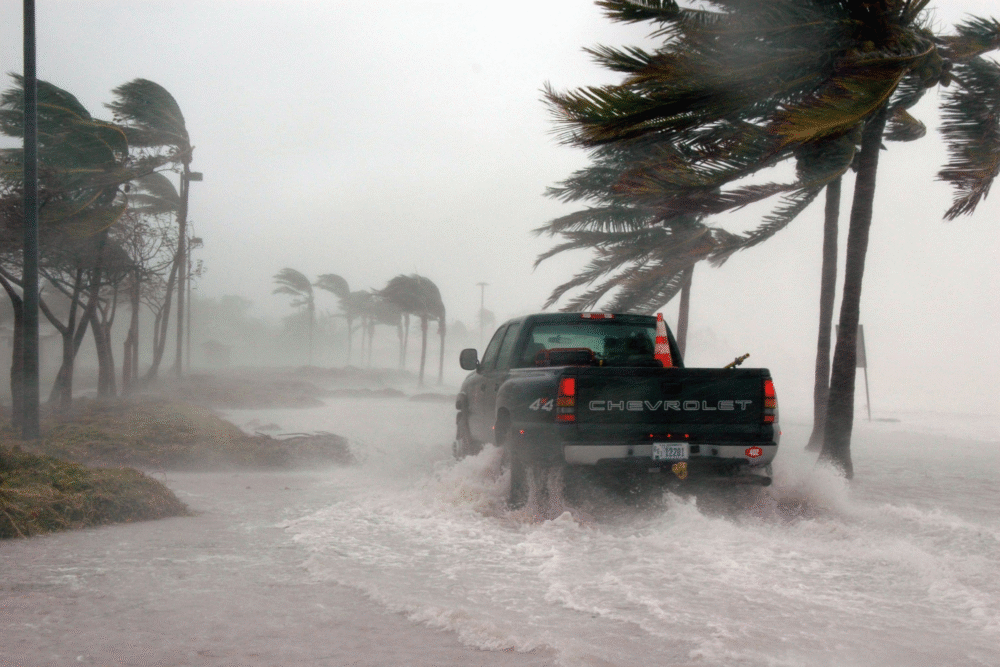
The report ties Arctic change to impacts you can picture: stronger storms and bigger coastal damage. In October 2025, a system that began as Typhoon Halong kept unusual strength across the Pacific, then hit Alaska with hurricane-force winds and major storm surge.
More than 1,500 residents were evacuated, and some villages were severely damaged. It’s a reminder that a warmer ocean can help storms hold together longer, while higher seas and reduced ice protection can make the same storm far more destructive at the shoreline.
7. The Ice Loss You Don’t See Floating in the Ocean
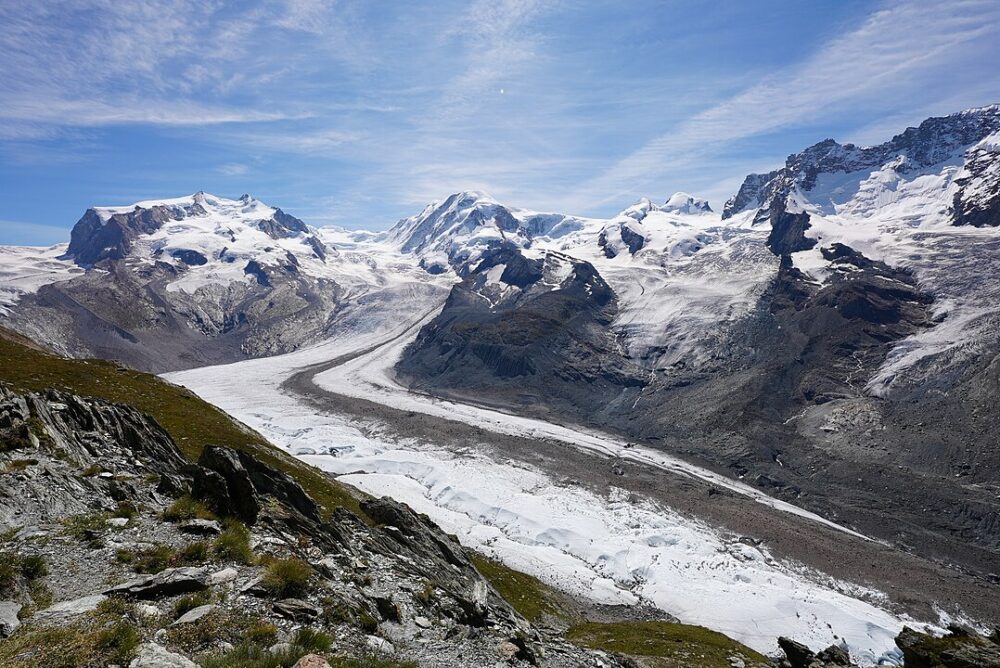
Ice loss isn’t only floating sea ice. Land ice is melting fast, too. The report notes Alaska’s glaciers have lost about 125 vertical feet since the mid-20th century, a staggering amount when you picture an entire building’s height shaved away.
Greenland’s ice sheet didn’t lose as much ice in 2025 as in some peak years, but it kept sending meltwater into the ocean. That steady drip still adds up, contributing to sea level rise that affects coastal flooding risks worldwide.
8. The Arctic Is Getting Wetter—and Much of It Is Rain
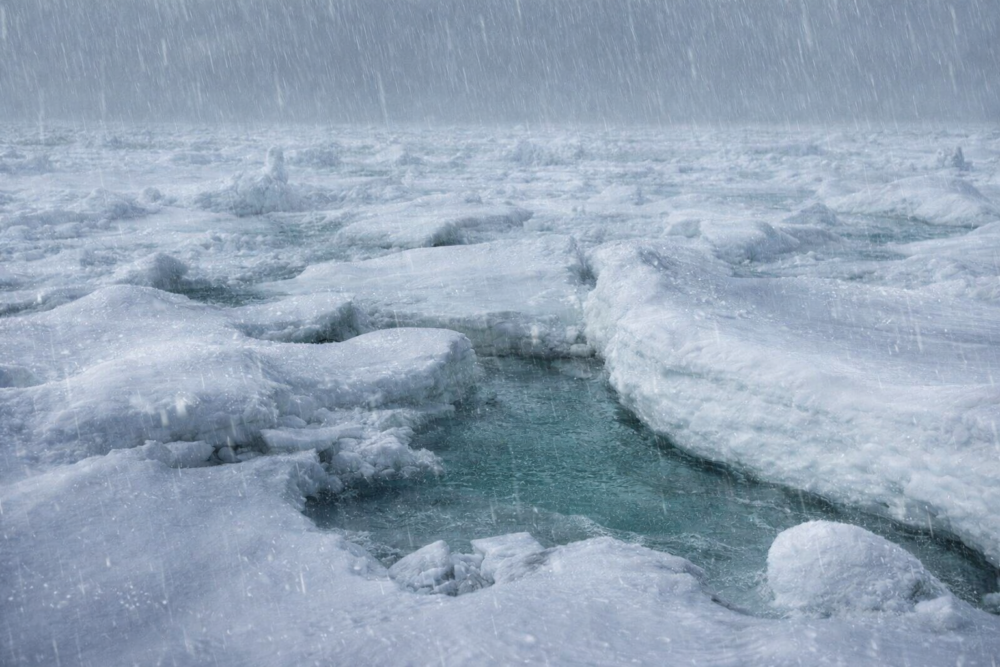
The Arctic is also getting wetter—and not in a “more snow” way. The report says precipitation is increasingly falling as rain instead of snow, even in seasons that used to reliably freeze. That changes everything from travel safety to wildlife survival.
It also affects how long snow stays on the ground. One headline stat: June snow cover across the Arctic is about half what it was 60 years ago. Less snow means darker surfaces, more heat absorption, earlier melt, and a faster start to summer warming.
9. Thawing Permafrost Is Releasing Carbon and Turning Rivers Orange
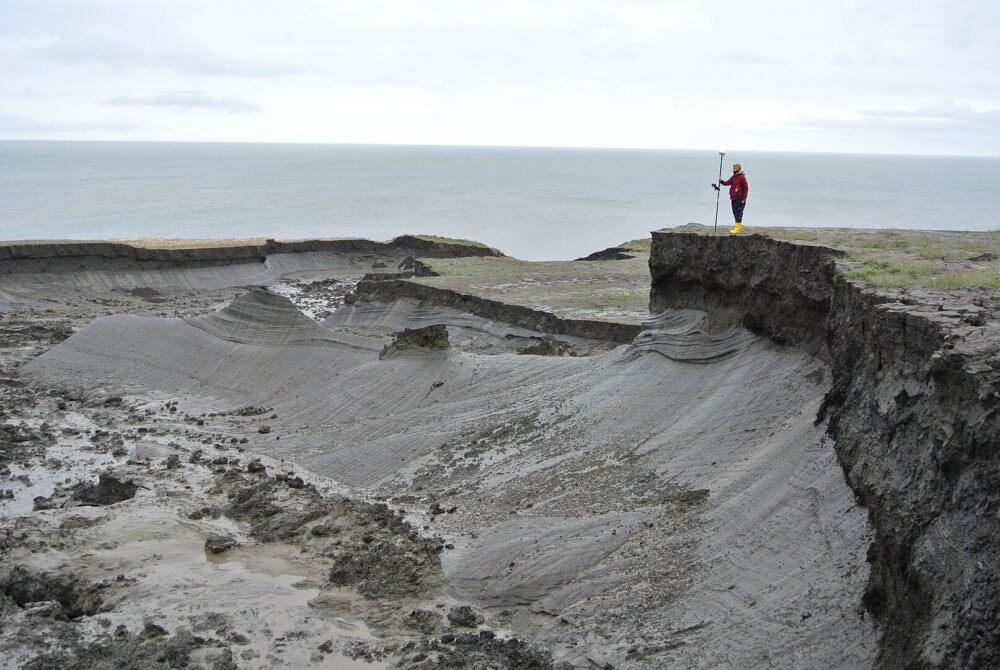
Permafrost is supposed to be the Arctic’s deep freezer. As it thaws, it releases carbon that was locked away for centuries, adding another source of greenhouse gases to the atmosphere and creating a self-reinforcing climate problem.
The report also describes “rusting rivers”—streams turning orange as thaw exposes minerals like iron. These waters can become more acidic and carry higher levels of toxic metals, stressing ecosystems. Scientists have documented this in more than 200 watersheds, and the trend is spreading.
10. The Arctic’s Ecosystems Are Literally Shifting North
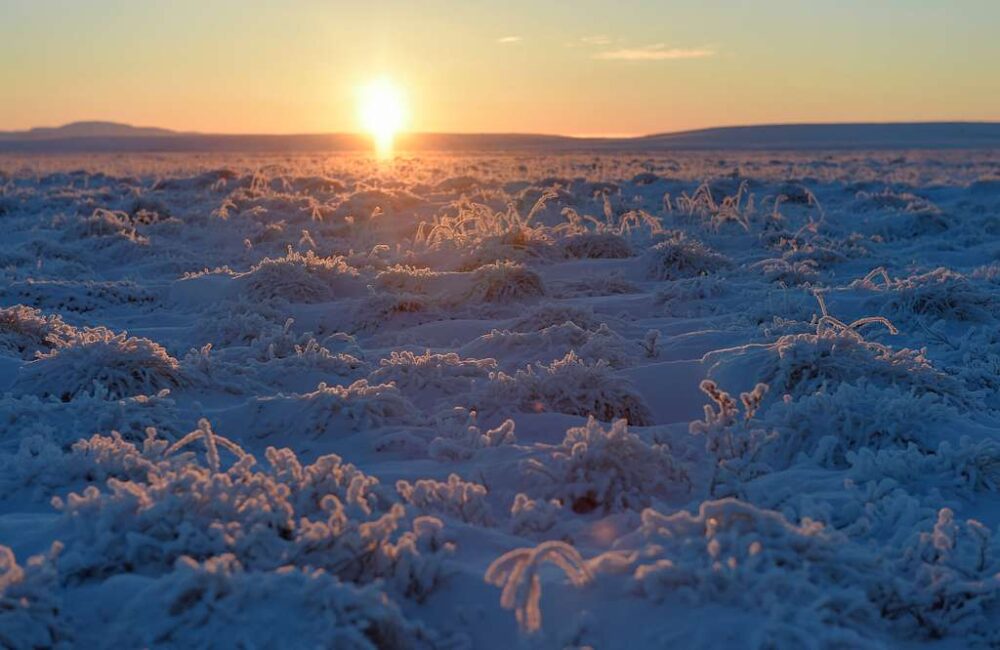
Warming doesn’t just melt things—it redraws the map of life. As permafrost thaws and tundra conditions shift, the tundra biome is shrinking and the boreal forest is creeping northward, changing habitats that evolved around cold, open landscapes.
That sounds gradual, but for animals and communities adapted to tundra, it’s disruptive. Habitat boundaries move, food webs change, and pests can gain a foothold. The Arctic becomes less “Arctic,” and the ripple effects show up in fisheries, infrastructure, and fire seasons.
11. The Takeaway NOAA Keeps Repeating, Because It’s True
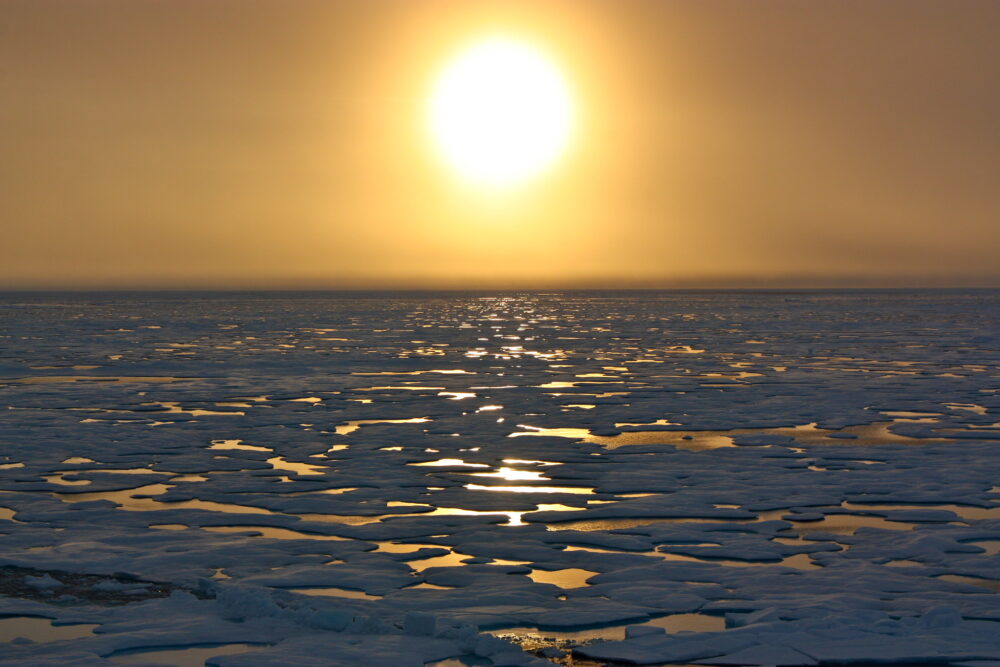
If all of this feels far away, the report’s message is that it isn’t. A warmer, saltier central Arctic Ocean and shifting ice cover change how heat and moisture are exchanged with the atmosphere, which can influence weather patterns at lower latitudes.
The Arctic Report Card is essentially a running warning label for the planet’s coldest region. It shows where we’ve been, and it hints—carefully—at where we’re going if warming continues. The sooner those signals are taken seriously, the more options we keep on the table.