
Scientists are shocked by how many animal traits humans are borrowing.
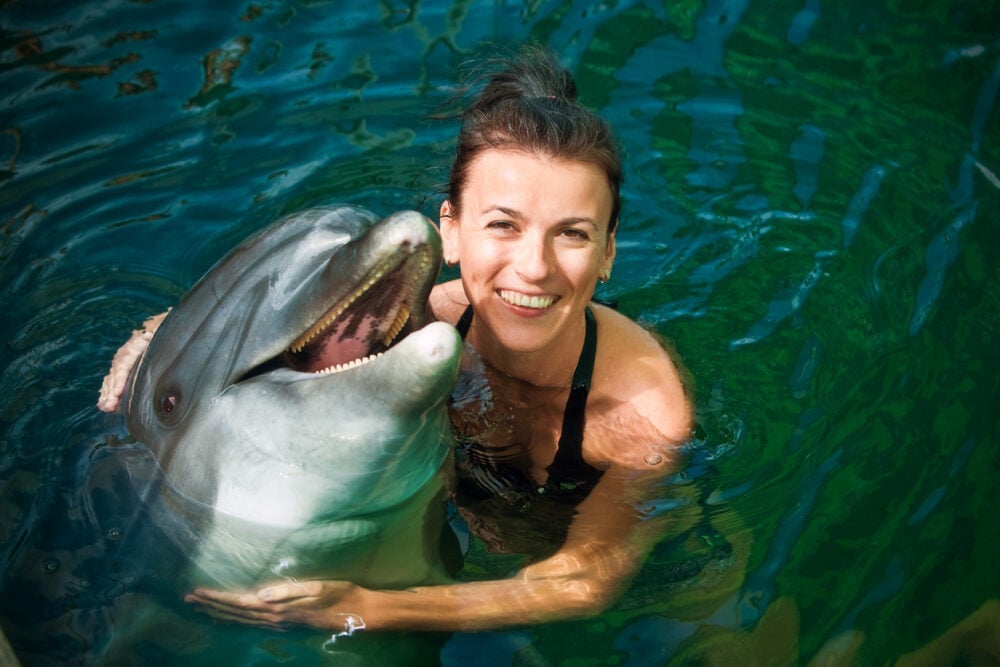
Your body might be more of a copycat than you ever imagined. You probably think of humans as the pinnacle of evolution—high-tech, self-aware, uniquely intelligent. But biology doesn’t always hand out gold stars for originality. In fact, when you take a closer look at how we function, it starts to feel like nature handed us a cheat sheet filled with tips from the animal kingdom. And we totally used it. Without realizing it, you’re carrying around upgrades borrowed from creatures you probably wouldn’t expect. These aren’t just random similarities either—they’re strategic, time-tested survival moves that have been tweaked and reworked to fit our needs.
It’s kind of humbling, actually. For all the futuristic gadgets and modern medicine we’ve come up with, some of our most essential systems are straight-up nature hacks. You might roll your eyes at a lizard or a jellyfish, but chances are, your body’s been taking notes. Once you start to spot the connections, it changes how you see yourself—and everything else.
1. Octopuses change color to blend in—and we’ve basically stolen that trick.
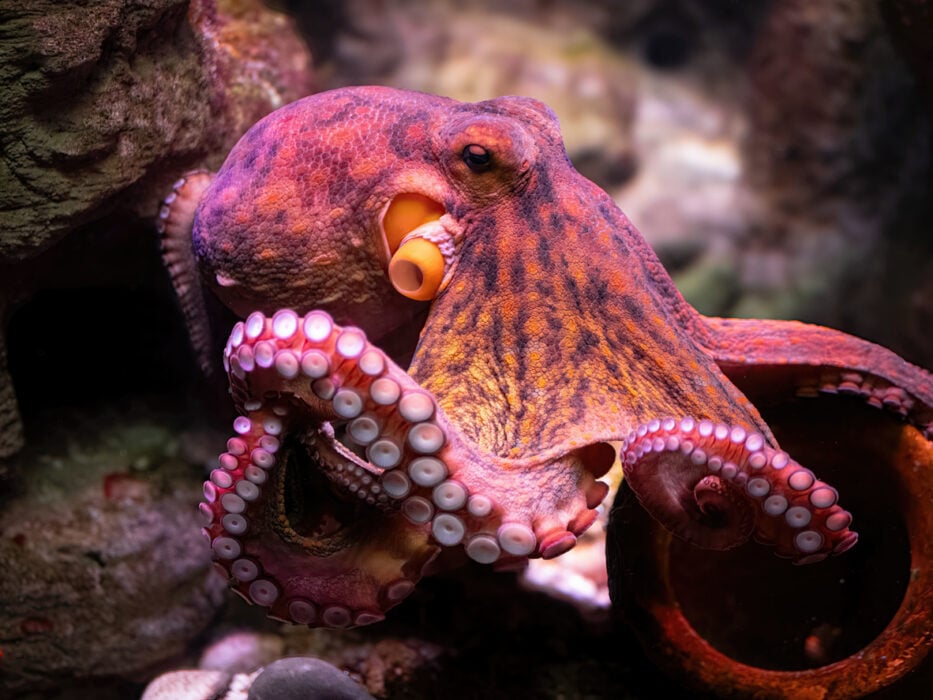
Humans aren’t growing chromatophores anytime soon, but our fascination with camouflage hasn’t gone unnoticed, according to the experts at The Guardian. From military gear to fashion that shifts with heat, we’ve borrowed the octopus’s ability to adapt visually to its environment. Some researchers are even developing materials inspired by cephalopod skin that can change color in real time. Think high-tech fabrics that mimic the vibe of your surroundings, like wearable mood rings on steroids. It’s wild to realize how nature keeps feeding our tech ideas. Octopuses do it for survival—humans? We do it for everything from invisibility cloaks to adaptive advertising.
It’s not just sci-fi anymore; the line between nature’s genius and human invention is blurring fast. And the next time you put on camo or see a temperature-sensitive T-shirt, just remember—you’re channeling a sea creature with three hearts and a PhD in disappearing.
2. Geckos defy gravity; now we’re climbing walls like them.
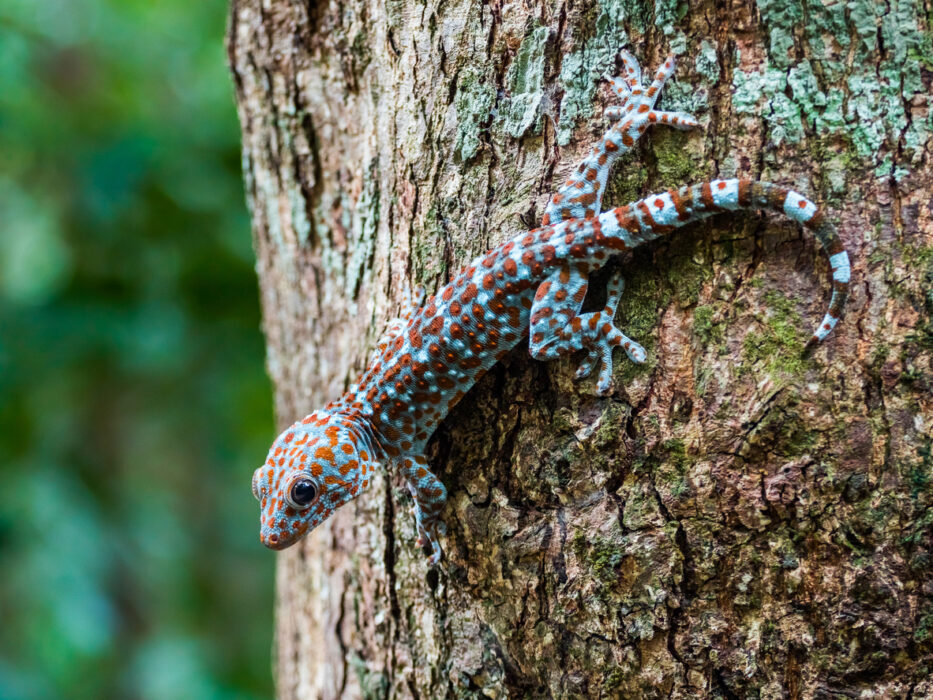
Geckos can casually run up walls thanks to the microscopic hairs on their feet that create electromagnetic attraction to surfaces. Scientists got curious and decided, “Hey, why can’t we do that?” Fast forward to today, and we’ve got gloves and shoes inspired by gecko feet that let humans stick to glass like superheroes, as reported by Kevin Loria at Business Insider. It’s not just a stunt—it has military, rescue, and even construction applications. These wall-crawling marvels are helping engineers create tools for navigating vertical spaces without ropes or suction cups.
It’s the kind of thing that sounds fake until you see someone scaling a wall like Spider-Man. But it all started with a lizard just trying to avoid predators. Nature’s had the blueprint all along—we’re just finally paying attention and catching up, one sticky toe at a time.
3. Dolphins use echolocation—and so do we, just in a different way.
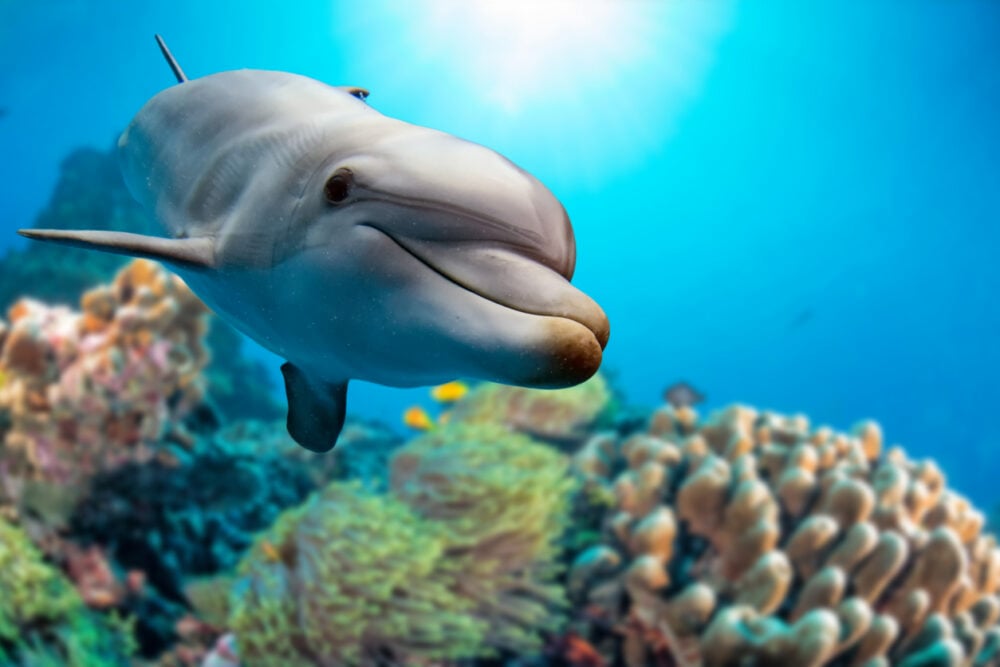
Dolphins navigate dark, murky waters by bouncing sound waves off objects to “see” their environment. That’s echolocation, and guess what? Humans copied it, as stated by the authors at Nature.com. Sonar, medical ultrasounds, and even some smart canes for the visually impaired use the same principle. Dolphins are the OG sound bouncers, but we’ve taken their genius and run with it. Our submarines track underwater terrain thanks to this tech. Pregnant people hear their baby’s heartbeat because of dolphin-inspired innovation. And the best part? It’s all rooted in a natural system that dolphins have been fine-tuning for millions of years.
It’s almost poetic—these sleek marine mammals are swimming around with built-in sonar, and we’re building machines trying to match it. It goes to show that evolution’s inventions are sometimes the smartest blueprints we’ve got.
4. Bats navigate in total darkness, and their trick works in our tech too.

Like dolphins, bats rely on echolocation, but they do it in the air instead of underwater. These nocturnal flyers emit high-frequency sounds and analyze the echoes to swoop around obstacles with spooky precision. Humans caught wind of this and used the same concept for radar, which is now used in everything from aviation to autonomous vehicles. It’s like bats handed us the secret to seeing without seeing—and we turned it into high-speed safety tech.
Even some modern blind individuals have learned to echolocate by clicking their tongues and listening to the bounce-back. That’s next-level adaptation, straight from the animal playbook. So, the next time your car alerts you of someone in your blind spot, thank a bat for the blueprint. They’ve been dodging trees and catching bugs mid-flight long before we figured out how to reverse park.
5. Sharks heal fast—and scientists want in on that superpower.
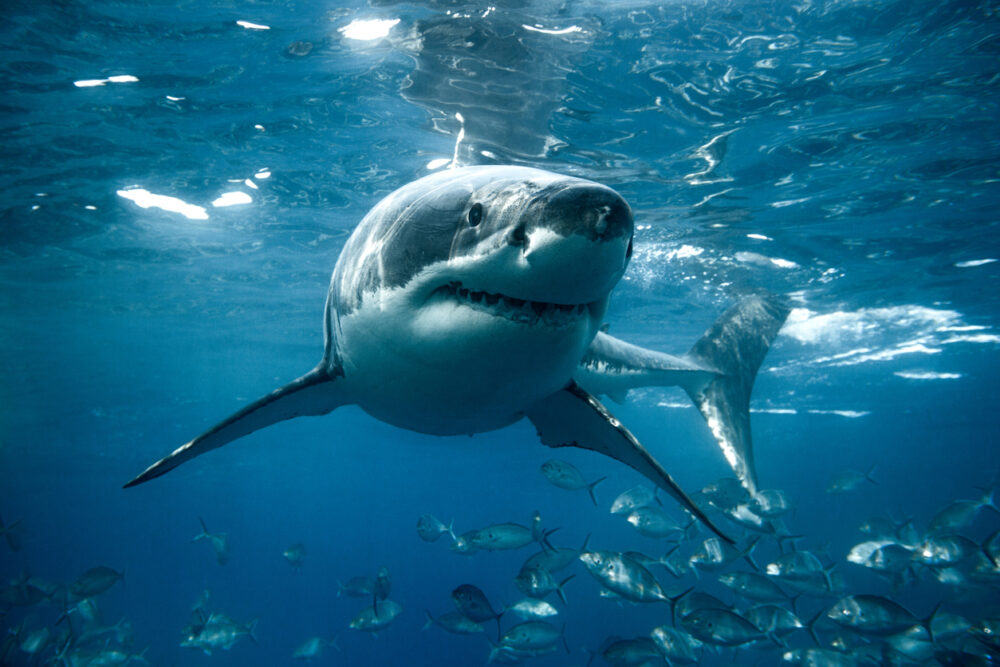
Sharks rarely get infections, even with open wounds in bacteria-filled ocean water. Their skin contains unique proteins and dermal denticles that fend off microbial invaders like it’s no big deal. Scientists studying shark skin have started applying that research to create medical devices and bandages that resist bacteria without using antibiotics.
Think hospitals with shark-skin-inspired surfaces that are practically self-cleaning. That’s not just smart—it could save lives. In an era of antibiotic resistance, nature’s immune system MVP might hold the secret we’ve been overlooking. And leave it to sharks, the ultimate survivors, to casually flex with immune tricks we’re only beginning to understand. They’ve been swimming the seas since before dinosaurs existed—and we’re still playing catch-up with their ancient biohacks.
6. Sharks also never get cavities; their dental secrets can help us.

Shark teeth are coated with fluoride-rich enamel and arranged in conveyor belt-style rows, constantly regenerating throughout their lives. While we’re scheduling root canals, sharks are flashing perfect grins. That’s got dental researchers working overtime. Some toothpaste brands already mimic shark enamel chemistry, and bioengineers are exploring regenerative dental implants inspired by sharks’ natural tooth turnover. There’s even talk of using shark proteins to develop bacteria-resistant coatings for braces and fillings.
If that ever becomes mainstream, “shark smile” might be the new dental goal. Next time you complain about flossing, remember there’s a fish out there growing new teeth like it’s no big deal—and we’re just trying to keep up with the bite.
7. Cuttlefish camouflage instantly—and we’re copying that in military gear.

Cuttlefish are masters of disguise. Their skin shifts color and texture in milliseconds thanks to specialized pigment cells and muscle-controlled papillae. The military has taken notice. Engineers are developing adaptive camouflage fabric and armor that can mimic surroundings in real time, based on cuttlefish mechanics. Scientists have even built soft robots that change appearance underwater using similar techniques.
Beyond the battlefield, the fashion world is eyeing dynamic clothing that responds to mood or environment—yes, mood dresses could be real. All thanks to a squid’s slick cousin who’s been shape-shifting since before dinosaurs existed. Turns out the most fashion-forward creature in the sea isn’t even trying.
8. Humpback whales helped us design better wind turbines.
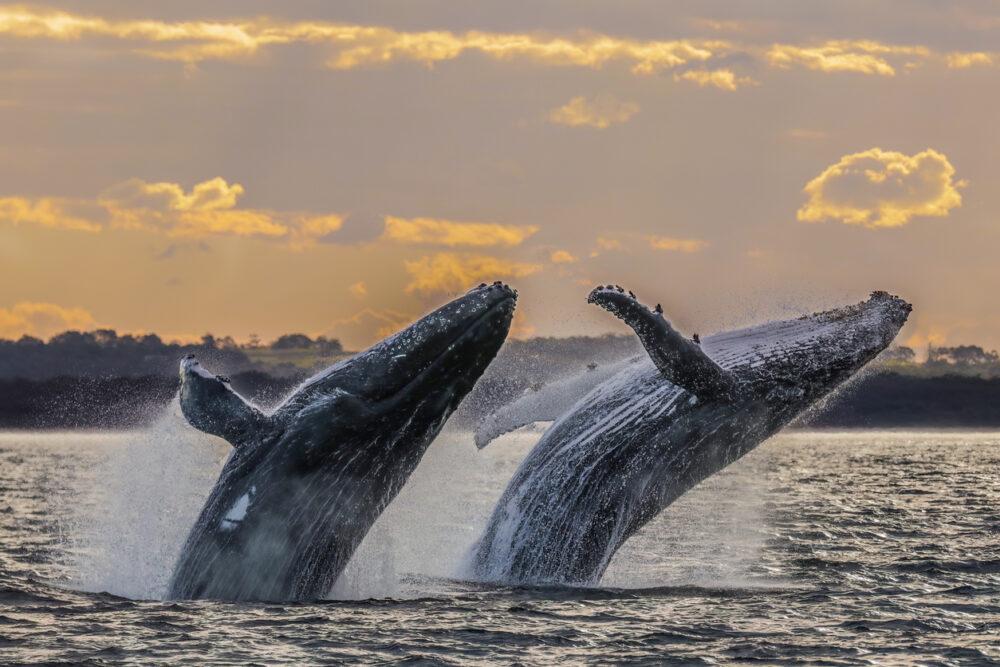
When you picture a whale, you probably don’t think “aerodynamic genius,” but humpbacks are surprisingly efficient swimmers. Their giant fins have bumpy ridges—called tubercles—along the front edge, and those bumps reduce drag and increase lift. Scientists took one look at that and said, “Let’s try it.” Now, engineers are adding similar ridges to wind turbine blades, airplane wings, and even fans to make them quieter and more efficient. It’s one of those moments where something that seems random in nature turns out to be mathematically brilliant. Humpbacks weren’t trying to revolutionize green energy—they just wanted to catch more fish.
But the ripple effect from their fins is changing how we build our machines. It’s humbling to think a creature the size of a school bus could make your electricity cleaner and your flight smoother. Who knew the secret to better tech was swimming in slow motion through the deep?
9. The mantis shrimp inspired breakthroughs in body armor.

You do not want to mess with a mantis shrimp. These little sea warriors throw punches with the speed of a bullet, and their limbs are so strong they don’t even break after repeated blows. The secret lies in their dactyl clubs—specialized appendages reinforced with layers of mineral-rich material arranged in a helicoidal (spiral) pattern. When engineers looked closer, they realized this structure could be copied to build insanely tough materials.
So now, military researchers and materials scientists are using the mantis shrimp’s blueprint to design lightweight armor and impact-resistant gear. Think helmets that absorb more shock, car panels that withstand crashes, or sports equipment that’s tougher without being bulky. What’s amazing is how something as small as your finger packs the punch to revolutionize safety tech. The mantis shrimp isn’t just a sea creature—it’s a design guru hiding in plain sight under a reef.
10. Tardigrades survive space—and we’re studying their secrets to do the same.

Tardigrades, also known as water bears, are nearly indestructible. These microscopic creatures can survive freezing temperatures, radiation, dehydration, and even the vacuum of space. Naturally, scientists are obsessed. Understanding how tardigrades protect their DNA and cellular structures under extreme stress could help develop better vaccines, longer-lasting food, and more resilient human cells.
NASA’s even looking into how tardigrade proteins might help astronauts endure space travel. These tiny animals curl into a dried-up ball—called a tun—and basically press pause on life until conditions improve. We’re now mimicking this biological “snooze” to preserve biological materials for medical use and space exploration. Funny how one of Earth’s smallest animals might hold the key to keeping humans alive on Mars.
11. Elephants never forget—and now we’re training machines to do the same.

An elephant’s memory isn’t just a saying—it’s fact. They remember routes, watering holes, and even faces for years. Researchers are digging into elephant cognition to help design better memory storage in AI systems. This means smarter, more intuitive machines that don’t just store data but understand relevance and relationships. There’s also hope that by understanding animal memory, we’ll unlock new tools to protect and preserve human memory as we age.
Your future AI assistant might owe its smarts to the same animal that remembers every member of its herd. Scientists are even studying how elephants prioritize what to remember—like danger zones or social alliances—which could shape how future algorithms process emotional or contextual information. It’s a wild but beautiful overlap of nature and tech, where the brainpower of a giant land mammal may one day make your digital life a whole lot sharper.