
Groundbreaking DNA and archaeological evidence may rewrite the earliest chapter of the Americas’ human story.
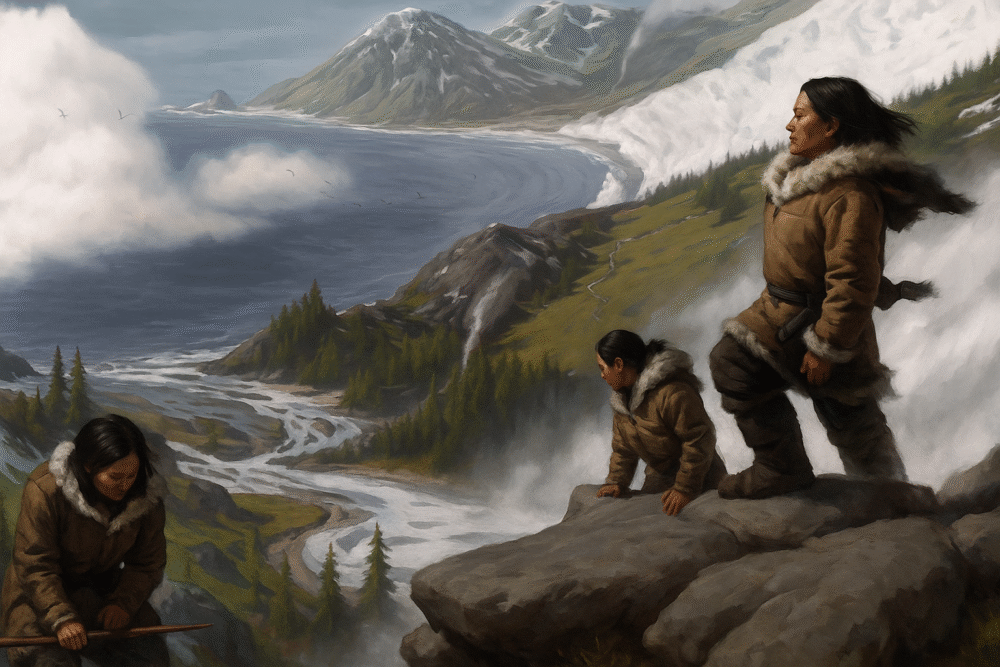
For more than a century, scientists believed Native Americans descended from ancient Siberian populations who crossed a land bridge into Alaska around 15,000 years ago. But a new study published in the journal PaleoAmerica is shaking that foundation. By comparing ancient DNA with new archaeological finds, researchers now suggest that the first peoples of the Americas may have come from multiple migrations — and possibly different regions entirely. The discovery challenges one of anthropology’s most accepted origin stories and raises profound new questions about who the first Americans really were.
1. The Longstanding Theory of a Single Migration
For decades, archaeologists believed that all Native American ancestors came from a single population that crossed the Bering Land Bridge from Siberia into Alaska about 15,000 years ago. This theory, known as the “Beringia hypothesis,” has dominated textbooks and museum exhibits for generations.
But new discoveries are revealing that the story may be far more complex. Genetic and archaeological evidence now suggest that early peoples may have arrived in multiple waves — and from regions beyond Siberia — challenging the idea of a single, unified migration into the Americas.
2. The Study That Changed Everything

The new research, published in PaleoAmerica, analyzed ancient DNA samples alongside archaeological data from sites across North and South America. The team compared genetic markers from dozens of early remains and found surprising differences between early populations.
These variations imply that the first peoples of the Americas did not descend from a single source, as long assumed. Instead, the findings point to multiple ancestral groups, each following different routes into the continent — a discovery that’s rewriting the timeline of human settlement in the New World.
3. Ancient DNA Reveals a More Complicated Story

DNA technology has become the archaeologist’s most powerful tool, allowing scientists to trace lineages across tens of thousands of years. The new study used mitochondrial and nuclear DNA from early remains, comparing them to modern Indigenous populations.
The results showed distinct genetic signatures that couldn’t all be explained by a single migration event. Some early populations carried DNA links to East Asia, while others showed possible connections to coastal or Pacific Rim regions. These genetic splits indicate a more intricate web of migrations than previously imagined.
4. Clues Hidden in Ancient Coastal Routes

For years, scientists focused on an inland “ice-free corridor” through Canada as the main migration path into the Americas. But this new study supports an alternative theory: that some groups may have arrived by following a Pacific coastal route.
This sea-based migration model suggests early humans may have traveled along the edge of the North Pacific, using boats or land bridges between islands to reach the continent’s western shores. Archaeological sites in Alaska, Chile, and California now provide growing evidence that humans lived along the coast far earlier than once thought.
5. The Surprising Evidence from South America

Perhaps the most unexpected part of the research comes from ancient remains found in Brazil, Chile, and Peru. These populations appear genetically distinct from northern groups, suggesting they may have descended from an entirely separate migration event.
Some DNA even hints at possible ties to ancient Pacific populations, fueling speculation that small groups might have crossed ocean currents from Southeast Asia or Oceania long before European contact. While still debated, these findings add new layers to the mystery of how the Americas were first peopled.
6. What the Bering Land Bridge Really Looked Like
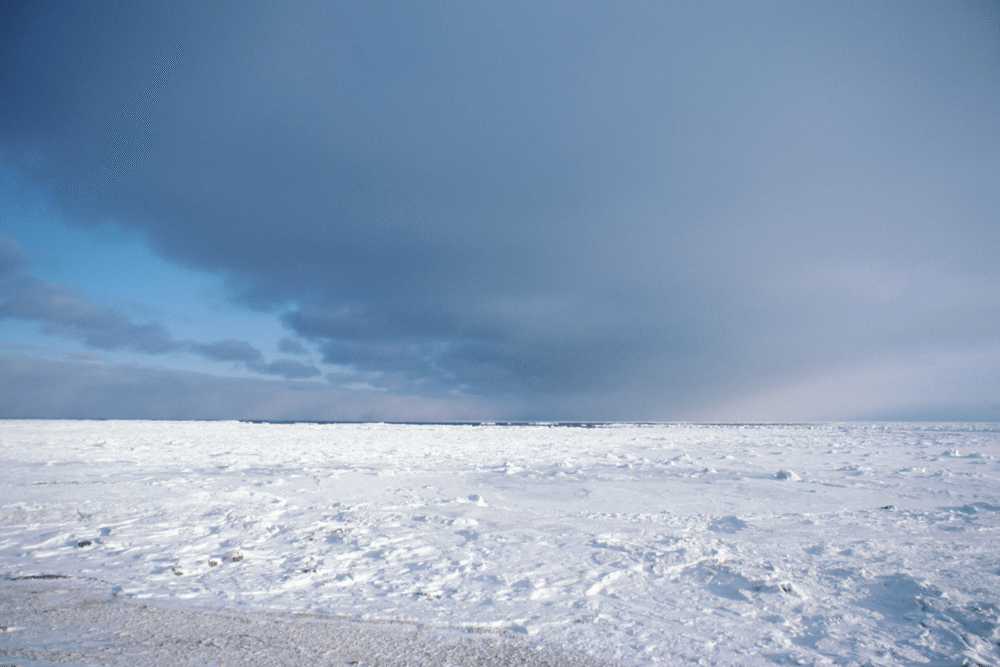
During the last Ice Age, global sea levels were hundreds of feet lower, exposing a massive land bridge between Siberia and Alaska called Beringia. This tundra-like landscape may have supported humans, animals, and vegetation for thousands of years.
The traditional theory held that once glaciers retreated, people crossed into North America through an inland route. However, this new study suggests that Beringia may have been just one of several staging areas for different waves of migrants — not the sole gateway to the continent as once believed.
7. Why the Old Model No Longer Fits
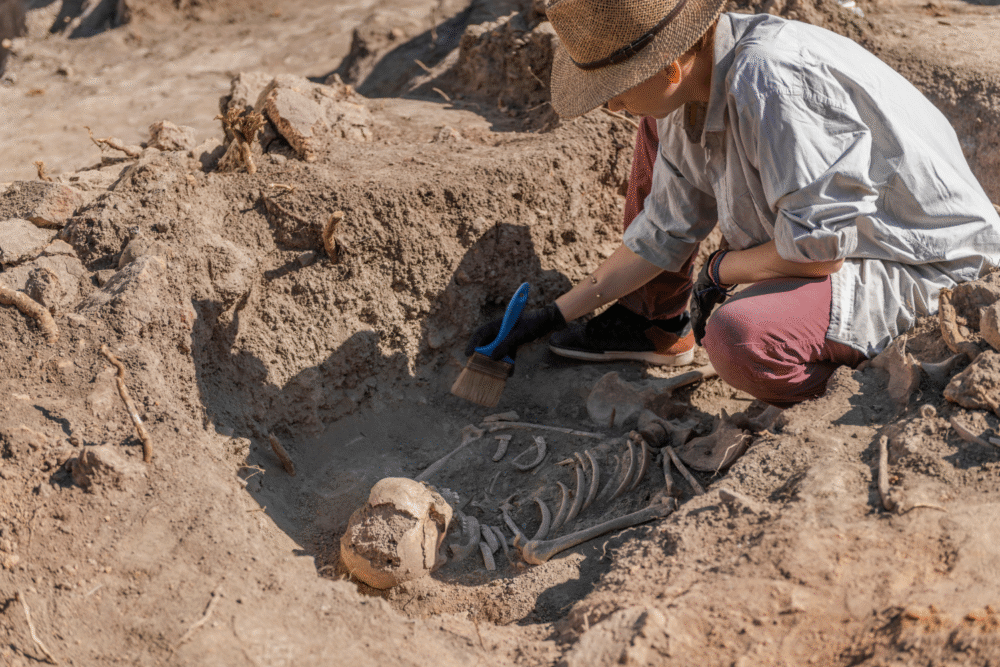
As more archaeological sites are dated with advanced methods, the timeline for human presence in the Americas keeps getting pushed back. Artifacts from sites like Monte Verde in Chile and White Sands in New Mexico predate the supposed opening of the ice-free corridor by thousands of years.
These discoveries make it nearly impossible to explain all early settlements with a single Siberian migration. The new evidence forces scientists to consider that multiple groups — arriving at different times and by different routes — collectively shaped the genetic and cultural diversity seen in early America.
8. The Role of Climate in Ancient Migration
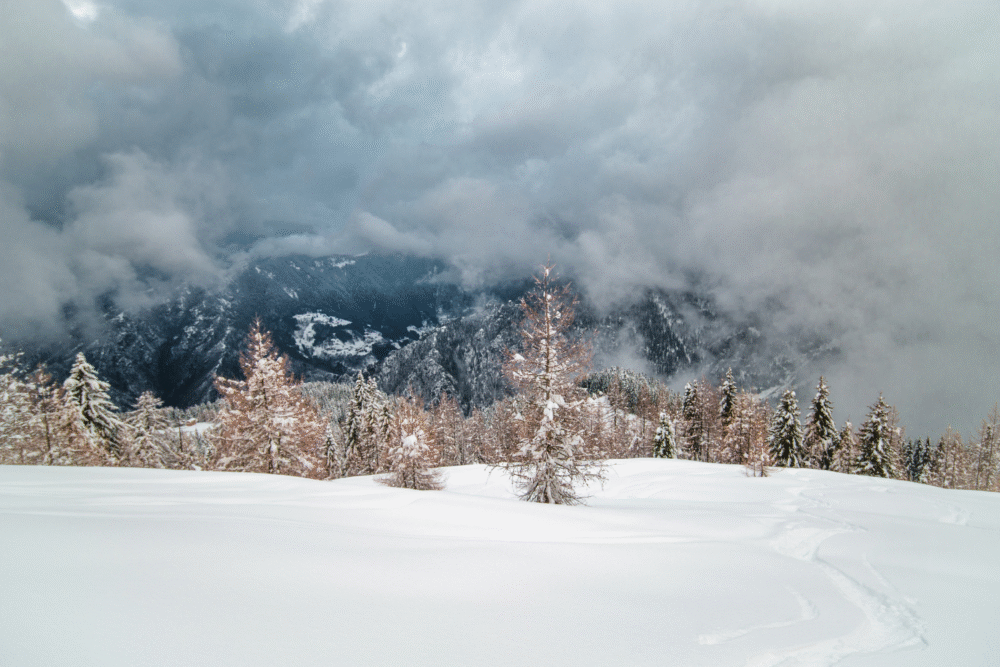
Climate played a critical role in shaping human movement across Ice Age landscapes. Shifting glaciers, changing coastlines, and fluctuating temperatures created windows of opportunity — and danger — for migration.
The new study highlights how certain populations may have moved along the coast when ice sheets temporarily receded, while others may have remained trapped in isolated regions like Beringia for centuries. Understanding these environmental dynamics is key to piecing together how separate populations found their way into the Americas over thousands of years.
9. Cultural Clues from the Archaeological Record
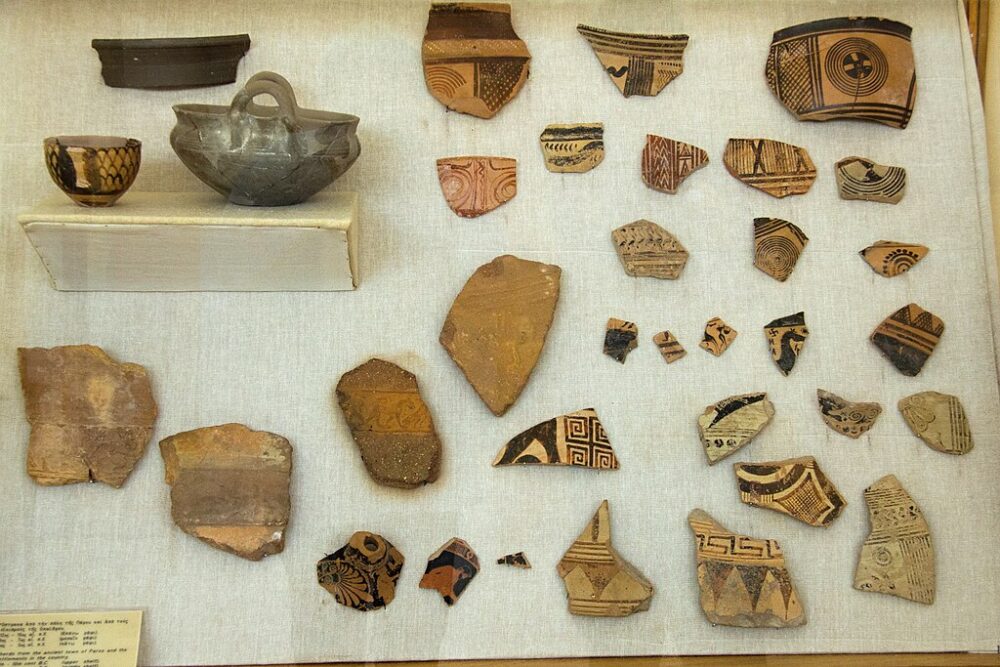
Beyond DNA, archaeologists point to differences in stone tools, pottery, and art across early North and South American sites. These variations suggest independent traditions, rather than a single cultural lineage spreading from north to south.
Distinct toolmaking styles in Alaska, Mexico, and South America, for example, appear to have developed separately — supporting the idea of multiple founding populations. Each wave of migrants may have brought unique technologies and adapted them to local environments, creating the incredible cultural diversity seen across ancient America.
10. The Debate Among Scientists

Not everyone agrees with the new interpretation. Some archaeologists argue that genetic variation could have developed after migration rather than before it, meaning the data might not prove separate origins. Others warn that too few ancient DNA samples exist to draw firm conclusions.
Still, the evidence is mounting that the “one-wave” theory is oversimplified. As new discoveries continue to emerge from Arctic tundra and South American caves alike, even skeptical researchers admit that the peopling of the Americas may be far more complex than anyone realized.
11. How Indigenous Knowledge Fits Into the Story

Modern scientists are increasingly turning to Indigenous oral histories for context. Many Native traditions describe ancient migrations, coastal journeys, and ancestral homelands that differ from the Beringia narrative. These stories, passed down for generations, may hold clues science has only recently begun to uncover.
Researchers collaborating with Indigenous communities hope to merge genetic, archaeological, and cultural evidence into a more complete picture. The goal is not to “rewrite” Native history, but to understand it on its own terms — blending modern discovery with ancestral memory.
12. A New Origin Story for the Americas
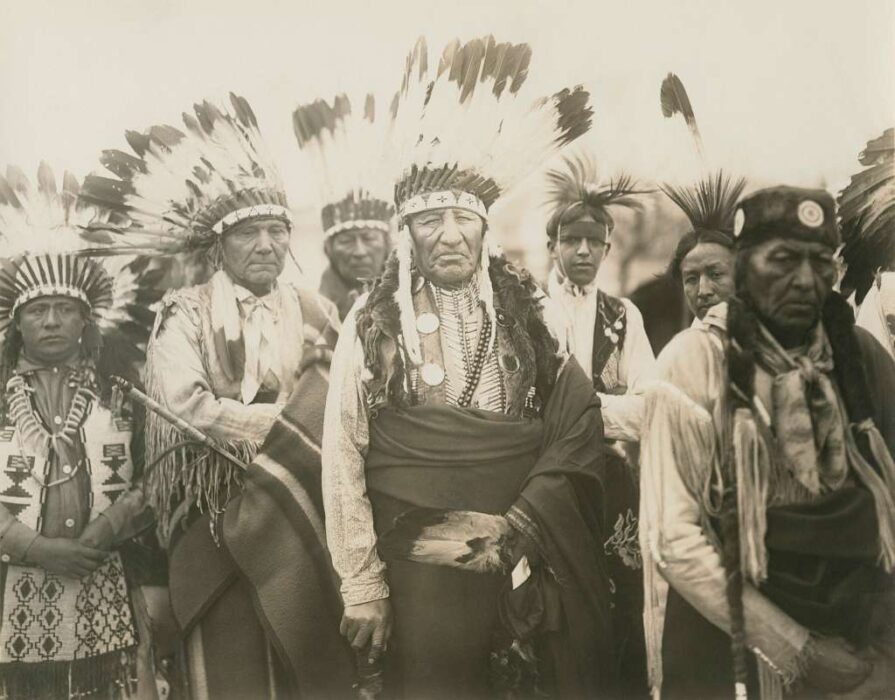
The emerging view is that the Americas were peopled not by a single migration, but by several waves of ancient explorers separated by time, geography, and climate. Some arrived via land bridges, others by sea, and still others may have come from unexpected directions.
This new understanding transforms what we thought we knew about early human history. It paints the Americas not as an isolated endpoint, but as part of a broader global story — one of exploration, adaptation, and resilience that began long before recorded history and continues to evolve with every discovery.