
Hoarding isn’t about stuff—it’s about what’s breaking inside.

You might think it’s just a messy house—but what if it’s something far more serious? Hoarding isn’t just about having too much stuff or being a bit disorganized. If you’ve ever walked into someone’s home and felt like the walls were closing in from all the piles, odds are you sensed something deeper was going on. And you’d be right. When the clutter starts to take over every inch of space, it’s often not just a housekeeping issue—it’s a window into someone’s mental state unraveling behind the scenes.
You can’t always spot a breakdown by looking at someone’s face, but their surroundings might be screaming the truth. If you’ve ever watched a loved one live this way—or maybe you’re starting to see those signs in yourself—it’s important to know this behavior isn’t just eccentric or lazy. It’s a red flag. And ignoring it could mean missing a serious cry for help.
1. You notice their stuff has taken over every single room in the house.
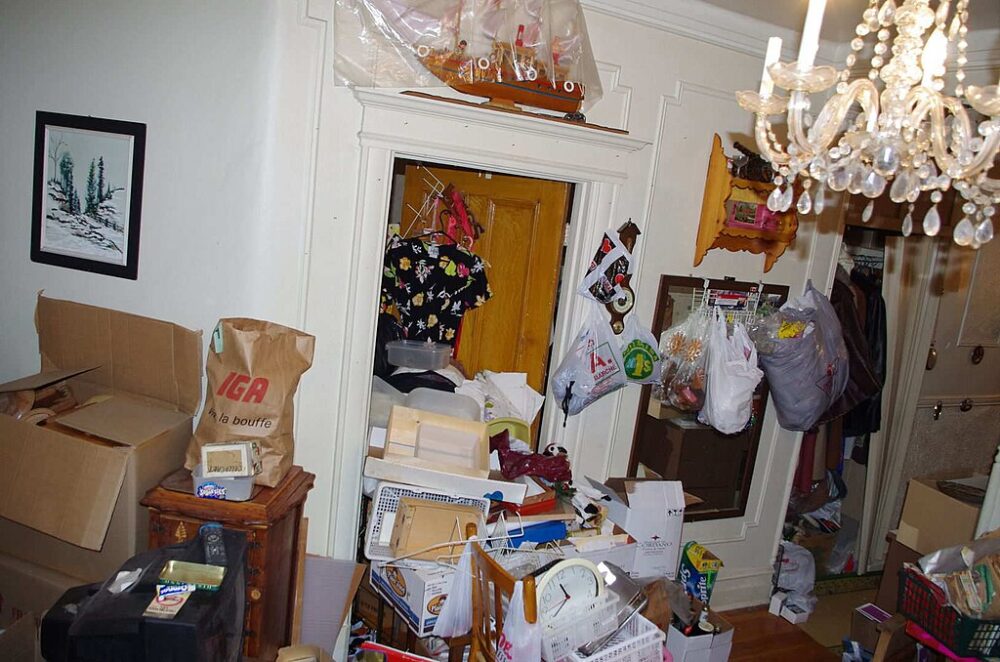
It’s not just the garage or a spare closet—it’s the kitchen counters, bathroom floor, dining table, and every other surface you can see. You go to sit down and have to move three stacks of old newspapers and a broken lamp just to make space. When clutter starts replacing furniture, that’s a massive red flag. It usually means the person can’t make decisions about what to keep or toss—and that overwhelm is showing up in the piles, according to experts at the Mayo Clinic.
You might hear them say, “I’ll get to it later,” but later never comes. This isn’t about being too busy to tidy up. It’s often rooted in anxiety, depression, trauma, or all three. And while it’s tempting to brush it off as eccentricity, what you’re really seeing is someone who feels completely out of control and is using stuff as a shield from their inner chaos.
2. They get visibly anxious or angry when you touch or move their belongings.

You reach for an empty pizza box to throw it away, and suddenly they snap. Or they seem panicked and beg you not to touch anything. That reaction may feel out of proportion, but it’s a big indicator something deeper is going on. People who hoard often attach intense meaning or comfort to their things—even the ones that seem like trash to everyone else, note experts at the Hoarding Connection of Cuyahoga County in an article for BenRose.com. Moving one item can feel like a betrayal, or like you’re threatening their sense of safety. It’s not about the object itself; it’s about the control they think they have over it.
That emotional reaction can be jarring, especially if you’re just trying to help. But it’s a sign that their connection to the clutter isn’t logical—it’s emotional, and sometimes even compulsive. This defensiveness usually means they know something’s wrong but don’t feel ready—or able—to face it just yet.
3. Their relationships are falling apart, and clutter is the third wheel.

When people start avoiding friends or family because they’re embarrassed about the mess, it’s more than just untidiness—it’s isolation. Hoarding can quietly destroy relationships. Invitations stop. People stop visiting. Says Amy Marturana Winderl, C.P.T. writing for Self Magazine, they pull away because they don’t want anyone to see how bad it’s gotten. Or maybe they get defensive when someone expresses concern. That withdrawal creates a bubble, and within that bubble, the hoarding grows unchecked. It’s like the stuff becomes a stand-in for human connection.
The more things pile up, the more people disappear. And even if they don’t push others away directly, the environment makes real connection nearly impossible. Imagine trying to have a meaningful conversation in a room packed with garbage bags and old magazines. The clutter doesn’t just fill space—it builds walls, and those walls become harder and harder to tear down.
4. They insist they’ll clean it all up soon—but they never do.

You’ve heard the promises before. “I’ve got a plan this weekend.” “I just need a few more storage bins.” But somehow, nothing ever changes. That cycle of denial is classic in someone who’s spiraling into hoarding. They truly believe they can fix it—just not today. And to be fair, they may even want to fix it. But the truth is, they feel so overwhelmed by the mess (and their emotions) that the idea of starting feels impossible. So they stall. They talk about cleaning without ever lifting a finger.
That repeated delay isn’t laziness. It’s fear and shame disguised as procrastination. They might be terrified of what it means to let go of their things—or of having to face how far gone things have gotten. But if the clutter is getting worse and the excuses keep piling up, it’s not just clutter. It’s a warning.
5. They keep things that are broken, rotting, or completely unusable.
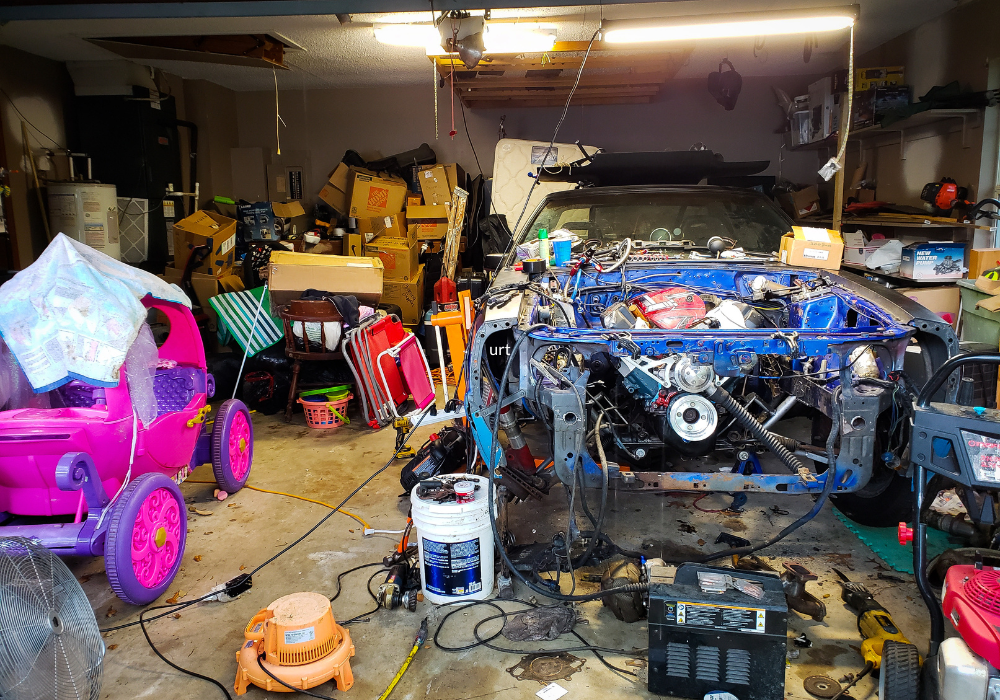
We’ve all kept a sentimental item or two, but when someone holds on to a moldy chair, bags of expired food, or electronics that haven’t worked in a decade, that’s something else entirely. Hoarding isn’t about collecting cool stuff—it’s about an inability to distinguish what’s worth keeping.
When the “just in case” logic takes over, anything becomes worth saving. A broken toaster might seem like a project, even if it’s been gathering dust for five years. A torn T-shirt becomes irreplaceable. The fear of needing it later overrides the reality that it’s garbage now. That mindset shows just how much anxiety is driving their behavior. It’s not about the object—it’s about control, fear of waste, or even a belief that they’ll lose a part of themselves if they throw it out. Once trash becomes treasure, something deeper is clearly going on.
6. Their health and safety are clearly being affected by the mess.

At some point, the clutter stops being a nuisance and starts becoming downright dangerous. Maybe they’ve tripped over piles of clothes, or the stove is buried and unusable. Mold, dust, and pests may be taking over, and it smells like something died under the couch. This isn’t just a gross inconvenience—it’s a legitimate health hazard. When someone’s living space becomes unsafe or unlivable, it’s a glaring sign they’ve lost control. What’s more heartbreaking is that they often stop noticing—or caring. They might say it’s “not that bad,” even as they navigate narrow walkways or use a space heater because the vents are blocked.
When someone’s environment becomes toxic, it usually reflects their mental state. And no one deserves to live that way—even if they say they’re fine. It’s not just a dirty house. It’s a cry for help written in dust and danger.
7. They obsessively shop for things they don’t need and never use.

If someone’s constantly bringing home bags of new stuff—craft supplies, gadgets, thrift-store finds—but never actually opens or uses them, that’s a flashing red light. The thrill of buying often fills an emotional void, especially for someone struggling with anxiety, grief, or trauma. Shopping gives a temporary high, a sense of purpose, or a momentary illusion of control.
But when those items start piling up unopened, you’re not looking at retail therapy—you’re looking at an addiction. The stuff becomes a distraction from pain, and soon, the house fills with unfulfilled promises. You might hear them say, “I’m going to start a project,” or “I’ll donate this later,” but nothing ever happens. Instead, the piles grow. That constant accumulation is rarely about greed—it’s about trying to feel better, even if only for a moment. And it’s usually a big clue that someone is hurting far more than they’re letting on.
8. They live in denial about how bad things have actually gotten.

You walk into a house filled to the ceiling with boxes and trash, and they look you in the eye and say, “It’s not that bad.” That’s not a quirky opinion—it’s flat-out denial. And it’s one of the strongest indicators of a serious problem. People dealing with hoarding often lose the ability to see their environment for what it really is.
The mess becomes normal, even comforting. They’ll come up with justifications: “I’m just busy,” “It’s organized chaos,” or “I know where everything is.” But deep down, they’re avoiding the crushing guilt, shame, and fear that would hit if they admitted the truth. Denial is a form of self-protection, but it also keeps them stuck. They can’t get help if they don’t think they need it. So if someone’s home is falling apart and they genuinely can’t see it, it’s not stubbornness—it’s a sign of emotional overload.
9. They’re extremely secretive or ashamed when anyone brings up their living situation.

If someone always makes excuses about why you can’t come over—or avoids the topic entirely—it’s usually not because they’re shy. It’s because they’re hiding something. Shame is a huge part of hoarding. People know their homes aren’t “normal,” and that knowledge eats away at their self-worth. They might joke about the mess or deflect with sarcasm, but behind that is deep embarrassment and fear of judgment.
They might be terrified that if anyone really sees their space, they’ll be rejected or ridiculed. So they isolate. They stop hosting holidays, cancel plans, and slowly disappear from social circles. That secrecy doesn’t come from pride—it comes from pain. And the more someone hides, the worse the situation often becomes. If a person you care about avoids all conversation about their home or gets emotional when it’s mentioned, don’t ignore it. That silence is trying to tell you something.
10. They break down emotionally when faced with the idea of getting rid of anything.

You suggest donating some clothes or tossing out an old box, and suddenly they’re in tears. That kind of emotional collapse over small decisions is a powerful signal. For someone dealing with hoarding, every item carries weight—sometimes literal, sometimes symbolic. Throwing something away can feel like erasing a memory, losing control, or even letting go of part of their identity. It’s not about the object—it’s about the fear, grief, or trauma it’s tied to.
When the idea of decluttering brings on panic, sobbing, or anger, it’s a sign they’re emotionally overwhelmed and possibly in crisis. It’s easy to assume they’re just stubborn or dramatic, but what you’re really witnessing is someone whose internal world is too heavy to unpack. That reaction isn’t about cleaning—it’s about survival. And if letting go of trash causes real suffering, it’s time to stop seeing it as a mess and start seeing it as a mental health emergency.