
Park experts warn that one common material can trap moisture and rapidly increase your risk of hypothermia.

Yellowstone National Park in winter is one of the most spectacular places in the country, offering steaming geysers, quiet snow-covered valleys, and wildlife that’s far easier to spot in the cold. But park experts warn that visitors must prepare carefully for extreme temperatures, rapidly changing weather, and deep snow. One of their most important safety reminders is to avoid wearing cotton, a fabric that becomes dangerously cold when wet. Understanding why this matters—and how to dress properly—can make the difference between a safe winter adventure and a risky situation.
1. Cotton Holds Moisture and Loses Heat Rapidly

Park staff emphasize that cotton absorbs sweat and melting snow easily. Once wet, cotton takes a long time to dry, which causes heat to pull away from the body much faster than normal. This dramatic loss of warmth can quickly put visitors at risk in freezing temperatures.
Researchers note that even light physical activity can generate enough sweat to dampen cotton clothing. When cold air hits that moisture, body heat drops sharply. This is why outdoor safety experts often use the phrase “cotton kills” when describing winter risks in national parks.
2. Yellowstone’s Winter Temperatures Can Be Extreme
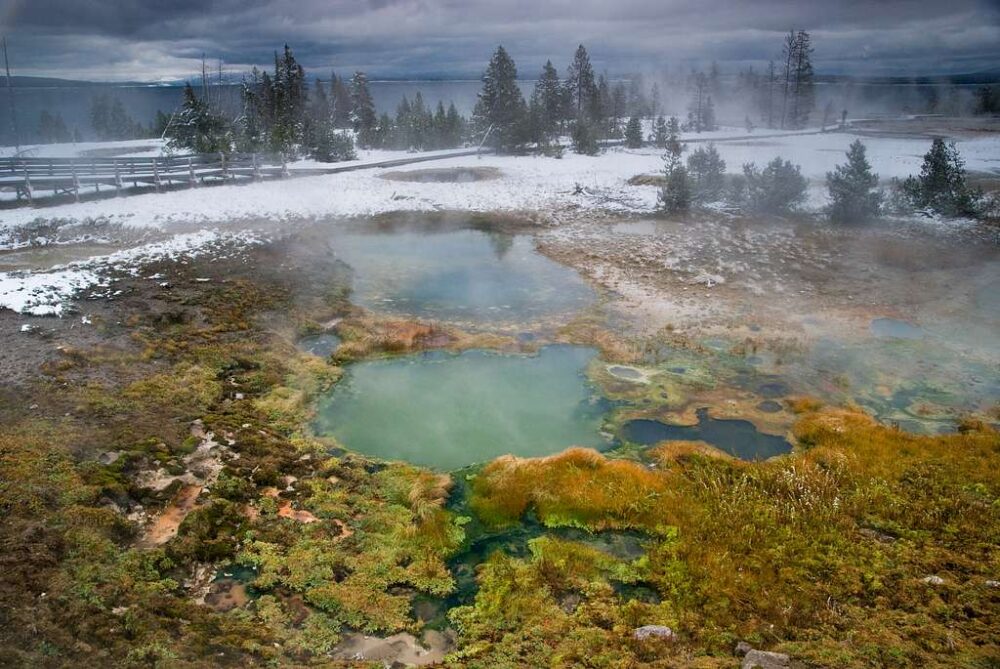
Winter temperatures in Yellowstone often fall well below freezing, with some areas experiencing subzero conditions for days at a time. Cold snaps can arrive suddenly, turning a pleasant outing into a hazardous situation with little warning.
Because of these conditions, clothing that fails to insulate when wet becomes especially dangerous. Rangers caution that visitors who are prepared for moderate cold may still underestimate how quickly severe temperatures can arrive or how hard they can be to escape once deep in the park.
3. Snow, Steam, and Sweat Make Staying Dry Difficult

Yellowstone’s winter environment creates several ways for clothing to get wet. Steam from geysers settles on fabric, melting snow falls from trees, and sweat builds during snowshoeing or hiking. Even small amounts of moisture trapped in clothing can amplify heat loss.
This combination means cotton becomes a liability in moments. Park experts recommend visitors choose fabrics that wick moisture away from the skin and dry quickly, reducing the chances of dangerous cooling during long outings.
4. Synthetic Layers Provide Critical Warmth and Protection

Rangers advise wearing synthetic materials like polyester or nylon because they wick moisture and retain warmth even when damp. These fabrics help regulate body temperature by pulling sweat away from the skin before it can cause chilling.
Synthetic base layers and mid-layers are especially important for activities like skiing or hiking, when the body generates heat and moisture. Visitors who dress in synthetics typically stay warmer, drier, and safer throughout the day.
5. Wool Remains One of the Best Materials for Winter Conditions

Wool is another top choice for Yellowstone’s winter conditions. Unlike cotton, wool fibers trap heat efficiently and continue insulating even when wet. Many hikers and backcountry travelers rely on wool socks, base layers, and sweaters for dependable warmth.
Park experts note that wool also resists odors and dries more quickly than cotton, making it a versatile option for multi-day trips. Its natural ability to regulate temperature helps visitors stay comfortable in fluctuating weather.
6. Layering Is Essential for Yellowstone’s Changing Weather

Rangers stress that properly layering clothing is one of the best defenses against cold. A moisture-wicking base layer, warm middle layer, and protective outer shell work together to keep heat in and snow out. This system allows visitors to adjust as temperatures rise or fall.
Even with ideal fabrics, poor layering can leave gaps in warmth or encourage sweating. Park staff remind visitors to remove or add layers as needed to maintain a comfortable body temperature without overheating.
7. Frostbite and Hypothermia Can Develop Quickly

Cold-related injuries are a real risk in Yellowstone’s winters. Frostbite can occur on exposed skin within minutes during severe cold, and hypothermia can develop when the body loses heat faster than it can produce it. Wet clothing accelerates both risks.
Recognizing symptoms early—such as numbness, confusion, or persistent shivering—helps prevent serious consequences. Proper clothing choices dramatically reduce these dangers and allow visitors to explore safely for longer periods.
8. Weather Can Shift Suddenly in the Park

Yellowstone’s geography creates rapid changes in weather. Clear skies can quickly give way to snow, strong winds, or temperature drops. Because visitors often travel miles from their vehicle, being caught unprepared can be hazardous.
Wearing fabrics that stay warm even when damp gives visitors a vital margin of safety in unpredictable conditions. Rangers emphasize that preparation for sudden shifts is just as important as planning the day’s route.
9. The Right Gear Helps Keep You Safe and Comfortable

Beyond clothing, high-quality winter gear improves both safety and enjoyment. Waterproof boots, insulated gloves, gaiters, and a wind-resistant jacket help protect against snow and wind. Using trekking poles or snowshoes adds stability on icy terrain.
Combined with moisture-wicking and insulating fabrics, proper gear reduces fatigue and lowers the risk of accidents. Park experts say that visitors who arrive well-equipped typically have far better experiences in Yellowstone’s harsh winter climate.
10. Planning Ahead Ensures a Safe Winter Adventure

Rangers encourage visitors to check trail conditions, weather forecasts, and safety guides before entering the park. Learning what to expect—and dressing appropriately—helps prevent emergencies and allows travelers to enjoy Yellowstone’s extraordinary winter scenery.
Avoiding cotton is a simple but powerful step in staying safe. By choosing wool or synthetic layers and preparing for a range of conditions, visitors can explore the park’s geothermal features, wildlife, and snow-covered landscapes with confidence.