
The intersection of ancient wisdom and cutting-edge technology is revolutionizing patient care.
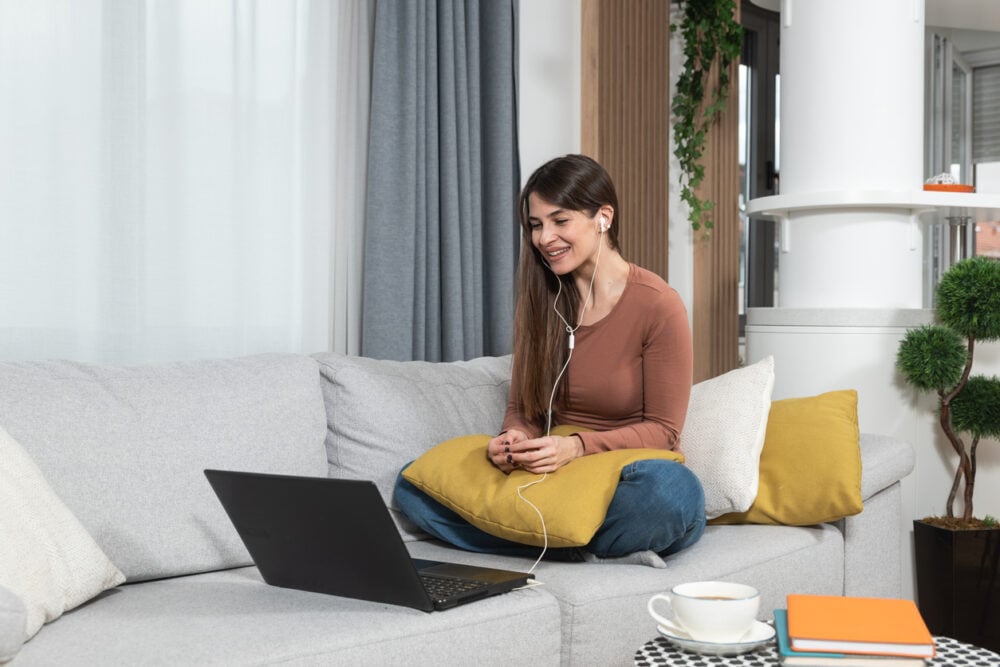
The healthcare landscape is undergoing a seismic shift as virtual holistic medicine emerges from the fringes into the mainstream. Gone are the days when alternative therapies required in-person visits to practitioners operating outside conventional medical systems. Today’s digital platforms are creating unprecedented access to integrative care that combines traditional healing modalities with modern medicine.
Patients are discovering they can consult with naturopaths, acupuncturists, functional medicine doctors, and nutritionists without leaving their homes. This virtual revolution isn’t just making holistic care more convenient—it’s fundamentally altering how we think about wellness by emphasizing prevention, personalization, and patient empowerment. The integration of wearable technology, AI diagnostics, and telehealth has created a perfect storm that’s propelling holistic medicine into a new era of legitimacy and accessibility.
1. Rural patients can now access big-city practitioners from anywhere.
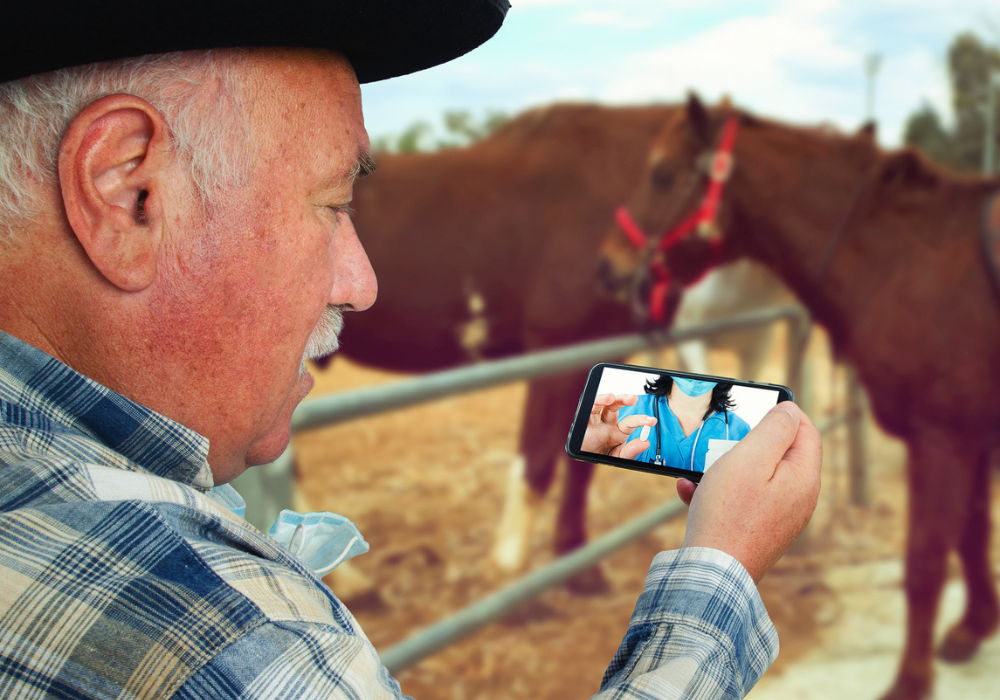
For decades, patients seeking holistic healthcare faced a geographical lottery. If you lived in a rural area or small town, finding a functional medicine doctor or Ayurvedic practitioner often meant traveling hundreds of miles or simply going without. According to a study published in the Journal of the American Board of Family Medicine, telehealth has significantly improved healthcare access in rural communities, reducing travel burdens and increasing appointment adherence. This disparity created a two-tiered system where comprehensive integrative care was the privilege of urban dwellers. Virtual holistic medicine has begun to address these geographical barriers.
This increasing access is particularly meaningful for those with chronic conditions who previously had to choose between relocating for better care or managing with limited local options. Various telehealth platforms are creating networks of practitioners who can collaborate on treatment plans regardless of location, bringing holistic care options to communities that have historically had limited access.
2. AI helps practitioners spot patterns in your health data.
The combination of AI and holistic medicine is creating new possibilities in how practitioners can identify connections between seemingly unrelated symptoms. As reported in the National Library of Medicine, many functional medicine platforms now employ algorithms that can analyze various health data points, potentially revealing patterns that might be challenging for human practitioners to recognize alone. Companies offering health analytics are leveraging machine learning to help transform health data into more personalized wellness suggestions.
Computational assistance doesn’t replace practitioner expertise, but rather supplements it, potentially allowing for more personalized approaches to complex conditions. For patients who have spent years seeking answers for persistent health issues, these technology-enhanced consultations might offer new perspectives on their health challenges.
3. Wearables turn passive patients into active health partners.

The days of patients receiving care only during occasional office visits are evolving. Today’s virtual holistic medicine increasingly incorporates wearable devices that can monitor factors like heart rate variability, sleep patterns, activity levels, and even stress indicators, as noted in a 2024 Cureus study.
This ongoing data collection is changing the practitioner-patient relationship, creating more continuous conversations about health rather than just periodic check-ins. Patients using health tracking platforms can observe how dietary choices might affect their metrics or how relaxation practices might impact their sleep quality. Their virtual practitioners can review this data remotely, suggesting adjustments to health plans without requiring additional appointments.
A feedback loop can help accelerate learning and build greater body awareness. The combination of objective measurements and subjective experience creates a more complete picture of someone’s health than was previously possible with occasional office visits alone.
4. Some major medical centers now offer virtual integrative medicine options.
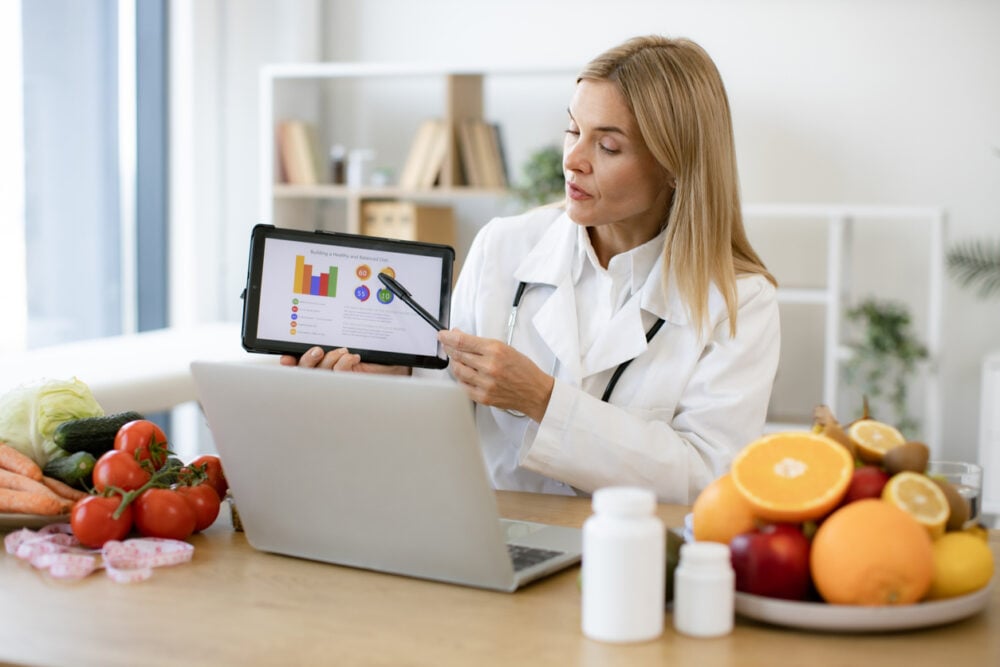
The traditional boundaries between conventional and complementary medicine are softening as some medical centers establish virtual integrative medicine services. Several respected health institutions now offer telehealth consultations with practitioners who specialize in integrative approaches, nutritional therapy, and mind-body interventions. This evolving approach represents a gradual shift in how some medical establishments are viewing complementary approaches.
These virtual services can serve multiple purposes within healthcare systems. They may provide additional care options, respond to patient interest in holistic approaches, and sometimes serve as complementary resources alongside conventional treatments when appropriate. Some healthcare centers report that these programs may help improve patient satisfaction and support management of certain chronic conditions.
5. Early research suggests virtual mind-body therapies show promise.
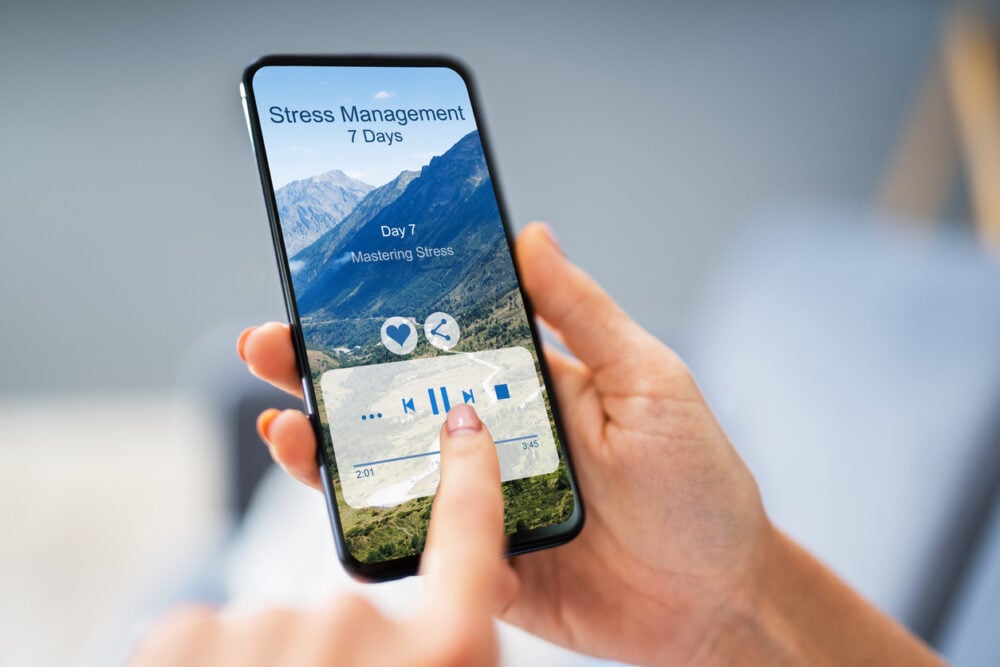
Conventional wisdom once held that therapeutic modalities like meditation instruction, guided imagery, and cognitive behavioral therapy required face-to-face interaction to be effective. However, emerging research suggests that virtual delivery of some mind-body interventions might be comparable to traditional in-person sessions for certain conditions, though more studies are needed to fully understand their effectiveness.
There are several potential reasons for the preliminary positive results. Patients practicing mind-body techniques in their home environments might experience less anxiety than in clinical settings. Virtual sessions eliminate travel time, allowing patients to transition directly from a session into rest. Apps focusing on mindfulness have introduced engaging formats for mind-body practices, potentially creating consistency that weekly in-person sessions might not provide.
Virtual delivery also enables more frequent, shorter interventions that might better match how behavioral changes develop. For some people with stress-related conditions, this approach to mind-body medicine shows promising early results, though individual responses vary considerably.
6. Environmental health monitoring enriches virtual care options.

The emerging field of environmental health—which explores how surroundings affect wellbeing—is finding synergies with virtual care models. By combining telehealth consultations with home monitoring devices that track factors like air quality, humidity levels, and other environmental metrics, practitioners can now consider environmental factors that might have been overlooked in traditional settings. Several companies produce consumer environmental monitors that can provide data to telehealth platforms, potentially helping practitioners correlate symptom patterns with specific exposures.
For example, a patient experiencing unexplained fatigue might discover through monitoring that their bedroom has elevated particulate levels, or that their office has ventilation issues affecting air quality. This approach could be particularly helpful for those with sensitivities to environmental factors—conditions that conventional medicine sometimes struggles to fully address.
7. At-home testing expands personalized nutrition possibilities.

One-size-fits-all nutritional advice is gradually being complemented by more personalized approaches as virtual functional nutrition incorporates at-home testing options with individualized coaching. Patients can now mail in samples for microbiome analysis, food sensitivity testing, and other assessments, receiving reports that their virtual nutritionists might use to create more tailored dietary suggestions. This testing-coaching combination addresses a fundamental limitation in generalized nutritional guidance: the reality that bodies may respond differently to the same foods.
Through testing services, a virtual nutritionist might discover that commonly recommended foods create unexpected responses in particular individuals, or that some people’s biochemistry suggests different nutritional needs than standard recommendations. For those with digestive issues or food-related health concerns, this more precise nutrition approach delivered virtually may offer new insights where general recommendations haven’t resolved their concerns.
8. Herbal medicine incorporates modern delivery systems.

The ancient practice of herbal medicine has adapted to contemporary tools through virtual care models that combine practitioner guidance with efficient fulfillment systems. Virtual herbalists can conduct thorough consultations, develop personalized suggestions, and arrange for prepared formulations to be delivered directly to patients—streamlining the process of accessing plant-based health approaches.
Several platforms have created digital dispensary systems that allow for clear dosing recommendations, scheduled refills, and tracking of outcomes. This integration of traditional knowledge with modern quality standards addresses historical challenges of herbal medicine: consistency concerns and access limitations. The digital transformation of herbal approaches has particularly benefited people in areas where specialized herbal knowledge was previously difficult to access.
9. Virtual group sessions create supportive health communities.

The economics of healthcare is being reimagined through virtual group sessions that bring together people with similar health concerns for shared consultation, education, and mutual support. These group formats—typically involving small groups of patients for extended sessions—allow practitioners to provide specialized guidance to multiple people simultaneously while fostering valuable peer connections. Various telehealth platforms have developed secure virtual spaces where practitioners can guide groups through specific protocols, or where health coaches can work with multiple participants on lifestyle adjustments.
Early research suggests these group contexts may offer unique benefits for certain conditions, as participants gain insights from both professional guidance and others’ lived experiences. The more accessible price point of this model potentially opens integrative approaches to people who might find individual consultation costs prohibitive.
10. Genetic insights become more accessible through virtual consultations.

The specialized field of genomic health—which considers how genetic variations might influence individual health patterns—has become more widely available through virtual care models supported by advanced analytics. Patients can submit samples for genetic testing and receive virtual consultations that help translate complex genetic information into practical health insights without the substantial costs traditionally associated with specialized genetic counseling.
Several health platforms use analytical tools to evaluate genetic markers, identifying potential predispositions and personalized strategy options based on genetic variations. This approach might be particularly relevant for complex health situations where standard approaches haven’t provided adequate resolution. While genetic insights alone don’t determine health outcomes, they can offer additional perspectives that help shape more individualized approaches to wellbeing.