
New archaeological findings reveal the complex rituals and lavish ceremonies behind Viking death rites.
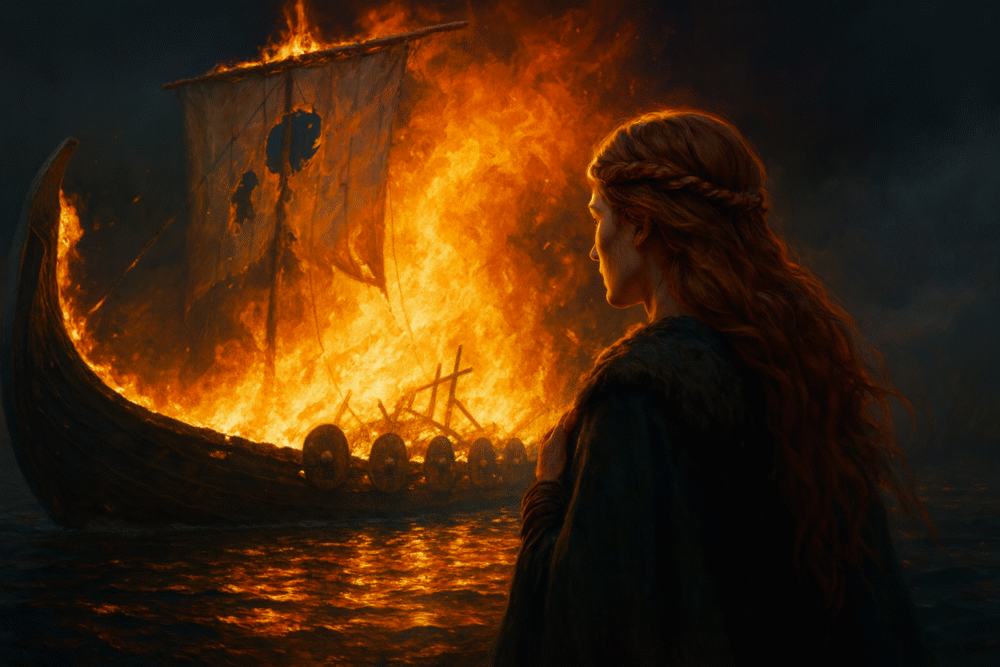
Far from the simple ship-burial scenes of popular culture, Viking funerals involved intricate rituals combining fire, water, grave goods and symbolic acts of passage. Recent excavations—such as those at Viking Age Orkney and Sweden—have uncovered lavish chambers, weapon offerings, and even sea-bound cremation ceremonies that hint at a deep belief in an afterlife worthy of great warriors. These discoveries provide new insight into how Scandinavians of the 8th–11th centuries honored their dead and what they believed awaited them beyond the grave.
1. Ship-Burial Rituals Symbolized a Final Voyage
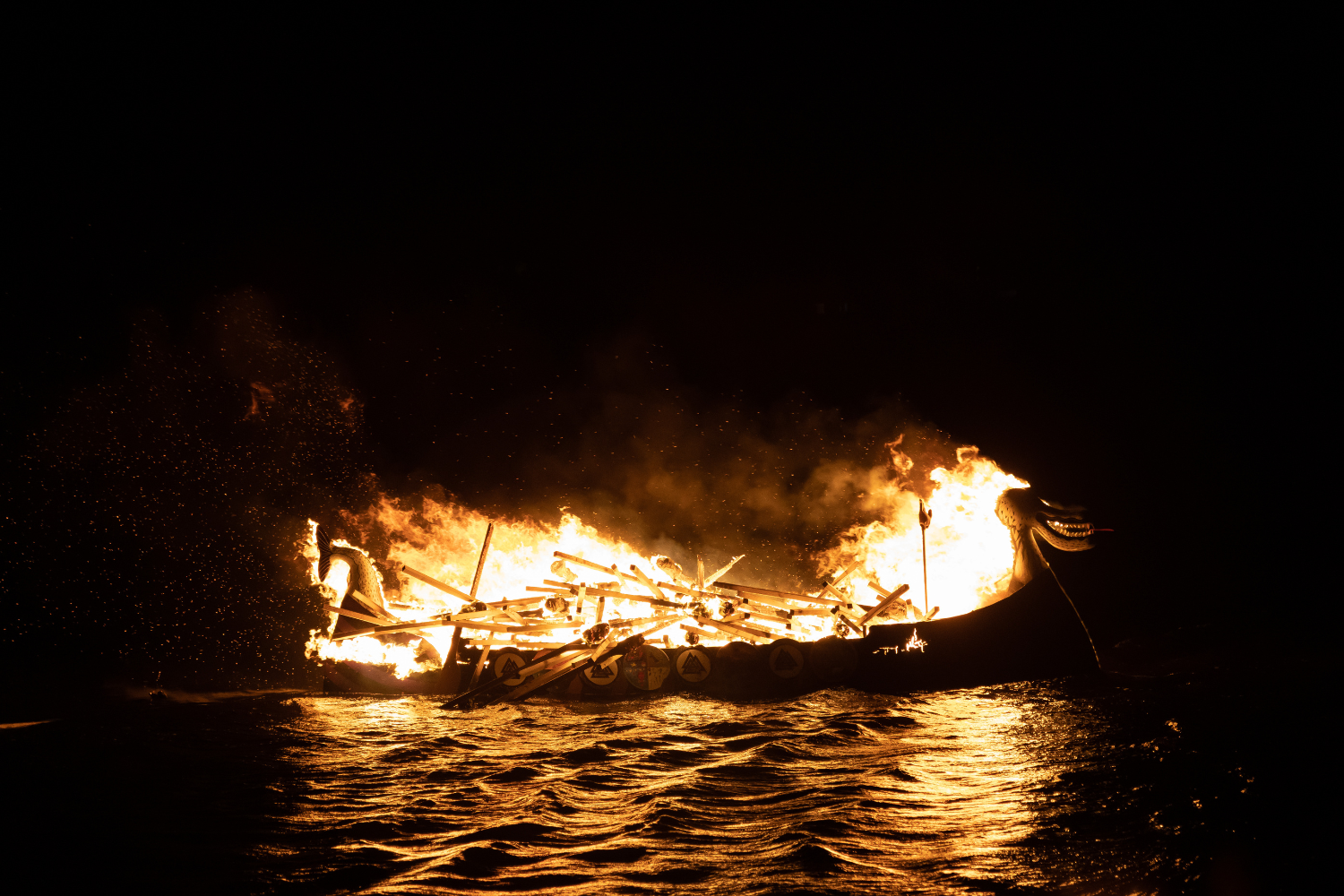
Some high-status Viking burials used full-sized ships, or symbolic boat settings, to send the deceased on their journey to the next world. The famous Oseberg ship burial in Norway, dated to 834 CE, contained a richly furnished Viking ship with two female remains and lavish goods.
Scholars believe the ship represented cosmic travel—transitioning from the land of the living across water to the domain of the dead. It underscores how Vikings viewed death not as an end, but as a meaningful beginning of another journey.
2. Cremation Played a Major Role in Viking Funerals
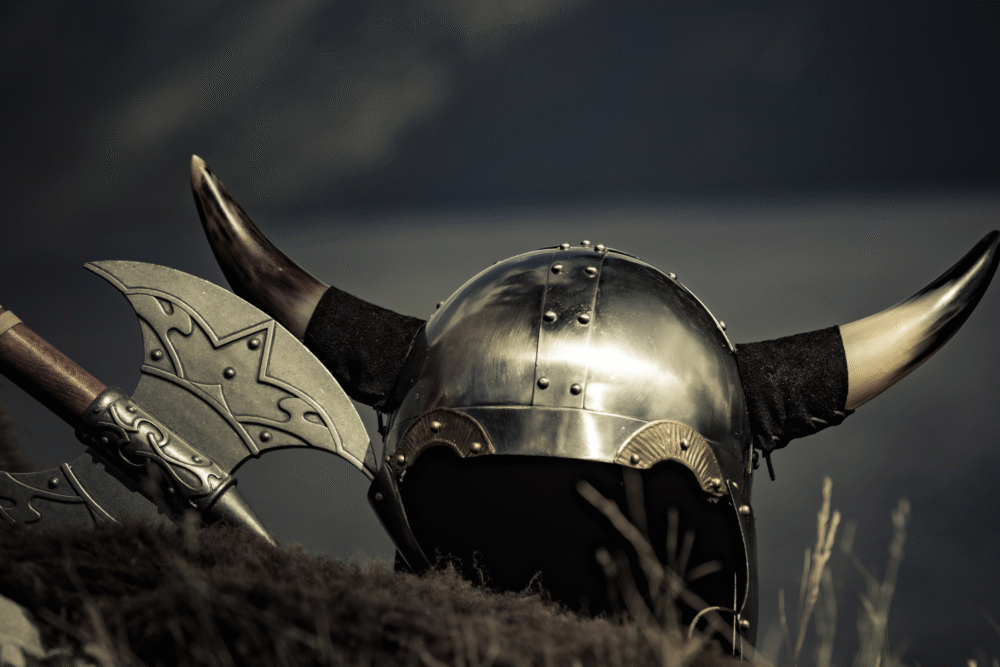
Many Viking funerals involved cremation on open-air pyres, after which the ashes were buried or placed in urns. For instance, excavations in Sweden found cremation pits accompanied by burned weapons and household items, illustrating ritual fire’s importance.
Cremation may have symbolized purification or release of the spirit. Combined with grave offerings, it implied a preparation for the afterlife—an essential component of Viking beliefs about death and legacy.
3. Grave Goods Were More Than Just Wealth Displays
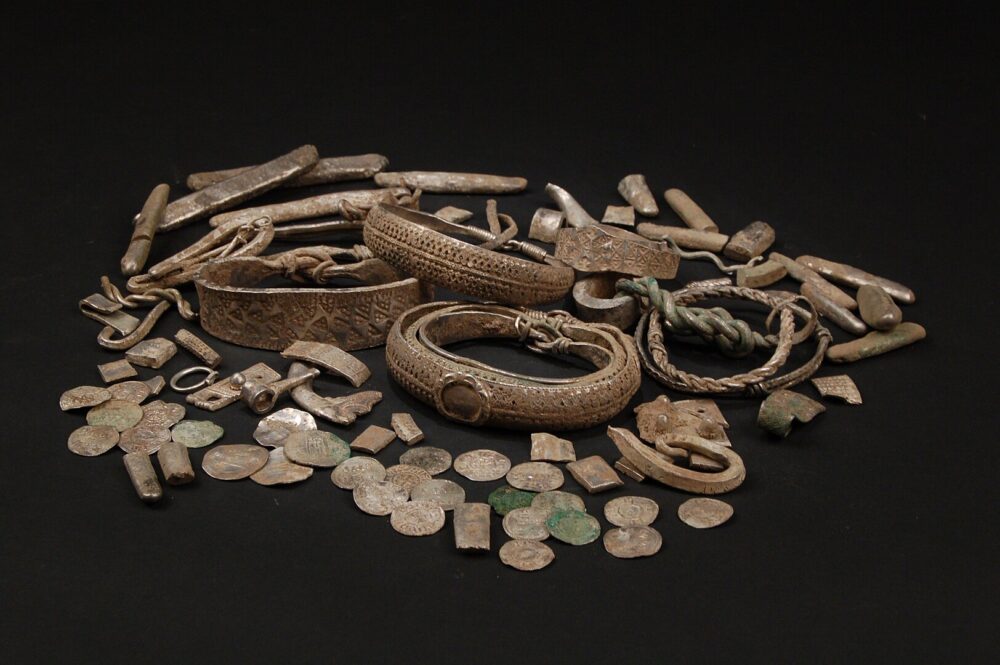
Viking burial sites frequently include weapons, jewelry, household items, and even animals—such as horses or dogs—indicating the deceased’s status and life role. For example, the Birka chamber grave in Sweden (≈ 900 CE) contained swords, gaming pieces, and a decorated wagon.
These goods were believed to accompany the dead into the afterlife, ensuring status and comfort in the next world. They also reflect how Vikings linked honor in life with honor in death.
4. Water and Sea Ceremony Highlighted Transition to Afterlife
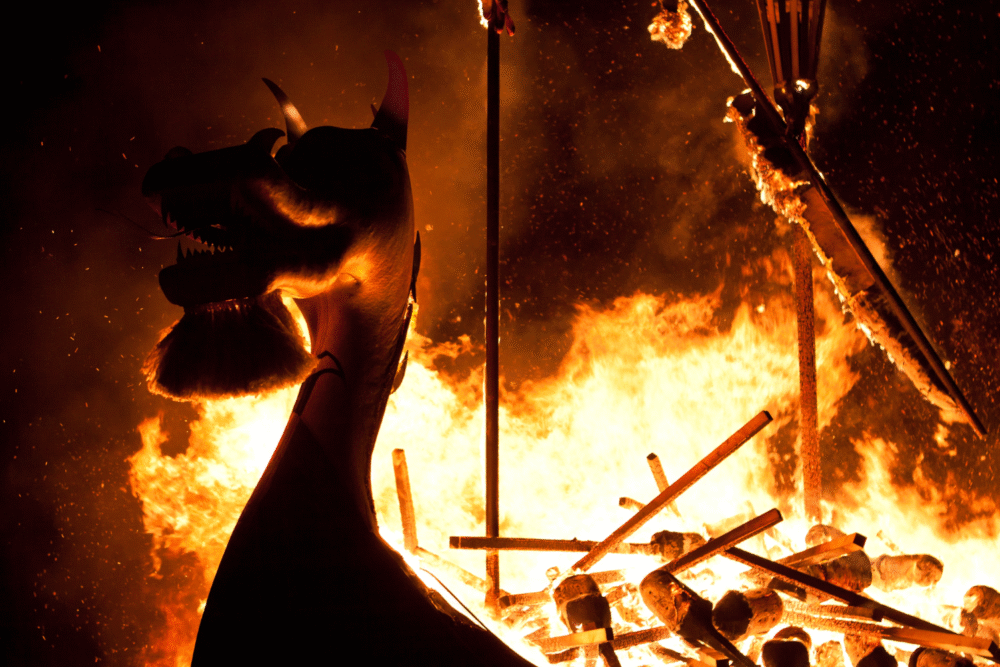
Some burials were held on or near water to symbolize the passage from life to afterlife—mirroring seafaring culture and belief in a mystical journey. The Gokstad ship burial (c. 895 CE) included a boat placed in a pit and covered—invoking both land and sea elements.
This blending of terrestrial and maritime ritual emphasizes how deeply Vikings connected their identity to the sea. It also suggests that death was seen as a voyage, not a destination.
5. Women Could Receive Lavish Viking Funerals Too
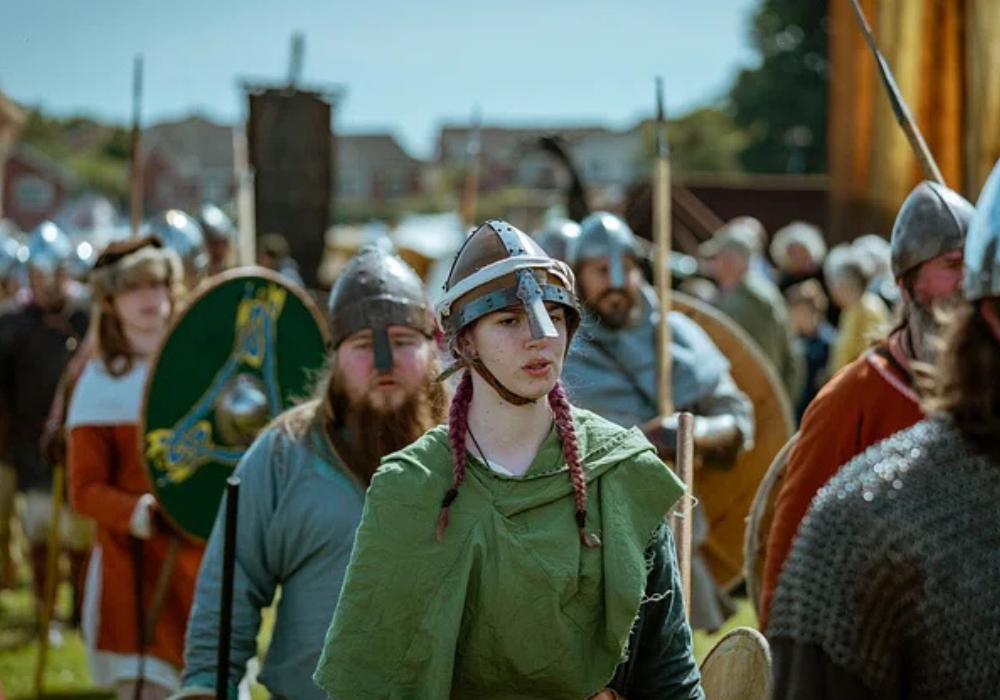
Archaeologists have demonstrated that high-status Viking women also received richly furnished burials, challenging older male-warrior centric narratives. The Oseberg ship burial, for instance, held two women alongside luxurious textiles, wooden carvings, and chairs.
These findings confirm that social status, not just gender, determined the complexity of funerary ritual. They broaden our understanding of Viking society and its beliefs about who deserved honored passage into the next world.
6. Rituals Included Symbolic “Doors” to the Next World

Some graves show evidence of ritual acts designed to mark the threshold between life and death—such as placed spears forming gateways or boats oriented east-west. The Mound of Fyrkat in Denmark (≈ 980 CE) includes a grave with aligned entrance spears suggesting symbolic passage.
These symbolic thresholds reflect a belief system in which death required preparation and staging, akin to breaking through into another realm. They show how Vikings used spatial symbolism in funerals.
7. Animal and Human Sacrifices Sometimes Accompanied the Dead

In certain elite burials, remains of sacrificed animals—and occasionally servants—have been found. The Sutton Hoo site in England (c. 625 CE) is often linked with early Norse culture and contains graves with animal remains and lavish goods.
While controversial and rare, these findings hint at a belief that certain funerals required companions for the afterlife. They underscore the ritual gravity with which Vikings treated death.
8. Fire and Smoke Were More Than Spectacle—They Were Sacred
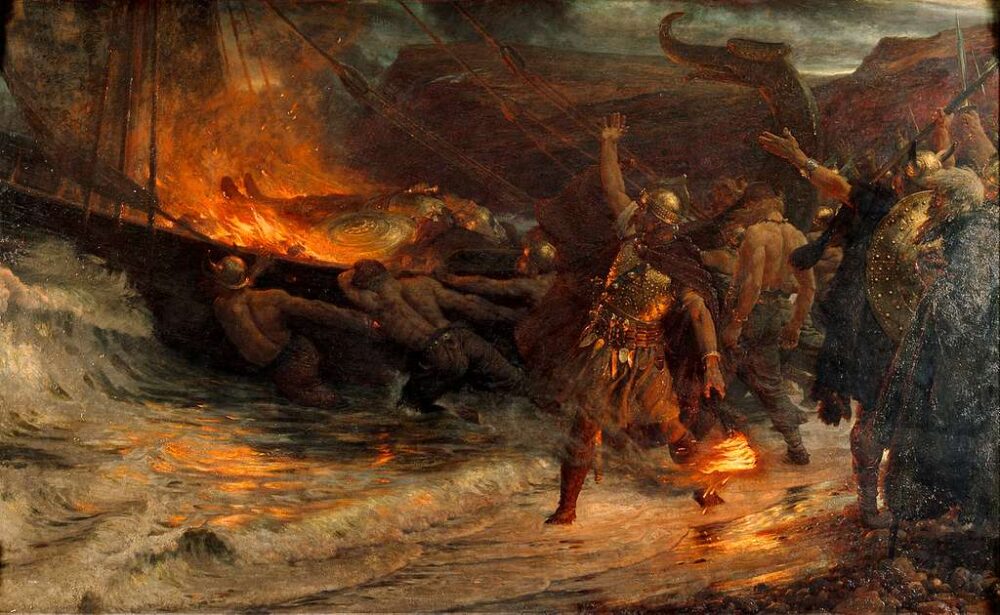
The intense flames of a funeral pyre served both practical and sacred purposes—consuming the body, releasing the spirit, and signaling the transition to others. Excavations of cremation mounds in Iceland (c. 1000 CE) show charcoal layers mixed with grave goods aligned to this belief.
Smoke rising from these sites likely communicated with the divine, while the rites helped conduct the deceased into the next world. This illustrates how ritual, theology, and physical action intertwined in Viking funerals.
9. Archaeology Shows Regional Variation Across the Viking World
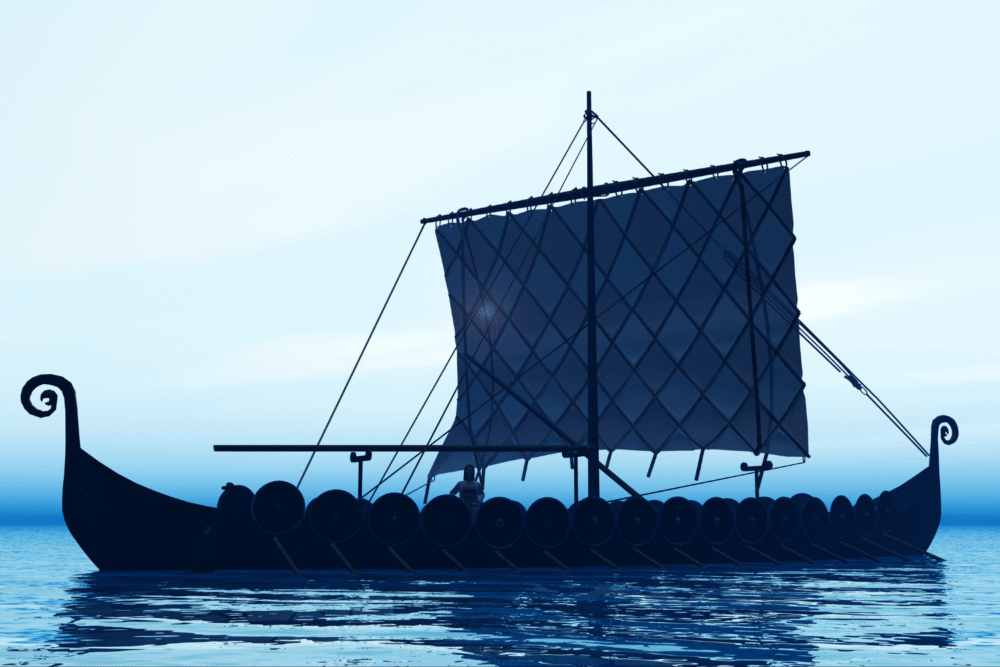
Funerary practices differed widely across regions—from Norway, Sweden, and Denmark to Greenland and the British Isles. For example, while ship burials are common in Norway, inland Swedish burials might feature log boat settings and cremation-urns rather than full ships.
These variations reflect how local tradition, resources, and beliefs shaped Viking ritual. They also highlight that “Viking funerals” were not a single uniform practice but a spectrum of regional customs.
10. Grave Sites Reveal How Vikings Viewed Legacy and Honor
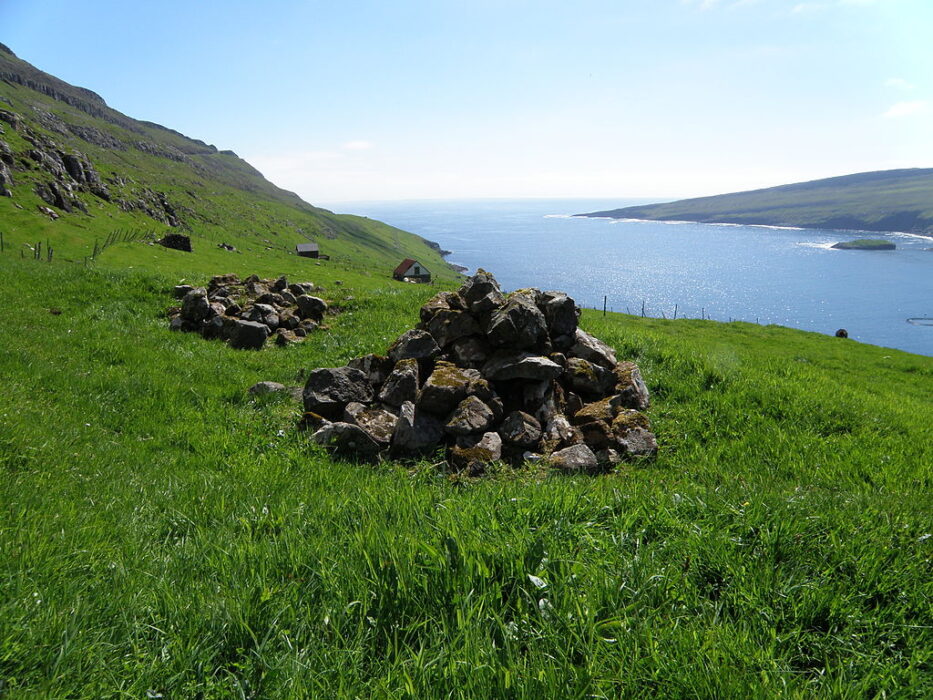
Death was not just an endpoint—it was a continuation of reputation and honor. Many burials display objects that the deceased owned or used in life, meaning the next world would reflect earthly status. The Uunartoq Viking ruins in Greenland (c. 985 CE) included carved runes identifying the deceased’s lineage.
This focus on legacy gives insight into Viking values: courage, wealth, and reputation mattered not only in life but also in how one was remembered. Funerals were as much about the living’s memory as the dead’s passage.
11. Modern Scientists Are Rewriting What We Know About Viking Death Rites

Recent excavations and improved dating techniques are reshaping our understanding of Viking funerals. A groundbreaking 2024 study in Antiquity reviewed nearly 200 Viking-age graves and found that ship or boat settings were more common than previously thought.
These discoveries challenge outdated assumptions and push scholars to view Viking death rituals as diverse, elaborate, and deeply meaningful. They remind us that what looked like “one style fits all” was really a complex cultural tapestry.