
The leather debate isn’t just about style it’s about saving the planet

Leather has always been seen as a symbol of luxury and durability, but now there’s a new player in town: vegan leather. It’s marketed as the cooler, cruelty-free alternative to traditional leather, but is it actually better for the environment? Spoiler alert: It’s complicated. While vegan leather skips the animal cruelty part, a lot of it is made from plastics that hurt the planet in other ways.
Meanwhile, real leather production contributes to deforestation, water pollution, and massive carbon emissions. Neither option is totally eco-friendly, but some choices are definitely worse than others. For Gen Z, who actually care about both ethics and sustainability, the real question isn’t just which material looks better but which one does less damage in the long run. Here’s what you need to know before you flex your next leather look.
1. Real leather has a massive carbon footprint

Let’s be real, leather isn’t just a fashion choice; it’s directly tied to one of the biggest environmental disasters of our time. According to University of California Davis livestock farming accounts for nearly 14.5 percent of global greenhouse gas emissions and the leather industry rides right alongside it.
Cows need a ton of land, water, and food, leading to deforestation, especially in areas like the Amazon. Plus, the energy-intensive processes used to turn hides into leather only make things worse. Even though people argue that leather is a byproduct of meat production, buying leather still supports a system that’s heating up the planet.
2. Making real leather also trashes water systems

Producing leather isn’t just bad for the air—it’s bad for water too. The tanning process, which turns animal hides into wearable leather, uses a toxic mix of chemicals like chromium and formaldehyde. When factories don’t handle these chemicals responsibly, they end up polluting rivers, lakes, and groundwater.
In places with weak environmental regulations, entire ecosystems suffer from this contamination and so do the people living nearby. Even though there are safer ways to tan leather, like vegetable tanning, most big brands aren’t switching because it’s more expensive and less convenient.
3. Most vegan leather is just plastic in disguise
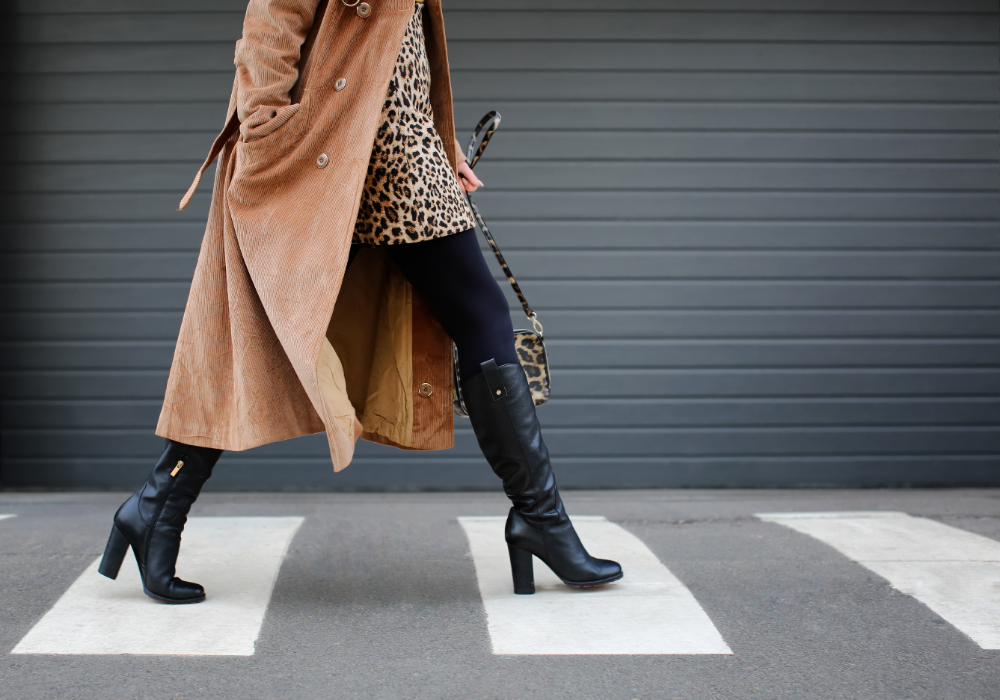
At first glance, vegan leather seems like the perfect fix. No animals harmed, no guilt, just a stylish, cruelty-free vibe. But here’s the catch: Most vegan leather is made from plastic, specifically polyurethane (PU) or polyvinyl chloride (PVC) as stated by the Washington Post. And guess what? Both are made from fossil fuels.
That means while you’re avoiding animal cruelty, you’re contributing to oil consumption and pollution in another way. Plus, synthetic vegan leather doesn’t break down easily, so it sits in landfills for hundreds of years, shedding microplastics along the way. Not exactly the eco-friendly option it’s hyped up to be.
4. Microplastics from vegan leather are a hidden danger

You’ve probably heard about microplastics invading our oceans, but did you know your faux-leather jacket could be part of the problem? When vegan leather products break down over time, they shed tiny plastic particles that end up in waterways and oceans.
These microplastics get eaten by fish and other marine life and eventually, they find their way back to us through the food chain. So while your vegan leather boots might be saving cows, they’re also contributing to a global pollution problem that’s harder to see but just as serious.
5. Plant-based vegan leather could be the future

Not all vegan leather is made from plastic. Some brands are stepping up with plant-based options made from materials like pineapple leaves (Piñatex), mushrooms, apple peels, and even cactus fibers. These natural materials are biodegradable, require fewer resources to produce, and don’t rely on fossil fuels.
The downside is that they’re still expensive to make and harder to find in mainstream fashion. But if you’re serious about sustainability, these innovative materials are the closest thing to guilt-free leather on the market. As demand grows, prices will hopefully start to drop, making eco-friendly fashion more accessible.
6. Real leather lasts longer but that’s not the full story
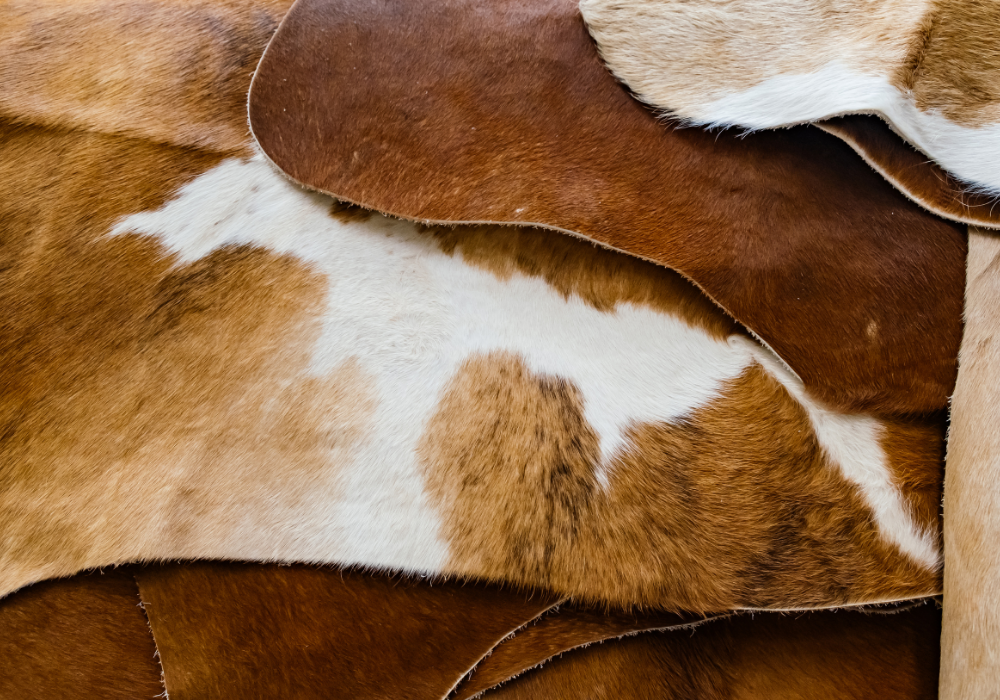
One of the strongest arguments for real leather is its durability. A well-made leather jacket can last decades if you take care of it properly, which means you’ll buy fewer replacements over time. Less waste, fewer resources used, sounds like a win for the environment, right?
Kind of. The problem is that the initial environmental cost of producing leather is so high that it takes years for those benefits to balance out. Vegan leather isn’t as durable yet, but if you’re buying high-quality plant-based versions or secondhand pieces, the impact might be closer than you think.
7. Vegan leather uses fewer resources overall
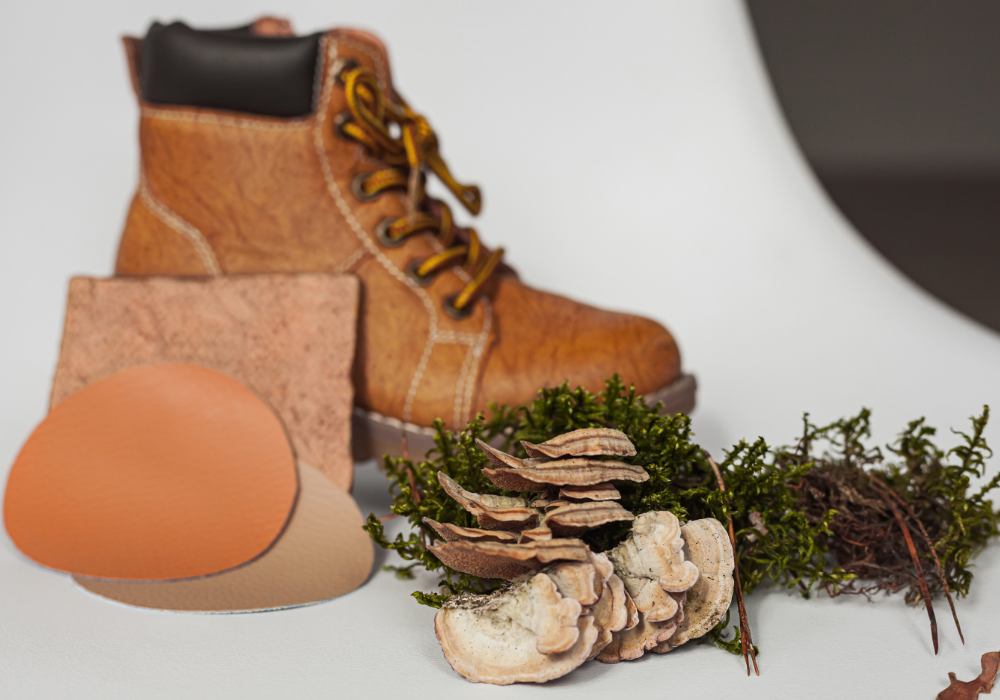
Raising livestock for leather eats up a ton of natural resources like water, land, and animal feed. Vegan leather, especially plant-based alternatives, typically uses much less water and energy during production. Even plastic-based vegan leather has a smaller carbon footprint than real leather in terms of resource use.
That being said, plastic-based materials still rely on fossil fuels, which makes the less resource-intensive argument a little murky. If you’re going for the lowest-impact option, plant-based vegan leather wins in terms of resource efficiency and sustainability.
8. The chemicals used in leather tanning are straight-up toxic
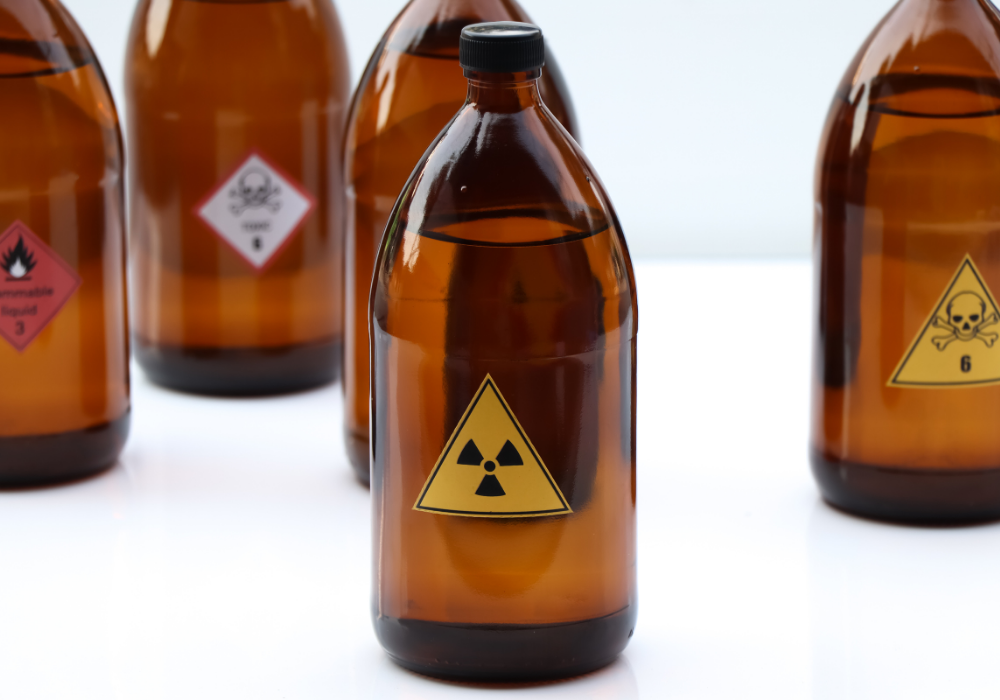
Traditional leather production doesn’t just hurt the environment—it’s also harmful to the people making it. Workers in tanneries are exposed to dangerous chemicals that can cause respiratory problems, skin conditions, and even cancer.
While some brands have switched to safer tanning methods, most mainstream leather production still involves harmful practices, especially in countries where labor protections are weak. If you’re sticking with real leather, look for brands that commit to using vegetable tanning or other eco-friendly processes to minimize harm.
9. Disposal is a nightmare for synthetic leather

When it comes to biodegradability, real leather has a bit of an edge. If it’s untreated and made with eco-friendly processes, it’ll eventually break down. Plastic-based vegan leather? Not so much. It can take hundreds of years to decompose, all while releasing microplastics into the environment.
That doesn’t mean leather is automatically better. Chemically treated leather often resists biodegradation too, especially when it’s coated with synthetic finishes. If you’re thinking about long-term sustainability, plant-based vegan leathers or untreated real leather are the best options for reducing waste.
10. Ethical concerns push more people toward vegan options

For a lot of Gen Z shoppers, the ethics of animal products matter just as much as the environmental impact. The leather industry is tied to factory farming, which raises serious concerns about animal cruelty, deforestation, and human rights abuses.
Vegan leather, even in its plastic form, eliminates the animal cruelty part of the equation. While it’s not a perfect environmental solution, it aligns with the values of people who want to shop more consciously without supporting industries that exploit animals for profit.
11. Innovation is the key to sustainable leather
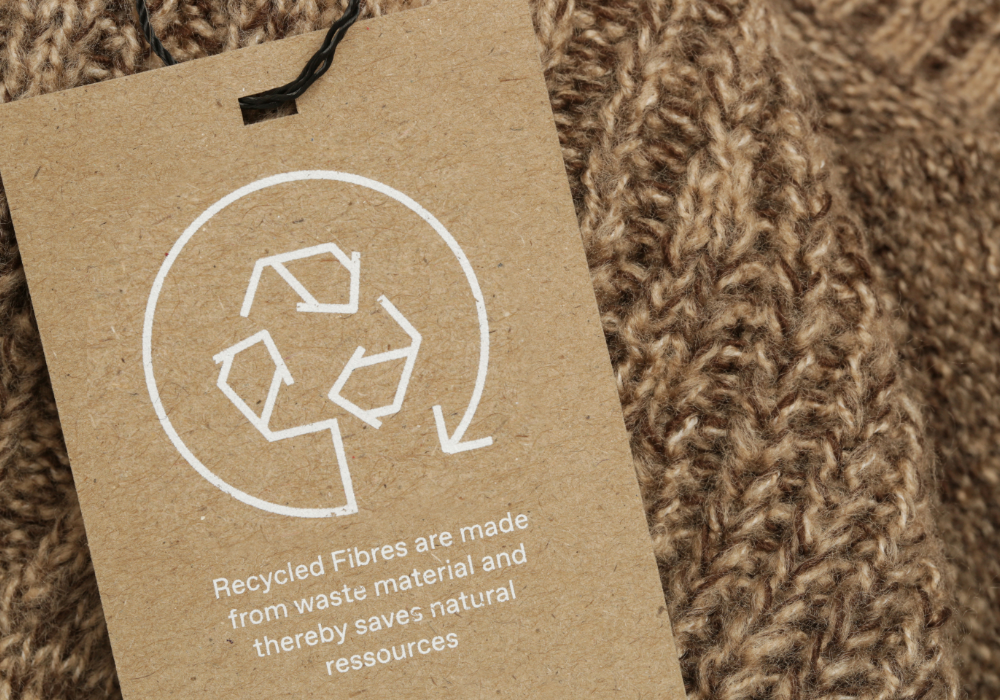
So, which is worse for the environment, vegan leather or real leather? The answer isn’t clear-cut because both have major downsides. Real leather has a huge carbon footprint, and most vegan leather relies on plastics that contribute to pollution.
The future of sustainable fashion lies in innovation. Materials like mushroom leather, lab-grown leather, and plant-based alternatives could bridge the gap between ethics and environmental responsibility. Until then, your best bet is to buy secondhand, support brands that prioritize sustainability, and choose quality over quantity.