
As the U.S. races to revive nuclear power, Western states are seeing a surge of new uranium exploration and mining.
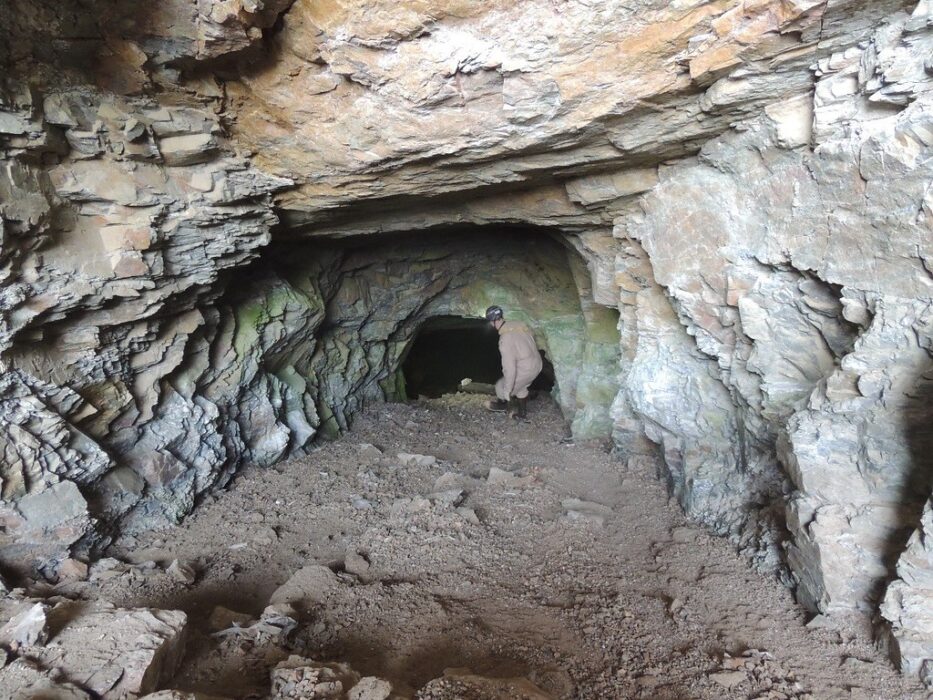
With nuclear power making a comeback as a low-carbon energy source, uranium mining is once again booming across the American West. Companies are reopening old mines and launching new projects in states like Wyoming, Utah, and New Mexico—the same regions that fueled the nation’s first atomic era. Supporters say the rush could strengthen U.S. energy independence, while critics warn of environmental and tribal impacts from renewed mining in landscapes still scarred by Cold War extraction.
1. Trump Administration Policies Ignite a New Uranium Boom

President Donald Trump’s administration has made nuclear energy a key pillar of its domestic energy strategy, arguing that expanding uranium mining is vital to U.S. energy independence. In early 2025, an executive order directed federal agencies to fast-track mine approvals and streamline environmental reviews, opening the door for new projects across the West.
Supporters say this renewed focus will strengthen U.S. control of the nuclear fuel supply chain and reduce reliance on imports from Russia and Kazakhstan. Environmental groups, however, warn that the push risks reviving many of the same pollution problems that plagued past uranium booms.
2. Wyoming Once Again Leads the Uranium Revival
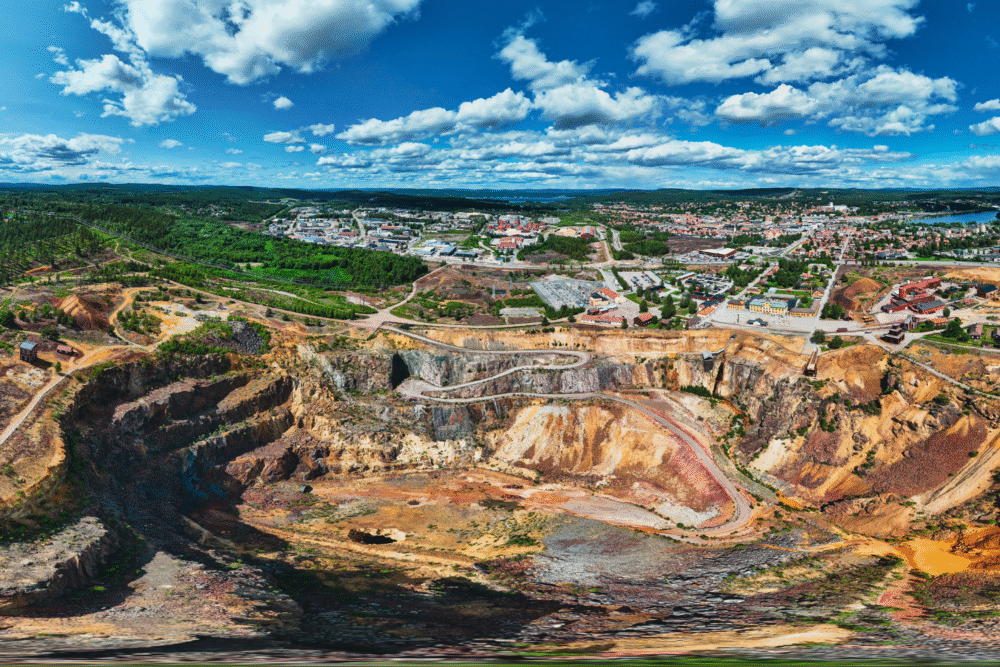
Wyoming remains the heart of the nation’s uranium production, accounting for more than 80 percent of U.S. output. Companies such as Cameco and Ur-Energy have restarted long-idled operations in the Powder River Basin, citing higher uranium prices and faster permitting under the Trump administration’s directives.
Much of the production now comes from in-situ recovery—a process that pumps uranium from groundwater instead of digging open pits. Industry leaders say it’s cleaner and more efficient, though scientists warn that without strict oversight, it still carries the risk of aquifer contamination.
3. Global Demand Sends Uranium Prices to Record Highs
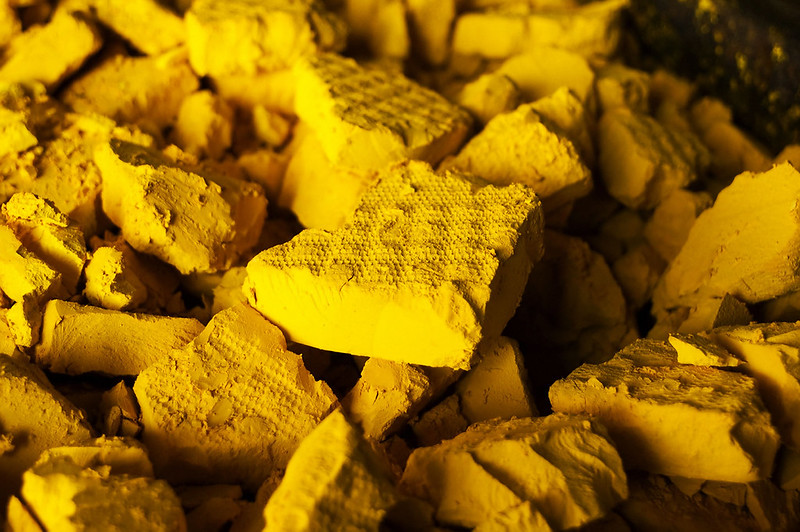
Uranium prices have soared past $90 per pound, reaching their highest level in more than a decade. The surge reflects growing global demand as nations ramp up nuclear energy projects to cut carbon emissions and stabilize their power grids.
Energy analysts say the price increase has reignited interest in U.S. mining, particularly as supply disruptions and geopolitical tensions have made foreign sources less reliable. The Trump administration’s domestic production incentives have further encouraged companies to reopen mines and expand exploration across the western United States.
4. Dormant Mining Towns Are Seeing Signs of Life Again

Communities across Utah, Arizona, and New Mexico that once fueled the Cold War nuclear industry are stirring back to life. Mining firms are reopening shafts and exploring new claims near long-abandoned sites, bringing optimism for job growth in regions that have struggled economically for decades.
Still, many residents remain wary. These same areas still bear scars from the last uranium rush—polluted groundwater, contaminated soil, and inadequate cleanup of radioactive waste. Locals worry that the rush for profits could repeat history if environmental safeguards aren’t strictly enforced.
5. Tribal Nations Demand Cleanup Before Expansion

Native American leaders are calling for accountability as mining companies move back into uranium-rich regions. The Navajo Nation, which still faces widespread contamination from more than 500 abandoned mines, has made clear it opposes new extraction until long-standing cleanup obligations are met.
Tribal officials say federal regulators must consult with Indigenous communities before approving new projects near their lands. The Trump administration has pledged to include tribes in review processes, but critics argue that consultation often happens after key decisions have already been made.
6. In-Situ Recovery Becomes the Industry’s Preferred Method

The newest wave of uranium mining relies heavily on in-situ recovery, which extracts uranium by circulating chemical solutions underground rather than excavating ore from open pits. The Trump administration promotes this approach as faster and less environmentally disruptive.
Supporters highlight the smaller surface footprint and lower cost, but opponents point out that the technique can contaminate groundwater if leaks occur. Regulators in Wyoming and Texas have strengthened monitoring requirements, yet environmentalists insist that enforcement remains inconsistent across mining regions.
7. Federal Incentives Fuel the Mining Comeback
To encourage domestic production, the Trump administration has expanded federal incentives for uranium producers. This includes funding for a national uranium reserve, streamlined permitting under the Department of Energy, and new tax benefits for U.S.-based operations.
Officials say the measures are designed to ensure a stable domestic fuel supply for existing and future reactors. Critics, however, argue that the policy prioritizes corporate interests over public safety, especially in areas still struggling with the toxic remnants of previous mining booms.
8. Environmentalists Warn the Costs Could Be Long-Term

Environmental groups across the West caution that the uranium revival could once again leave behind a legacy of contamination. Organizations such as the Grand Canyon Trust and Earthworks warn that even modern mining methods pose serious risks to aquifers and fragile ecosystems.
They point to unremediated waste sites from earlier decades as proof that oversight has historically lagged behind development. Advocates are urging the Trump administration to invest as much in cleanup and reclamation as it does in production and permitting.
9. Communities Are Split Between Jobs and Safety
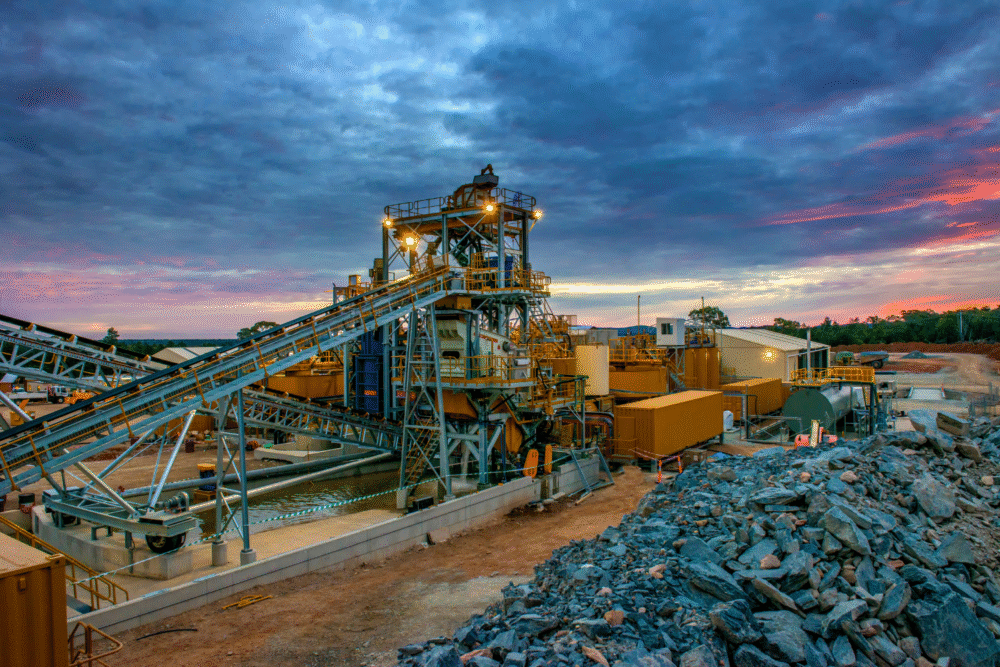
The new uranium rush has divided many rural communities. Supporters argue that it brings high-paying jobs and renewed economic vitality to areas long dependent on resource extraction. For towns that have seen decades of decline, new mining projects offer hope for stability.
Opponents, however, fear the return of pollution and health hazards. They cite past evidence linking mining to elevated cancer rates and groundwater contamination. As projects advance, many local governments are debating stricter zoning and inspection rules to balance economic gain with public safety.
10. The U.S. Seeks to Reduce Reliance on Foreign Uranium

One of the Trump administration’s main goals is to reduce U.S. dependence on foreign uranium suppliers. The 2025 executive order explicitly calls for expanding domestic mining to ensure that American reactors are fueled by U.S.-sourced materials.
Energy officials argue that relying on imports—especially from Russia and Kazakhstan—creates strategic vulnerabilities. By boosting domestic mining and refining capacity, the U.S. hopes to regain its Cold War–era self-sufficiency in nuclear fuel production while strengthening national energy security.
11. A New Energy Boom Faces an Old Dilemma

The renewed uranium rush represents both opportunity and risk for the American West. Supporters see it as an essential step toward clean, reliable energy and national self-reliance. Critics counter that without strict environmental and tribal protections, the boom could once again come at a devastating cost.
Experts say the outcome depends on how responsibly this new era of uranium mining is managed. Whether it becomes an economic success story—or another environmental cautionary tale—will hinge on oversight, transparency, and lessons learned from the past.