
New research shows glacier loss could surge to unprecedented levels by mid-century.
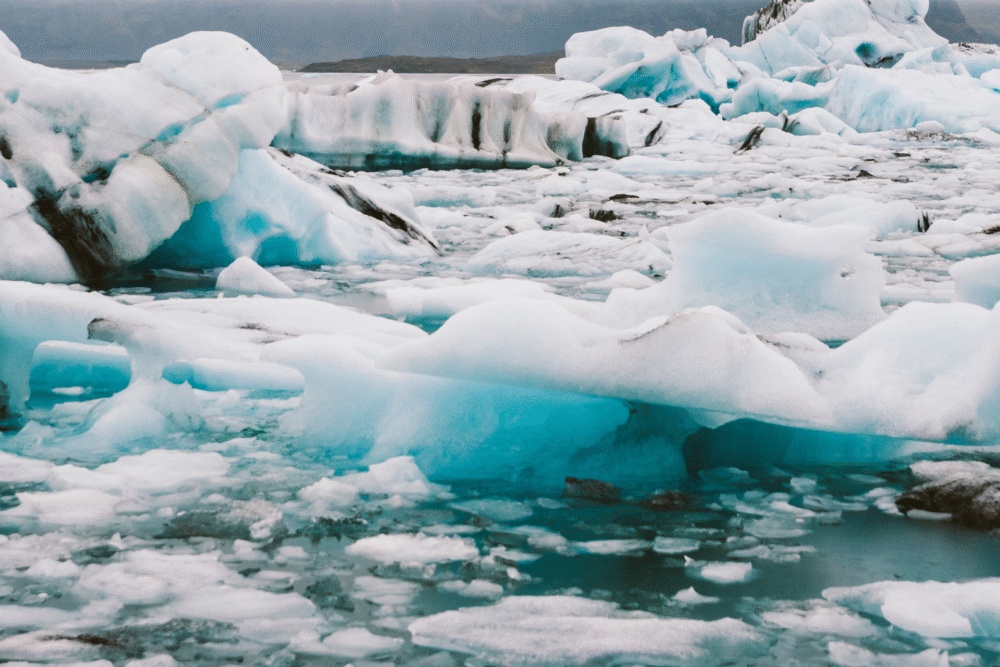
A new analysis led by glaciologist Harry Zekollari of ETH Zurich warns that the world is heading toward a period of “peak glacier extinction,” with as many as 4,000 glaciers disappearing every year under current warming trends. The study projects that glacier loss will accelerate sharply around 2050, driven by rising global temperatures and long-term climate patterns already in motion. Researchers say this rapid decline will dramatically alter water resources, ecosystems, and landscapes across multiple continents.
1. Scientists Project a Mid-Century Surge in Glacier Loss

The study finds that glacier disappearance is expected to peak around 2050, when warming will cause ice loss at rates far higher than today. Even under moderate climate scenarios, thousands of small and medium-sized glaciers are projected to melt beyond recovery each year. This accelerating trend reflects the continued rise in global temperatures driven by human-caused climate change.
Researchers say this mid-century window will mark a turning point for many mountain regions worldwide. Once this surge begins, many glaciers will be unable to regenerate, leading to permanent loss of ice that has existed for thousands of years.
2. Up to 4,000 Glaciers a Year Could Vanish
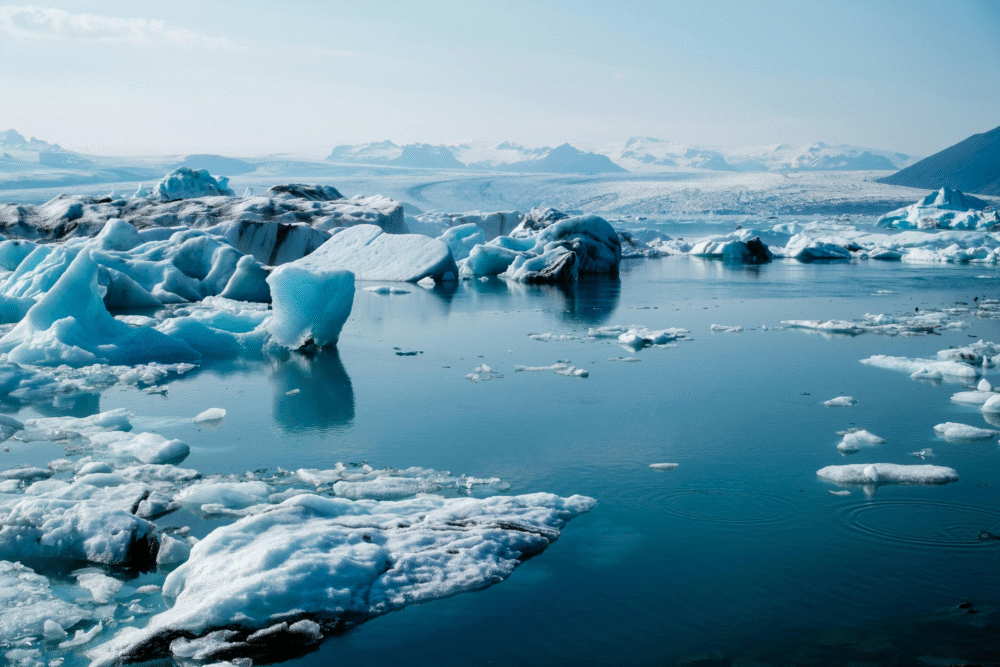
According to the analysis, the rate of glacier extinction could reach 2,000 to 4,000 glaciers per year during the peak period. Most of these glaciers are small and vulnerable, meaning even slight temperature increases can cause rapid melting. This loss represents a significant portion of the roughly 200,000 glaciers outside Greenland and Antarctica.
Because small glaciers respond quickly to warming, they serve as early indicators of long-term climate trends. Their disappearance signals accelerating changes across global ice systems and highlights the urgency of reducing emissions.
3. Glacier Loss Is Already Accelerating Globally
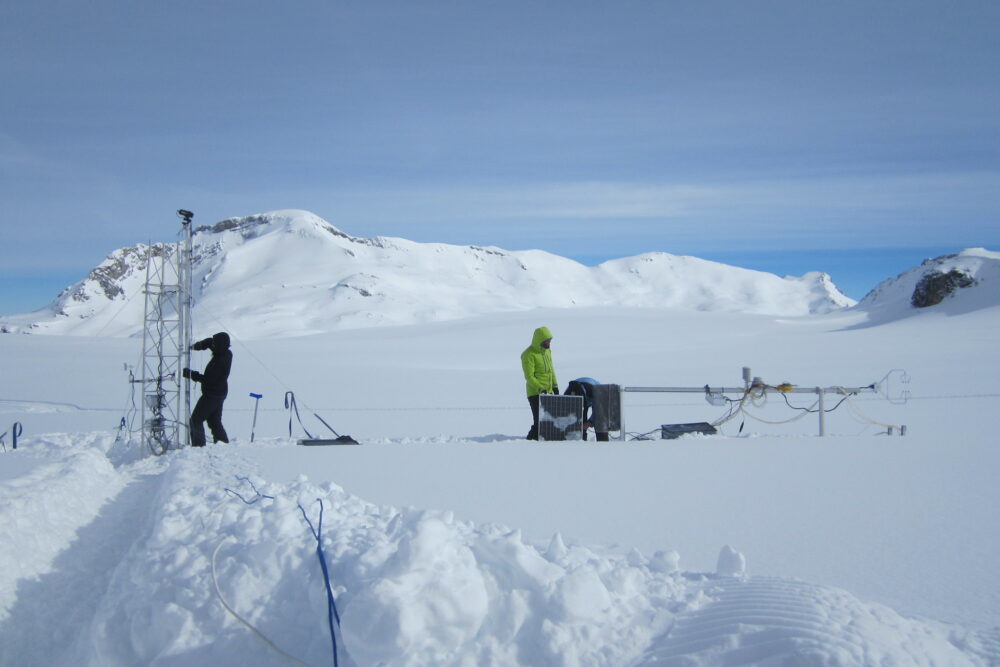
Even before the projected mid-century peak, glaciers are shrinking at historically fast rates. Satellite measurements and on-the-ground surveys show consistent declines across Europe, Asia, South America, and western North America. These losses reflect warming already locked into the climate system.
Scientists note that even with aggressive climate action, many glaciers are committed to significant retreat over the coming decades. What changes now is the speed of that decline, which the study suggests will intensify sharply in the next 25 years.
4. Mountain Regions Will Experience the Most Dramatic Changes

Mountain regions such as the Alps, Andes, Rockies, and Himalayas will experience some of the most dramatic glacier loss. Many of the glaciers in these ranges are small and sensitive, making them quick to respond to warming temperatures. In places like the Alps, scientists say most glaciers could disappear within decades.
The disappearance of mountain glaciers affects more than scenery. These glaciers regulate river flows, store freshwater, and support ecosystems that rely on predictable melt patterns. As they vanish, entire landscapes and water systems will undergo fundamental and irreversible change.
5. Communities Depending on Meltwater Face New Challenges
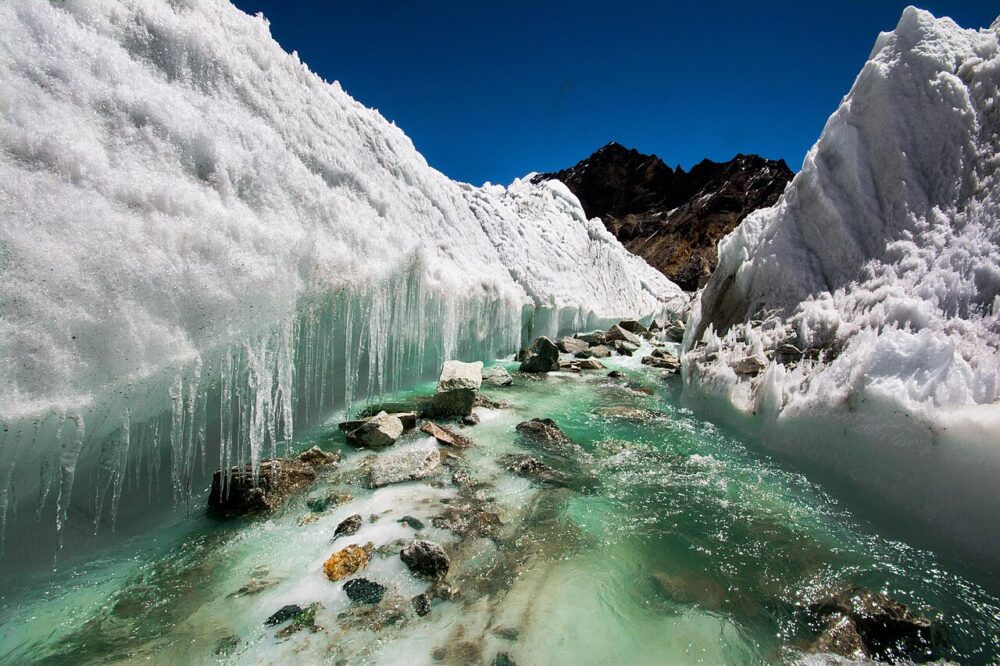
Glacial meltwater supports millions of people around the world, especially in Asia and South America. Rivers such as the Indus, Ganges, and Brahmaputra rely heavily on seasonal melt to provide water for farming, drinking, and energy production. As glaciers retreat, meltwater may temporarily increase before dropping off.
This creates a dangerous cycle: short-term flooding risks followed by long-term water scarcity. Researchers warn that communities without adaptive infrastructure will be most vulnerable to sudden changes in meltwater availability.
6. Rising Seas Will Be Affected by Glacier Melt
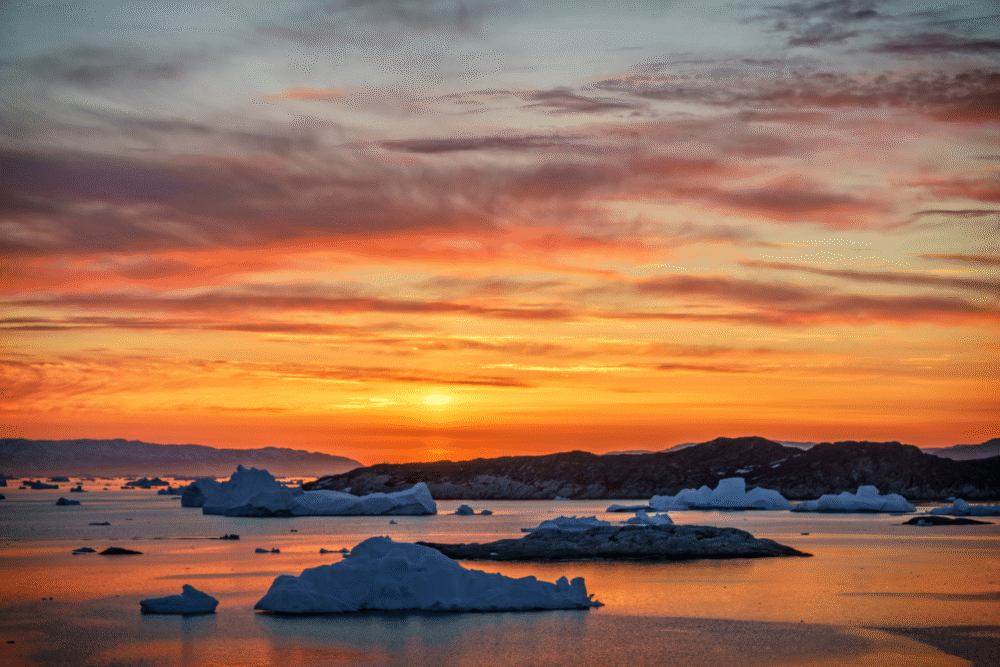
While small glaciers contribute less to sea-level rise than the massive ice sheets in Greenland and Antarctica, their rapid loss still adds substantial water to the oceans. As thousands of glaciers disappear, sea-level rise will continue to accelerate, posing greater risks to coastal cities and low-lying regions.
The study emphasizes that cumulative melt from small glaciers remains a key driver of sea-level rise throughout this century. Though each glacier is small, their combined impact is significant when melt rates spike.
7. Glacier Loss Threatens Biodiversity in Alpine Regions
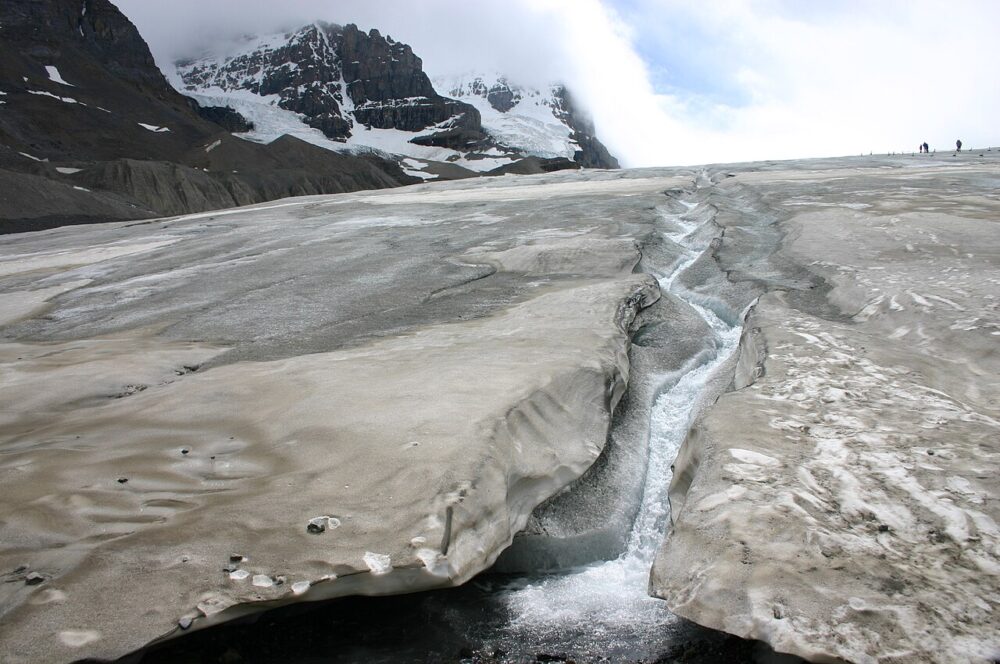
Many alpine species depend on cold-water streams and stable temperature conditions created by glacier-fed ecosystems. As glaciers retreat, these habitats shrink and warm, placing stress on species such as cold-water fish, specialized insects, and high-altitude plants.
Researchers warn that the loss of these ecosystems may trigger cascading effects on biodiversity. Species adapted to icy environments may face extinction if they cannot migrate or evolve quickly enough to survive changing conditions.
8. Cultural and Historical Landscapes Will Change Forever
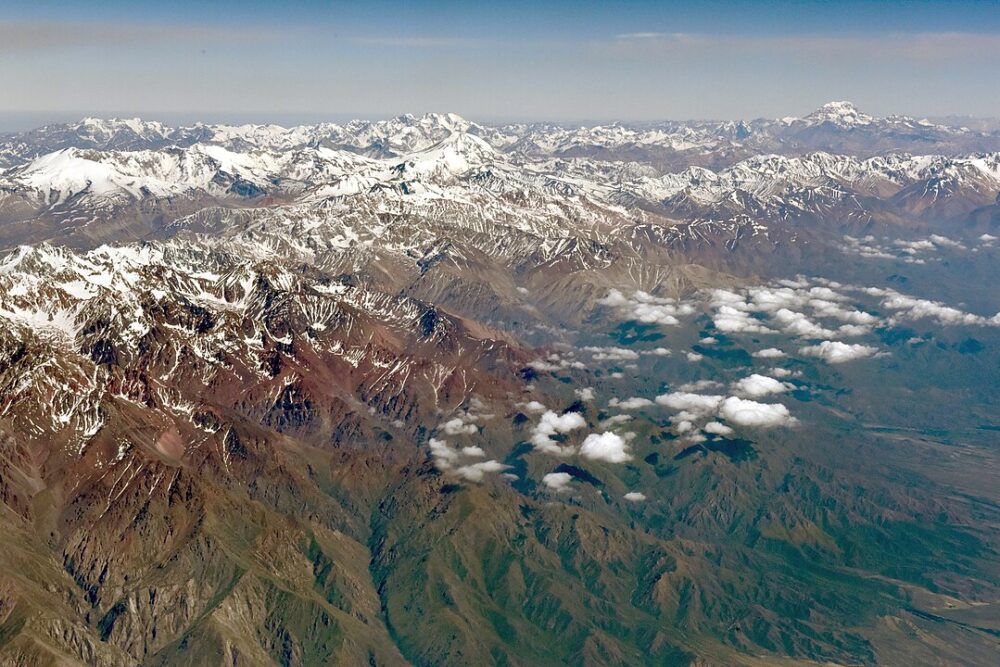
For centuries, glaciers have shaped cultural traditions, spiritual beliefs, and tourism economies in regions like the Alps and Andes. They serve as iconic landmarks and play a role in local identity, storytelling, and seasonal rhythms. Their disappearance is not only an environmental loss but a cultural one.
As glaciers vanish, familiar mountain landscapes will transform. Generations-old ways of life tied to glacial cycles may be disrupted or disappear entirely, reshaping communities and cultural heritage.
9. Glacial Hazards Will Increase Before They Decline

As glaciers melt, they can form unstable lakes that pose serious flooding risks to nearby communities. These glacial lake outburst floods have already increased in frequency, particularly in the Himalayas. Melting ice also destabilizes steep mountain slopes, leading to more landslides and rockfalls.
Researchers note that these hazards may peak alongside glacier loss. As the number of glaciers declines sharply mid-century, melt-related hazards will eventually fall too—but only after a period of heightened danger.
10. Even Immediate Climate Action Cannot Stop Peak Loss
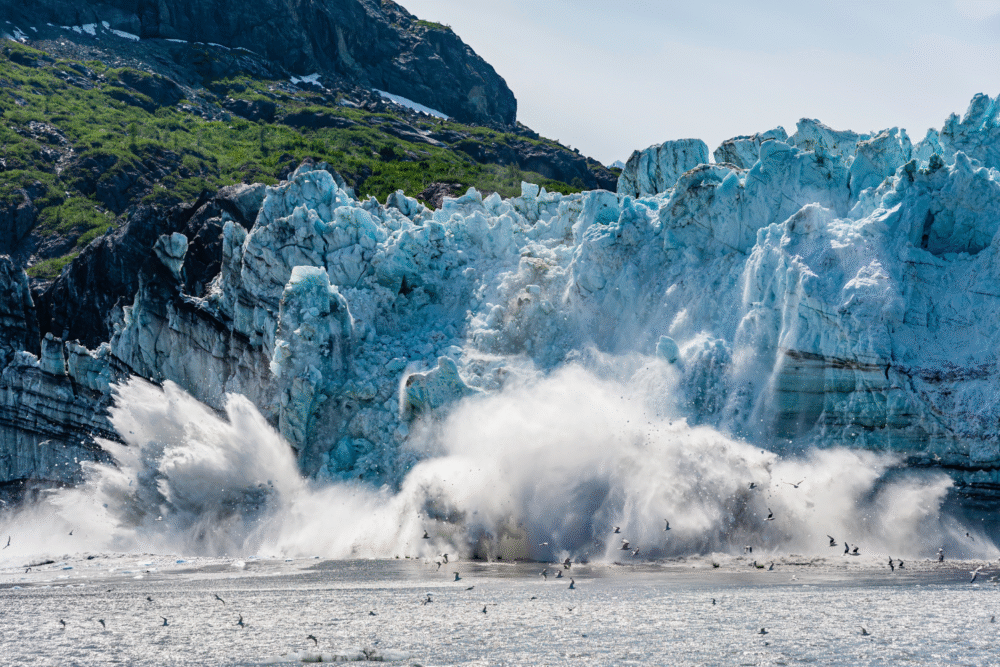
Scientists say glacier decline through mid-century is largely unavoidable. The climate system already has enough stored heat to continue driving substantial melt, even if emissions drop quickly. This makes the projected surge in glacier loss effectively locked in for the next few decades.
While current trends cannot be fully reversed, reducing emissions still matters. Cutting warming later in the century can help stabilize remaining glaciers and prevent even more extreme ice loss.
11. The Study Underscores the Urgency of Limiting Warming
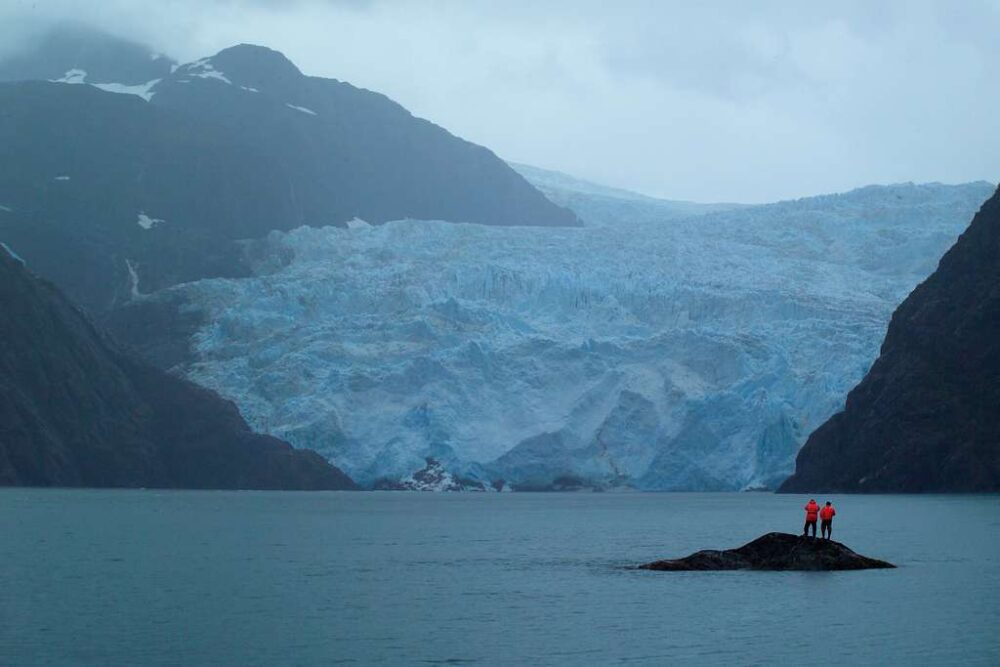
The findings make clear that limiting global temperature rise is essential to preserving the planet’s remaining ice. While some glacier loss is inevitable, preventing further warming could save many glaciers from disappearing entirely and reduce long-term risks to water supplies and ecosystems.
Researchers emphasize that peak glacier extinction is not a distant problem but a near-term challenge. The choices made today will determine how much of Earth’s ice survives for future generations.