
Radar data has revealed puzzling signals below the Giza complex, but experts disagree on what they mean.
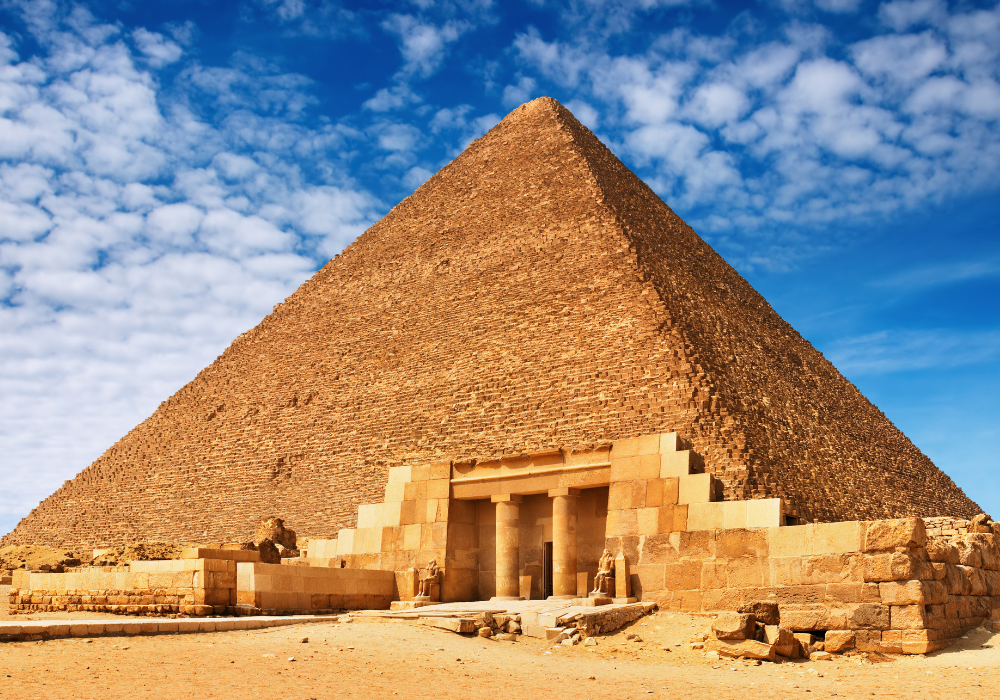
For more than a century, Egypt’s pyramids have been studied, measured, and scanned in extraordinary detail. Yet new radar data and subsurface imaging are once again raising questions about what may lie beneath the Giza plateau.
Some researchers point to unusual underground signals that could indicate unknown features below the pyramids, while others urge caution, saying the evidence is being overstated.
The result is a growing debate that blends cutting-edge technology, ancient architecture, and long-standing scientific disagreement.
1. What Scientists Mean by “Underground Anomalies”

When researchers talk about underground anomalies, they are not referring to confirmed buildings or chambers. Instead, the term describes unusual signals detected by ground-penetrating radar or similar scanning methods.
These signals can represent changes in rock density, voids, natural fissures, or buried features. Interpreting them correctly is complex, and similar anomalies elsewhere have sometimes turned out to be natural geological formations rather than man-made structures.
2. How Radar Technology Is Used at Giza
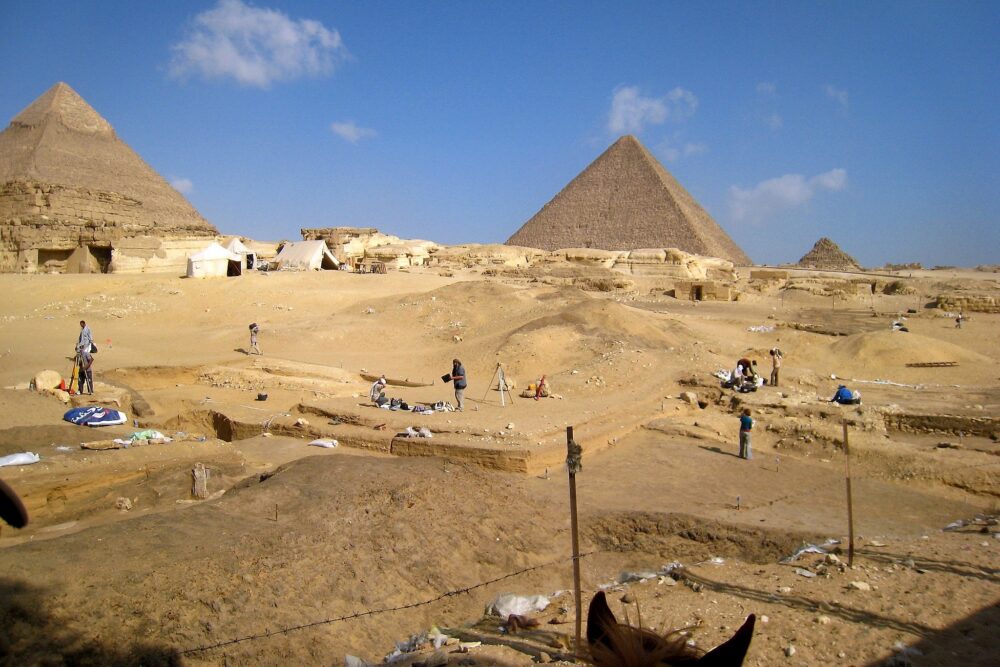
Modern radar and imaging tools allow scientists to send signals into the ground and measure how they bounce back. Differences in the return signals can hint at hidden spaces or structural variations beneath the surface.
At Giza, these tools are especially valuable because excavation is extremely limited. Technology offers a noninvasive way to explore what lies below without damaging one of the world’s most important archaeological sites.
3. Why Some Researchers See Something Unusual

Some scientists analyzing recent scans say the data shows patterns that do not easily match natural geology. They point to shapes or alignments that appear structured rather than random.
These interpretations have led to speculation about possible tunnels, cavities, or networks beneath parts of the plateau. However, speculation does not equal confirmation, and even proponents of further study acknowledge the data alone cannot prove what exists underground.
4. Why Many Egyptologists Are Skeptical

Mainstream Egyptologists caution that radar data is often misinterpreted by non-specialists. Similar signals have previously been mistaken for chambers that later proved to be rock layers or voids caused by erosion.
Experts also emphasize that extraordinary claims require extraordinary evidence. Without direct excavation or multiple independent confirmations, they argue it is premature to describe any underground feature as a “megastructure.”
5. What We Already Know Lies Beneath the Pyramids

It is well established that the Giza plateau contains shafts, pits, burial chambers, and quarry marks beneath and around the pyramids. Some of these were discovered decades ago, others more recently.
These known features show that underground construction was part of pyramid planning. However, none of the confirmed discoveries support the idea of a massive, city-like structure extending far beneath the site.
6. How Sensational Claims Took Hold

Social media and online videos have amplified the most dramatic interpretations of the radar data. Phrases like “hidden city” or “megastructure” spread quickly, often without scientific context.
Once such ideas gain traction, they can be difficult to correct. Archaeologists say this cycle creates confusion and unrealistic expectations about what the data actually shows.
7. The Difference Between Discovery and Interpretation

Detecting an anomaly is not the same as identifying its cause. Radar can suggest something unusual exists, but interpretation depends heavily on experience, modeling, and comparison with known structures.
Many experts stress that interpretation is where disagreement arises. Two teams can look at the same data and reach very different conclusions depending on assumptions and methodology.
8. Why Excavation Is So Difficult at Giza
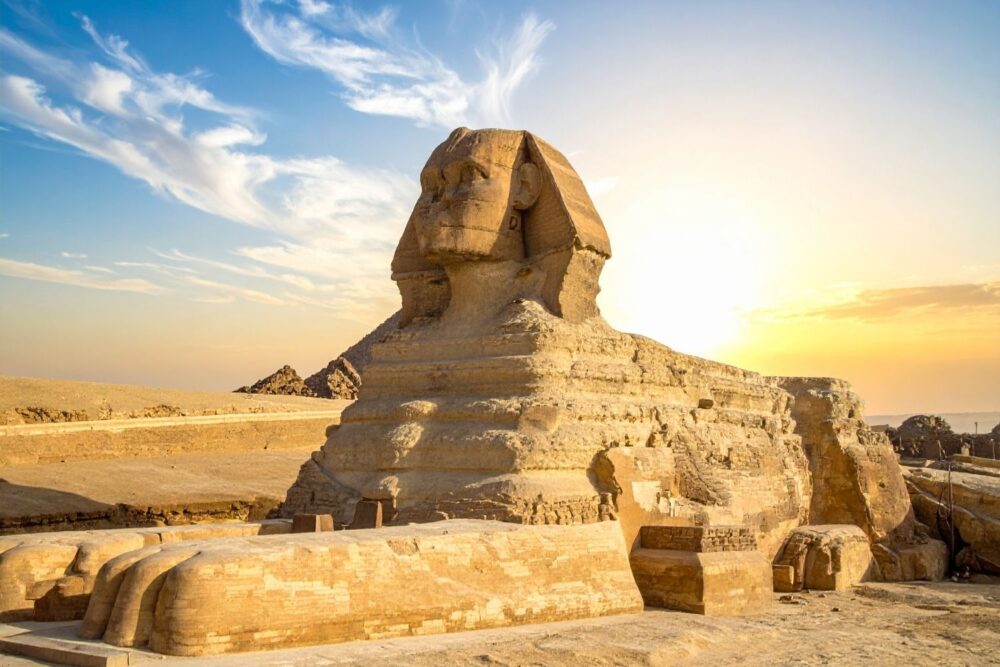
Digging beneath the pyramids is not simply a scientific decision. The site is protected, structurally sensitive, and culturally invaluable. Even small excavations require years of approval and planning.
Because of these restrictions, much of the debate remains theoretical. Without direct access to the underground features, conclusions must rely on indirect evidence.
9. How This Debate Fits Into Pyramid Research History

The pyramids have a long history of surprising researchers. Hidden chambers, internal voids, and construction techniques have all been revealed gradually over time.
That history makes scientists open to new discoveries while remaining cautious. Past breakthroughs were confirmed through multiple methods, not single datasets or early interpretations.
10. What Scientists Agree On So Far
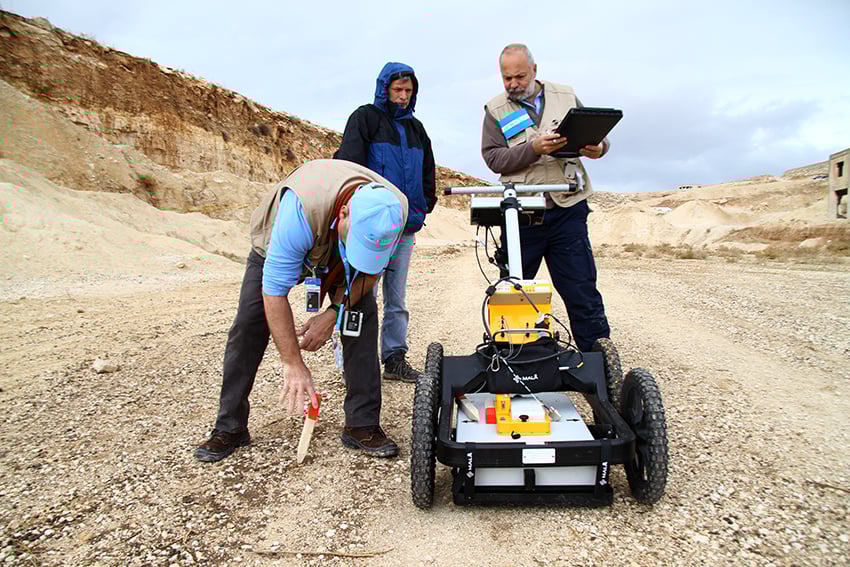
Despite disagreements, most researchers agree on one point: the radar data warrants further study, but not dramatic conclusions. The signals are real, but their meaning remains uncertain.
Additional scans, improved resolution, and independent analysis are needed before any strong claims can be supported.
11. Why the Mystery Continues to Fascinate

The enduring appeal of the pyramids lies partly in how much remains unknown. Even after centuries of study, they continue to challenge assumptions and spark debate.
Whether the underground anomalies turn out to be natural features or something more, the discussion highlights how modern science and ancient history continue to intersect in unexpected ways.