
Science explains how low blood sugar and shifting hormones can turn hunger into irritability

Hunger affects more than just your stomach—it also plays a major role in mood and behavior. When you skip meals or go too long without eating, your blood sugar drops, triggering hormonal and neurological shifts that can lead to irritability and impulsivity. According to experts at Harvard Medical School and the Mayo Clinic, this state we call feeling ‘hangry’ is your body’s way of sounding an alarm, not simply a bad mood or poor attitude.
1. Your brain needs glucose to function and regulate your mood.
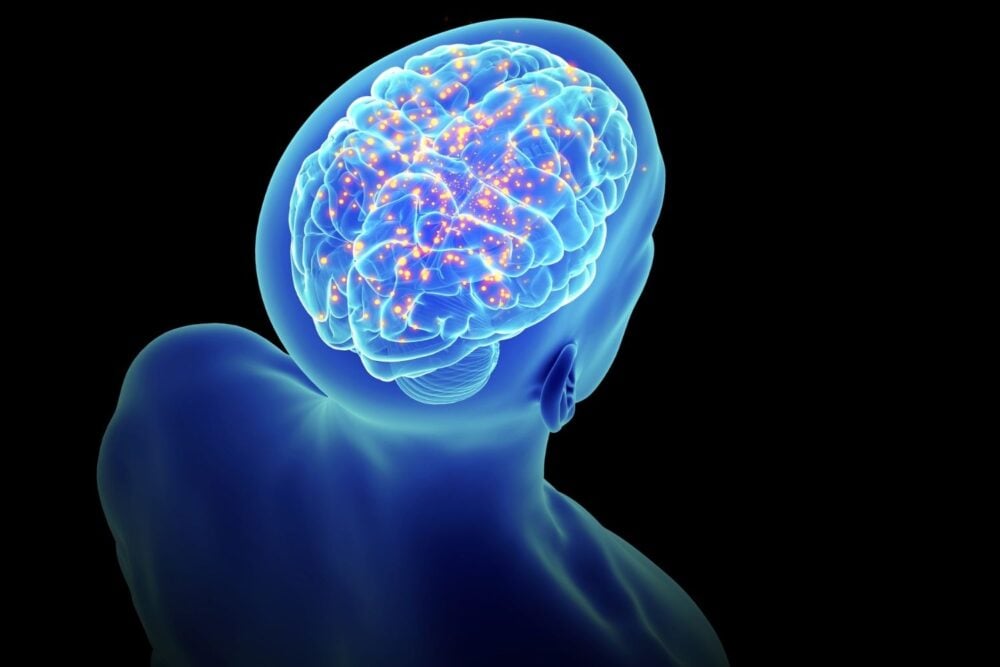
Glucose acts as your brain’s main fuel, powering everything from memory to mood regulation. When levels drop, the brain loses efficiency, like a flickering bulb running on low electricity.
Instead of processing emotions smoothly, the brain starts to misfire—trouble focusing, abrupt reactions, and mood dips become more likely. Even minor frustrations, such as a tangled charger cord, can feel oddly overwhelming under low glucose conditions.
2. Low blood sugar can trigger a stress response in the body.

When blood sugar dips too low, the body activates a stress response. Cortisol and adrenaline surge, priming you for survival but also making you more reactive.
In real-world terms, a late lunch or missed snack can flood your system with jittery hormones before you notice you’re hungry. That unease at a slow checkout line? It may be your body’s emergency alert system, not a personality flaw.
3. Hunger disrupts hormone levels that help control emotional balance.

Hunger prompts a hormonal ripple throughout the body. Insulin, cortisol, and other messengers shift in response to falling glucose, reshaping your emotional landscape along the way.
When those signals go out of balance, emotional steadiness wavers. The tension that flares during a dinnertime delay often reflects hormonal noise more than stubbornness or indifference—it’s a chemical tug-of-war beneath your awareness.
4. Ghrelin levels rise when you’re hungry and may affect your temper.

Ghrelin, often called the ‘hunger hormone,’ rises before meals and nudges the brain to seek food. But rising ghrelin may also amplify anger and impulsivity.
As ghrelin climbs, patience tends to plummet. Fixating on your partner’s chewing or snapping during traffic can trace back to this hormone’s influence—not flawed willpower, but an internal chemical asking loudly for fuel.
5. Feeling hangry is linked to ancient survival instincts around food.

Hangry reactions trace back to the body’s ancient systems for staying alive. In early environments, food shortages triggered alertness and aggression to secure the next meal.
Today’s skipped breakfast in a climate-controlled office doesn’t match old-world scarcity, but the body doesn’t distinguish. It activates those primal behaviors anyway—snarling over nothing because biology interprets the delay as threat.
6. The body releases adrenaline when blood sugar starts to drop.

As blood sugar dips, the body may release adrenaline as a backup support system. It’s a way to keep essential organs working under strain.
That jittery, restless feeling at 11 a.m. on an empty stomach isn’t just nerves—it reflects your body’s attempt to keep running despite low fuel. The physical stress often leaks into mental sharpness and mood control.
7. Hunger signals can overwhelm your ability to think clearly or calmly.

Hunger cues don’t whisper—they shout. When ignored, those signals can override your usual response mechanisms, creating confusion or misjudgment in daily decisions.
Simple tasks like replying to an email or navigating traffic can morph into emotional quicksand. The brain prioritizes getting fed over staying reasonable, clouding its judgment tank in the process.
8. Emotional regulation becomes harder when the brain lacks energy.

Without adequate energy, the brain’s emotional hubs—like the amygdala—work harder and less predictably. Reactions skew stronger, less thoughtful.
You may find yourself stewing over a casual comment at a meeting or bristling during a routine call. When the brain’s fuel gauge hits empty, it swaps control for survival, often at the price of perspective.
9. Irritability and short tempers are common responses to low fuel.

Lack of calories doesn’t just sap energy—it heightens frustration. With essential processes competing for fewer resources, emotional responses tend to sharpen and intensify.
A forgotten lunch or delayed dinner often becomes noticeable not through stomach grumbles but rising snappishness. Short tempers creep in when the body’s reserves run low, and reasoning takes a backseat.
10. Skipping meals alters mood by changing brain chemical activity.

The chemistry of mood depends on steady input from food. Skipping meals changes the production and balance of neurotransmitters like serotonin and dopamine.
Instead of consistent signals that sustain emotional calm, the brain receives inconsistent bursts. That fluctuation explains why a blank calendar afternoon can still feel exhausting—or why small slights sting harder after missed meals.
11. Balanced meals help prevent the crash that leads to being hangry.

Combined carbohydrates, fats, and protein help stabilize the release of glucose into the bloodstream, preventing sharp mood swings. Meals rich in only one category often create a spike-and-crash cycle.
By feeding the brain gradually and reliably, balanced meals keep thinking clear and interactions less prickly. A bowl of brown rice with lentils, for instance, holds emotional weight beyond taste—it offers longer-lasting cognitive steadiness.