
New evidence suggests these foods can disrupt your biology in ways scientists are only beginning to understand.

Ultra-processed foods may be doing far more damage to the human body than previously believed. According to a comprehensive new review, these products don’t just contribute to weight gain—they affect every major organ system, including the brain, heart, liver, gut, hormones, and immune defenses. Researchers found over 45 distinct health pathways linked to ultra-processed foods, revealing that their additives, refined ingredients, and chemical modifications can alter biological function. Scientists now argue that the issue isn’t just poor nutrition but the way these foods fundamentally rewire how the body operates.
1. Ultra-Processed Foods Disrupt the Brain’s Reward System

Researchers found that ultra-processed foods influence the brain in ways similar to addictive substances. Their refined sugars, artificial flavors, and engineered textures activate reward pathways more intensely than natural foods, encouraging overeating and compulsive cravings.
Over time, this can impair appetite regulation and alter dopamine signaling. These neurological changes make it harder to stop eating even when full, increasing the risk of long-term weight gain and metabolic issues. Scientists now believe these brain-level effects are a major reason ultra-processed diets are linked to poor mental and physical health outcomes.
2. They Trigger Chronic Inflammation Throughout the Body

Ultra-processed foods promote inflammation by disrupting the gut microbiome, increasing oxidative stress, and overwhelming the immune system with additives the body struggles to process. Chronic inflammation is tied to numerous conditions, including heart disease, diabetes, and certain cancers.
This hidden inflammatory load builds gradually, meaning people may not feel immediate symptoms. Over months and years, however, constant immune activation can damage tissues, accelerate aging, and weaken the body’s ability to fight illness. Researchers warn this long-term inflammation is one of the most dangerous—and overlooked—effects of an ultra-processed diet.
3. These Foods Can Alter Hormones That Control Hunger

Studies show that ultra-processed foods interfere with hormones like leptin and ghrelin, which tell the brain when to feel hungry or full. Because these foods digest rapidly and lack natural fiber, they cause quick spikes and crashes in blood sugar, confusing the body’s hunger signals.
The result is constant hunger and a reduced sense of fullness after eating. When hormonal balance is disrupted, it becomes significantly harder to maintain a healthy weight or regulate appetite. This hormonal interference may explain why ultra-processed diets often lead to overeating even in individuals trying to follow calorie limits.
4. They Increase the Risk of Heart and Vascular Problems

Ultra-processed foods are linked to higher rates of heart disease due to their high levels of salt, refined fats, and additives that stress the cardiovascular system. These ingredients can elevate blood pressure, raise bad cholesterol, and promote inflammation inside blood vessels.
Over time, this combination increases the risk of heart attacks and strokes. Researchers emphasize that the issue isn’t just excess calories—it’s the biological effects of artificial ingredients and chemical emulsifiers. These compounds may directly contribute to artery damage, making ultra-processed foods a significant driver of cardiovascular risk.
5. They Disrupt Gut Health and Damage the Microbiome

Many ultra-processed foods contain artificial sweeteners, emulsifiers, and preservatives that harm beneficial gut bacteria. These additives can thin the intestinal lining, increase gut permeability, and promote harmful bacterial growth.
A disturbed microbiome affects everything from digestion to immunity and mental health. Scientists now consider the gut one of the body’s most sensitive systems when exposed to ultra-processed diets. Poor gut health can lead to inflammation, nutrient deficiencies, and heightened vulnerability to chronic disease, making microbiome disruption one of the most troubling findings.
6. These Foods Overload the Liver With Chemical Additives

The liver must process thousands of compounds found in ultra-processed foods, including preservatives, flavor enhancers, and stabilizers. Over time, this chemical load strains the liver, contributing to fat accumulation and impaired detoxification.
Researchers link high consumption of ultra-processed foods to increased rates of non-alcoholic fatty liver disease. When the liver is overworked, metabolism slows and the body becomes more prone to insulin resistance. This places additional strain on other organs and increases the risk of developing long-term metabolic disorders.
7. They Increase the Risk of Obesity Through Multiple Biological Pathways
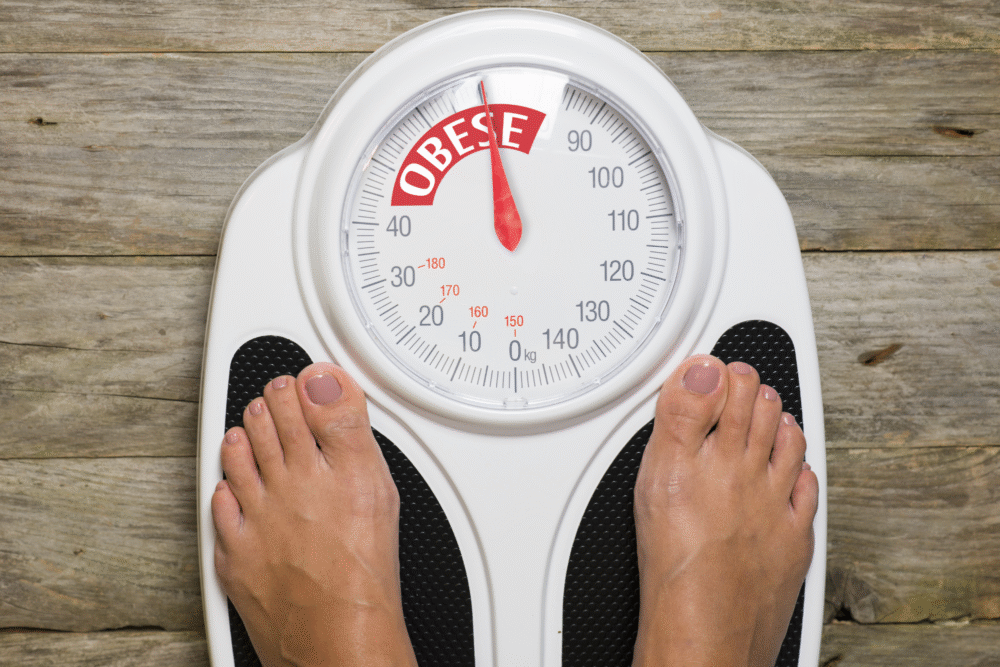
Ultra-processed foods contribute to obesity not only by being calorie-dense but by altering biological systems that regulate metabolism, hunger, and fat storage. Their rapid digestibility leads to blood sugar spikes, increased insulin release, and stronger fat accumulation signals.
These foods also interfere with hormone regulation and encourage overeating by activating reward centers in the brain. This multi-layered biological impact makes weight gain more likely even in people who believe they’re eating “within moderation.” Scientists say these combined effects make ultra-processed foods uniquely harmful.
8. They Can Impair Immune Function Over Time

A diet rich in ultra-processed foods may weaken the body’s immune defenses by increasing inflammation, harming gut bacteria, and reducing essential nutrients needed for immune health. When the immune system is constantly stressed by additives and imbalanced nutrition, it becomes less effective at responding to infections.
Over time, this can lead to more frequent illness and slower recovery. Researchers found that people who eat the most ultra-processed foods often show signs of immune dysregulation, meaning the body struggles to distinguish threats and maintain protective responses.
9. They Increase the Risk of Cancer Through Multiple Mechanisms

Some additives found in ultra-processed foods have been linked to cancer risk, including certain emulsifiers, nitrates, and artificial colors. These compounds can promote inflammation, increase oxidative stress, and alter cellular processes.
Additionally, the metabolic effects of ultra-processed diets—such as obesity, high inflammation, and hormonal imbalance—are known cancer risk factors. While processed foods do not directly cause cancer in isolation, the combination of chemical exposure and biological stress increases long-term vulnerability.
10. They Contribute to Cognitive Decline as People Age

Researchers found that ultra-processed diets may impair memory, learning, and overall brain function. Diets high in these foods are associated with faster cognitive decline, possibly due to inflammation, poor nutrient intake, and disruptions to the gut-brain axis.
Brain imaging studies show that long-term consumption may reduce the volume of certain brain regions responsible for memory and executive function. This emerging research suggests that diet may play a far greater role in brain aging than previously thought.
11. They Rewire Biological Processes in Ways Natural Foods Don’t

Ultra-processed foods are created using industrial methods that fundamentally alter their structure. These changes affect how the body digests, absorbs, and responds to them. Scientists have identified over 45 biological pathways affected by these foods, far more than previously recognized.
This means their impact goes beyond poor nutrition—they alter systems governing metabolism, immunity, brain chemistry, hormones, and organ health. Researchers argue that ultra-processed foods act as a whole category of biologically disruptive products rather than simple variations of traditional food.