
Rising costs, lawsuits, and politics threaten U.S. offshore wind — with energy and climate goals on the line.
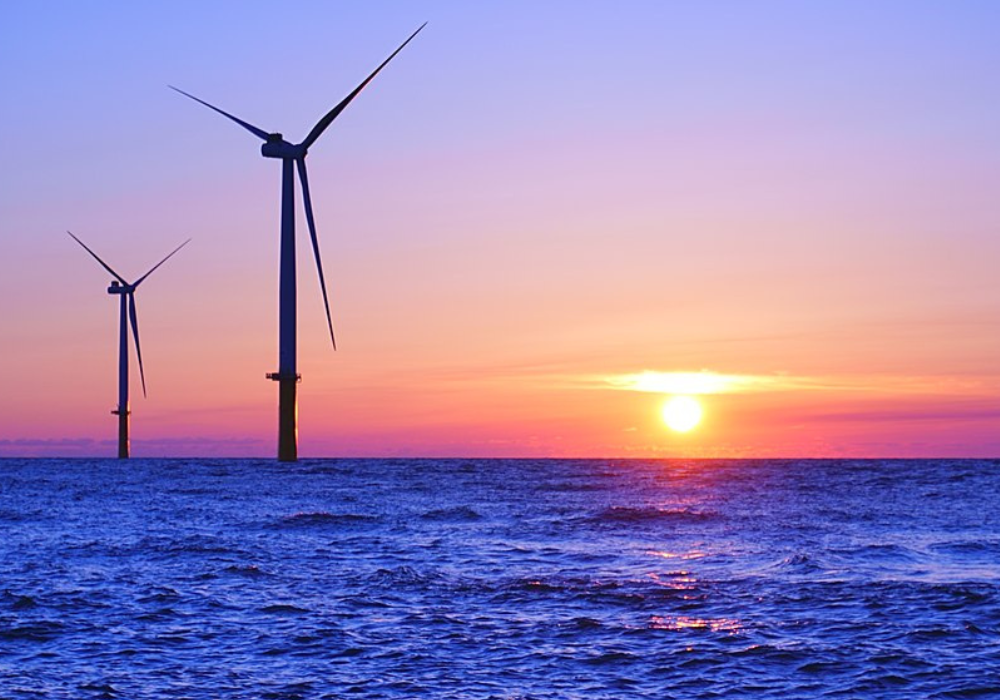
The U.S. once saw offshore wind as a symbol of a cleaner, more secure future. Towering turbines off the coast promised jobs, steady energy, and a way to push back against climate change. But now that vision feels shaky.
Projects that were once hailed as groundbreaking are running into fierce headwinds—political battles, skyrocketing costs, and uncertainty about what comes next. Communities that hoped to benefit are left wondering if the future they were promised will actually arrive. The debate isn’t just about energy—it’s about the kind of country we want to be and how we choose to power it.
1. Offshore wind once looked unstoppable, but cracks are starting to show
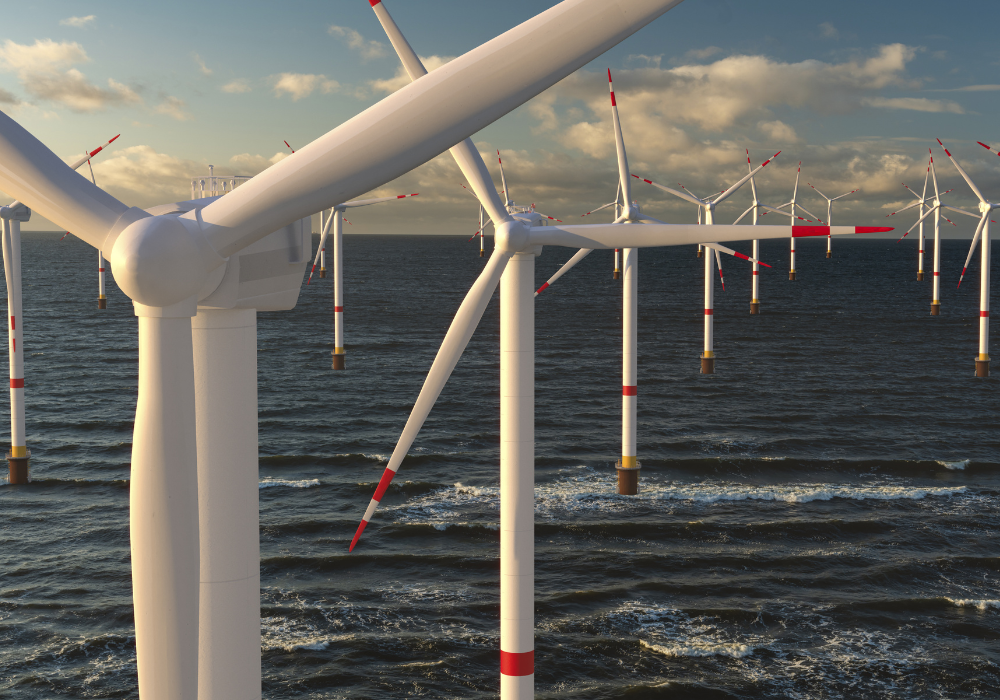
A decade ago, offshore wind was pitched as a sure bet—clean energy that could power millions of homes while sparking economic growth. Coastal states lined up with ambitious goals, and major companies poured in billions.
Today, that confident vision is faltering. Soaring costs, shifting politics, and lawsuits have slowed the momentum. Some projects are being canceled outright, leaving people to wonder if the industry can recover. What was once considered the crown jewel of renewable energy is now at risk of becoming another big idea that stumbled when dreams collided with financial and political realities.
2. Costs are rising so fast they’re threatening to sink entire projects
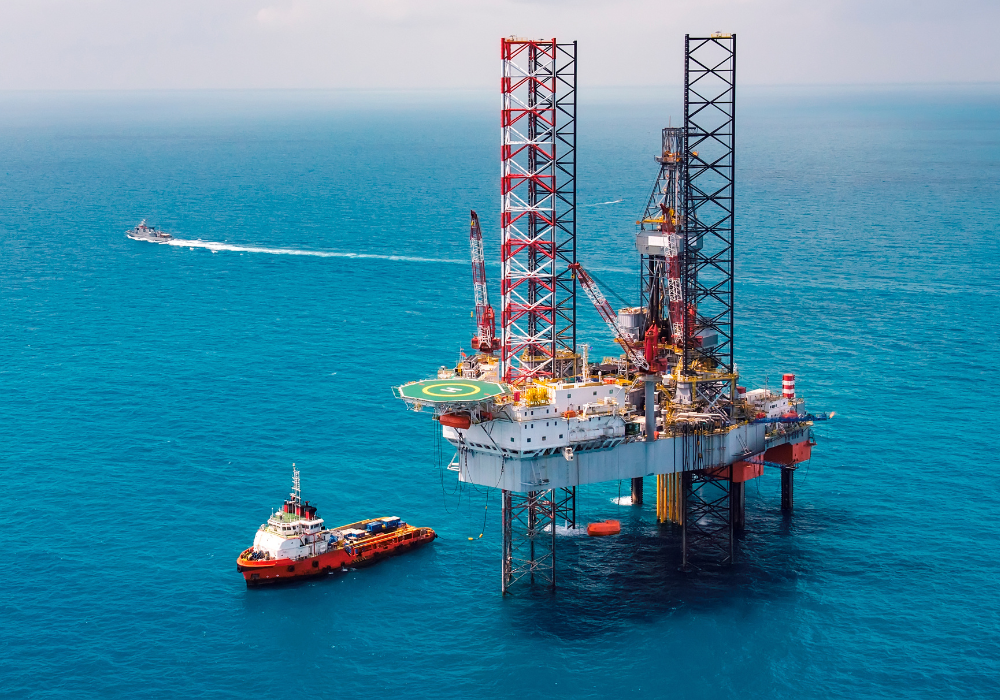
Developers are facing an ugly reality: the price tag for offshore wind farms is skyrocketing. Inflation, higher interest rates, and supply chain bottlenecks are pushing costs far beyond what was expected when these projects were approved.
What seemed profitable on paper just a few years ago is now barely sustainable—or not at all. For some companies, it’s cheaper to walk away and pay penalties than to keep building. The ripple effect of canceled projects doesn’t just hit corporate balance sheets. It also delays clean energy targets and raises questions about how much the U.S. is willing to invest.
3. Lawsuits are piling up, stalling progress in the courts

Legal battles have become a major obstacle for offshore wind. Environmental groups, fishing industries, and coastal residents are all turning to the courts to fight projects they believe threaten their way of life.
Each lawsuit adds years of delays and millions in extra costs. Some cases focus on protecting whales and marine life, while others push back on coastal views or property values. Even when projects survive the lawsuits, the damage is often already done—momentum slows, investors get nervous, and the public starts losing confidence. For an industry racing against climate deadlines, time is the biggest enemy.
4. Political shifts are creating uncertainty at every level
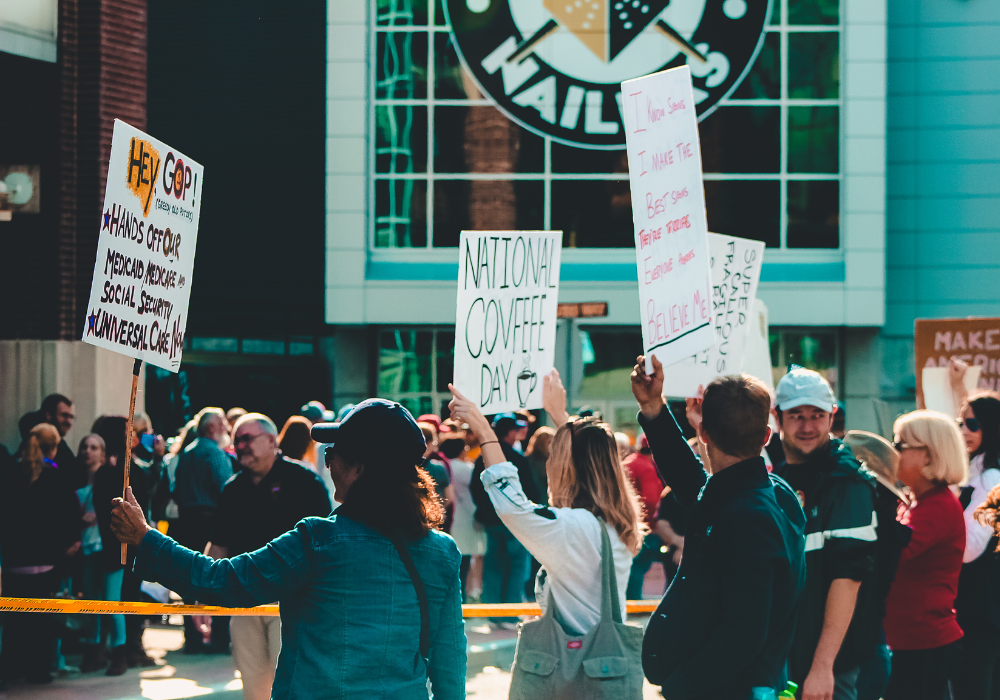
Support for offshore wind has never been purely technical—it’s always been political. Governors who once championed projects can be voted out, and new leaders may bring different priorities.
In Washington, shifting control of Congress or the White House could flip the industry’s fortunes overnight. Subsidies and tax credits that keep projects alive aren’t guaranteed forever. Offshore wind has become part of the broader culture war over climate and energy. That means every election carries enormous consequences, and the industry can’t afford to lose too much time waiting for political winds to stabilize in its favor.
5. Supply chain shortages are straining the entire industry

Offshore wind isn’t built with ideas—it’s built with steel, concrete, massive turbines, and specialized ships. Those parts aren’t easy to find right now. Global demand for renewable energy is exploding, and suppliers can’t keep up.
This bottleneck means delays stretch for years, and prices climb higher with every shipment. The U.S. is also competing with Europe and Asia, where offshore wind has already gained more ground. Without a stronger domestic supply chain, American projects will remain vulnerable. It’s a reminder that bold climate promises can fall apart when the nuts and bolts simply aren’t available in time.
6. Communities that hoped for jobs are left in limbo

Local communities were promised thousands of jobs tied to construction, maintenance, and support services for offshore wind farms. For towns hit hard by economic decline, those opportunities sounded like lifelines.
Now, with projects stalling or canceled, those promises are slipping away. Workers who trained for new careers may never see those positions materialize. Small businesses that expected contracts are being left in the dark. The uncertainty doesn’t just bruise the economy—it erodes trust. When a community buys into the vision of clean energy and doesn’t see the payoff, frustration can quickly turn into lasting skepticism.
7. Environmental concerns are dividing supporters of clean energy
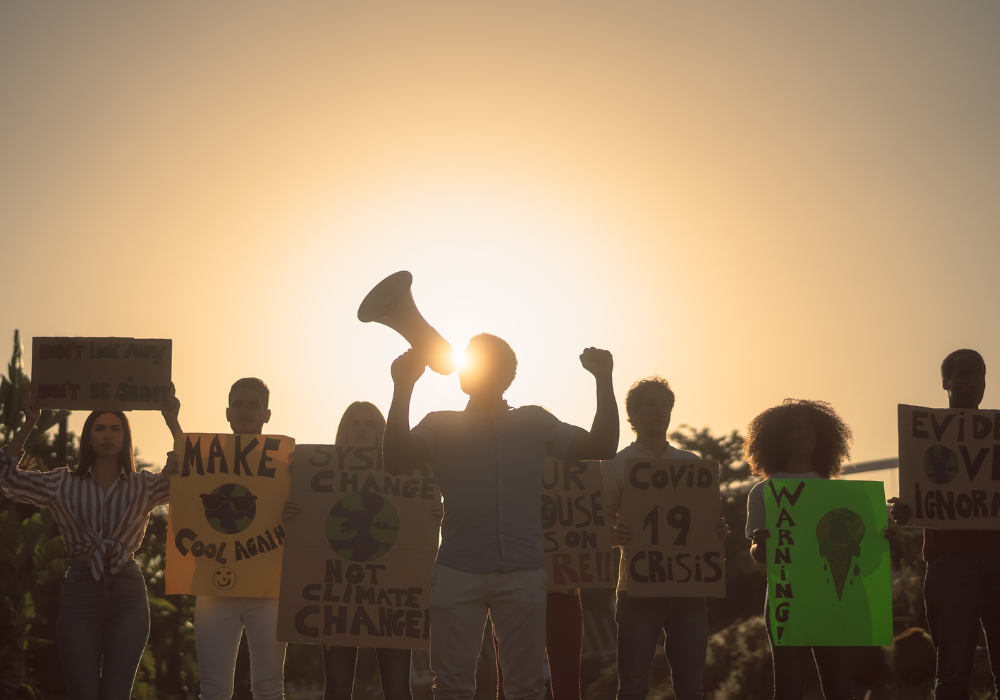
One of the ironies of offshore wind is that some of its toughest opposition comes from environmentalists. While many see it as essential for fighting climate change, others argue the massive turbines threaten whales, fish populations, and fragile ecosystems.
The debate has exposed a difficult truth: even green solutions have trade-offs. Supporters argue the climate crisis demands urgent action, while opponents say the risks to wildlife can’t be ignored. This divide has slowed projects and fueled more lawsuits. The controversy highlights how complex it is to transition to clean energy without sparking new environmental battles along the way.
8. Investors are getting nervous about future returns

When investors first backed offshore wind, the industry looked like a safe bet. Generous subsidies, political support, and growing demand for clean power promised strong returns. But as costs rise and delays mount, that confidence is fading.
Investors hate uncertainty, and right now offshore wind is full of it. Some are beginning to scale back or pull out entirely, worried that the risks outweigh the rewards. This financial hesitancy makes it even harder for new projects to get off the ground. Without strong investor backing, the momentum the industry once had could collapse even faster.
9. Global competition is leaving the U.S. behind
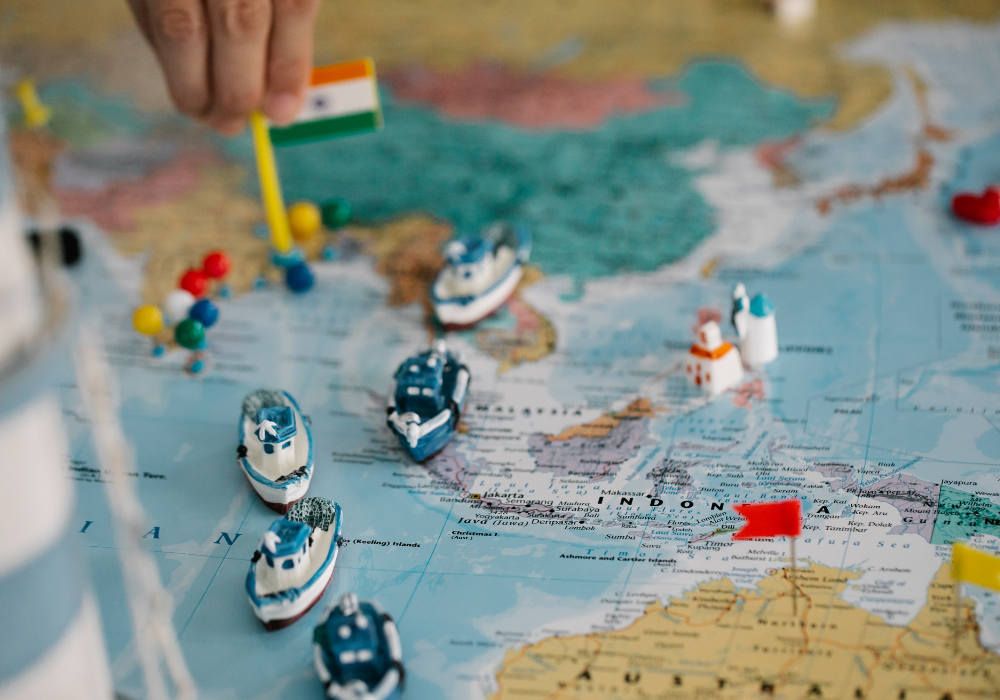
Europe and Asia are already far ahead when it comes to offshore wind. Countries like the U.K., Denmark, and China have built extensive projects, while the U.S. is still struggling to get started. That gap is widening every year.
Falling behind doesn’t just mean fewer turbines in the water—it means losing out on technology, expertise, and global influence. If the U.S. can’t build its offshore wind industry quickly, it risks becoming dependent on foreign companies and supply chains. For a country that wants energy independence, that’s a dangerous position to be in.
10. The climate clock is ticking faster than the industry can move
Offshore wind is supposed to be one of the cornerstones of America’s clean energy transition. But every delay makes it harder to hit ambitious climate targets. The clock isn’t just ticking—it’s racing.
Scientists warn that time is running out to cut emissions fast enough to avoid the worst impacts of climate change. If offshore wind collapses, the U.S. will need to scramble for alternatives, and that won’t be easy. The stakes aren’t just about keeping turbines spinning—they’re about whether the country can meet its promises to future generations in time.
11. The nation’s energy future hangs in the balance

At its core, the offshore wind struggle is about more than one industry—it’s about how America chooses to power itself in the decades ahead. The choices made now will shape jobs, the economy, and the environment for generations.
If the U.S. pulls back, it risks missing a critical chance to lead in clean energy. If it pushes forward, it must find ways to solve the economic, legal, and political challenges slowing progress. Either way, the outcome will ripple far beyond coastal waters, leaving a mark on the nation’s energy future and its role in the climate fight.