
Exceptionally preserved dinosaur “mummies” discovered in Wyoming’s fossil-rich badlands are offering rare insights into prehistoric life.

In the fossil-rich badlands of Wyoming, paleontologists have uncovered two remarkably preserved Edmontosaurus fossils—massive duck-billed dinosaurs that lived around 66 million years ago. Found in a region now known as the “Mummy Zone,” these specimens contain rare traces of skin, muscle, and even hoof-like foot structures. The extraordinary preservation is giving scientists a closer look at the anatomy and adaptations of these Late Cretaceous giants, revealing new details about how they lived, moved, and survived in prehistoric North America.
1. The “Mummy Zone” Is a Paleontological Goldmine
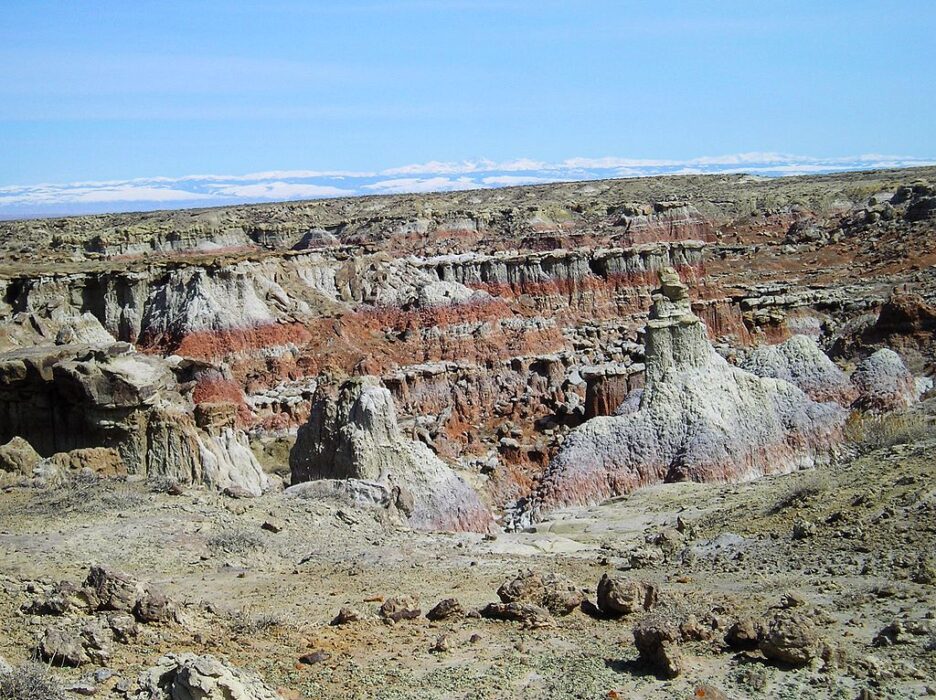
The stretch of Wyoming badlands where these fossils were found has earned the nickname “Mummy Zone” because of how exceptionally well it preserves ancient remains. Unlike typical fossil sites that yield only bones, this area’s unique mineral composition and rapid burial conditions can capture skin, soft tissue, and other delicate features.
Scientists believe periodic flooding followed by dry, oxygen-poor environments helped prevent decay, effectively “mummifying” some dinosaurs. These conditions have made the site one of the world’s most valuable windows into prehistoric life.
2. The Fossils Belong to a Duck-Billed Dinosaur Species

Both specimens belong to hadrosaurs, a family of duck-billed herbivorous dinosaurs that roamed North America roughly 66 million years ago. Hadrosaurs were among the last dinosaurs to live before the mass extinction event that wiped out most species.
They were large, social animals capable of walking on two or four legs and were known for their distinctive flat snouts. The new discoveries reveal more detail about their anatomy, helping scientists better understand how these adaptable creatures thrived in diverse ancient ecosystems.
3. The Skin Is Preserved in Stunning Detail
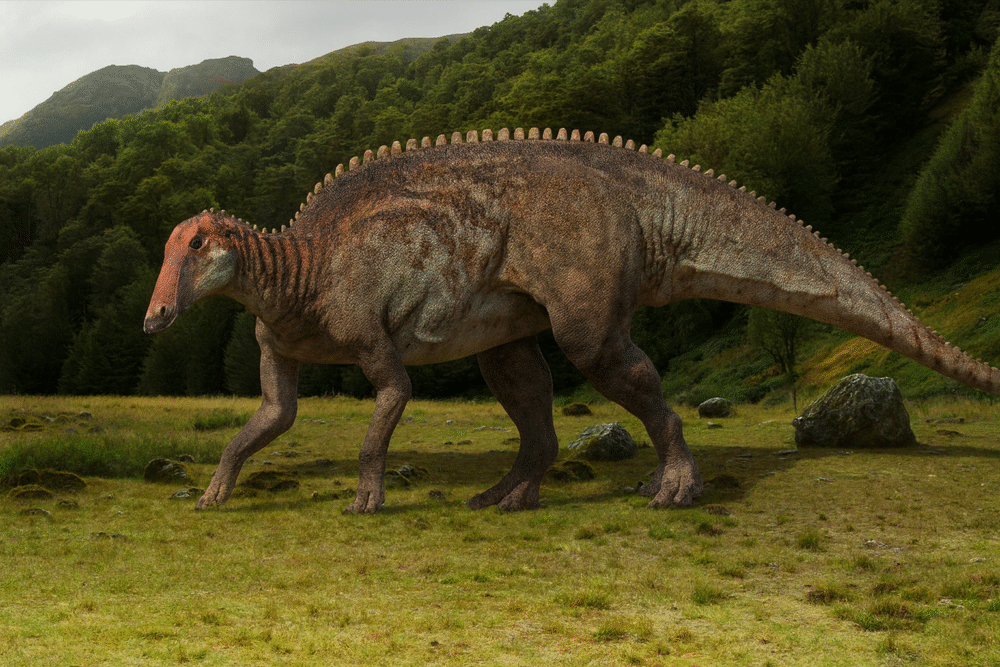
What makes these fossils extraordinary is the preservation of soft tissues, including skin patterns and textures. Paleontologists studying the specimens have identified scales and impressions that show how the dinosaurs’ skin varied in thickness and shape across different body parts.
This level of preservation allows scientists to reconstruct the animals’ appearance more accurately than ever before. It also offers clues about how their skin may have helped regulate temperature or provided camouflage in the environments they once roamed.
4. One Fossil Reveals a Shocking Anatomical Discovery

Perhaps the most surprising revelation is that one of the hadrosaurs appears to have hoof-like structures on its feet. These keratin-based coverings—similar to hooves or nails—suggest the dinosaurs may have been capable of moving more efficiently across muddy terrain.
This feature challenges previous assumptions that duck-billed dinosaurs had only fleshy, webbed feet. The find implies their locomotion was more complex, blending traits of both amphibious and land-adapted animals, which could reshape how scientists think about their behavior and habitats.
5. These Fossils Were Hidden for Millions of Years
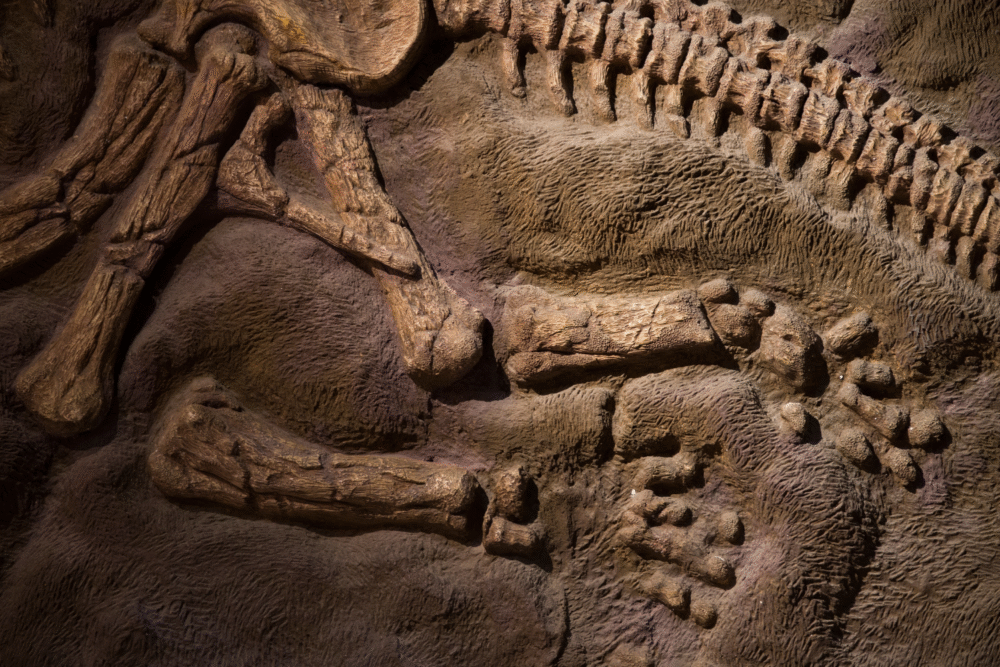
Both fossils were encased in layers of sandstone that had shielded them from erosion and scavengers for millions of years. Excavation teams had to work carefully, using dental tools and small brushes to expose the delicate skin impressions without damaging the surrounding rock.
Even after discovery, the fossils took years to prepare and stabilize in laboratories. Each inch revealed new details, turning what looked like ordinary rock into one of the most scientifically valuable finds of the decade.
6. Technology Helped Uncover Hidden Details

High-resolution CT scanning and 3D imaging have allowed researchers to study the fossils in unprecedented detail without removing them completely from their stone casings. These technologies reveal muscle outlines, skin folds, and subtle joint structures that were previously invisible.
By digitally “peeling back” the layers, scientists can analyze the dinosaurs’ internal anatomy and compare it to other species. This method also preserves the integrity of the fossils for future research, ensuring that none of their fragile surface details are lost.
7. The Discoveries Are Changing How Scientists View Fossilization

Until now, scientists believed such exceptional preservation was extremely rare. The “Mummy Zone” discoveries suggest that under the right environmental conditions, soft-tissue fossilization may have been more common than previously thought.
This challenges long-held assumptions about the fossil record and how often soft tissues survive. If more sites like this are found, paleontologists may need to revise how they interpret ancient ecosystems, shedding light on what life—and death—looked like in the age of dinosaurs.
8. The Fossils Reveal New Clues About Dinosaur Behavior
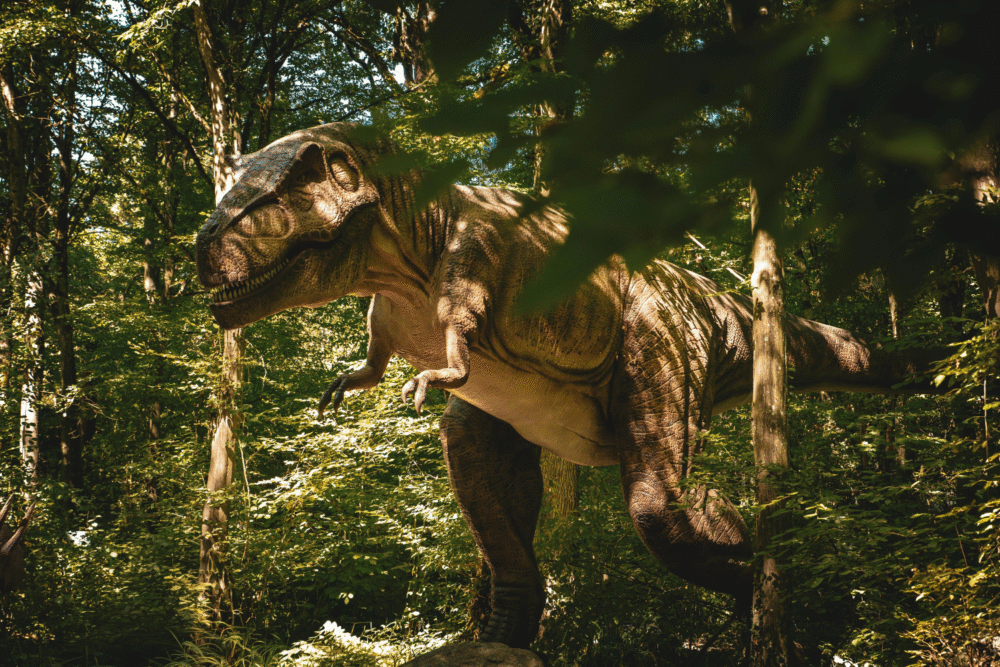
The skin and hoof-like structures offer more than anatomical detail—they hint at how these dinosaurs lived. The tough, textured skin could have protected them from predators or helped regulate body heat. The hooves may have aided movement across wetlands or floodplains.
Together, these adaptations paint a vivid picture of animals well-suited to their environment. Rather than slow-moving giants, hadrosaurs may have been agile and resilient creatures capable of surviving in challenging and variable conditions.
9. Scientists Say Preservation Was a Matter of Timing

Paleontologists studying the “Mummy Zone” emphasize that timing was everything. The dinosaurs likely died near water, where sediment rapidly covered their bodies before decay began. This quick burial, combined with the area’s fine-grained sediments, sealed off oxygen and slowed decomposition.
Over millions of years, minerals replaced soft tissues without destroying their structure. This rare process created fossils that are part bone, part rock, and part preserved organic material—an almost perfect natural snapshot of life from the Late Cretaceous period.
10. The Discoveries Could Rewrite Textbooks

The “Mummy Zone” fossils are already prompting scientists to reconsider previous interpretations of dinosaur anatomy and movement. The presence of hoof-like features, for instance, may require updates to museum reconstructions and educational models worldwide.
Such discoveries illustrate that paleontology is still an evolving science, where each new find can reshape our understanding of prehistoric life. The hadrosaur mummies remind us that even after centuries of study, dinosaurs continue to surprise and challenge our assumptions.
11. A Reminder of How Much We Still Have to Learn
The Wyoming discoveries highlight how much remains unknown about dinosaurs and their world. Each fossil reveals not just the anatomy of an ancient creature but also the environmental story of how it lived, died, and was preserved.
For scientists, the “Mummy Zone” represents a treasure trove of future research opportunities. For the public, it offers a glimpse into a lost world brought back to life through patience, technology, and a little luck—proof that Earth still holds secrets waiting to be uncovered.