
Fossils from one African site suggest early human evolution was crowded, complex, and far less orderly than once believed.
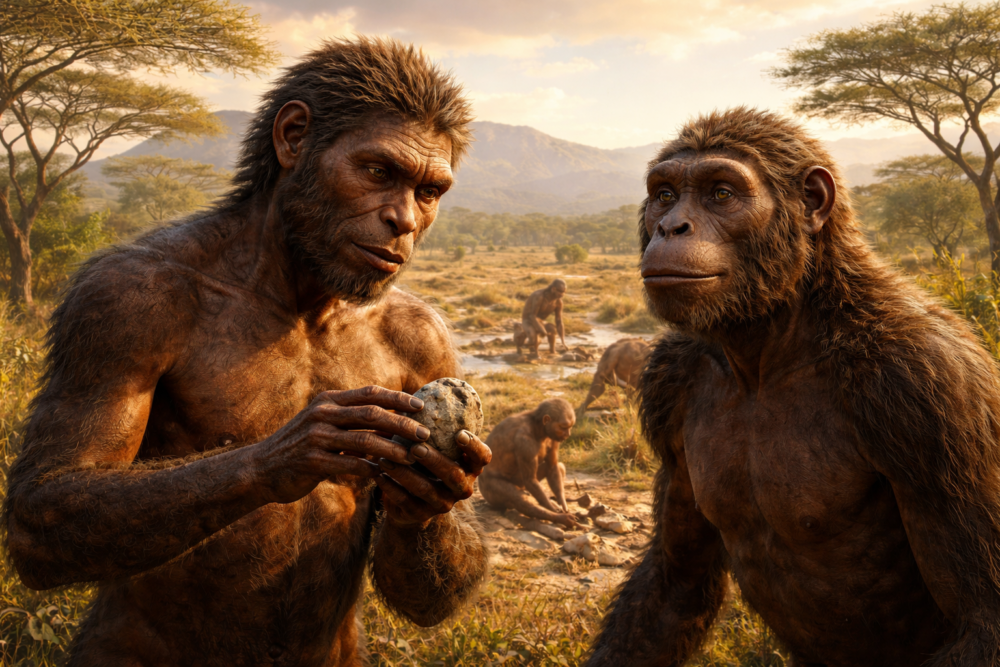
For decades, human evolution was often explained as a simple progression. One species appeared, adapted, and replaced the one before it, forming a straight line that eventually led to us
New fossil discoveries from eastern Africa are forcing scientists to rethink that story. At a single site, researchers have identified remains from at least two different ancient human ancestors living at the same time and place.
The finding suggests early human history was not a tidy sequence, but a shared landscape where multiple relatives evolved side by side, possibly competing, adapting, and surviving in different ways.
1. A Landscape Shared by Multiple Human Ancestors
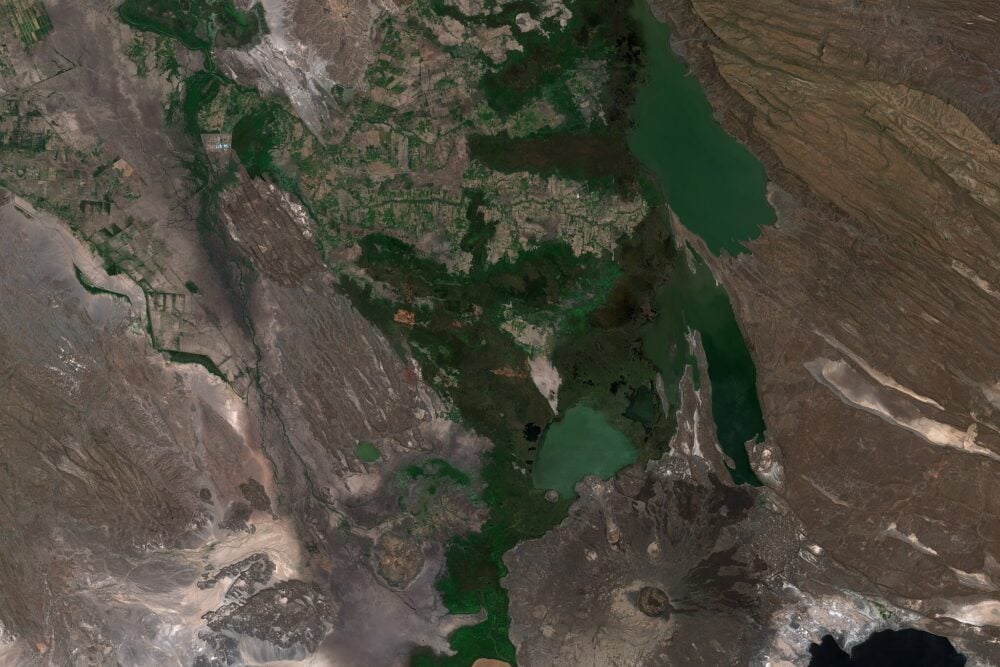
In northeastern Ethiopia’s Afar region, researchers uncovered fossils showing that more than one type of early human ancestor occupied the same area between about 2.6 and 2.8 million years ago. This directly challenges the long-held idea that only one hominin species lived in a region at any given time.
The fossils come from sediment layers that overlap in age, meaning these groups were contemporaries, not separated by thousands of years. Instead of replacement, the evidence points to coexistence on the same ancient landscape.
2. Fossil Teeth Revealed the Surprise
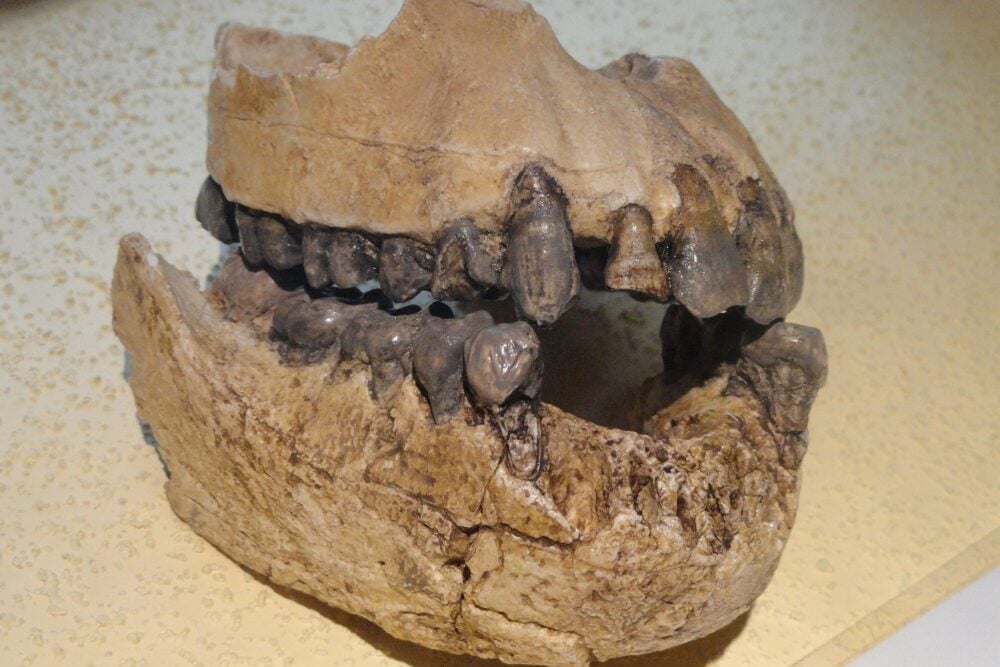
The discovery includes a collection of fossilized teeth, which are especially valuable because tooth shape and size can distinguish species. Some of the teeth match early members of the genus Homo, while others do not fit neatly into known categories.
Several teeth resemble Australopithecus but differ from famous species like Australopithecus afarensis. Their unusual features suggest they may belong to a previously unknown species, although more fossils are needed for confirmation.
3. Early Homo Was Already Present
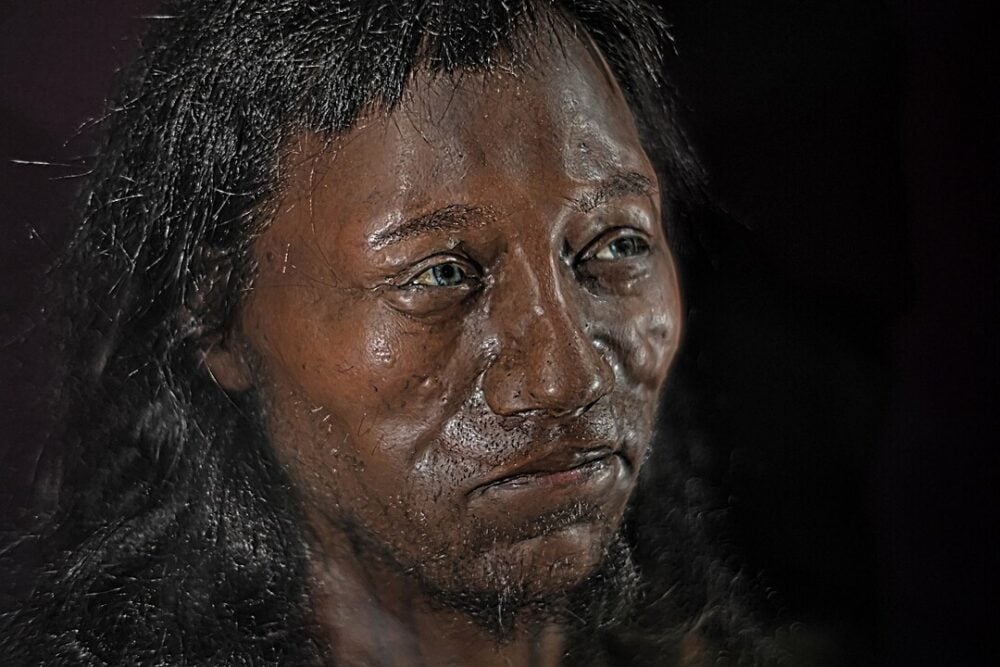
Among the fossils are remains attributed to early Homo, the genus that would eventually give rise to modern humans. These specimens are among the oldest known examples of Homo, dating close to the time when stone tool use was beginning.
The presence of early Homo alongside other hominins shows that our genus did not immediately dominate its environment. Instead, it shared space with close relatives that followed different evolutionary paths.
4. A Possible New Australopithecus Species
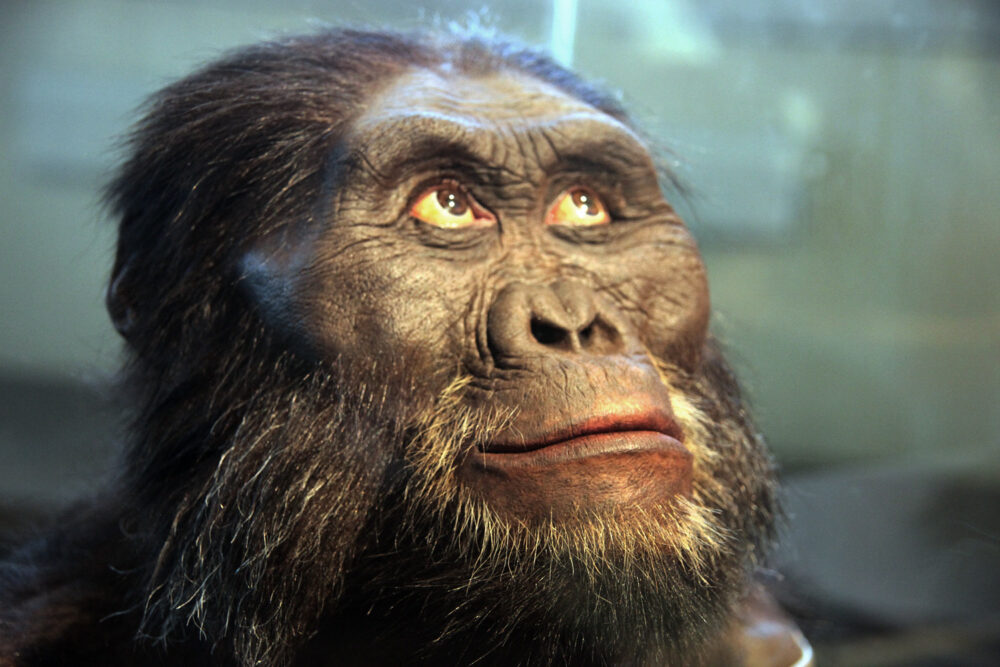
The non-Homo teeth show enough distinct traits that scientists are cautiously treating them as evidence of a new Australopithecus species. Differences in enamel thickness and tooth proportions hint at a different diet or feeding strategy.
If confirmed, this would add another branch to an already complex human family tree. It reinforces the idea that eastern Africa was home to several hominin experiments happening at the same time.
5. How Scientists Know the Fossils Are the Same Age
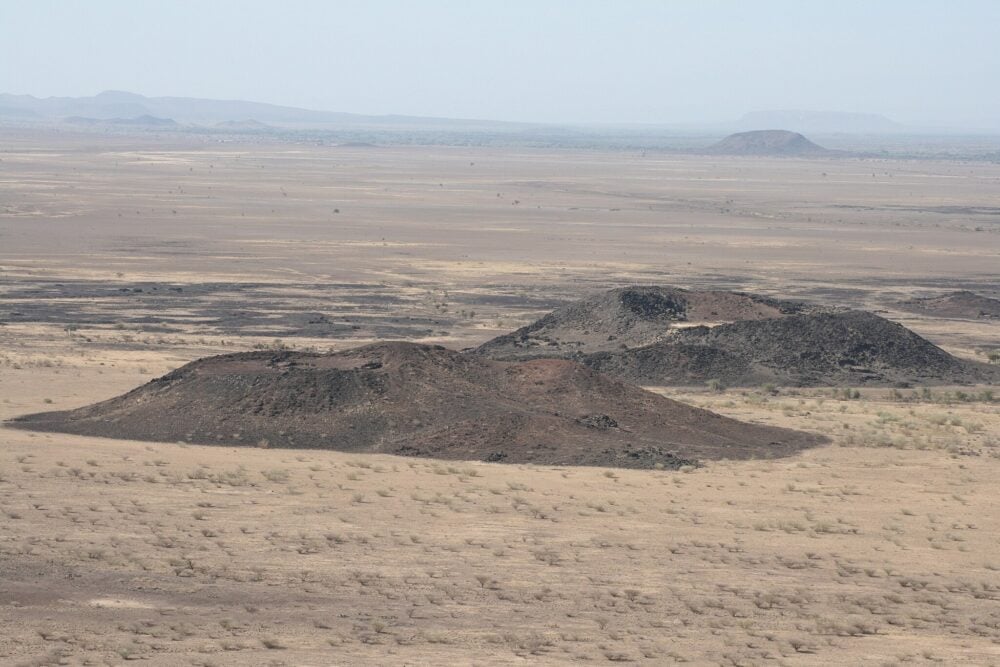
Dating ancient fossils is difficult, but the Afar region contains layers of volcanic ash that act like time stamps. These layers can be dated precisely using isotopic techniques.
By analyzing ash above and below the fossils, researchers can confidently place different species within the same time window. This removes doubt that the fossils simply drifted together from different eras.
6. Coexistence Does Not Mean Constant Conflict
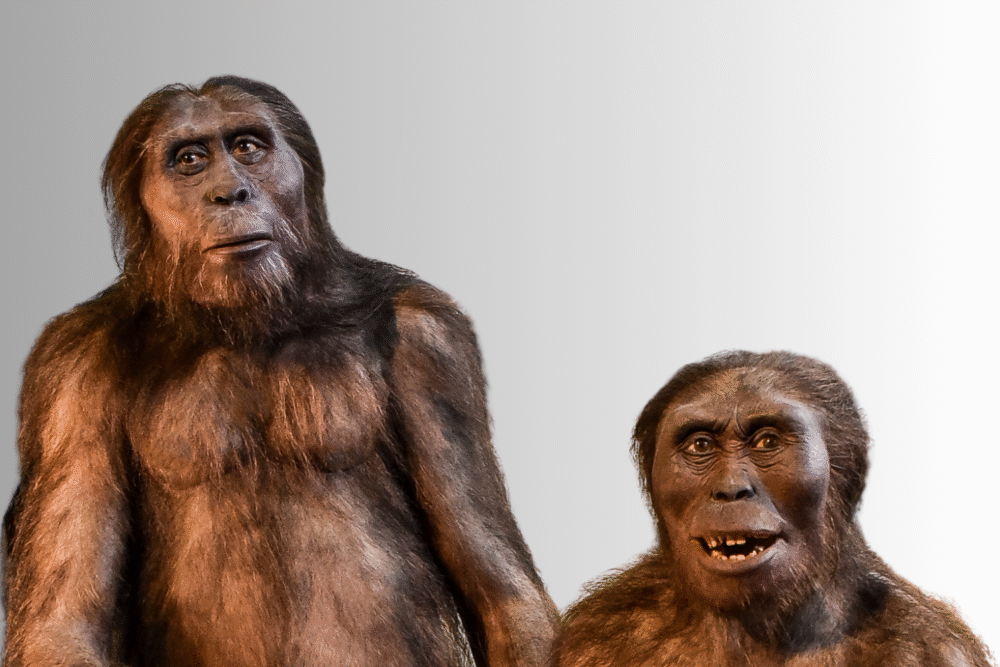
Finding multiple hominin species together does not automatically mean they were fighting for survival every day. They may have occupied slightly different ecological niches.
One group might have relied more on certain foods or habitats, reducing direct competition. This kind of niche separation is common in nature and helps explain how closely related species can live side by side.
7. The Old Ladder Model Breaks Down
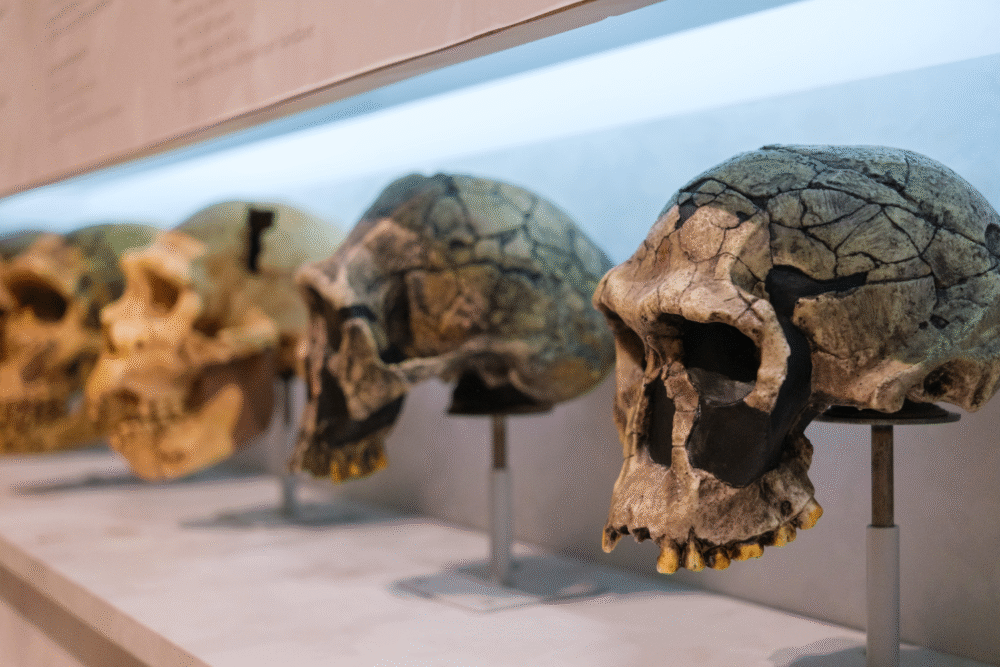
For much of the twentieth century, human evolution was taught as a ladder, with one species stepping neatly into the place of the last. Discoveries like this undermine that simple picture.
Instead of a straight line, evolution appears more like a branching tree. Multiple hominin species emerged, adapted, and sometimes disappeared, with no guarantee that any single branch would lead to modern humans.
8. Eastern Africa Was a Hotspot of Diversity
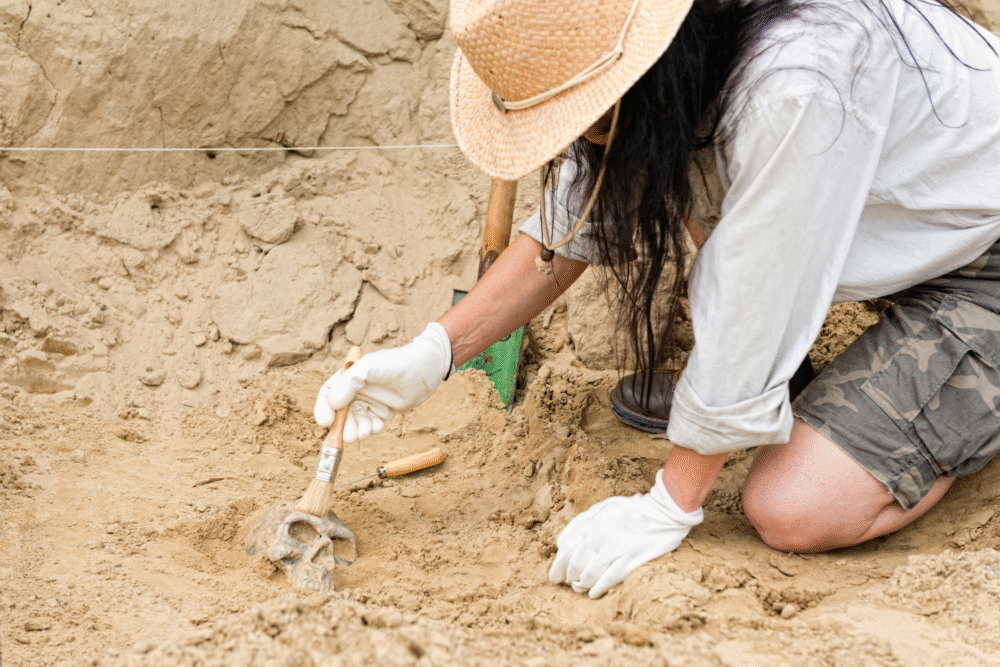
The Afar region and surrounding areas have repeatedly produced fossils from different hominin groups living within overlapping time frames. This suggests eastern Africa was not just a birthplace for humans, but a testing ground for many evolutionary strategies.
Changing climates, shifting landscapes, and varied food sources may have encouraged experimentation. Some lineages adapted successfully for long periods, while others vanished without descendants.
9. Tools Add Another Layer to the Story
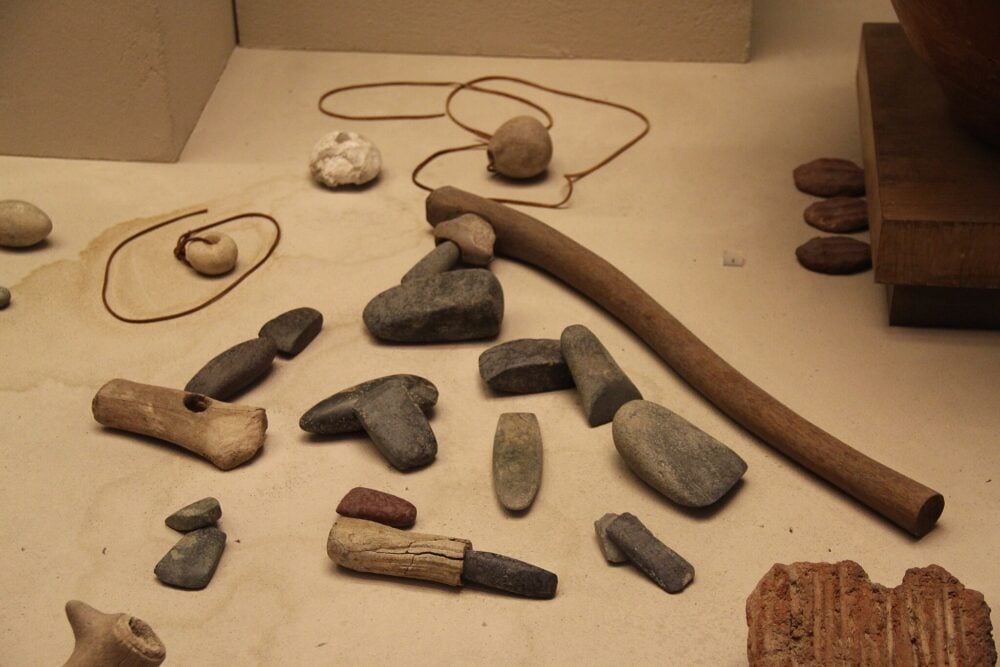
The same geological layers that contain these fossils also preserve some of the earliest known stone tools. These tools are typically associated with early Homo.
Their presence raises new questions about whether tool-using hominins shared space with non-tool-using relatives, and how technology may have influenced survival, cooperation, or competition among these groups.
10. Survival Was Not Guaranteed
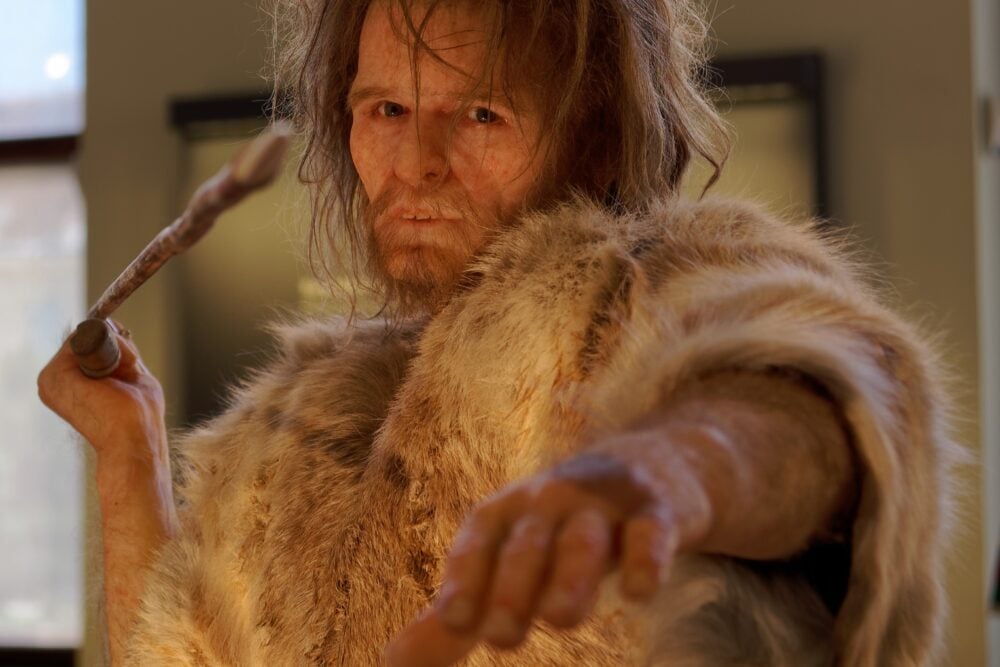
Coexisting species faced the same environmental pressures, yet their evolutionary outcomes differed. Some lineages persisted for hundreds of thousands of years, while others disappeared.
Understanding why one group survived while another did not is one of the biggest questions in human evolution. Factors may include diet flexibility, mobility, social behavior, or sheer chance.
11. Why This Discovery Matters
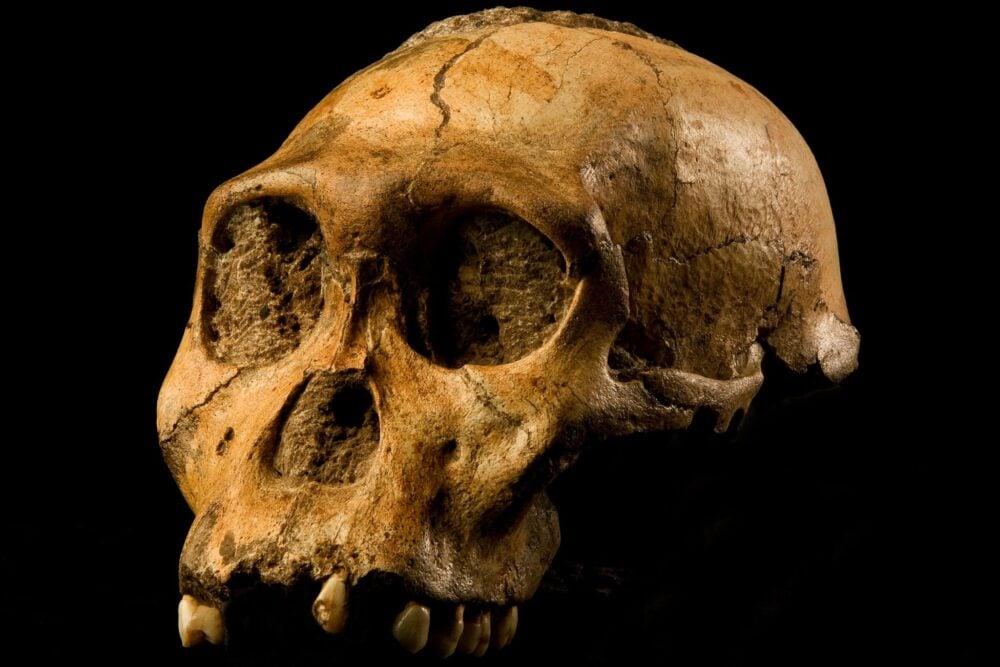
This finding reshapes how scientists think about our origins. It suggests modern humans emerged from a crowded evolutionary field, not a solitary lineage marching forward alone.
Each new fossil adds detail to a story that is far more complex than textbooks once suggested. Human evolution was not a straight path, but a shared journey filled with relatives whose stories are only now coming into focus.