
Airports are using facial recognition to speed security — at what cost to your privacy?

From the moment you step into a U.S. airport security lane, the Transportation Security Administration (TSA) may be ready to scan your face — but what happens to that image and the data attached to it isn’t always obvious. The agency says the photo taken at the checkpoint is used strictly to verify you match your ID, and it doesn’t save or store the image after a successful match under normal conditions. Still, experts warn that opt-in rules, data-retention details and potential future uses raise important questions about privacy and consent.
1. TSA’s New Security Shortcut Comes With a Catch
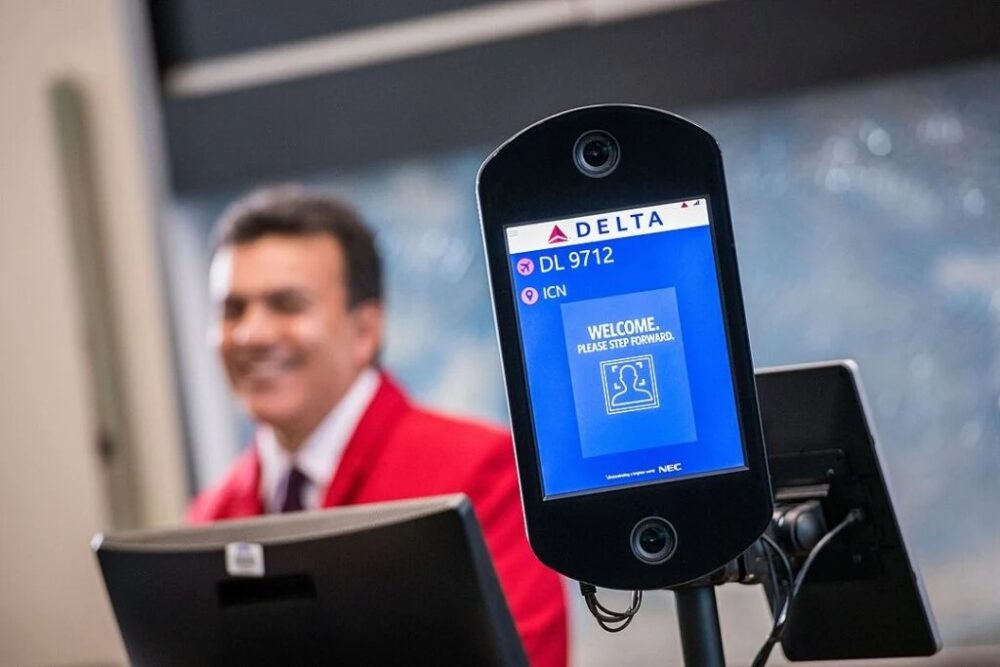
Facial recognition is quickly becoming part of air travel in the U.S. Instead of handing your ID to an agent, you simply look into a camera while the system compares your live image to your photo ID. The TSA says this makes screening faster and more secure for everyone.
But critics argue that convenience may come at a cost. Once your face becomes data, it’s no longer just a quick glance at the checkpoint—it’s part of a growing digital system that could outlive your flight.
2. How the Face-Scanning Process Actually Works

At select airports, travelers walk up to a self-service kiosk or checkpoint camera. The system snaps a photo and uses algorithms to match it with your driver’s license or passport image. If the match succeeds, you’re cleared to proceed.
The TSA insists the process takes only seconds and that the captured image is deleted immediately after a match. However, independent researchers point out that testing and retention practices vary, leaving passengers unsure how strictly those promises are enforced.
3. Not Every Airport Is Doing It—Yet
As of 2025, TSA facial recognition is active at more than 30 major airports, including Atlanta, Denver, and Los Angeles. The program is part of a broader rollout expected to reach nearly all major U.S. airports in the coming years.
Even if your local airport hasn’t implemented it yet, it likely will. The expansion is happening quietly, often without travelers realizing they’re participating in a pilot program designed to normalize biometric screening nationwide.
4. Your Face Isn’t Just a Photo—It’s Data
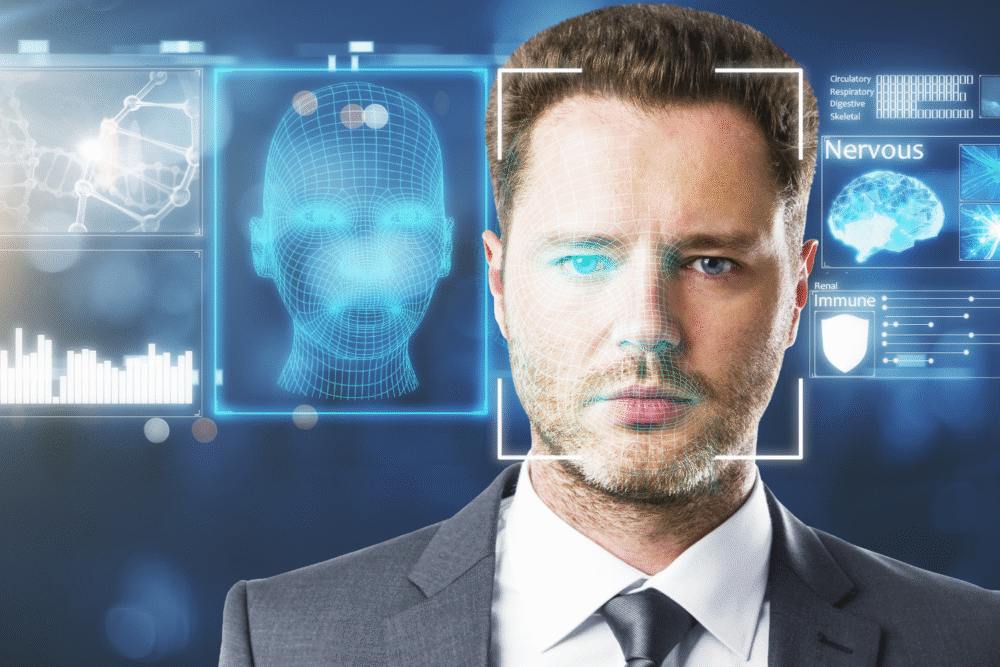
When your face is scanned, the image is converted into a unique “faceprint” made of numerical data points. That code can technically be stored, shared, or cross-referenced with other databases.
The TSA claims it doesn’t keep or share this data under normal screening conditions. But privacy experts warn that what’s possible today could easily change tomorrow. If laws or agency policies shift, those faceprints could become part of a larger network connecting identity, travel, and surveillance data.
5. You Can Say No—But It’s Not Always Clear How
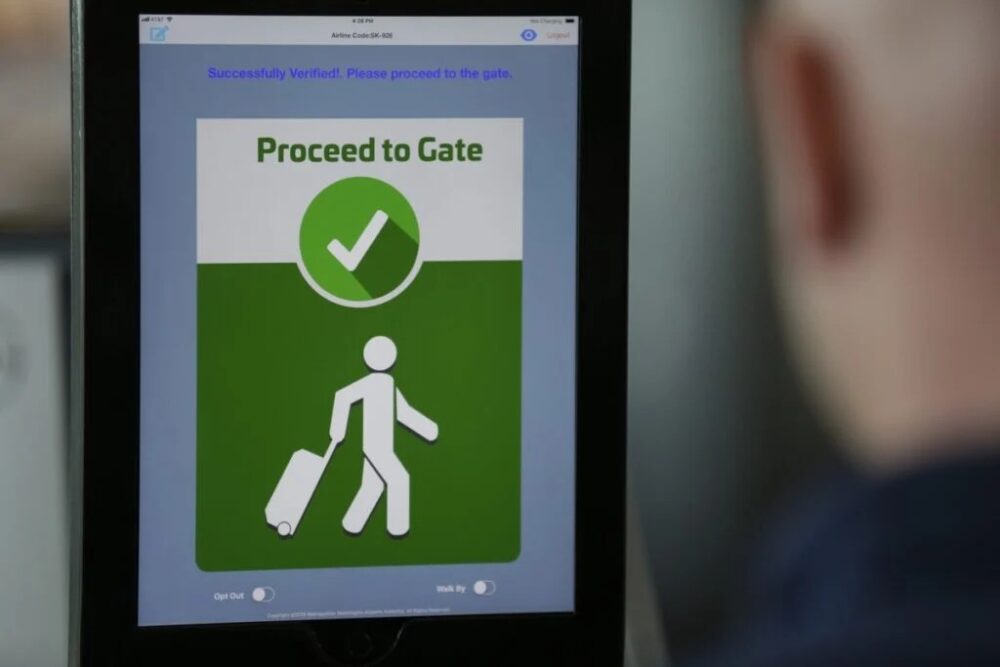
TSA officials emphasize that facial recognition is voluntary, meaning you can opt out and have an officer manually check your ID. Yet, many travelers say signage is unclear or staff don’t always explain the choice.
In a rush or with a long line behind you, it’s easy to feel pressured to comply. Privacy advocates argue that true consent requires clear instructions, equal convenience, and no penalty for choosing not to participate.
6. What Happens to the Photo After You Leave
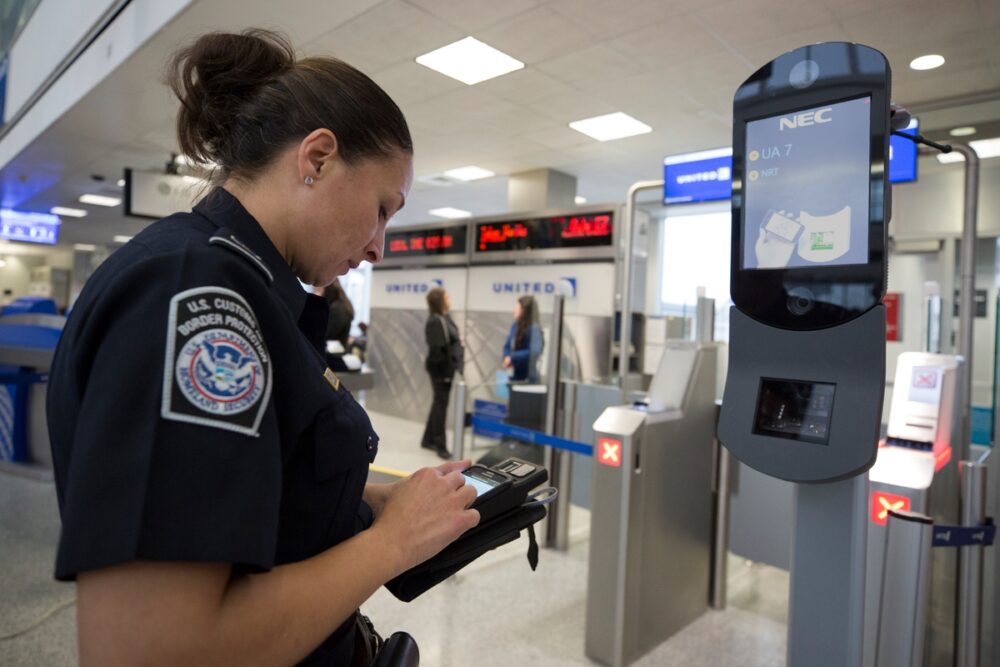
The TSA says images used for verification are deleted “immediately” after a successful match and stored only temporarily if there’s a problem or system test. The agency adds that photos aren’t added to any law-enforcement database.
Still, watchdog groups like the Electronic Privacy Information Center note that “temporary” storage is loosely defined. Without public transparency reports, it’s hard to confirm exactly when or how those images are erased—or who has access before deletion.
7. Experts Warn of ‘Function Creep’

Even if today’s use seems limited, experts warn about “function creep”—the gradual expansion of technology beyond its original purpose. What starts as ID verification could later help track passenger behavior or assist in criminal investigations.
If that happens, you might have no say in how your past scans are used. Once biometric data systems exist, it’s difficult to limit them, especially when other agencies or private partners see potential new uses.
8. Bias in Facial Recognition Still Exists

Studies have shown that facial recognition software can be less accurate for women and people of color. The TSA says its system undergoes rigorous bias testing, but civil-rights groups remain skeptical.
Even small error rates can have big consequences when applied to millions of travelers. A mismatched scan could lead to delays, questioning, or missed flights—all because of a flaw in the algorithm.
9. The TSA’s Long-Term Plan for Biometrics
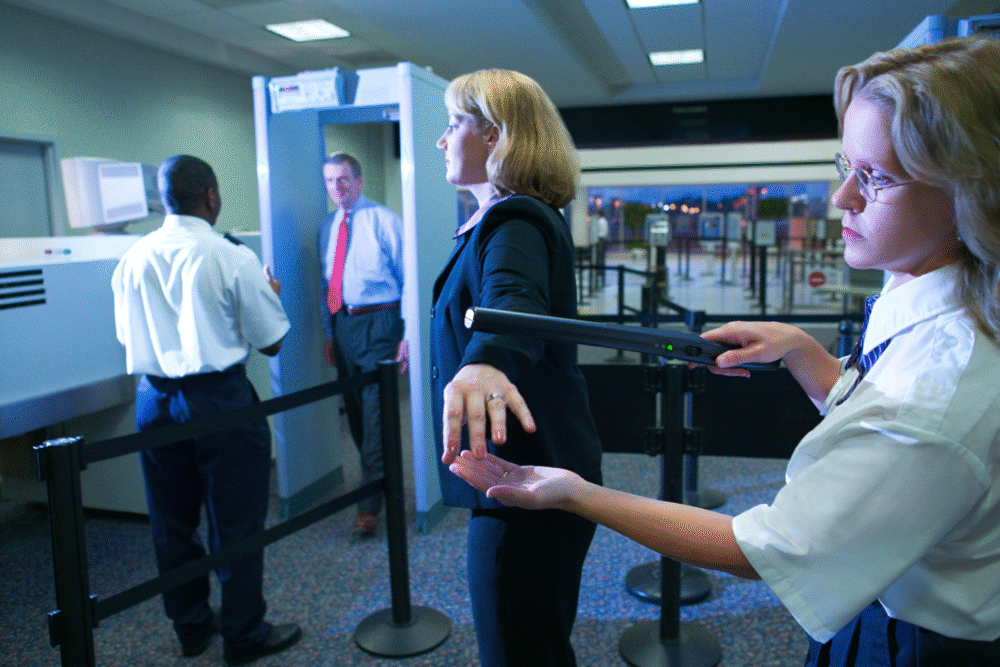
The facial recognition pilot is part of a larger TSA initiative to create a “biometrically enabled future.” The agency envisions a time when fingerprints, iris scans, and faceprints replace boarding passes and IDs entirely.
To travelers, that might sound futuristic—or unsettling. As airports evolve into digital checkpoints, the question becomes whether passengers will gain real convenience or just surrender more personal control.
10. How to Protect Your Privacy While Traveling
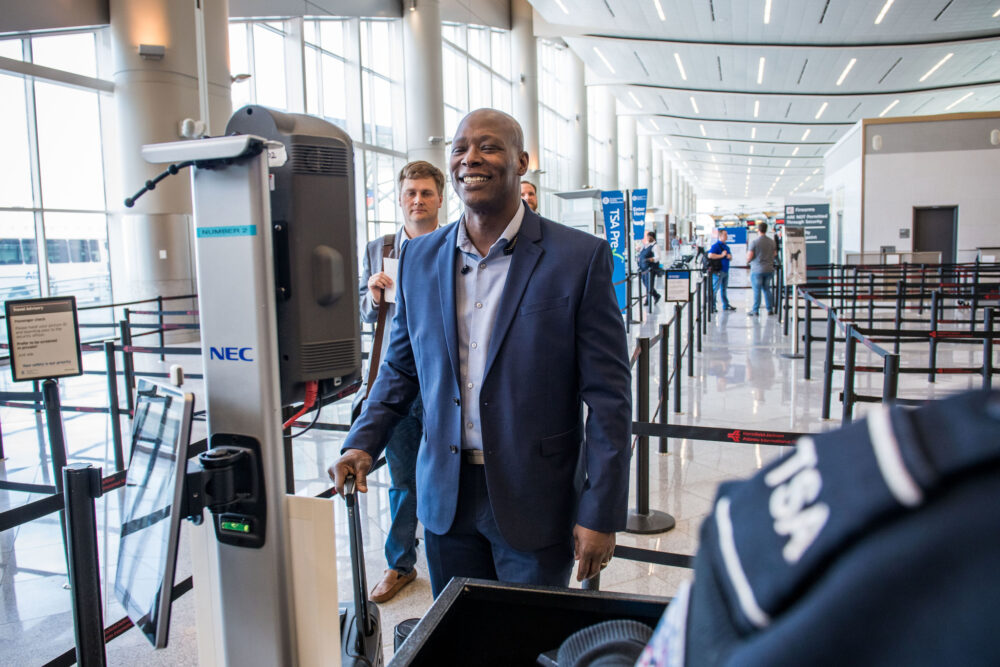
If you’d rather not be scanned, you can opt out verbally and show your ID to an agent. Covering or turning away from cameras can help avoid automatic captures in test areas.
Experts also recommend checking TSA updates before you travel, as opt-out rules can differ by airport. Staying informed helps you make real choices instead of assumptions when technology meets your face.
11. The Future of Flying May Depend on Trust
Technology promises smoother, safer travel—but only if the public believes it’s being used responsibly. Once trust is lost, even the best systems can face backlash.
Whether you see face-scanning as progress or intrusion, the debate isn’t going away. As more airports adopt the technology, the real test will be whether security and privacy can coexist without one overshadowing the other.