
Scientists say rising oceans may turn industrial sites into sources of dangerous, widespread pollution.

Rising seas aren’t just threatening coastal homes and beaches—they may also unleash toxic chemicals stored at thousands of industrial sites along U.S. shorelines. New analysis shows more than 5,500 coastal facilities sit in areas likely to be reached by sea-level rise or storm-driven flooding in the coming decades. These sites store hazardous materials that could leak into water, soil, and nearby neighborhoods if inundated. As climate-driven flooding becomes more common, millions of Americans may face environmental risks they never knew were there.
1. Thousands of Toxic Sites Are in Flood-Prone Zones

Using public records and flood-risk models, researchers identified over 5,500 industrial or hazardous locations along the U.S. coastline that are vulnerable to flooding by mid-century. These include chemical plants, military depots, waste storage facilities, and old industrial sites that still hold dangerous waste.
If sea levels rise as projected — along with increased storm surges — many of these sites are likely to suffer direct flooding. Once submerged, toxins could leach into ground and surface water. For nearby residents, that means exposure to chemicals they never bargained for.
2. Flooding Could Release Heavy Metals and Chemical Waste into Waterways
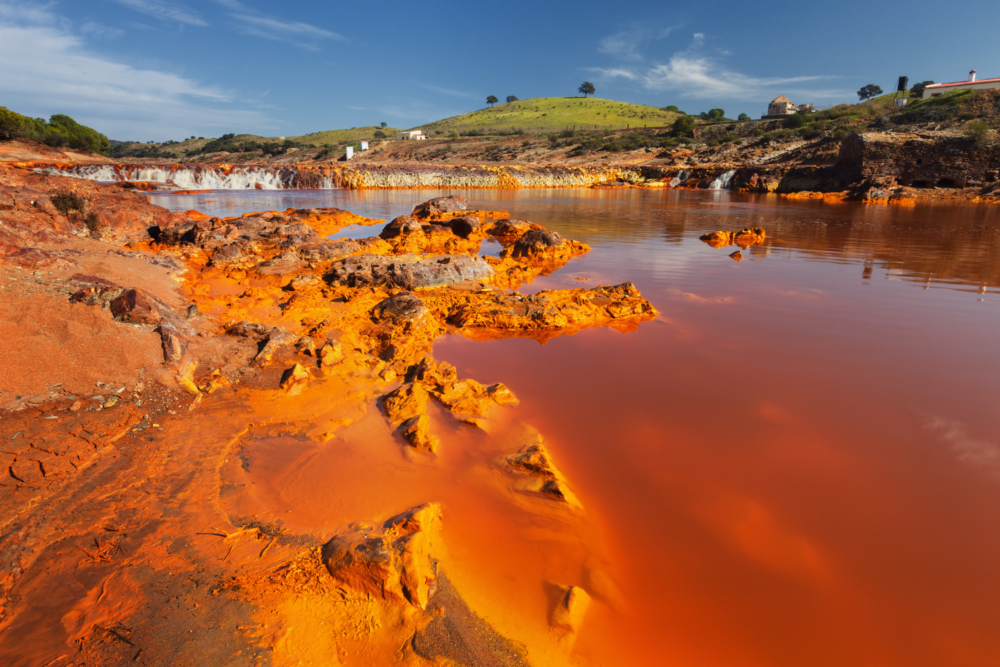
Many at-risk sites contain heavy metals, solvents, and byproducts from decades of industrial activity. Floodwater can erode containment systems and spread contaminants into rivers, groundwater, or coastal marshes.
The impact could ripple far beyond the initial flood zone. Contaminated water can affect drinking water sources, local fisheries, and soil — endangering public health and harming wildlife long after the storm subsides.
3. Rising Seas Will Make Cleanup and Containment Harder Than Ever

After a flood, hazardous sites usually require careful remediation — draining water, removing debris, and securing toxins. But ongoing sea-level rise and repeated storm events will make cleanup more complex and dangerous.
Sites submerged repeatedly may become permanently unstable. Floodwater may carry toxins beyond containment lines, contaminating surrounding neighborhoods and ecosystems. In many cases, full remediation may become practically impossible, leaving dangerous materials in place for decades.
4. Coastal Communities Are the Most Vulnerable — Especially Marginalized Ones
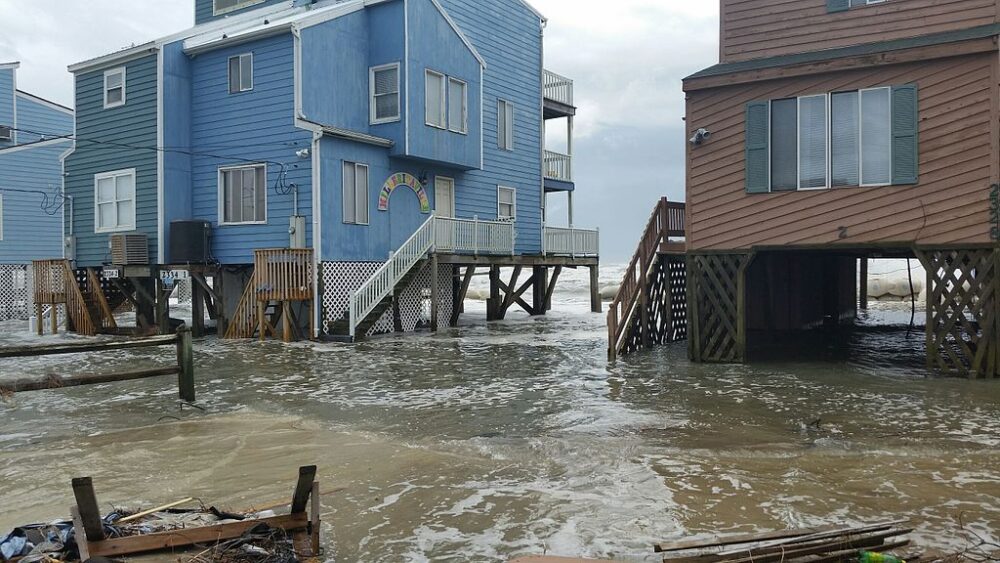
People living near coasts — particularly low-income communities and communities of color — often have the least capacity to respond to environmental disasters. If a toxic site floods nearby, they may face exposure, displacement, or property loss without adequate resources for recovery.
These populations often lack the political clout or financial means to demand cleanup or relocation. As sea levels rise, the environmental justice dimension of this crisis will likely deepen, putting already vulnerable communities at disproportionate risk.
5. Flood Risk Doesn’t Just Mean Sea-Level Rise — Storm Surges Could Trigger Disaster Anytime
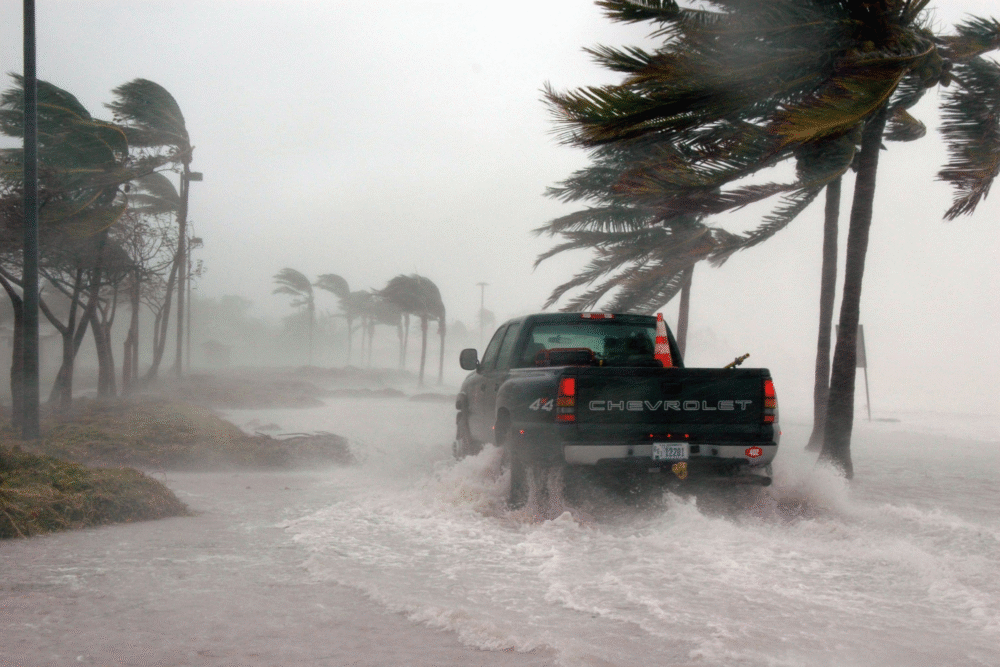
Even before permanent sea-level rise inundates land, storm surges from hurricanes and nor’easters can push seawater far inland — flooding toxic sites unexpectedly. In the next few decades, many at-risk locations may be impacted even without chronic sea rise.
That makes preparation essential. Coastal planning and zoning reforms will need to account for both long-term sea-level trends and sudden, extreme weather events. Ignoring either component leaves hazardous sites dangerously exposed.
6. Some Pollutants Could Travel Far — Beyond the Immediate Flood Zone

When toxins enter floodwater, they don’t stay put. Water moves quickly. Chemicals can dissolve, bind to sediment, or hitch a ride on debris — allowing them to travel miles from the original site.
This means even inland areas well away from the coast could experience fallout from a contaminated flood. Drinking-water sources, farmlands, and wildlife habitats may be affected long after the tide recedes or the rains stop.
7. Coastal Ecosystems and Wildlife Are Also at Risk
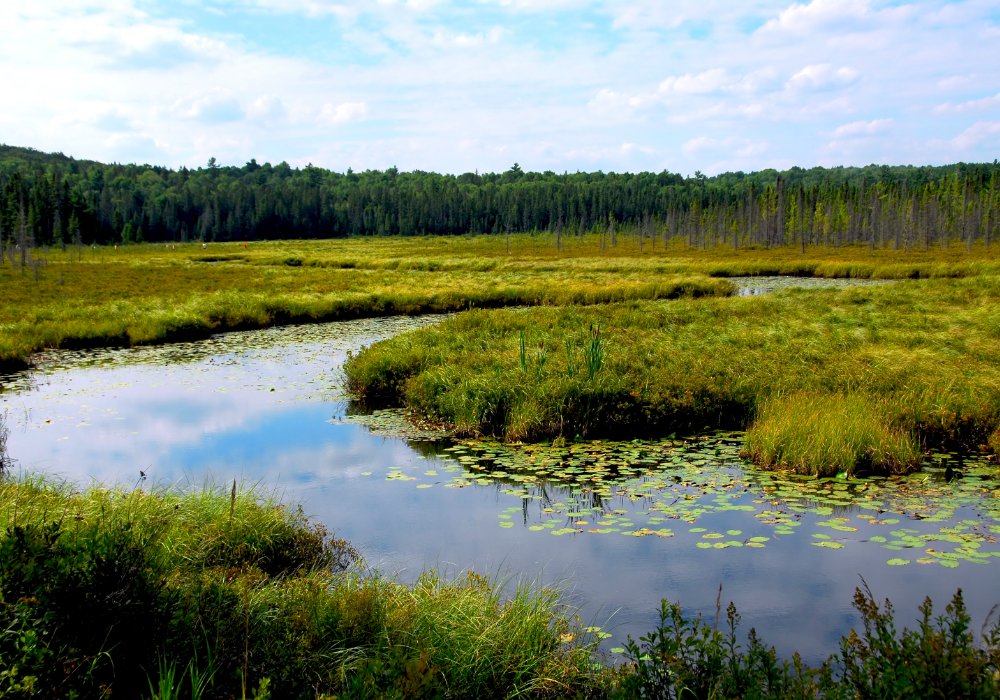
Marshes, wetlands, and tidal estuaries often lie between toxic sites and the open ocean — making them likely first recipients of contaminated floodwater. These ecosystems support fish, birds, and marine life that people rely on for food, recreation, and their livelihood.
Pollutants like heavy metals and industrial solvents can devastate aquatic life, disrupt food chains, and reduce biodiversity. Once a toxin enters an ecosystem, it can remain for decades, compromising water quality and habitat health long-term.
8. The Time to Act Is Now — Not After the First Flood

Researchers argue that planning and remediation efforts need to begin before sites flood. That means assessing every coastal hazardous site for risk, updating containment infrastructure, and developing emergency response plans.
Delaying action could turn temporary flood risks into permanent contamination zones. Proactive measures — protecting storage containers, relocating waste, or building barriers — can significantly reduce long-term damage to communities and the environment.
9. Regulators May Face Tough Challenges in Identifying At-Risk Sites

Many of the sites at risk are old, repurposed, or abandoned industrial facilities. Records are often incomplete, ownership may be unclear, and contaminants may remain undisclosed — making it difficult for regulators to know exactly what substances lie beneath.
This complicates cleanup efforts. First responders may not know which toxins they’re dealing with, increasing health risks. Accurate mapping and transparent disclosure will be crucial — but many sites remain under-regulated or poorly documented.
10. Insurance and Property Value Risks Could Hit Homeowners Hard

If toxic flooding becomes more common, properties near at-risk sites may lose value. Insurance rates could skyrocket or become unavailable altogether. Homeowners, renters, and local businesses may soon face financial loss — even if their homes are never flooded directly.
This economic fallout could ripple through coastal regions, affecting local tax bases, schools, and public services. What begins as environmental risk could morph into a socioeconomic crisis.
11. The Crisis Could Reshape How We View Coastal Planning and Development

The potential flooding of hazardous sites forces a broader reevaluation of coastal development. It’s no longer enough to plan for rising seas and changing shorelines — we also have to account for toxic legacy sites and hidden environmental risks.
Communities, policymakers, and developers may need to reconsider where people live, how zoning works, and what kind of industry belongs near rising waters. The decisions made in the next few years could determine whether coastal America survives this environmental and public-health challenge — or becomes a landscape of toxic ruins.