
Pushing through isn’t the flex you think it is.
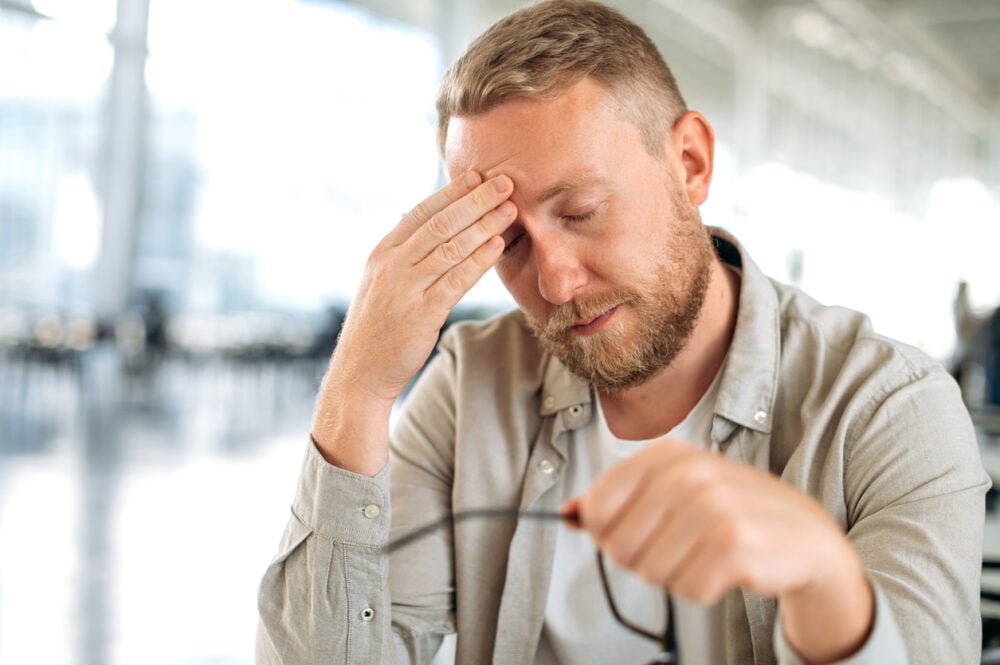
We’ve been sold a version of resilience that looks a lot like self-abandonment. Keep going no matter what. Don’t cry. Don’t ask for help. Power through it. That mindset might get you through a bad day at work, but over time? It wears you down. And worse, it convinces you that struggling in silence is some kind of moral achievement.
The truth is, most of what we think of as strength is just coping. And coping isn’t the same as healing. We celebrate the people who hold everything together without falling apart, but rarely ask what it’s costing them. If you’re exhausted, emotionally numb, or constantly on edge—you’re not broken. You’re probably just burned out from carrying too much for too long without support. These first six myths show how our idea of resilience got twisted into something unsustainable—and why unlearning it might be the most powerful thing you do.
1. Bouncing back fast doesn’t mean you’re strong.

There’s pressure to “move on” as quickly as possible when something bad happens. If you can laugh again fast, get back to work, or stay productive through pain, people call that strength. Mary-Frances O’Connor, speaking with the American Psychological Association, emphasized that grief isn’t something to push through—it’s a neurological process that takes time to rewire how we understand loss. What looks like resilience might be a fear of what’ll surface if you slow down. Taking time doesn’t make you weak—it makes you human. Some things aren’t meant to be brushed off.
You’re allowed to pause, to cry, to step back and let something sink in. If you rush through the hardest moments, they don’t go away—they just wait for you in the background. And eventually, they’ll find their way back up. Real strength means giving yourself permission to move slowly and feel fully. Resilience shouldn’t mean ignoring your own emotional needs just to look like you’ve got it together.
2. Needing help isn’t a failure of character.

We glorify independence so much that needing help feels like a personal shortcoming. But resilience was never supposed to be a solo act. Humans evolved in communities—wired to care for one another. When you reach out, you’re not burdening people. You’re participating in a system that only works if we stop pretending we don’t need each other.
Professionals at the Mental Health Center of San Diego emphasize that strong social support can reduce stress, ease emotional burdens, and speed up psychological recovery. It’s not weakness—it’s wisdom. But when asking for help is seen as weakness, people keep quiet until they break. And that delay often makes everything worse. You don’t have to wait until you’re falling apart. The strongest thing you can do might be admitting you can’t do this alone. That’s not failure. That’s honesty. And resilience rooted in honesty is the only kind that lasts.
3. Emotional suppression isn’t strength—it’s self-sabotage.

There’s a difference between emotional regulation and emotional repression. When you shut down your feelings in order to function, it might help in the moment. But those buried emotions don’t stay buried forever. Yuta Katsumi and colleagues found that emotional suppression is associated with physical symptoms like fatigue and cognitive wear, reinforcing its toll on overall well-being. Suppression might look like strength, but it slowly chips away at your well-being.
We’ve been taught that resilience means pushing through pain without showing it. But real strength involves actually facing what hurts. Processing your emotions doesn’t make you unstable. It keeps you from being consumed by them later. You don’t need to perform calmness to be strong. You need to create space where it’s safe to feel what you’re feeling. That’s where healing happens. And if you never give yourself that space, you’re not building resilience—you’re burying the parts of yourself that need care the most.
4. Staying in survival mode isn’t the same as being resilient.

If you’re constantly grinding, constantly pushing, constantly “making it work,” it might feel like resilience—but it’s more likely survival mode. It’s what your brain does when it doesn’t feel safe enough to rest. You might be functioning well on the outside, but inside, you’re just running on fumes. That’s not thriving. That’s bracing for impact on a loop.
Resilience isn’t about how long you can stay tough. It’s about knowing when you need to recover. When you live in survival mode too long, your body and brain begin to forget what calm feels like.
You start to believe this frantic state is just your personality. It’s not. It’s a response to chronic stress. Real resilience includes knowing when to stop pushing—and trusting that you’re still worthy even when you do. You don’t have to prove your strength by burning yourself out. You’ve already survived. Now you’re allowed to rest.
5. Being numb isn’t the same as being strong.

When you’ve been through enough, shutting down can start to feel like a superpower. Nothing fazes you. You don’t get too excited, too hurt, too hopeful. People might even compliment you for how “chill” or “unbothered” you seem. But numbness isn’t strength. It’s your nervous system’s way of saying it’s had enough.
There’s a cost to not feeling things. You lose access to joy, connection, and even empathy. You might stop crying—but you also stop laughing. You’re not protecting yourself when you go numb; you’re cutting yourself off from life.
True resilience means staying connected to your emotional world, even when it’s messy. You’re allowed to care. You’re allowed to be affected. Feeling doesn’t make you weak—it makes you real. And real connection, even to your own feelings, is what helps you recover. You don’t need to toughen up. You need to thaw out.
6. Stoicism doesn’t build resilience—it buries it.
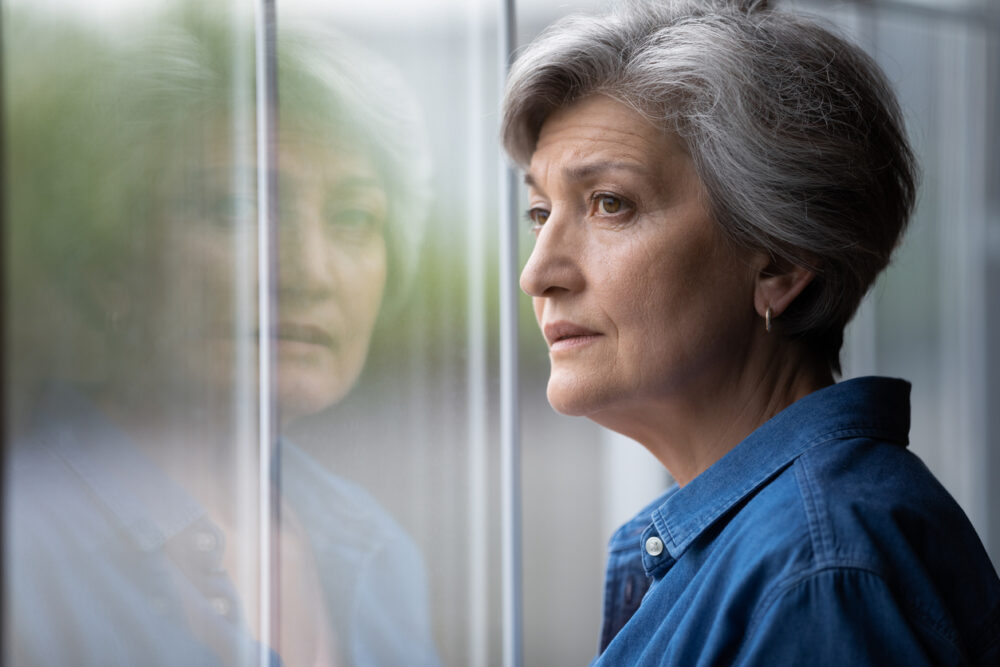
The whole “grin and bear it” mentality gets praised all the time. We’re told to be stoic, keep our heads down, push through. But constantly suppressing your emotions and putting on a brave face doesn’t make you resilient—it makes you invisible. People assume you’re okay because you look okay, even when you’re barely hanging on.
Over time, that kind of stoicism isolates you. No one offers support because no one thinks you need it. And worse, you start believing you shouldn’t need it. That belief doesn’t make you strong. It makes you silently suffer. True resilience isn’t about hiding your pain—it’s about having the tools and relationships to move through it. You don’t have to act fine to be admirable. In fact, letting yourself be seen when things aren’t fine might be the most powerful thing you can do.
7. Pushing through everything doesn’t build character—it builds burnout.

We’ve turned exhaustion into a personality trait. If you’re tired all the time, overwhelmed but still pushing, people call you “dedicated” or “strong.” But constantly pushing through isn’t sustainable—it’s a fast track to burnout. You might get praised for being reliable, but praise doesn’t fix your nervous system or refill your emotional reserves. Burnout doesn’t always show up as collapse. Sometimes it looks like chronic irritability, brain fog, or just not caring anymore. That slow fade is easy to ignore because it builds gradually. But ignoring it doesn’t make it go away.
Building character isn’t about how much you can take before you break. It’s about knowing when to stop pushing and take care of yourself before you hit a wall. Rest isn’t a reward—it’s a right. You can’t “out-tough” burnout. You have to stop before it breaks you.
8. Being the strong one for everyone else will eventually break you.

When you’re the one who always has it together, people start to expect it. They lean on you, confide in you, ask for your help—but rarely check on you. And it becomes a cycle: you show up for everyone, but no one shows up for you. It feels noble, even empowering at first. But eventually, it becomes lonely and overwhelming.
You might think your strength is holding everyone else up, but what happens when you’re the one who needs support? Being the strong one doesn’t mean you don’t have needs—it just means you’ve gotten really good at hiding them. But that act wears you down. You deserve care too. And if people only value you when you’re useful to them, it’s not resilience—it’s self-erasure. True strength is reciprocal. If you’re constantly the one carrying the emotional weight, maybe it’s time to set some of it down.
9. You don’t owe anyone your composure in a crisis.

The idea that staying calm during chaos is the highest form of strength is wildly overrated. Not everyone processes crisis with a flat face and a steady voice. Some people cry, shake, get angry, go silent.
That doesn’t mean they’re falling apart—it means their body is responding in real time to stress, grief, or fear. You don’t have to be “the calm one” for anyone. Your job in a crisis isn’t to manage other people’s comfort by hiding your own pain. You’re allowed to feel things fully, to be visibly upset, to take space if that’s what you need. Falling apart for a minute doesn’t mean you’re weak. It means you’re human. And sometimes the most resilient thing you can do is let it out—so it doesn’t stay locked inside you.
10. Strength doesn’t mean being okay with what hurt you.

Forgiveness and acceptance get confused with resilience all the time. But strength isn’t about being “okay” with the things that hurt you. You don’t have to smile through harm, brush off betrayal, or pretend trauma didn’t leave a mark. You can be resilient and still angry. You can grow and still grieve.
Resilience doesn’t mean erasing what happened. It means carrying the truth without letting it define you. Sometimes we skip too quickly to healing because discomfort makes others uneasy.
But resilience isn’t about making others comfortable—it’s about telling the truth and building something stronger on the other side. You can reject what broke you and still move forward. You can speak honestly about your pain without being “stuck in the past.” That’s not weakness. That’s the beginning of recovery.
11. You’re not more resilient just because you suffered more.

There’s a myth that the more you’ve endured, the stronger you must be. But trauma isn’t a contest, and suffering doesn’t automatically lead to strength. Some people survive terrible things and come out numb, anxious, or exhausted. That’s not a failure—it’s just reality. Pain doesn’t owe you transformation. It’s okay if you’re not grateful for what you went through. It’s okay if you’re still figuring out how to live with it.
Resilience isn’t about how much you’ve survived—it’s about what you do now. You don’t have to prove your worth through pain. You don’t need to spin your suffering into a success story for it to matter. Surviving is enough. And healing doesn’t require you to be grateful for every wound—it only asks that you give yourself a chance to rest, rebuild, and keep going.