
Scientists just redrew the tornado map—and your hometown might be in the bullseye.
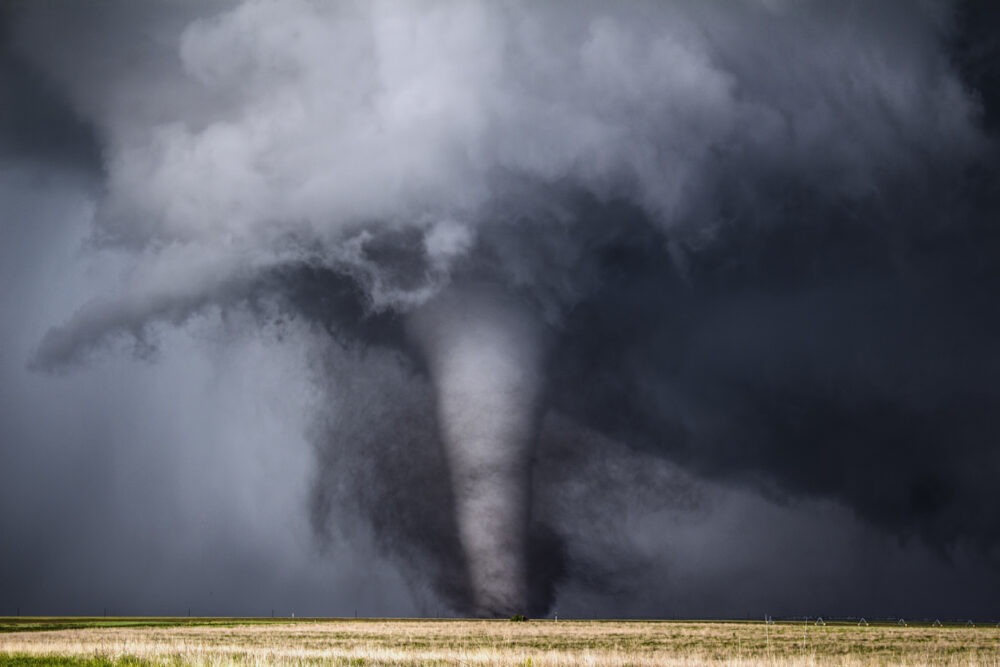
You might want to rethink where you call “safe.” If you grew up thinking tornadoes only tore through flat stretches of Oklahoma or Kansas, brace yourself—because that’s not the case anymore. Tornado Alley isn’t staying put. It’s on the move, and the new path it’s cutting is catching a lot of people off guard. We’re talking about places that never saw a twister in decades now watching funnel clouds roll through like it’s nothing new. You may have even seen those viral videos popping up lately—violent storms dropping out of calm skies in towns you’d never expect. It’s not just your imagination.
Scientists and storm chasers are raising the alarm, and the data backs them up. The shift is already underway, and the storms are hitting harder and faster. If you think tornado season doesn’t apply to you because of your zip code, you might be in for a rude awakening. This change is real, and it’s reshaping what we all thought we knew about where these monster storms strike.
1. Central Tennessee is seeing tornadoes more often—and they’re hitting at night.
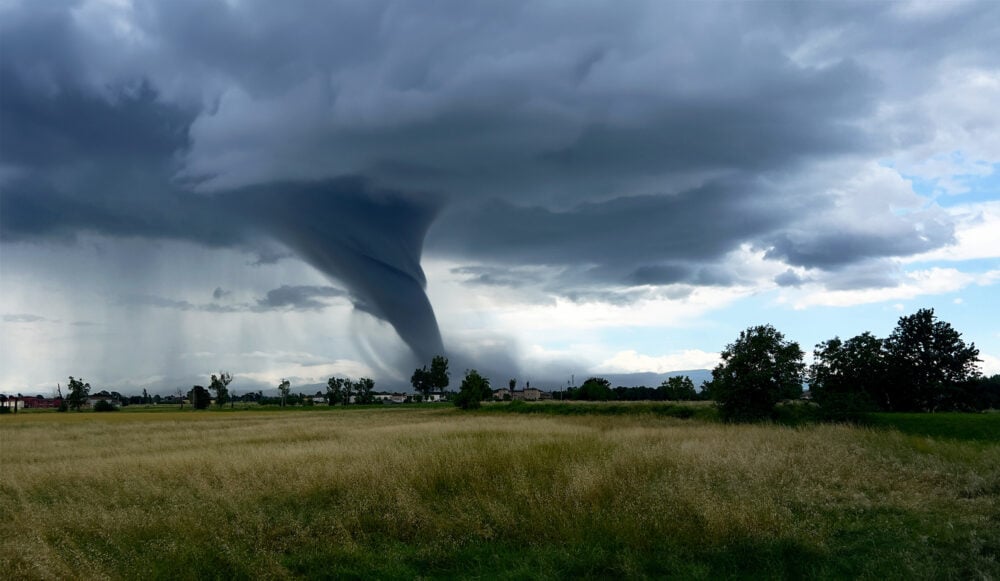
Middle-of-the-night tornadoes are terrifying, and for folks in central Tennessee, they’re becoming alarmingly routine, according to the experts at WVLT. Unlike the open plains of Oklahoma, this region’s dense hills and forests make it harder to spot funnels before they’re right on top of you. Add in the fact that many of these storms strike while people are asleep, and you’ve got a seriously deadly combo. Nashville and nearby towns have been rocked by severe nighttime tornadoes over the past few years, and residents who once felt removed from tornado talk are now installing underground shelters.
The terrain here also messes with sirens and radar coverage, making warnings less effective. Meteorologists are flagging this area as one of the fastest-growing hot spots for tornadic activity. If you’re living in or near this region, you might want to rethink how prepared you really are—because the storms aren’t just coming; they’re already here.
2. Northern Georgia is becoming a new bullseye for violent storms.
Once considered safely tucked away from America’s traditional tornado zones, northern Georgia is now facing an uptick in tornado frequency—and intensity, as reported by the people at Fox 5 Atlanta. Cities like Rome, Dalton, and even parts of suburban Atlanta have seen tornadic activity that’s far from mild. Residents are used to thunderstorms and the occasional tropical system, but tornadoes? That used to be someone else’s problem. Not anymore. Warmer air from the Gulf is creeping farther north and meeting cooler systems in new places, which is a recipe for serious trouble. The 2023 LaGrange tornado was a wake-up call, shredding homes and leaving behind a trail of disbelief. Local emergency crews say they’ve had to completely rethink their preparedness strategy.
People are buying weather radios, reinforcing homes, and taking those “watch vs. warning” distinctions a lot more seriously. If you’re in northern Georgia, it’s time to stop treating tornado warnings like background noise—they’re getting louder for a reason.
3. Southern Illinois is now squarely in the tornado crosshairs.
If you thought Illinois’ tornado troubles stopped at its southern edge, think again. Southern Illinois is quickly becoming a new epicenter for severe tornado activity, and it’s catching people off guard, as stated by the authors at Earth Observatory. Historically, this area saw its fair share of storms, sure—but lately, the frequency and destruction have jumped way beyond the norm. The 2021 twister that tore through the Amazon warehouse in Edwardsville wasn’t just a fluke—it was a sign of what’s shifting.
Local climatologists point to warmer winters and longer storm seasons as contributors. Add in flat farmland and minimal shelter infrastructure in some counties, and it’s easy to see why people are getting nervous. What makes it more jarring is how fast everything is changing. Tornado drills are now routine at schools and offices, and people who once shrugged off sirens are double-checking their basements. The storms are no longer passing through—they’re planting roots in southern Illinois.
4. Western Kentucky is bracing for storms that just keep getting worse.

Western Kentucky knows storms—but not like this. The 2021 outbreak that flattened Mayfield was the kind of event that shatters assumptions and rewrites local history. In just a few terrifying hours, what used to be a low-key winter weekend turned into a full-blown disaster. Since then, tornado frequency and severity have stayed unnervingly high across the region. Residents now talk about “storm season” the same way people in the Great Plains do. It’s not just the number of storms—it’s how intense and unpredictable they’ve become.
EF-3 and higher ratings aren’t rare anymore. Local leaders have started reevaluating everything from building codes to emergency response systems. Families who never gave a second thought to storm shelters are installing them left and right. If you’re in western Kentucky and thinking the Mayfield storm was a once-in-a-generation fluke, it might be time to accept a tougher truth—it was a warning.
5. Central Mississippi is now a tornado magnet catching experts off guard.
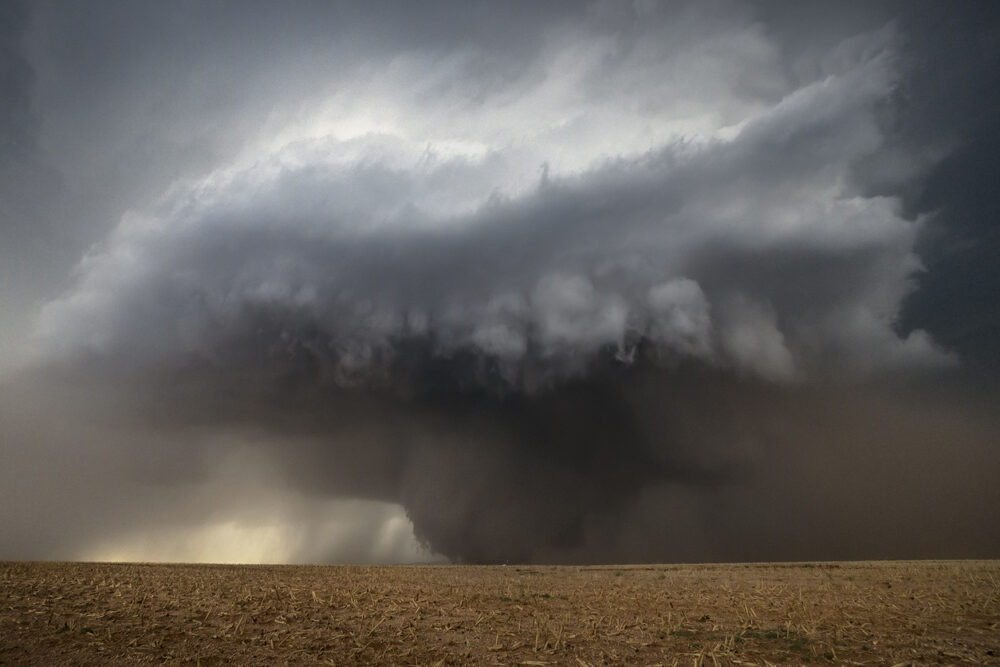
When scientists say they’re surprised, you know something’s up—and lately, they’ve been pointing to central Mississippi. This area, especially places like Jackson and surrounding counties, has seen a dramatic increase in severe tornadoes over the last few years. These aren’t just brief touchdowns, either. They’re long-track monsters tearing across counties and leaving widespread damage. In March 2023, a devastating EF-4 hit Rolling Fork and Silver City, wiping out homes and lives in minutes.
The kicker? Many folks had no idea the risk was so high because the old maps never put them in a tornado hotspot. That’s changing fast. Emergency sirens, mobile alerts, and storm shelters are now as vital here as they are in the classic “tornado alley.” And with warmer Gulf air fueling more instability, experts say the trend isn’t slowing down. If you’re living in this part of the South, “it can’t happen here” is no longer an excuse.
6. Southwestern Indiana is seeing more tornadoes—and they’re arriving earlier in the year.
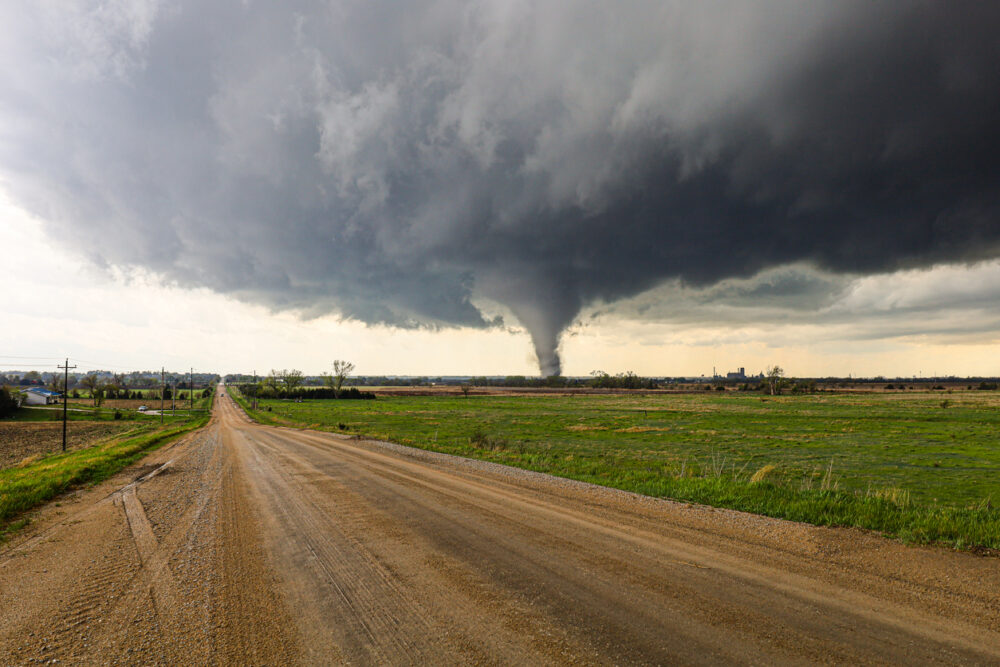
Folks in southwestern Indiana used to worry more about snow days than twisters. But lately, that’s been flipped on its head. Tornadoes are hitting harder and sooner—sometimes as early as February or March—and that’s throwing people off. The 2023 Sullivan County tornado tore through neighborhoods that hadn’t seen anything like it in decades. Many homes didn’t even have basements, and community shelters were few and far between. Meteorologists blame shifting jet streams and unusually warm winters for the spike. It’s not just about more storms—it’s that they’re showing up when nobody’s looking.
Spring gardens and school sports are now shadowed by the threat of rotating skies. Towns are scrambling to add warning systems and update emergency plans. If you’ve always thought of Indiana as just “tornado adjacent,” it’s time to look again—because the danger zone is inching your way, and it’s not waiting until April anymore.
7. Central Arkansas is battling twisters more powerful than ever before.
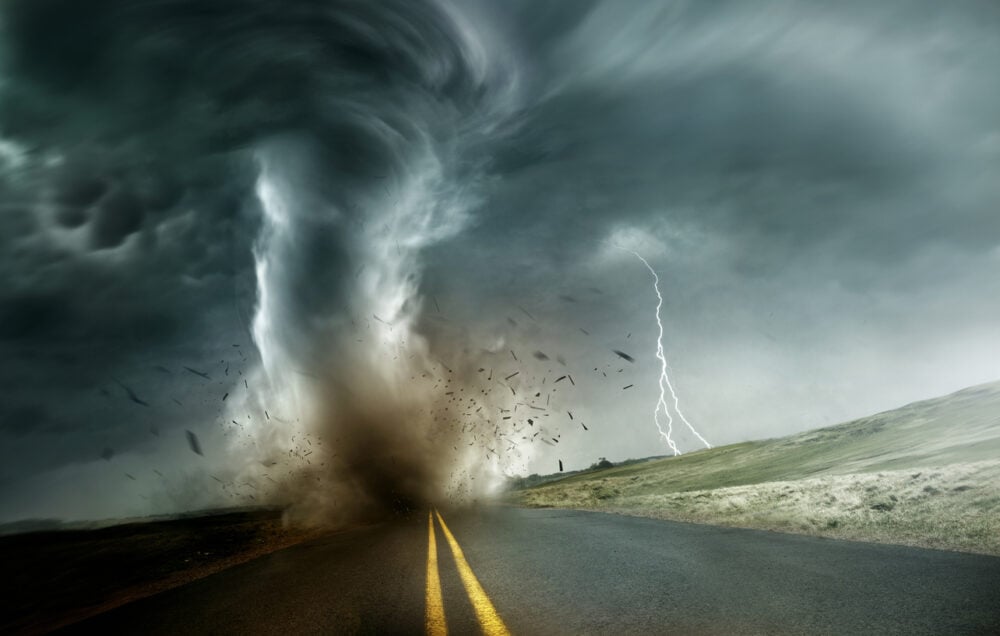
If you live in Little Rock or anywhere nearby, you already know tornadoes aren’t strangers. But what’s changed is how aggressive they’ve become. The March 2023 outbreak slammed through central Arkansas with EF-3 and EF-4 force, leveling homes in minutes. That wasn’t an outlier—it’s part of a worrying pattern. Warmer winters and more unstable springs have made conditions ripe for stronger, longer-lasting tornadoes.
People who used to think they had plenty of time to react are learning that lead times are shrinking. You can’t just wait for the sirens anymore. Neighborhoods are pushing for more shelters, and schools are revamping their safety protocols. Even storm-hardened locals are saying these recent events feel “different”—and not in a good way. If you’re shrugging off the risk because “it’s Arkansas, we’re used to it,” you might be underestimating how much nastier the storms have gotten. It’s no longer business as usual.
8. Eastern Colorado is trading snowstorms for an uptick in tornadoes.
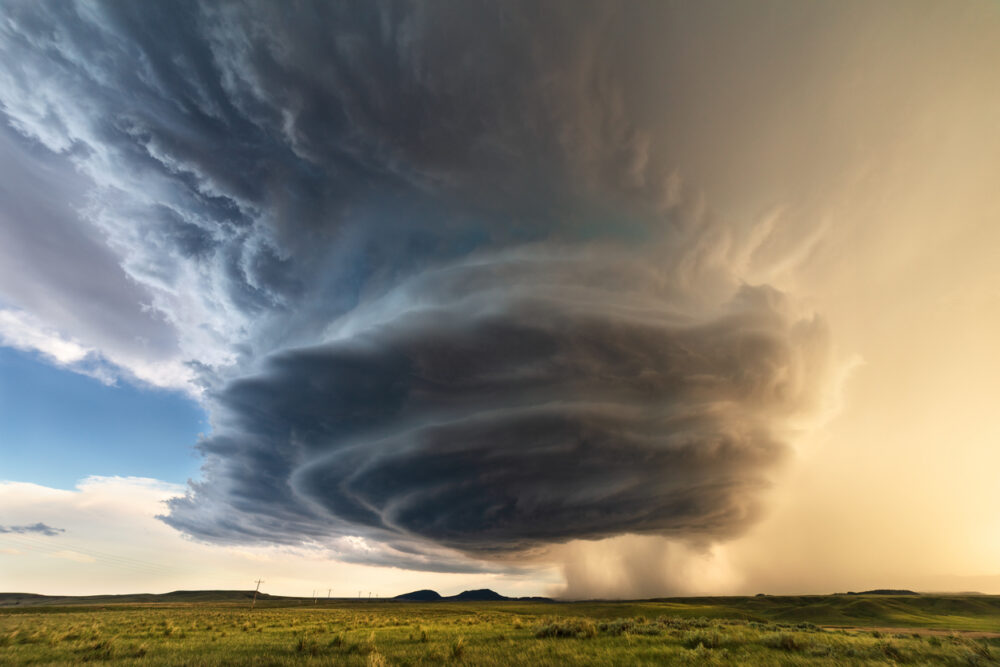
Eastern Colorado’s always had wild weather—but the recent trend toward stronger, more frequent tornadoes is throwing even seasoned storm-watchers off balance. Once known mostly for blizzards and dry lightning, towns like Burlington and Limon are now in the direct path of spring and summer tornadoes. The flat plains east of Denver have always had the terrain for it, but climate shifts are upping the ante. Moisture is sneaking in from the Gulf, meeting dry mountain air, and spinning out some serious chaos. Tornado warnings used to be rare—now they’re a springtime regular.
Local farmers are installing underground shelters for the first time ever, and communities are talking more about storm readiness than irrigation. The snow might still fall in winter, but come May and June, it’s swirling debris and sirens that steal the spotlight. If you thought Colorado’s twister risk stopped at the Kansas border, think again.
9. Northern Alabama is getting slammed with tornadoes no one saw coming.
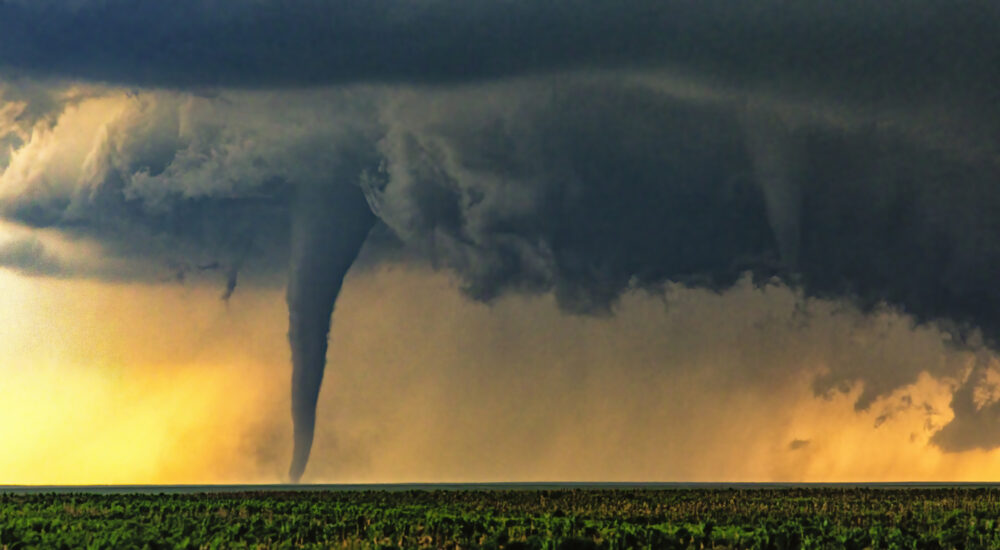
The Deep South is no stranger to intense storms, but northern Alabama is experiencing a surge in tornado activity that’s catching even locals off guard. Huntsville and surrounding counties have seen repeated hits in recent years, including multiple outbreaks during what used to be “off-season” months. The scariest part? Many of these tornadoes are wrapped in rain or happen after dark—making them even deadlier.
And because the landscape is dotted with hills and trees, visibility is terrible, and radar coverage gets tricky. Families who’ve lived in the area for generations are saying this isn’t the weather they grew up with. New homes are being built with safe rooms, and local governments are stepping up outreach programs to make sure people know what to do when warnings go out. If you’ve been sleeping on tornado prep in northern Alabama, now’s the time to wake up—it’s not the same old storm season anymore.
10. The Ohio River Valley is now one of the most tornado-prone regions in the East.

If you live anywhere near the Ohio River—think Cincinnati, Louisville, or southern Ohio—you might be shocked to know this region is now a tornado hotspot. The collision of warm, moist air from the Gulf with cooler northern systems is brewing up more storms than ever. Add in the river valley’s terrain, which can funnel wind in dangerous ways, and you’ve got a recipe for disaster. In the past five years, tornado activity here has risen steeply, with multiple EF-2 and EF-3 storms touching down in populated areas. It’s also happening faster than emergency planners can adapt.
Families that never felt the need to plan for twisters are now stocking up on emergency kits and checking radar apps like their lives depend on it—because they might. The Ohio River Valley may not be “classic” Tornado Alley, but in 2025, it’s one of the country’s most active new battlegrounds.