
The planet’s on fire, and we’re arguing about plastic straws.
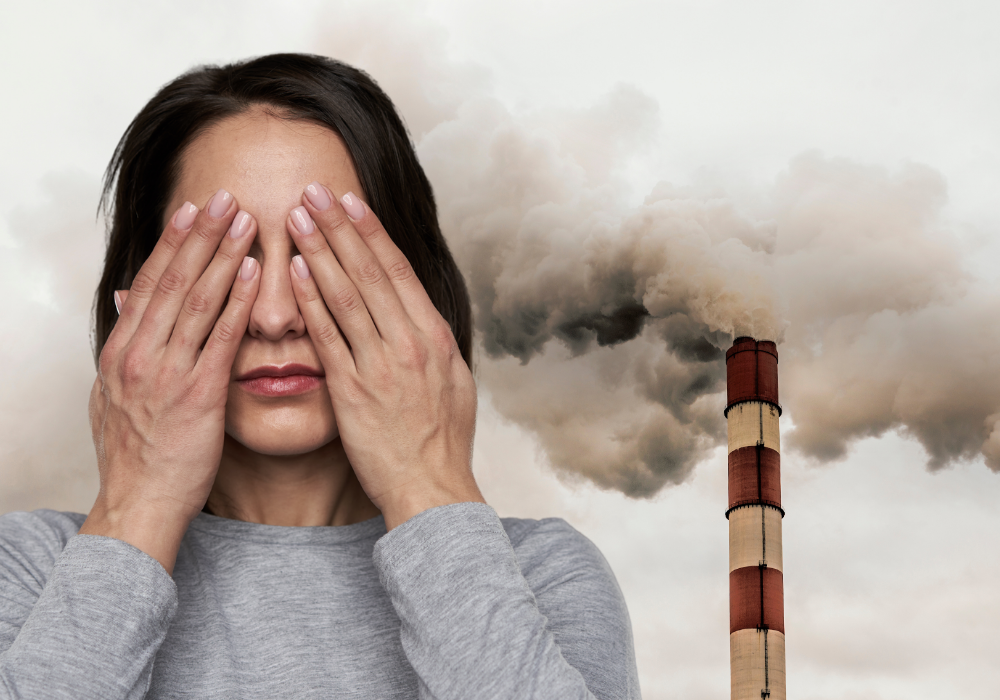
We’ve known about climate change for decades. The science has been clear, the warnings have been loud, and the solutions aren’t a mystery. And yet—here we are. Record heat. Flash floods. Burning forests. Vanishing coastlines. Instead of coordinated global action, we get lukewarm pledges and trend-based distractions. Instead of rethinking entire systems, we argue over whose individual habits are worse.
This isn’t just a policy failure—it’s a cognitive one. We’re not processing the urgency, not updating our behavior, and not facing reality with the seriousness it demands. It’s not that we’re incapable of fixing this—we just might be too distracted, too fragmented, or too afraid to do what needs to be done. Every warning light is flashing, and we’re still pretending this is optional. These first five signs show just how disconnected our brains, behaviors, and priorities have become from the scale of the crisis we’re living through.
1. We keep voting for the very people accelerating the problem.

There’s no sugarcoating it: fossil fuel interests have a chokehold on politics. Candidates who openly deny climate science or support oil expansion continue to win elections across the globe. Lisa Friedman and colleagues report in The New York Times that the Trump administration declared a national energy emergency to expedite fossil fuel projects, significantly rolling back environmental regulations.
This isn’t just political gridlock. It’s a symptom of collective denial. Voters keep falling for vague promises, short-term fixes, or comforting lies about “balance” and “all-of-the-above” energy strategies. The public doesn’t always dig deeper, and many don’t realize how much damage can be done in a single term. When political loyalty outweighs planetary survival, we’re not just stuck—we’re complicit. If we can’t even punish the people actively making things worse, how are we supposed to build a future that’s better?
2. We treat urgent warnings like optional advice.

When scientists release dire climate reports, the public response often looks like… scrolling. Cecilia Keating writes in Carbon Brief that media coverage of the 2022 IPCC report was limited and short-lived, with most outlets moving on quickly despite the report’s urgent warnings. Politicians issue lukewarm responses, and everyday conversations move on without skipping a beat.
Part of the problem is overload. The information is terrifying, constant, and abstract. People don’t know what to do with it—so they don’t. They compartmentalize, minimize, or ignore it entirely. We treat peer-reviewed data like suggestions instead of alarms.
The media doesn’t help either, framing life-threatening projections with calming language or burying the lead under celebrity news. If we were actually listening to what scientists are saying, we’d be acting like the house is on fire. Instead, we’re looking for new wallpaper.
3. We obsess over tiny lifestyle swaps while ignoring systemic change.

Reusable bags, metal straws, and compost bins have become symbols of environmental consciousness. And while individual efforts aren’t worthless, they’ve become a distraction from the scale of transformation that’s actually needed. We’ve been sold the idea that saving the planet is about personal virtue instead of political and economic overhaul.
This obsession with minor swaps is convenient. It makes people feel good without challenging anything too big or powerful. Writers at Global Social Challenges point out that corporations have successfully redirected climate responsibility onto consumers while continuing to drive the vast majority of emissions themselves. Meanwhile, we argue over who recycles better while pipelines expand and emissions rise. The climate crisis can’t be solved with cute products—it requires collective action, regulation, and a complete rethinking of how we build, eat, travel, and power our lives.
4. We’re addicted to convenience—and fossil fuels make everything easier.
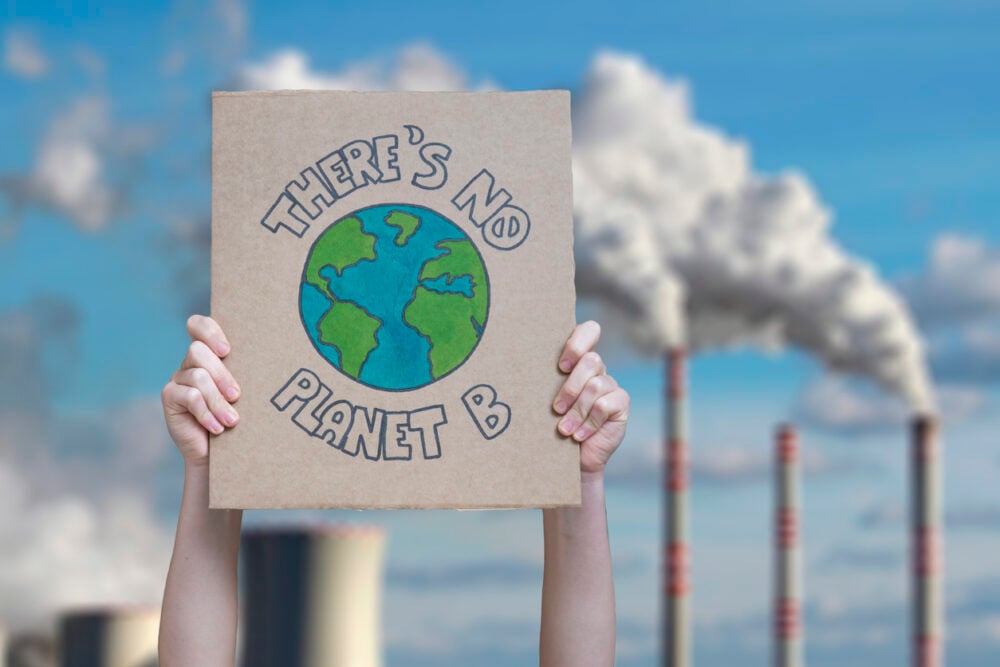
Fossil fuels are embedded in the infrastructure of modern life. They make flights cheap, groceries fast, and products disposable. And because our daily routines depend on that ease, we resist anything that feels like giving it up.
Even when people support climate action in theory, they often balk at policies that might inconvenience them personally—like reducing air travel, eating less meat, or paying carbon taxes.
This addiction to comfort is a huge part of the problem. We’ve built entire systems around short-term convenience instead of long-term survival. Fossil fuels are subsidized, hidden in supply chains, and normalized in everything from cooking to clothing. Breaking that habit isn’t just a technical challenge—it’s a psychological one. If we can’t imagine a life that feels good without fossil fuels, we’re unlikely to demand it from the people in power.
5. We confuse hope with optimism—and ignore responsibility.

Hope is useful when it fuels action. But the kind of climate “hope” we often see in headlines or speeches feels more like passive optimism. We tell ourselves that “humans always adapt,” that “technology will save us,” or that “the next generation will figure it out.” It sounds reassuring—but it’s a lie.
This mindset lets people off the hook. It treats the climate crisis like a story with a guaranteed third-act redemption arc, when in reality, it’s a high-stakes emergency that demands uncomfortable choices right now. Hope without responsibility is just wishful thinking. And wishful thinking is how we got here. Real hope requires confrontation, disruption, and accountability. Otherwise, it’s just another excuse to stay comfortable while the window for action slams shut.
6. We let fossil fuel companies shape the narrative—and the science.

Oil and gas giants have known about climate change since the 1970s. Instead of sounding the alarm, they buried internal research, funded misinformation campaigns, and hired PR firms to cast doubt on the science. Today, they still run ads claiming they’re “leading the transition” while continuing to expand drilling operations. And somehow, we keep letting them sit at the table during climate talks. Their influence runs deep. They sponsor school materials, advertise during climate documentaries, and rebrand themselves as clean energy leaders.
Many people don’t realize just how much of the mainstream narrative still comes from companies with everything to lose from real climate action. If the arsonist gets to help design the fire department, of course we’re not making progress. But instead of shutting them out, we keep letting them control the mic—and the message.
7. We treat climate change like a distant issue—even when it’s already here.

Floods, fires, heatwaves, crop failures—none of it is hypothetical. Climate change is already hitting every continent, every economy, every community. And yet, it’s still talked about like something that’s coming someday. Politicians frame it in terms of 2050 goals, as if we have time to ease into it. Media outlets still use phrases like “if trends continue,” even when the trends are already devastating lives.
This cognitive dissonance is everywhere. People rebuild homes in flood zones without demanding systemic change. Cities hit record heat one week and approve new highway expansions the next. We’re living inside the emergency but reacting like it’s still a forecast. The longer we treat climate impacts as future problems, the more damage we allow in the present.
8. We cling to myths about infinite growth on a finite planet.
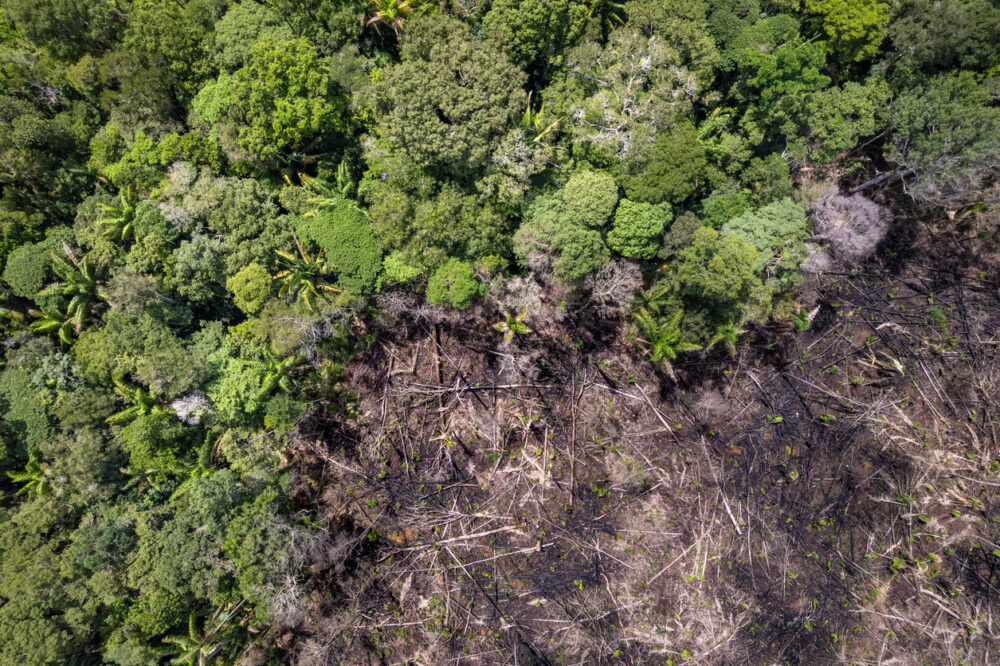
Economic growth is treated like a universal good. Politicians campaign on it, CEOs celebrate it, and the media treats slowdowns like catastrophe. But endless growth requires endless extraction—of fossil fuels, land, water, and human labor.
The climate crisis exposes the limits of this model, yet we refuse to question it. We just slap the word “green” on the same system and keep pushing. The idea that we can consume our way to sustainability is a fantasy.
Real solutions require degrowth in some sectors, redistribution of resources, and a shift in values that prioritizes life over profit. But that message doesn’t sell well. It’s hard, it’s disruptive, and it forces powerful people to give things up. So instead, we get greenwashed growth promises and the illusion that we can fix everything without changing anything that matters.
9. We act like climate denial is just ignorance—but it’s often power.

Climate denial isn’t just a lack of information. It’s often a strategy—used by those who benefit from the current system. Lobbyists, politicians, and media outlets deny or downplay the crisis not because they don’t understand it, but because acknowledging it would threaten their wealth, influence, or ideological worldview.
Even subtler forms of denial—like insisting we have “plenty of time” or “need more research”—serve to delay action and protect profits. Framing denial as a misunderstanding lets powerful actors off the hook. This isn’t about education. It’s about politics, money, and control. And until we treat it as such, we’ll keep losing ground to people who are actively betting against the future.
10. We expect tech to save us—so we don’t have to change.

Carbon capture. Geoengineering. Direct air removal. These technologies are real, and some could play a role in a broader climate strategy. But they’ve also become a dangerous crutch.
Politicians love to tout future tech solutions because it means they don’t have to make hard decisions now. Fossil fuel companies love them because they suggest we can keep burning oil while “cleaning it up later.” The problem is, none of these technologies exist at the scale needed. Betting on them as a primary plan is like hoping a parachute will show up after you’ve already jumped. They buy time only if paired with drastic emissions cuts—but we’re doing neither. Tech optimism has become a substitute for real action. And the longer we wait, the more we rely on miracles.
11. We still think someone else is going to fix it.
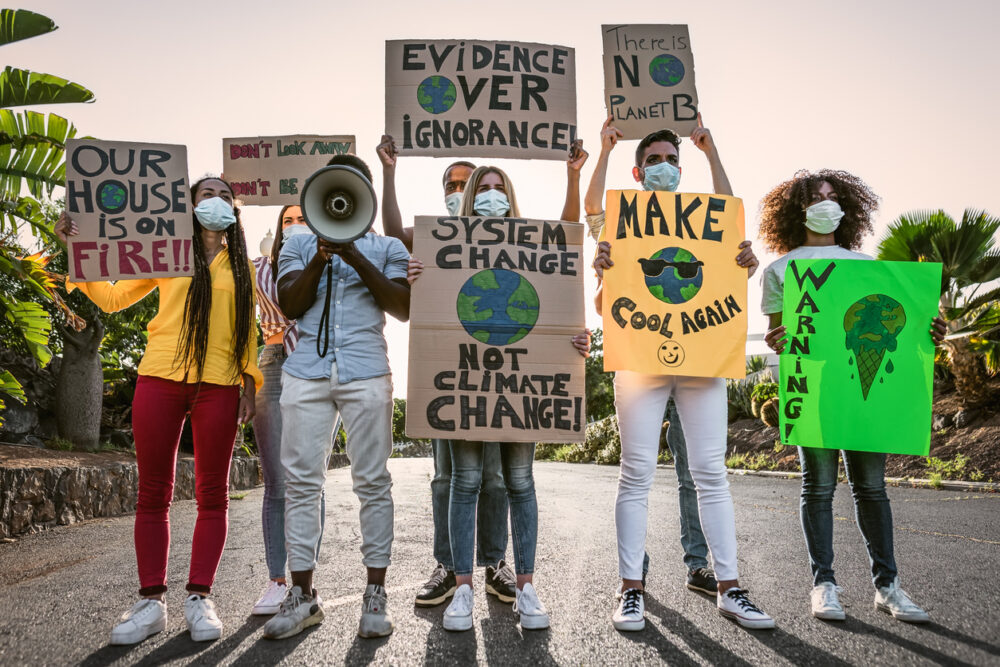
It’s easy to assume that the government will step in, or that scientists have a plan, or that “the youth” will force change. But the truth is, no one’s coming to save us. There is no master strategy. The people in power are either too entrenched or too afraid to act boldly. And the rest of us are still waiting for a sign that never comes. The most dangerous climate myth isn’t that it’s not happening—it’s that someone else will take care of it. That mindset keeps people passive while systems continue to burn.
The truth is uncomfortable: we’re all part of the problem, and we all have to be part of the fight. If we don’t change that story—and soon—then yes, we might just be too stupid to stop climate change.