
A persistent cluster of small quakes has prompted closer monitoring of the Pacific Northwest volcano.
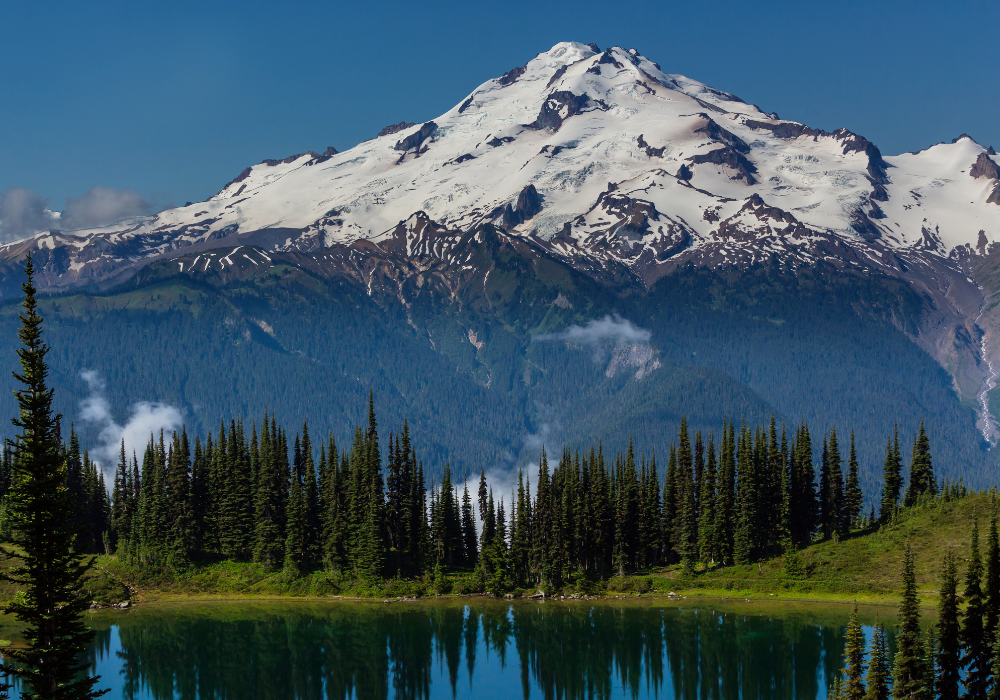
Mount Rainier, one of the most closely monitored volcanoes in the United States, has recorded an unusual burst of earthquakes over a 72-hour period. While most quake swarms in the Cascades do not lead to an eruption, scientists take any change beneath Rainier seriously because of its size, glacier cover, and proximity to millions of people. The recent shaking has prompted experts to analyze patterns, check gas emissions, and review ground-deformation data for signs of deeper movement.
1. Mount Rainier’s Quake Swarm Has Lasted Longer Than Usual
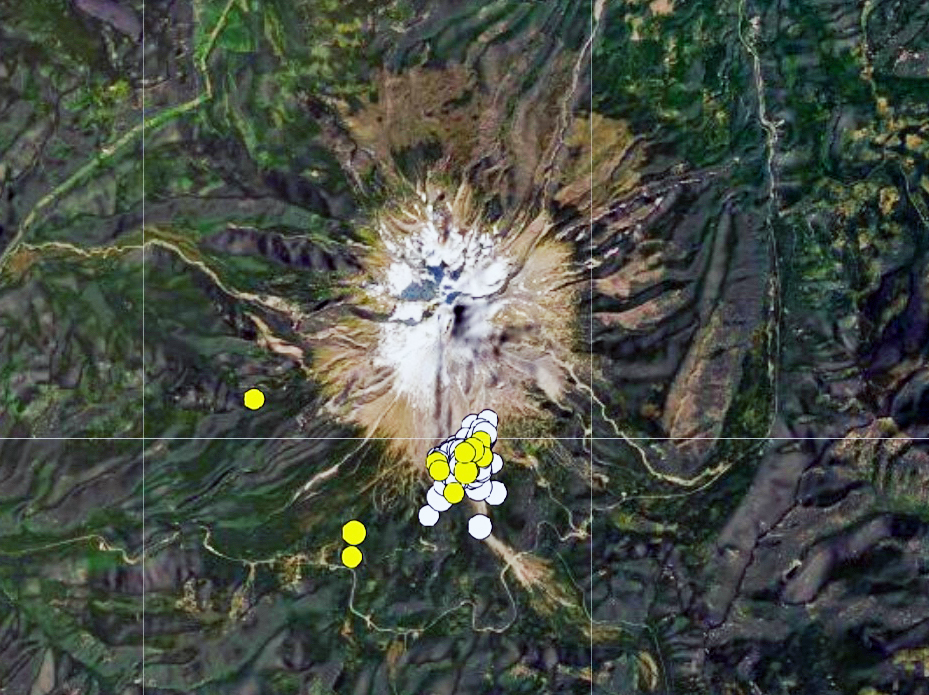
Over a three-day period, seismic sensors detected dozens of small earthquakes beneath Mount Rainier’s summit. These events were shallow and low in magnitude, but their persistence caught scientists’ attention. Long-lasting swarms can occasionally indicate rising fluids or shifting rock within a volcano’s plumbing system.
While these quakes remain within the lower range of expected activity, their extended duration has prompted volcanologists to take a closer look. Experts compare the swarm with past episodes to see whether the current pattern matches typical behavior or suggests something new.
2. Most Tremors Are Small, but Their Clustering Matters
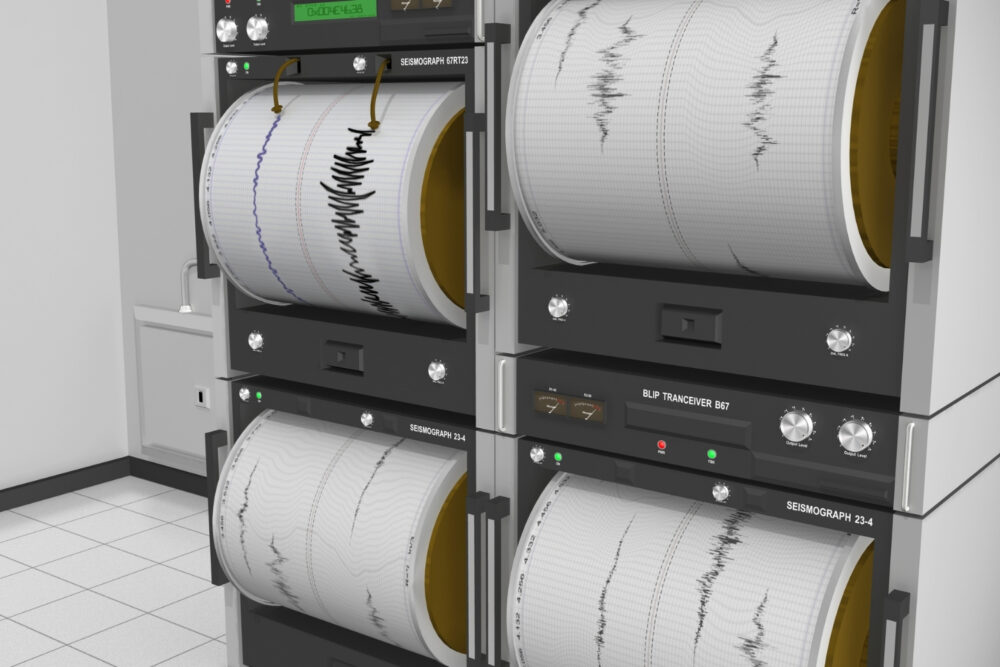
The recent earthquakes were mostly below magnitude 2.0, too weak for people to feel. However, when small quakes cluster tightly in time and location, they offer clues about processes happening deep underground. Clustering may reflect movement of hot fluids, changes in pressure, or gradual adjustments in the volcanic edifice.
Scientists analyze how quake depths and frequencies change over the course of a swarm. Even subtle shifts can help determine whether activity is declining, stabilizing, or heading toward a more significant event.
3. Mount Rainier Is One of the Most Hazardous Volcanoes in the U.S.
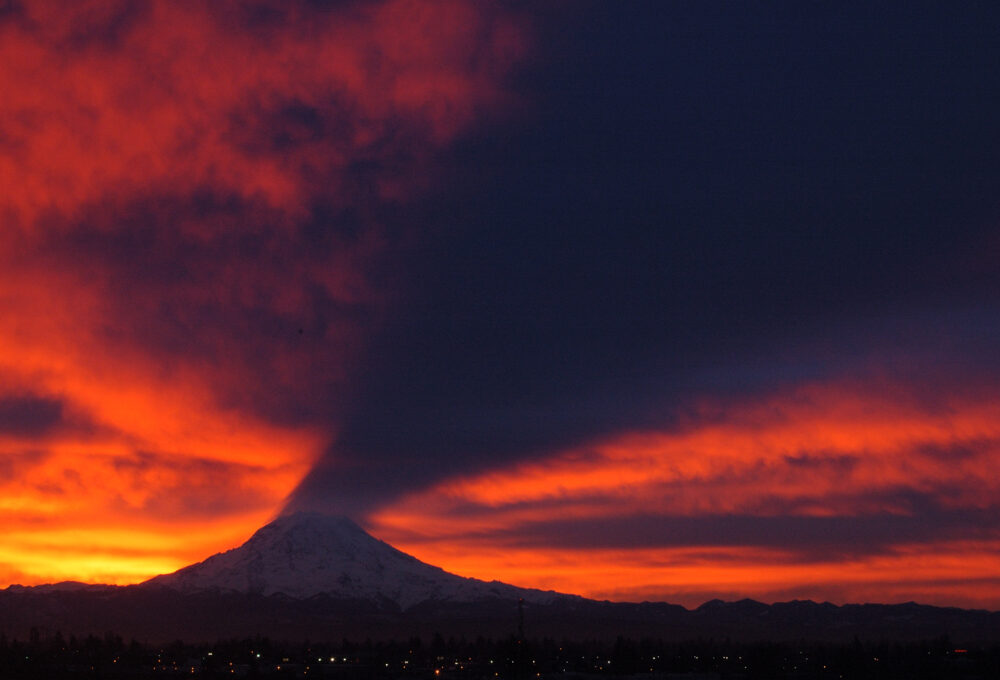
Rainier’s threat comes not just from eruption potential but from its massive glaciers. An explosive eruption or even a moderate one could melt large volumes of ice, sending fast-moving lahars into the valleys below. These flows have reached as far as the Puget Sound lowlands in the geologic past.
Because the region is home to more than three million people, any increase in seismic activity is taken seriously. Agencies continually prepare models to estimate where lahars might travel and how quickly communities would need to evacuate.
4. USGS Scientists Are Reviewing Real-Time Seismic Data
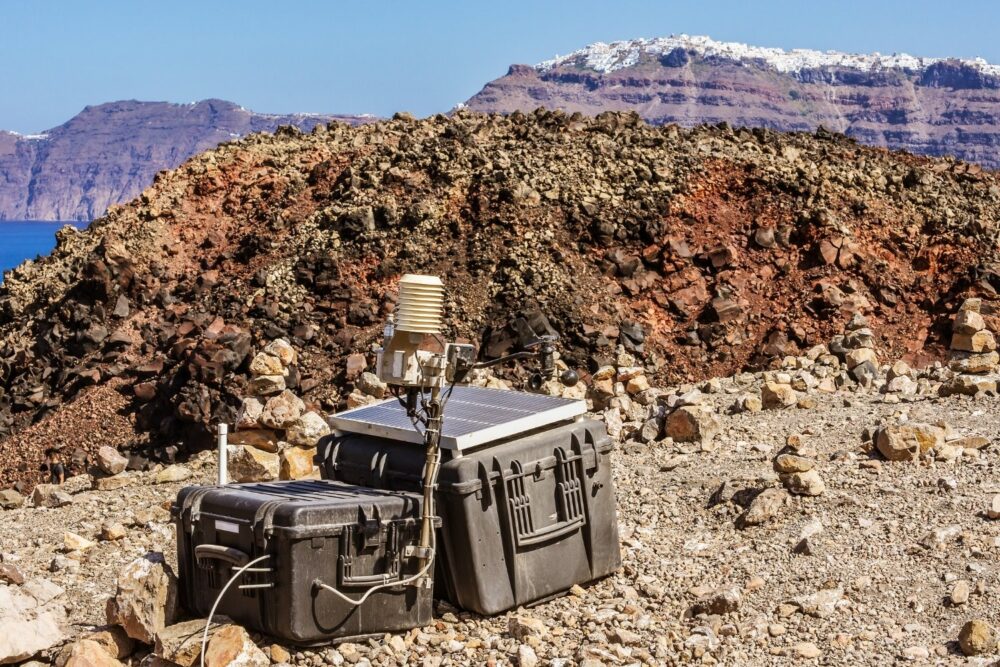
The Pacific Northwest Seismic Network and USGS continuously track earthquakes beneath Rainier using dozens of sensors. When a swarm begins, automated systems flag unusual patterns so scientists can run detailed analyses. They examine waveforms, quake depths, and the rate at which events occur.
During the 72-hour swarm, researchers compared incoming data with historical activity to identify whether the shaking matched earlier non-eruptive swarms. The goal is to pinpoint whether the volcano is simply adjusting or experiencing deeper changes.
5. No Signs of Ground Deformation Have Been Detected
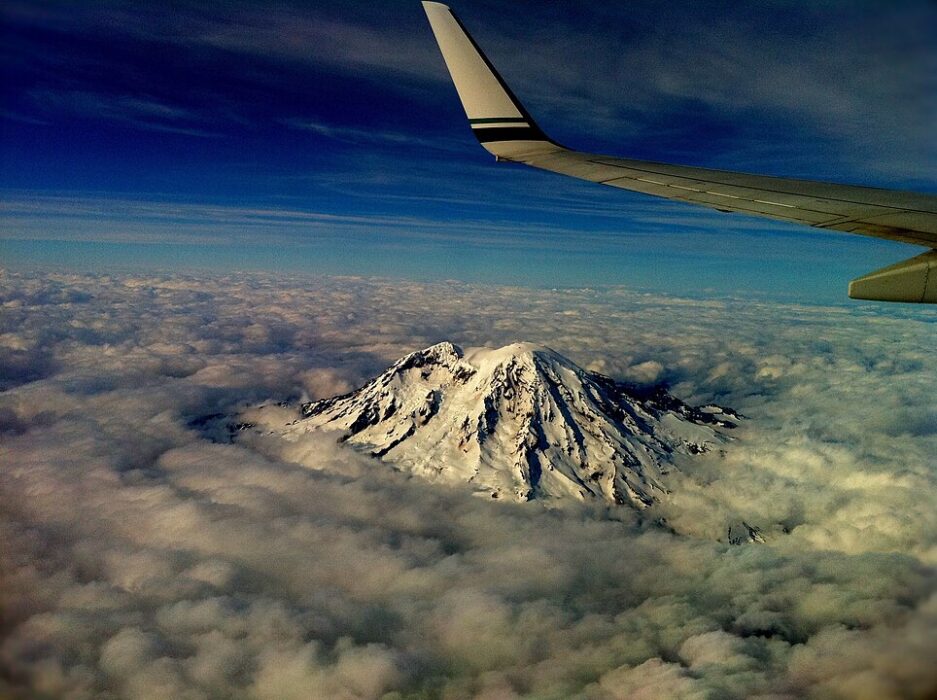
One of the strongest indicators of rising magma is surface deformation, which can cause parts of the ground to bulge or shift. GPS stations and satellite imagery show no measurable deformation around Mount Rainier during the recent swarm, a reassuring sign that magma is not currently moving upward.
This lack of deformation suggests the swarm is more likely related to hydrothermal or tectonic processes rather than a precursor to eruption. Scientists will continue monitoring in case future changes appear.
6. Gas Emissions Remain Within Normal Background Levels
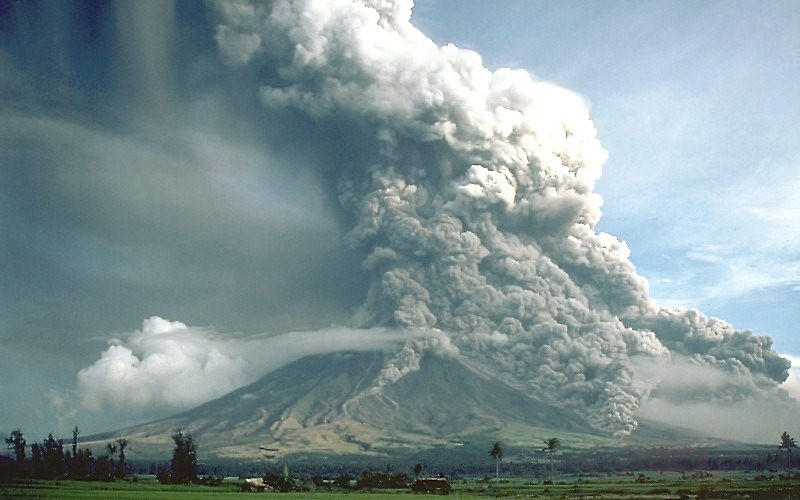
Active magma often releases gases such as sulfur dioxide, carbon dioxide, and hydrogen sulfide. Instruments around Rainier track these emissions, particularly near fumaroles and vents around the summit crater. During the recent swarm, gas readings stayed consistent with long-term averages.
This stability indicates that the volcano has not begun releasing new or increased volcanic gases. Such gas shifts often precede eruptions, so their absence is an important part of the current assessment.
7. Historical Records Show Rainier Often Produces Small Swarms
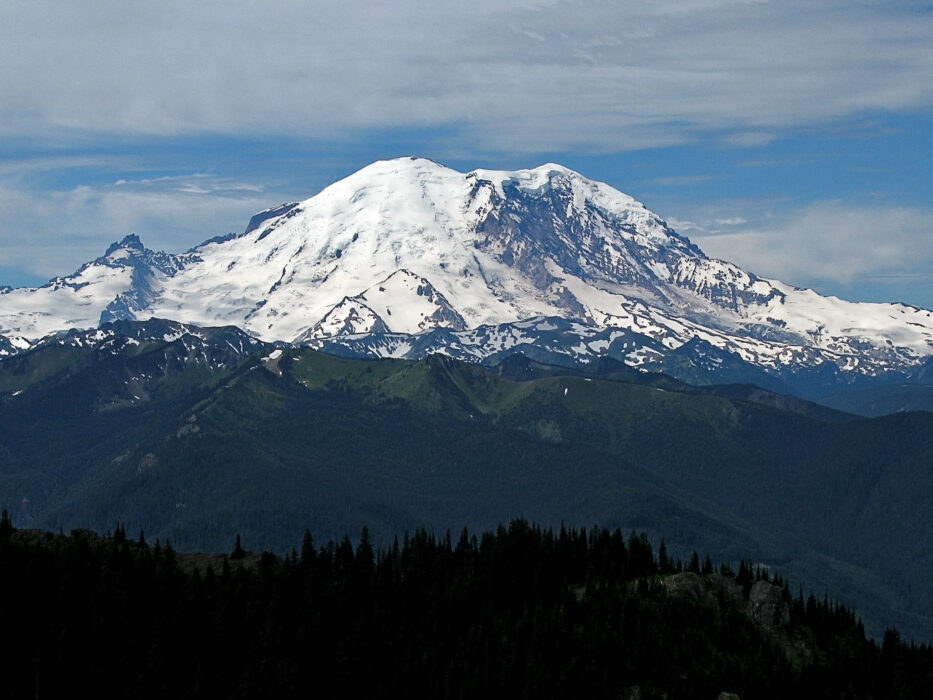
Mount Rainier experiences minor earthquake swarms several times per year. These usually involve small, shallow quakes that fade over time without leading to eruptions. The recent activity fits within this general pattern, though its persistence has made it more notable.
Scientists compile long-term catalogs of seismic behavior to identify which patterns have historically led to major changes. So far, the current swarm aligns more closely with routine fluctuations than with significant unrest.
8. The Volcano Has Not Erupted for More Than 1,000 Years
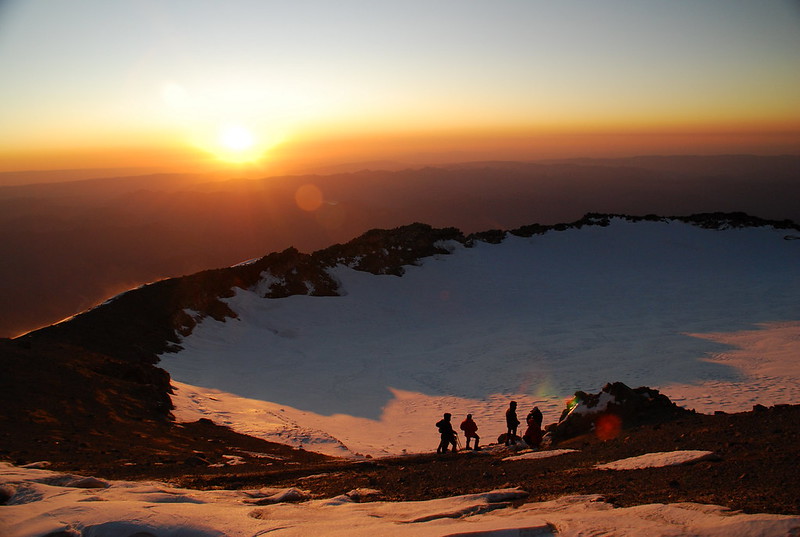
Rainier’s last known eruption occurred roughly a millennium ago, with the most recent significant event happening around 1,100 years ago. Despite this long quiet period, the volcano is not considered dormant. Geological evidence shows it has produced large eruptions and lahars many times over the past 10,000 years.
Understanding this history helps scientists gauge future risk. Even without recent eruptions, Rainier’s potential remains high because its past activity demonstrates it can awaken with little warning.
9. Residents Near Rainier Are Encouraged to Stay Prepared

Communities throughout western Washington participate in annual preparedness drills due to the region’s volcanic risks. Officials emphasize that knowing evacuation routes and understanding lahar hazards are crucial regardless of current activity levels. Preparation is especially important for towns in river valleys draining the volcano.
The recent swarm has reinforced the need for public awareness, though experts stress that the current activity does not indicate an imminent eruption. Preparedness remains a long-term safety strategy.
10. Scientists Will Continue Monitoring for Any Shifts in Activity
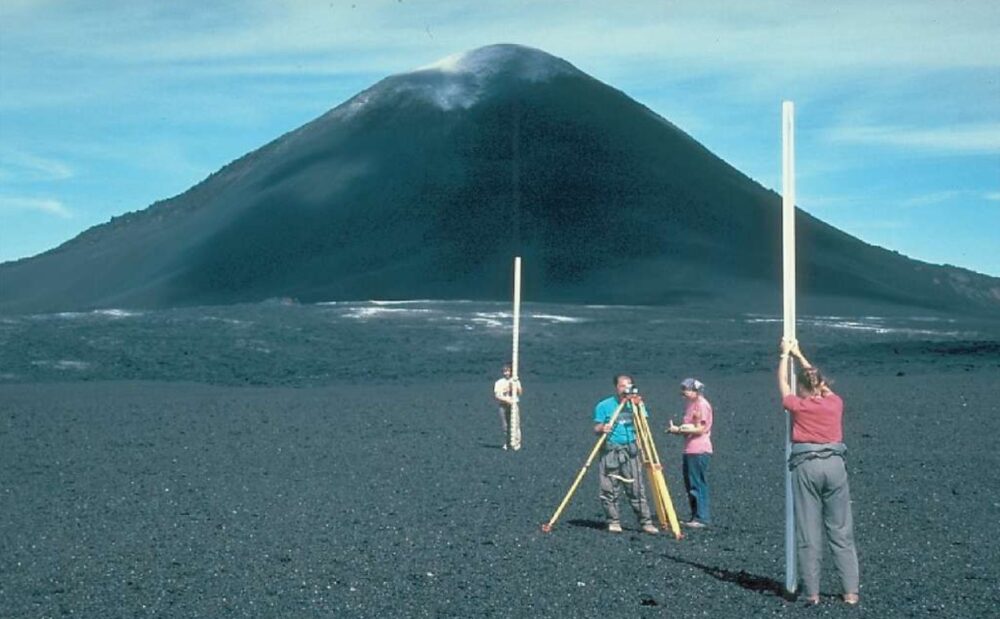
Volcano monitoring is an ongoing process that requires continuous attention. Researchers will watch for changes in quake frequency, gas emissions, temperature, and deformation. Any shift in one or more of these indicators could prompt updated alerts or further investigation.
While the current swarm has slowed, scientists stay vigilant. Each data point contributes to understanding Rainier’s overall behavior and helps improve forecasting for future activity.
11. Current Evidence Suggests No Immediate Eruption Is Likely
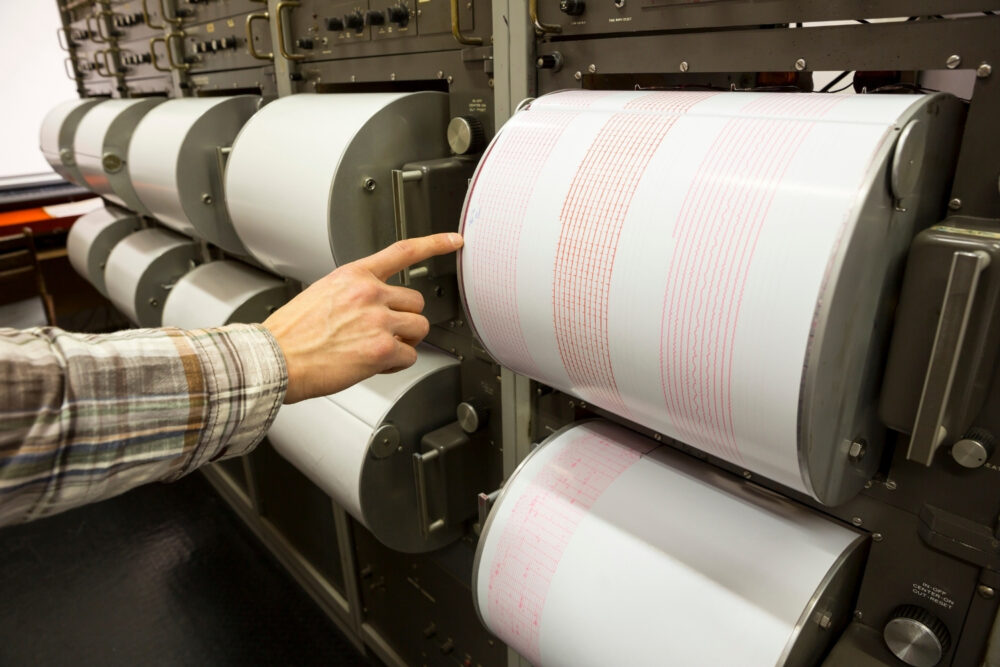
Although the 72-hour quake swarm was unusual, all available data point to a low likelihood of imminent eruption. No deformation, gas increases, or deep harmonic tremors have been detected—factors commonly associated with rising magma.
Experts believe the swarm is most consistent with shallow hydrothermal or tectonic adjustments inside the volcano. Still, because Rainier is a high-risk volcano, scientists will keep monitoring closely to ensure any future changes are detected quickly.