
Officials warn residents in parts of California and Oregon to stay indoors as air quality reaches hazardous levels.

Thousands of people across California and Oregon were urged to stay inside after air quality levels spiked into the unhealthy and hazardous range. Officials say a combination of stagnant air, pollutants, and shifting weather patterns created conditions that could trigger respiratory issues, especially for children, older adults, and people with health complications. Some communities woke up to thick haze and warnings to avoid exercise, close windows, and use air filters if available. Authorities expect conditions to fluctuate in the coming days as winds and temperatures shift.
1. Officials Issued Stay-Indoors Warnings for Thousands of Residents
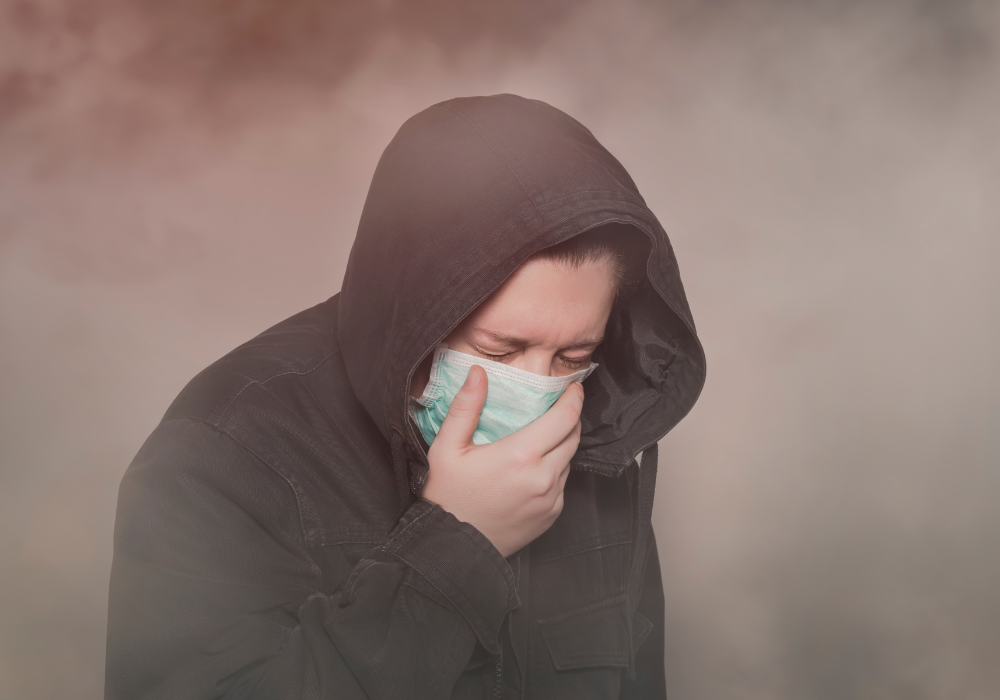
Authorities in California and Oregon advised thousands of residents to remain inside due to a dangerous rise in particulate pollution. The warnings highlighted areas where air quality monitors showed levels well above what is considered safe, prompting immediate action from local health departments.
Residents were told to avoid outdoor activities and keep homes sealed as much as possible. Officials emphasized that short-term exposure can cause breathing difficulties, coughing, and irritation, even among people who normally tolerate outdoor conditions.
2. Air Quality Reached the “Unhealthy” and “Very Unhealthy” Categories

Air-quality monitors recorded readings in the purple and red zones on the Air Quality Index, meaning pollution levels were high enough to pose risks to the general public. These readings included fine particulate matter small enough to penetrate deep into the lungs.
Such high levels are typically associated with increased emergency room visits for respiratory issues. Officials stressed that people with asthma, heart conditions, or compromised immune systems are especially vulnerable during episodes like this.
3. The Pollution Spike Was Linked to Stagnant Air Conditions

Meteorologists said a combination of stagnant air and temperature inversions allowed pollutants to concentrate near the ground. When air doesn’t circulate, vehicle emissions, industrial pollution, and dust remain trapped over communities instead of dispersing.
This weather pattern is known to worsen air quality quickly. Until winds strengthen and temperatures shift, pollutants can accumulate to levels that threaten public health.
4. Some Areas Experienced Thick Haze and Visibility Issues
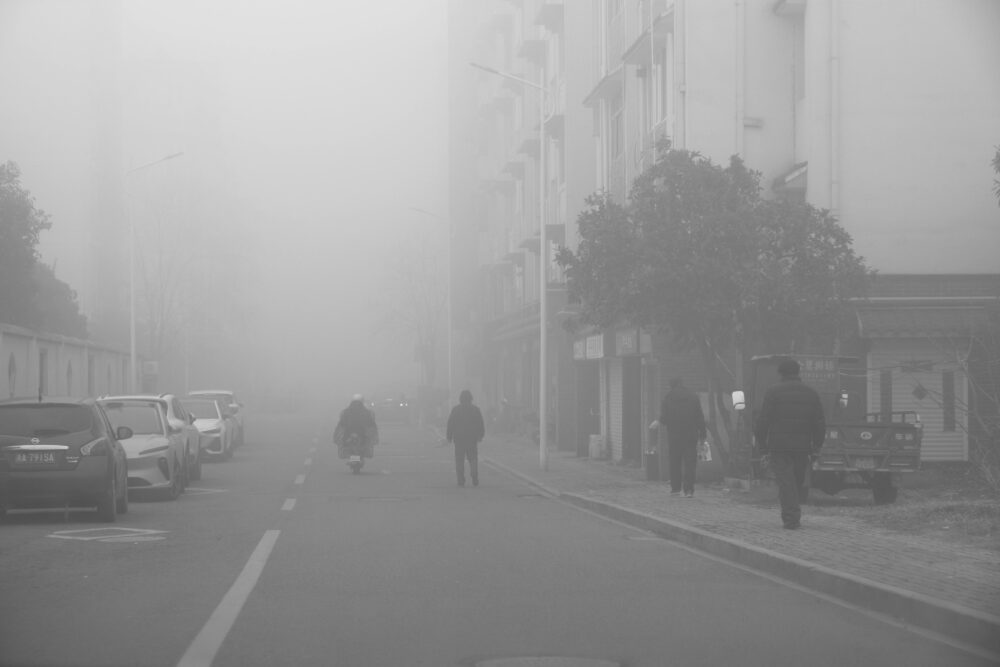
Residents in the affected regions reported waking up to a murky haze that made it difficult to see surrounding neighborhoods. The fog-like pollution reduced visibility on local roads and created an unpleasant odor in certain areas.
Hazy conditions often accompany high particulate levels, signaling that the air carries elevated concentrations of pollutants. Officials warned people to avoid unnecessary travel and limit time outdoors when visibility drops.
5. Health Officials Warned of Immediate Respiratory Risks
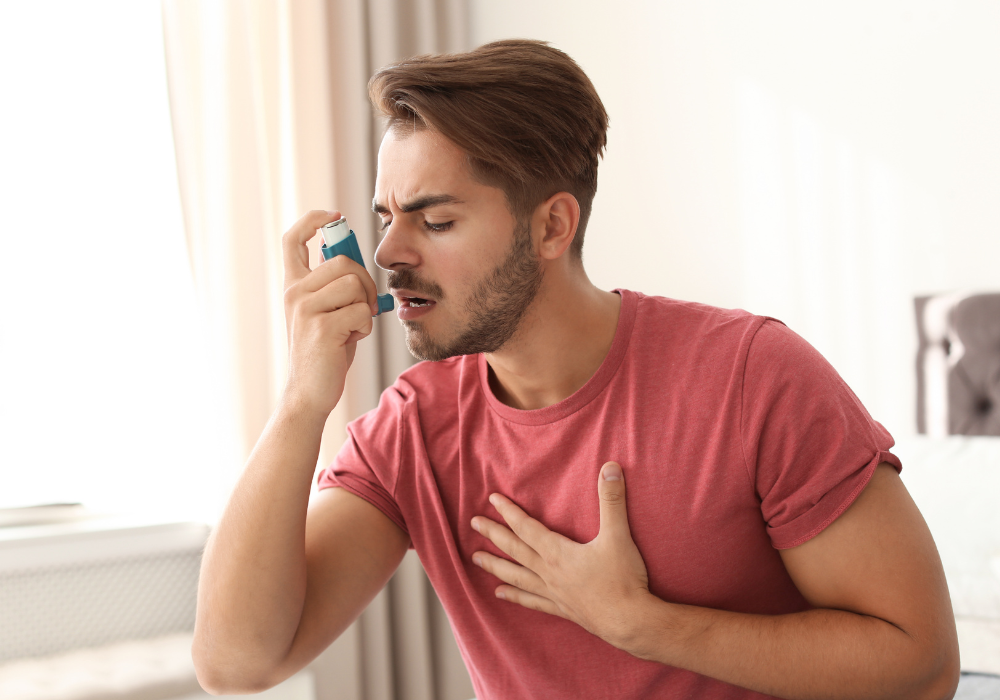
Doctors and public health agencies urged people to take the warnings seriously. Short-term exposure to heavy pollution can trigger asthma attacks, chest tightness, and difficulty breathing. Even healthy individuals may experience eye irritation or throat discomfort during these events.
Hospitals typically see a rise in respiratory visits when air quality worsens. Officials encouraged people with chronic conditions to have medication on hand and remain indoors as much as possible.
6. Children and Older Adults Face the Greatest Risk

Health experts emphasized that young children, older adults, and people with preexisting respiratory or cardiac issues are the most vulnerable during pollution spikes. Their lungs are either still developing or less resilient, making them more sensitive to airborne irritants.
Parents were advised to keep children indoors, avoid playgrounds, and postpone outdoor sports. Older adults were similarly encouraged to stay home and avoid strenuous activity until conditions improve.
7. Residents Were Told to Keep Windows Closed
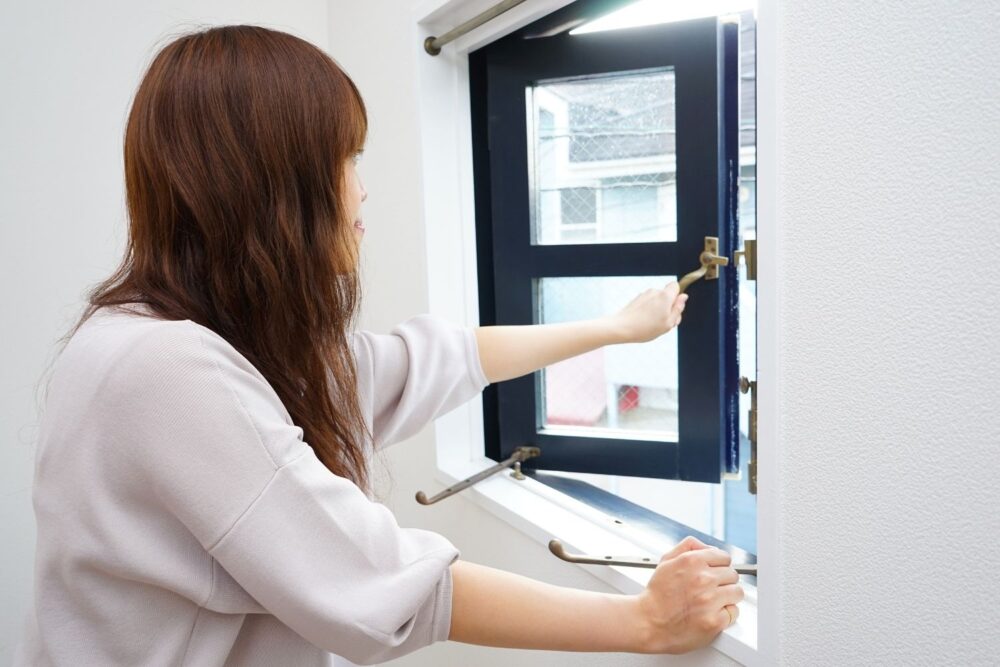
To minimize pollution entering homes, officials recommended keeping windows and doors shut. Running indoor air purifiers or HVAC systems with clean filters can help reduce indoor particulate levels.
People without air conditioning were advised to visit public buildings with cleaner air, such as malls or community centers, if indoor temperatures became uncomfortable. These suggestions are common during both wildfire smoke and pollution events.
8. Outdoor Exercise Was Strongly Discouraged
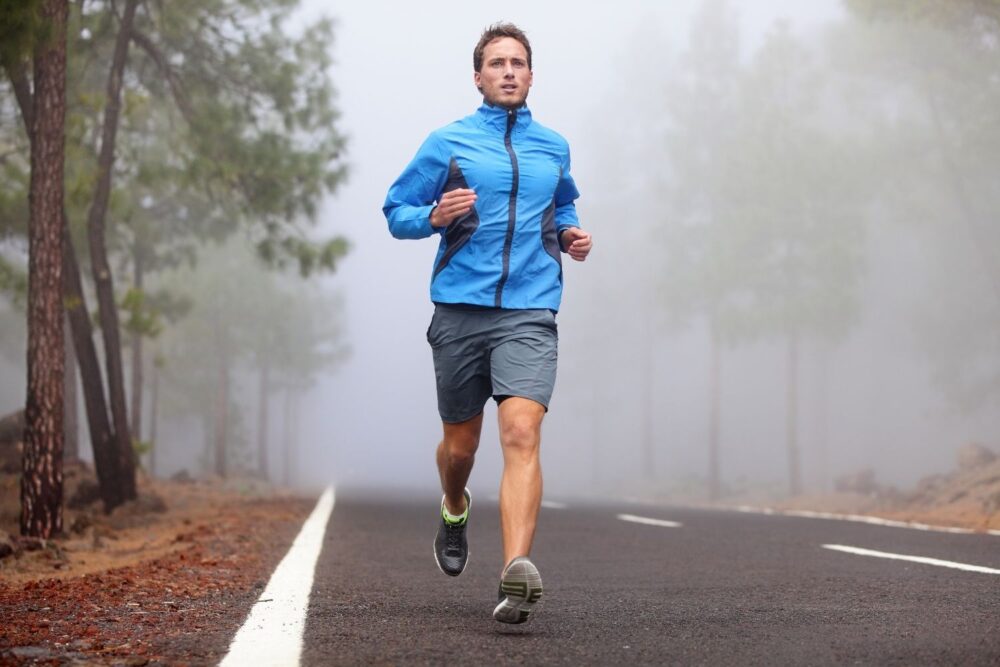
High-pollution days make physical activity outside especially dangerous. When breathing heavily during exercise, people inhale larger amounts of polluted air, increasing the risk of lung irritation.
Officials encouraged residents to postpone runs, workouts, and outdoor sports until air quality improved. Indoor alternatives were recommended, particularly for those with sensitive health conditions.
9. Local Fire and Emergency Services Monitored Conditions Closely

Emergency departments and fire agencies kept close watch on changing pollution levels. Seasonal shifts, industrial activity, or unexpected wind changes can alter air quality quickly, requiring updated advisories.
Agencies coordinated with state air-quality boards to issue real-time warnings. Their goal was to protect residents by ensuring timely information about which areas were most affected.
10. Weather Changes May Improve Conditions in the Coming Days
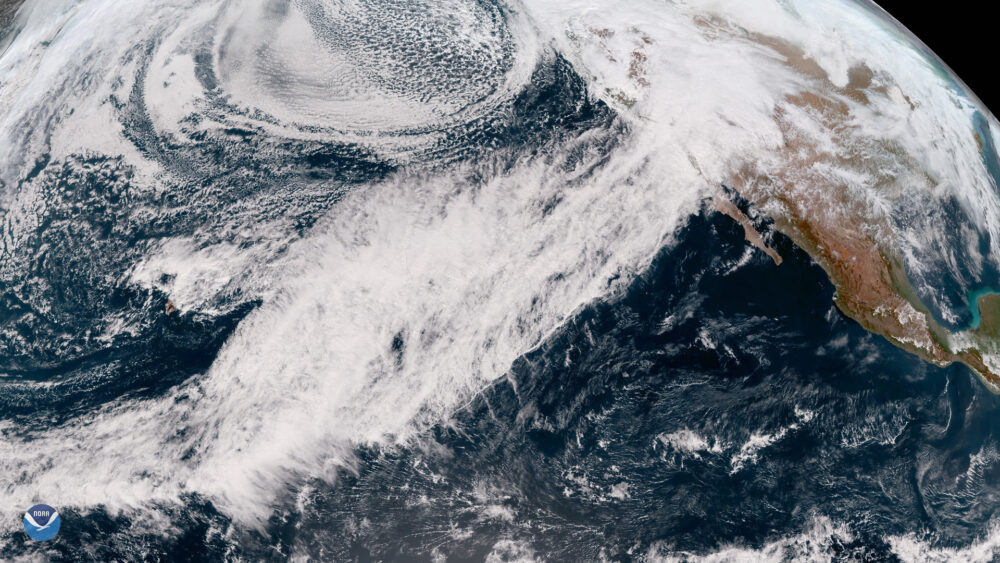
Meteorologists said that incoming winds and shifting temperatures could disperse pollutants and gradually improve air quality. However, conditions may fluctuate until a consistent weather pattern takes hold.
Residents were encouraged to monitor official updates each day. Rapid improvements are possible, but persistent stagnant air can prolong unsafe levels.
11. Officials Urge Residents to Stay Alert for Future Advisories

Authorities emphasized that pollution spikes can happen with little warning, especially during transitional weather periods. Residents were encouraged to sign up for local alert systems and check air-quality maps regularly.
Staying informed helps people respond quickly to new advisories and avoid exposure when conditions deteriorate. Officials stressed that ongoing vigilance is essential to safeguard public health during unstable air-quality periods.