
Scientists are tracking renewed inflation at Axial Seamount, the volcano that once triggered 10,000 quakes in a day.

Axial Seamount, an active underwater volcano off the Oregon coast, is showing renewed signs of inflation as magma slowly builds beneath the seafloor. During its 2015 eruption, the volcano produced more than 10,000 earthquakes in just 24 hours, giving scientists an unusually detailed look at how submarine eruptions unfold. While Axial poses no threat to coastal communities, researchers monitor it closely because its steady inflation and clear seismic patterns offer rare insight into how volcanic systems recharge and prepare for future activity.
1. Axial Seamount Is One of the Most Active Volcanoes in the Pacific
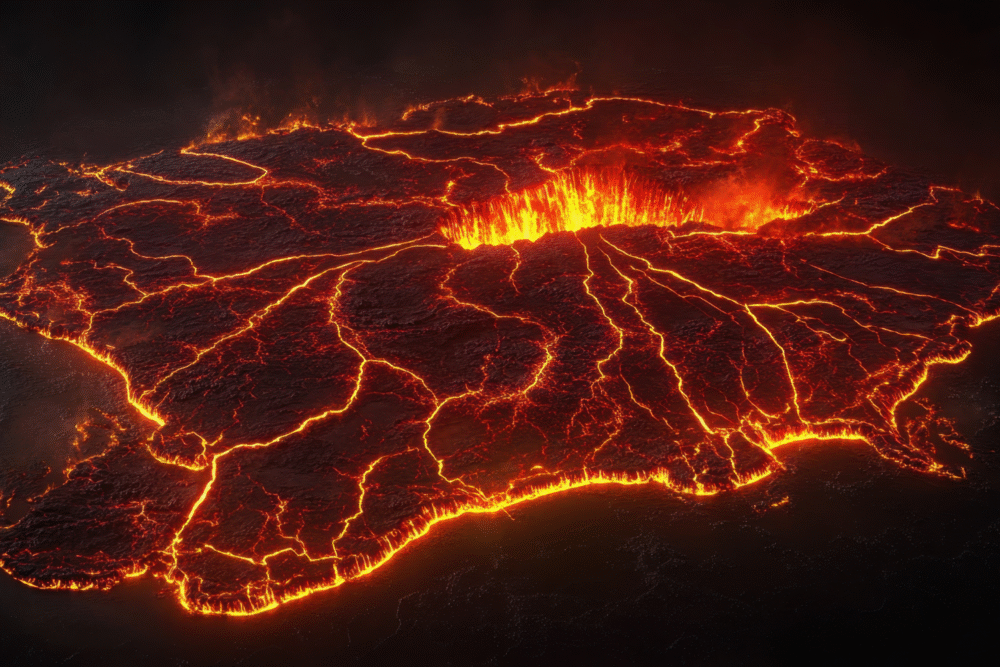
Axial Seamount sits along the Juan de Fuca Ridge, a spreading boundary where the seafloor pulls apart and magma rises to fill the gap. This constant motion fuels frequent volcanic activity, making Axial one of the most active submarine volcanoes in the Pacific. Scientists have studied it for decades because its eruptions and inflation cycles are unusually well documented.
The volcano’s remote location and deep-ocean environment make it a natural laboratory for observing how magma accumulates, pressure builds, and eruptions unfold. Instruments placed directly on the seafloor allow researchers to measure subtle changes that would be impossible to detect on land.
2. Its 2015 Eruption Produced Over 10,000 Quakes in 24 Hours
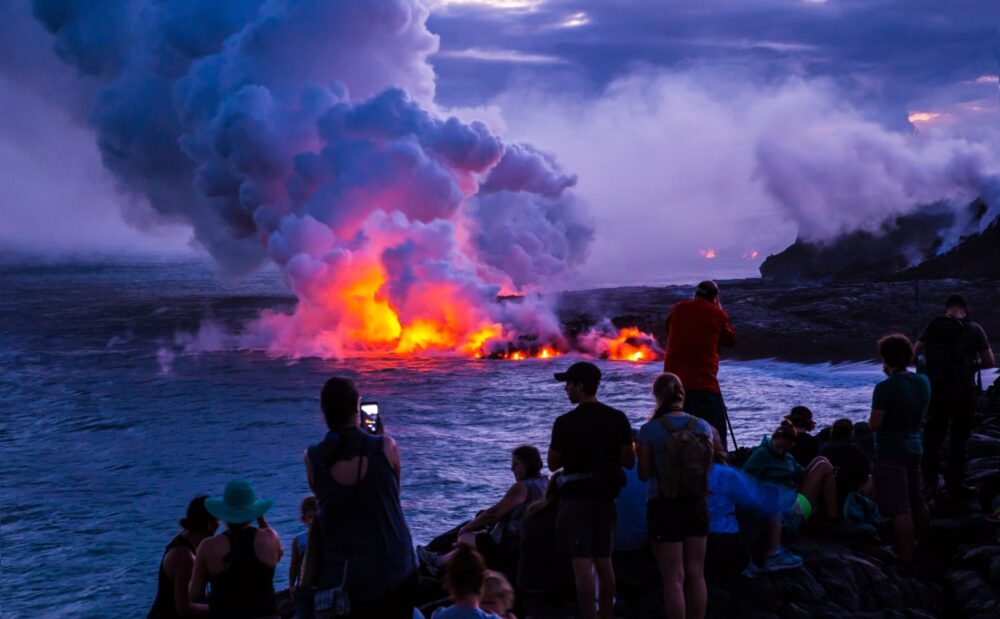
During the 2015 eruption, Axial Seamount generated more than 10,000 earthquakes within a single day. These quakes were triggered as magma forced its way through fractures beneath the seafloor, causing rapid ground movement and pressure release. The swarm offered scientists an unprecedented look at what happens when an underwater volcano approaches a critical threshold.
Because the volcano is monitored extensively, researchers were able to track the sequence from rising pressure to full eruption. This dataset has become one of the most valuable records of submarine volcanic behavior and helps improve future forecasting.
3. The Volcano Follows Predictable Inflation and Deflation Cycles

One reason Axial Seamount is so heavily studied is its predictable pattern of inflation and deflation. After each eruption, the volcano begins to accumulate magma again, slowly causing the seafloor to rise. These cycles continue until pressure reaches a tipping point, which triggers the next eruption and begins the process anew.
Scientists monitor this rise using highly sensitive pressure sensors and GPS-like instruments mounted on the seafloor. The data collected helps researchers estimate how close the volcano may be to its next eruptive event, giving rare insights into submarine volcanic cycles.
4. Recent Measurements Show Renewed Magma Accumulation
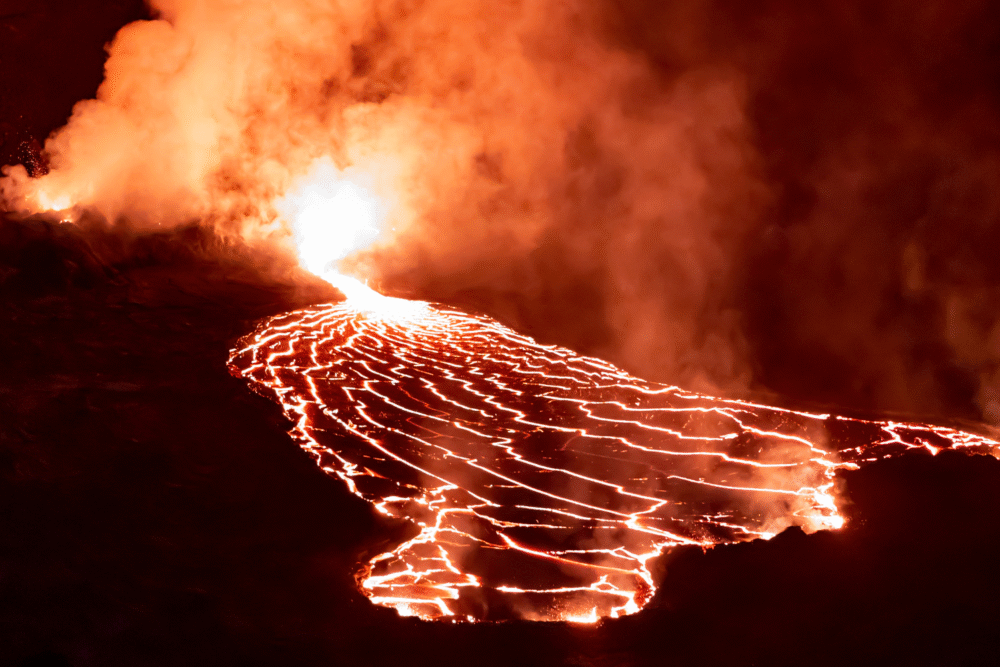
Current monitoring indicates the volcano is once again inflating as magma rises into its subsurface reservoirs. This inflation suggests pressure is steadily building, consistent with the early stages of the volcano’s known eruption cycle. While this does not mean an eruption is imminent, it confirms the system is actively recharging.
Researchers compare present inflation rates with data from previous cycles to gauge how quickly conditions are changing. These comparisons help determine whether the volcano is following typical behavior or exhibiting something unusual.
5. Axial’s Location Makes It Safe but Scientifically Important
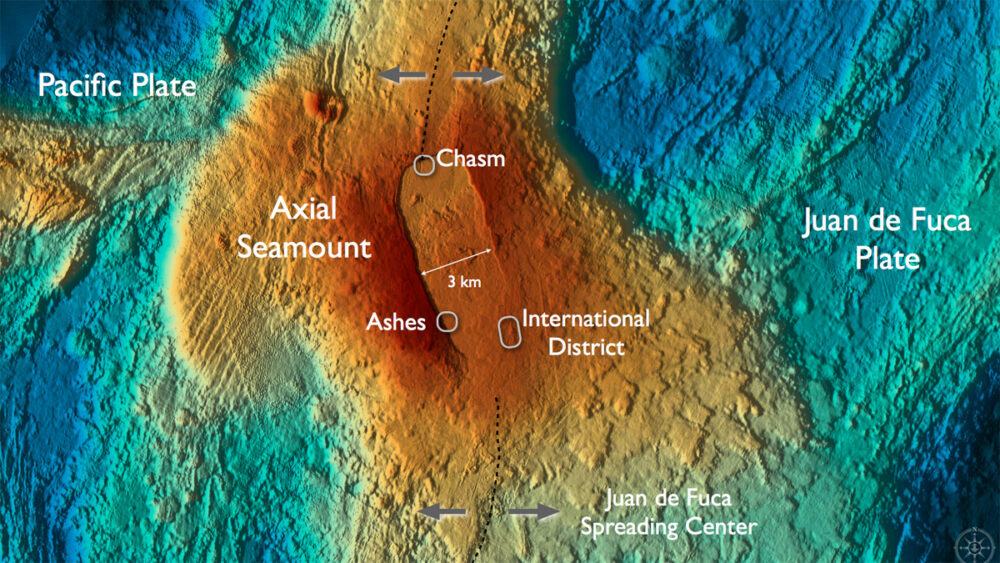
Axial Seamount sits nearly a mile beneath the ocean’s surface and more than 250 miles off the Oregon coast. Its eruptions do not pose a hazard to people on land, but the volcano remains scientifically important because of how clearly its behavior can be observed. Unlike many terrestrial volcanoes, Axial’s signals are strong, consistent, and accessible through seafloor instruments.
This unique combination makes it one of the best volcanoes on Earth for studying eruption forecasting. Scientists use the data collected here to refine models that help predict activity at other volcanoes around the world.
6. Seafloor Instruments Provide Real-Time Monitoring
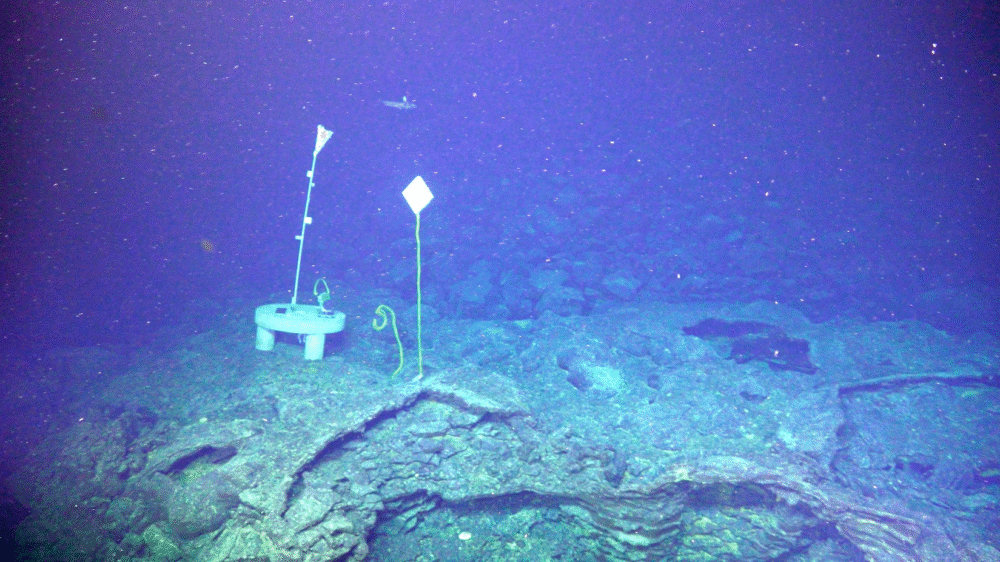
The Ocean Observatories Initiative maintains a network of sensors directly on the seafloor around Axial Seamount. These instruments track pressure changes, seismic activity, chemical shifts, and temperature variations with exceptional precision. Because the system sends data to shore through fiber-optic cables, scientists can observe changes in near real time.
This direct connection is rare for submarine volcanoes and allows researchers to detect inflation, quakes, or thermal changes almost as soon as they occur. The constant stream of data is a major reason Axial remains one of the best-understood volcanoes on Earth.
7. Earthquake Swarms Are an Expected Part of Its Behavior
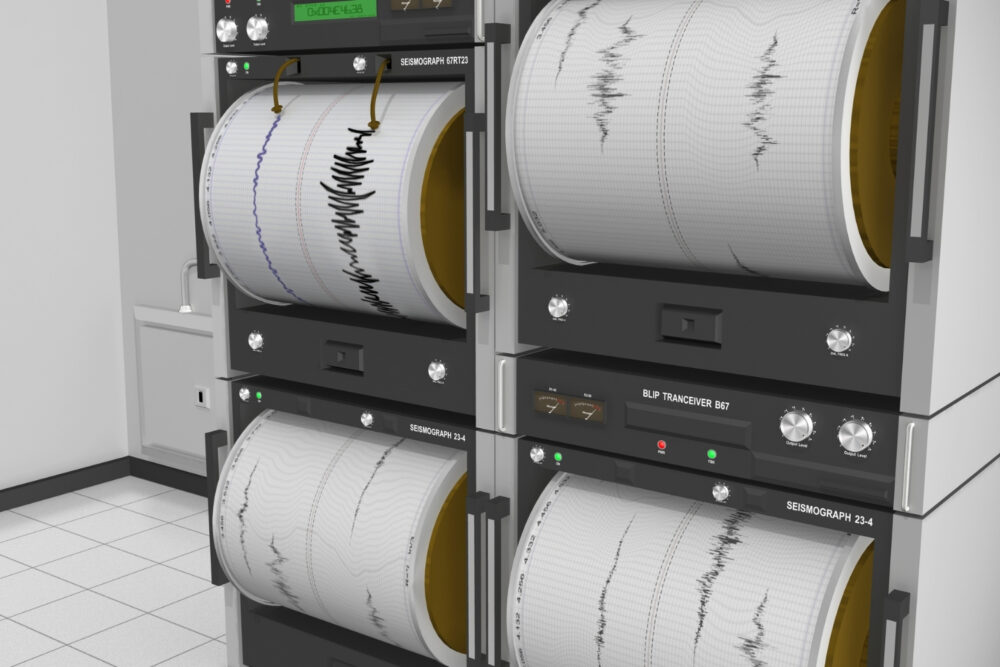
Frequent earthquakes are typical at Axial Seamount because of the constant movement of magma and tectonic forces along the ridge. While a swarm of 10,000 quakes in a day is exceptional, smaller swarms happen regularly as magma shifts beneath the crust. These swarms provide clues about how the volcano’s internal plumbing system evolves over time.
Scientists study the depth, frequency, and pattern of quakes to determine whether they result from normal spreading processes or more significant magma movement. Understanding these distinctions is essential for assessing long-term volcanic behavior.
8. Researchers Track Changes in Hydrothermal Vent Activity
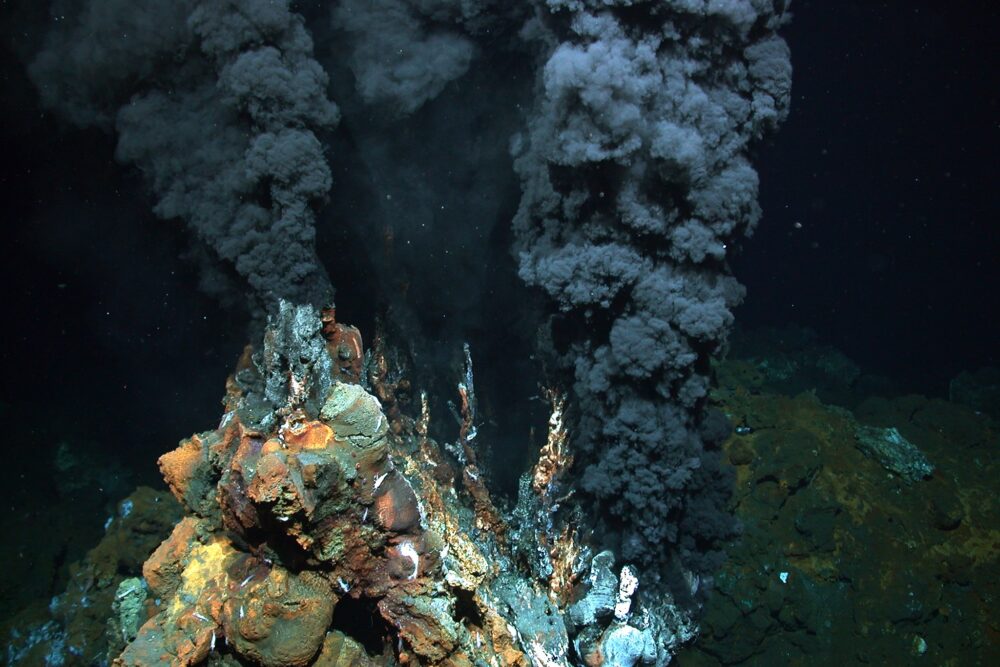
Axial Seamount supports a network of hydrothermal vents that release superheated water rich in minerals. These vents respond to changes in the volcano’s internal pressure, sometimes showing increases in temperature or chemical variations before or after eruptive events. Monitoring vent activity helps scientists understand how heat and fluids move within the volcano.
Shifts in vent conditions can indicate that magma is rising or that new fractures have opened in the crust. Because these changes are measurable, they add another layer of insight into the volcano’s ongoing development.
9. New Crust Formed During the Last Eruption Helps Map Activity
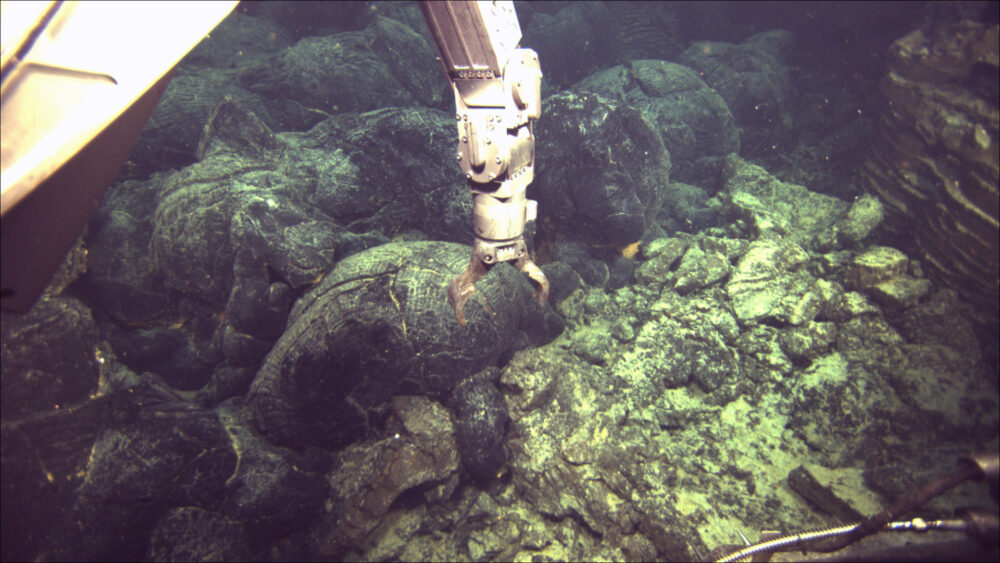
The 2015 eruption created new seafloor lava flows that scientists have mapped in detail. Studying these flows helps researchers understand where magma traveled, how fast it moved, and how the eruption unfolded. Comparing these maps with new data allows scientists to see whether the volcano is preparing similar pathways for future activity.
High-resolution surveys also reveal how much new material was added to the volcano’s structure. This information helps refine estimates of how much magma is needed to trigger future eruptions.
10. Predicting the Next Eruption Is Possible but Not Exact

While Axial Seamount’s inflation cycles make it one of the few volcanoes where eruption forecasting is realistic, predictions are still approximate. Scientists can estimate windows of time when conditions become favorable for an eruption based on past patterns, but exact timing remains uncertain.
Multiple factors influence whether pressure reaches a critical point, including magma supply rates and changes in tectonic stress. Monitoring all of these variables helps narrow the timeframe, but eruptions can still occur earlier or later than expected.
11. Axial Seamount’s Activity Helps Advance Global Volcano Science
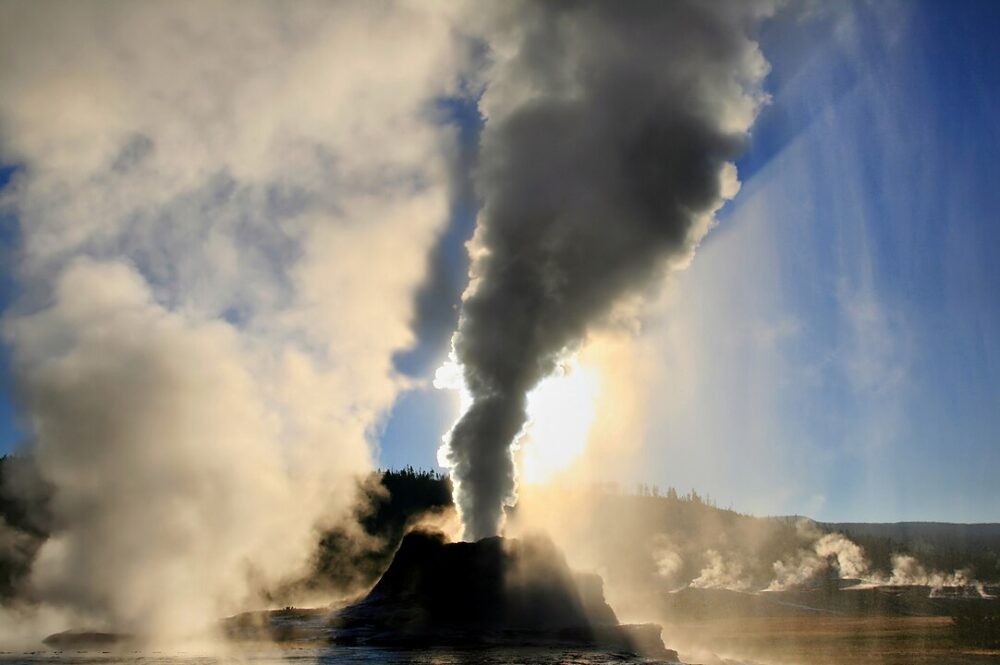
The detailed monitoring of Axial Seamount offers insights that extend far beyond the Pacific Northwest. The data collected here helps scientists understand how submarine volcanoes behave, how pressure builds beneath the seafloor, and how eruptions might be forecast at similar systems worldwide. Its activity contributes to broader knowledge about oceanic crust formation and volcanic processes.
Because Axial is so well instrumented, each inflation cycle and eruption provides new information that refines global volcanic models. Its ongoing activity continues to shape scientific understanding of how the planet’s interior evolves.