
New research shows getting enough sleep may matter more for life expectancy than you realized.

A new study from Oregon Health & Science University (OHSU) has found that one factor predicts how long you’ll live better than diet or exercise: sleep duration. Led by sleep physiologist Andrew McHill, PhD, and published in the journal Sleep Advances, the research compared self-reported sleep habits with life expectancy data across the United States. What the team found was surprising: consistently getting less than seven hours of sleep each night correlated more strongly with shorter life expectancy than many traditional lifestyle factors. The finding doesn’t downplay healthy eating or exercise, but it does put sleep front and center.
1. How the study connected sleep with life expectancy.

Researchers analyzed sleep data from thousands of U.S. residents collected between 2019 and 2025, comparing it with county-level life expectancy statistics. Participants reported how many hours they typically slept, and the researchers used less than seven hours per night as the threshold for insufficient sleep. Across nearly every region studied, areas where more people reported insufficient sleep also tended to have lower life expectancy.
The results held even after accounting for other factors like physical activity, employment, and education levels, suggesting that sleep itself plays a critical role in longevity that goes beyond common habits like diet or exercise.
2. Why sleep matters more than you might think.
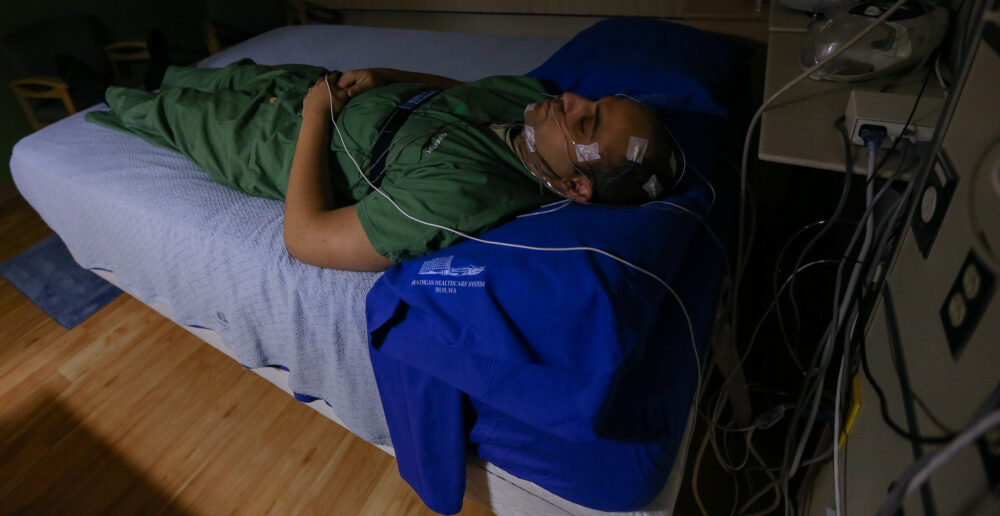
Sleep isn’t just rest—it’s when your body repairs tissues, consolidates memories, balances hormones, and clears metabolic waste from the brain. When you consistently get too little sleep, all of these processes are compromised. Poor sleep has been linked to heart disease, obesity, diabetes, weakened immunity, and cognitive decline.
The OHSU study’s big surprise was just how strong the correlation was between sleep duration and life expectancy. Other lifestyle measures typically associated with longevity became less predictive once sleep was factored in, highlighting that a good night’s rest could be as important as what you eat or how often you exercise.
3. Sleep vs. other lifestyle factors.

Traditionally, most people think of longevity in terms of diet, exercise, and avoiding smoking. This study re-shuffles that list by showing that insufficient sleep correlated with shorter lifespans more strongly than many of those behaviors. Smoking still came out as the top predictor of reduced life expectancy, but sleep was a close second—beating common factors like physical inactivity in the analysis.
This doesn’t mean diet and exercise aren’t valuable—they clearly are. But if you’re focusing on all the “right” habits and still skimping on sleep, you could be undermining your own health in ways you didn’t expect.
4. How much sleep is enough?

Experts generally recommend seven to nine hours of sleep per night for adults. That’s the range the researchers used when classifying sleep patterns in the study. People who regularly clocked fewer than seven hours tended to live shorter lives than those who hit that minimum consistently.
Sleep needs do vary by individual, but the evidence suggests that chronic sleep loss—even by a few hours a night—adds up over time and carries real health consequences. Prioritizing sufficient sleep isn’t just about feeling rested the next day—it’s about long-term health.
5. Sleep and chronic disease risk.
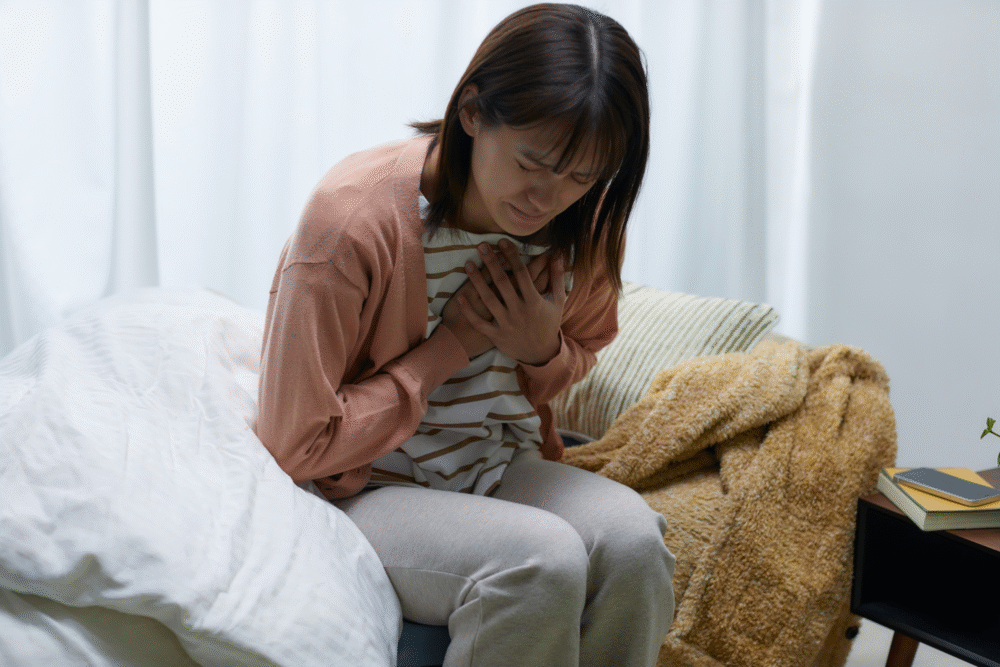
Lack of sleep is tied to multiple chronic conditions that can shorten life. Insufficient sleep weakens immune function, raises inflammation, disrupts blood sugar control, and strains the cardiovascular system. Over years and decades, these effects increase the risk of heart disease, stroke, diabetes, and even some cancers.
The OHSU team found that areas with prevalent short sleep patterns also had life expectancy outcomes consistent with higher levels of chronic disease. Improving sleep could therefore be a key preventive strategy, not just a comfort measure.
6. What this means for everyday habits.

For many people, sleep is the first habit to go when life gets busy. Work, kids, screens, stress, and social life often take priority over getting a full night’s rest. This study suggests that pattern may be doing more harm than many of us realize. Sleep isn’t optional—it’s foundational.
If you’re trying to eat better and exercise more, you shouldn’t stop. But pairing those efforts with better sleep could amplify the benefits and improve your odds of living longer and healthier.
7. How communities mirror sleep and longevity.

Because the OHSU analysis looked at data across thousands of counties, it showed that the connection between sleep and life expectancy isn’t isolated. It shows up in urban areas, suburbs, rural towns, and across income levels. Everywhere, consistent insufficient sleep corresponded with shorter lifespans.
That widespread pattern suggests that sleep isn’t just a personal health issue—it’s a public health concern. Communities with high rates of chronic sleep loss may also face other stressors, but the sleep–longevity link remained strong even when other variables were considered.
8. Why this study matters for public health.

If sleep is one of the strongest predictors of life expectancy outside of smoking, it deserves more attention in health policy. Doctors, insurers, and wellness programs often emphasize diet and exercise, but sleep often gets sidelined. The new findings show that changing that approach could make a real difference.
Better sleep habits may reduce healthcare costs, improve quality of life, and lengthen life expectancy—not just for individuals, but across populations.
9. Simple steps to improve your sleep.

Experts suggest habits that support good sleep: keep a regular bedtime schedule, limit caffeine and alcohol before bed, create a dark, cool sleeping environment, and reduce screen time in the hour before lights out. Exercise earlier in the day and manage stress through mindfulness or relaxation techniques.
While there’s no magic formula, consistent routines and prioritizing sleep windows make a measurable difference. Small changes can accumulate into better rest and potentially longer life.
10. What the study couldn’t prove.

It’s important to note that the OHSU study shows correlation, not direct causation. That means lack of sleep is linked with shorter life expectancy, but the study doesn’t prove it causes shorter life on its own. Other factors like underlying health conditions can influence both sleep patterns and longevity.
Still, the strength and consistency of the association—across regions and demographics—points to sleep as a major piece of the longevity puzzle worth paying attention to.
11. Why sleep deserves as much focus as diet and exercise.
For decades, health advice has stressed eating well and moving more. This study adds a third pillar: sleep quality and duration. After smoking, insufficient sleep stood out as one of the strongest lifestyle-related predictors of shorter life expectancy in the analysis.
Prioritizing good sleep isn’t just about feeling refreshed. It may be one of the smartest longevity strategies you can adopt—one that works quietly every night while you rest.