
Perfectly stacked stone blocks have sparked claims of an ancient structure, but the real explanation may be just as surprising.

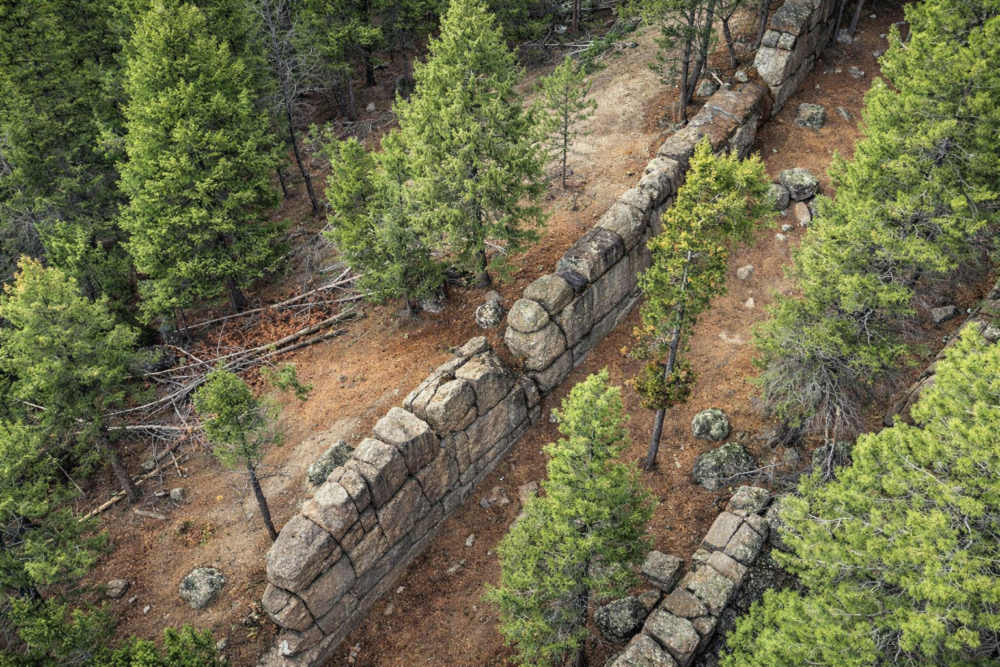
A remote stone formation in southwestern Montana has captured widespread attention for its striking resemblance to a massive, hand-built wall. Large rectangular blocks appear stacked with unusual precision, leading some observers to describe it as one of the oldest prehistoric megastructures in North America.
The site, commonly known as the Sage Wall near Whitehall, has fueled online speculation about lost civilizations and ancient builders. Photos and videos show what looks like deliberate stonework, sparking debate far beyond the region.
Geologists and archaeologists, however, urge caution. What looks artificial at first glance may be the result of natural processes that can mimic human construction surprisingly well.
1. Where the Montana “wall” is located
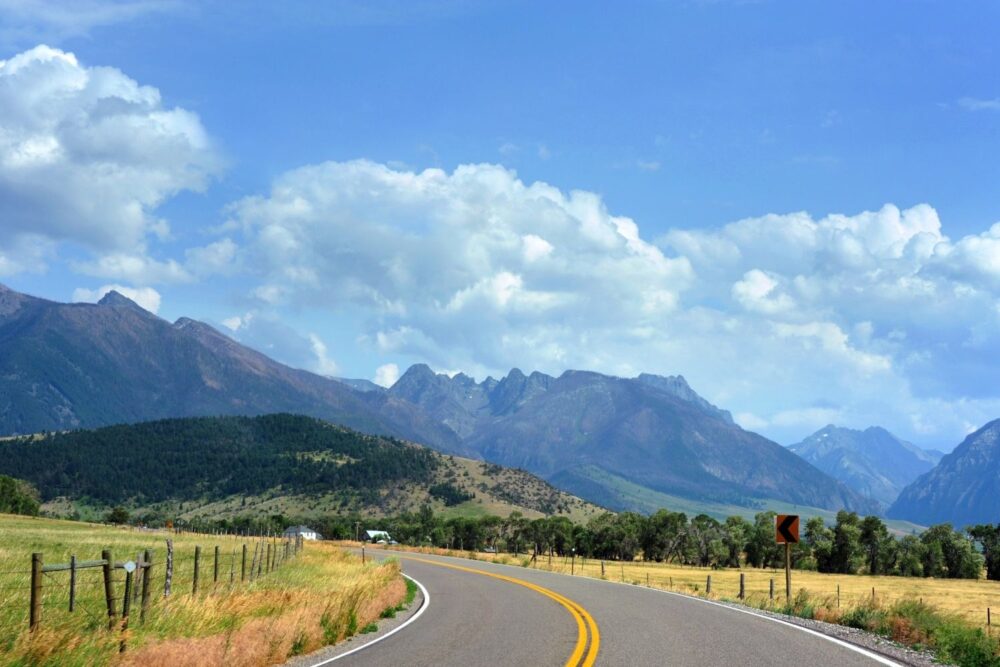
The Sage Wall is found in the foothills near Whitehall, Montana, an area shaped by volcanic activity and tectonic forces over millions of years. It sits on private land and stretches for dozens of yards along a hillside.
The formation’s visibility and accessibility have helped it spread rapidly online, turning a little-known local feature into a national curiosity.
2. Why it looks man-made at first glance
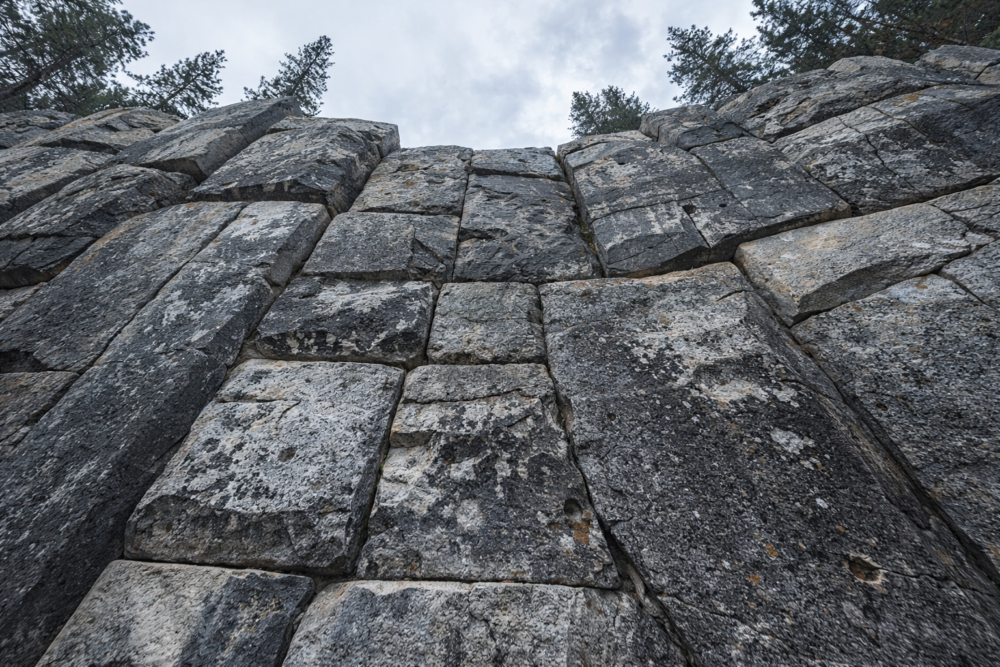
The stones appear rectangular, layered, and tightly fitted, features commonly associated with ancient masonry. Some blocks even resemble courses seen in well-known megalithic sites elsewhere in the world.
This visual similarity is what drives claims that the wall was intentionally built, despite the absence of carvings, tools, or cultural artifacts nearby.
3. What geologists say formed it
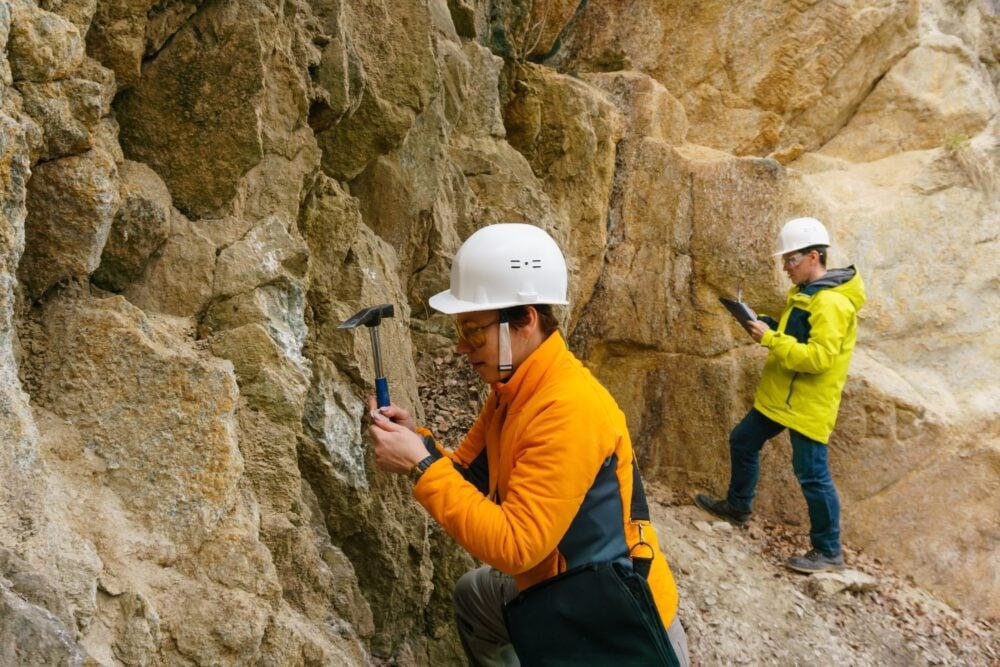
Geologists explain the structure as a natural result of columnar jointing and fracture patterns in volcanic rock. As lava cools, it can crack into straight-edged shapes that later break free through erosion.
Over time, gravity and weathering can cause these blocks to settle in ways that look stacked, even though no human hands were involved.
4. Why archaeologists remain skeptical
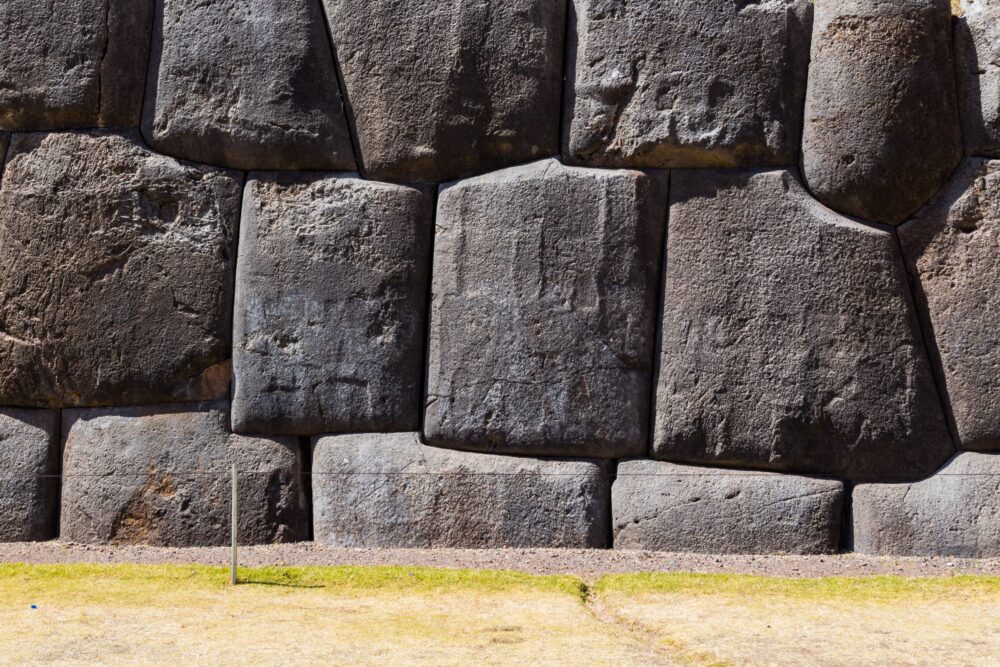
Archaeologists point out that genuine prehistoric structures usually leave more than stone alignment behind. Tools, pottery, hearths, or nearby habitation evidence are typically present.
At the Sage Wall site, none of these indicators have been documented, making it difficult to classify the formation as a human-made structure.
5. How viral claims complicate real research
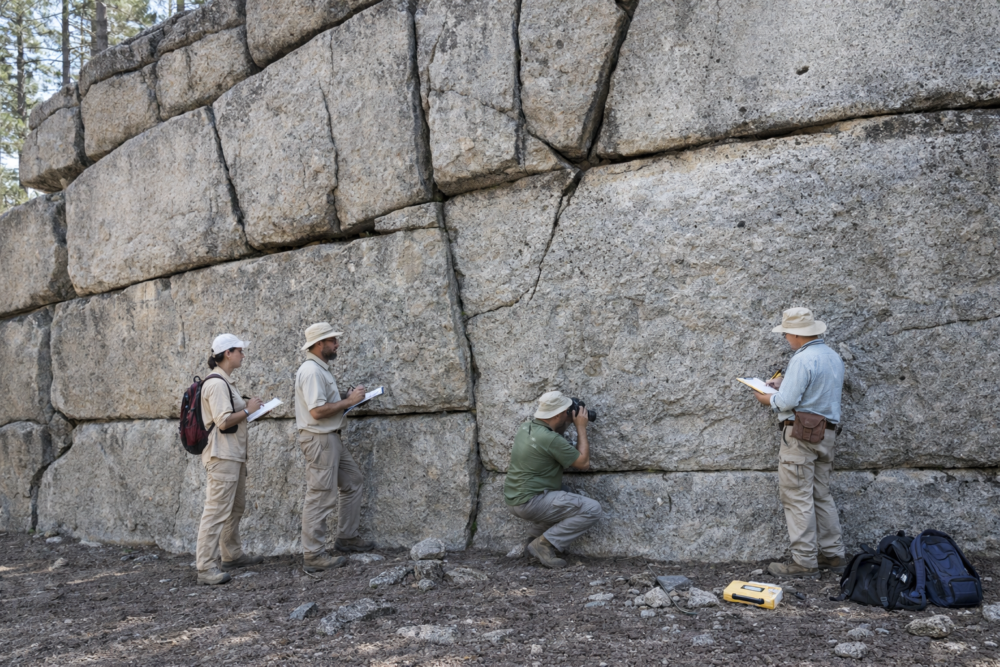
Online videos often describe the wall as proof of a lost ancient civilization in North America, sometimes assigning it extreme ages without evidence. These claims spread faster than careful scientific explanations and can distort public understanding.
Researchers stress that extraordinary claims require extraordinary evidence. So far, no datable materials, construction marks, or cultural context support the idea of deliberate prehistoric engineering at the site.
That doesn’t make the formation uninteresting. Scientists say the Sage Wall is valuable precisely because it shows how natural geology can produce structures that closely resemble human design, reminding us how easily appearances can mislead.
6. Similar formations found elsewhere
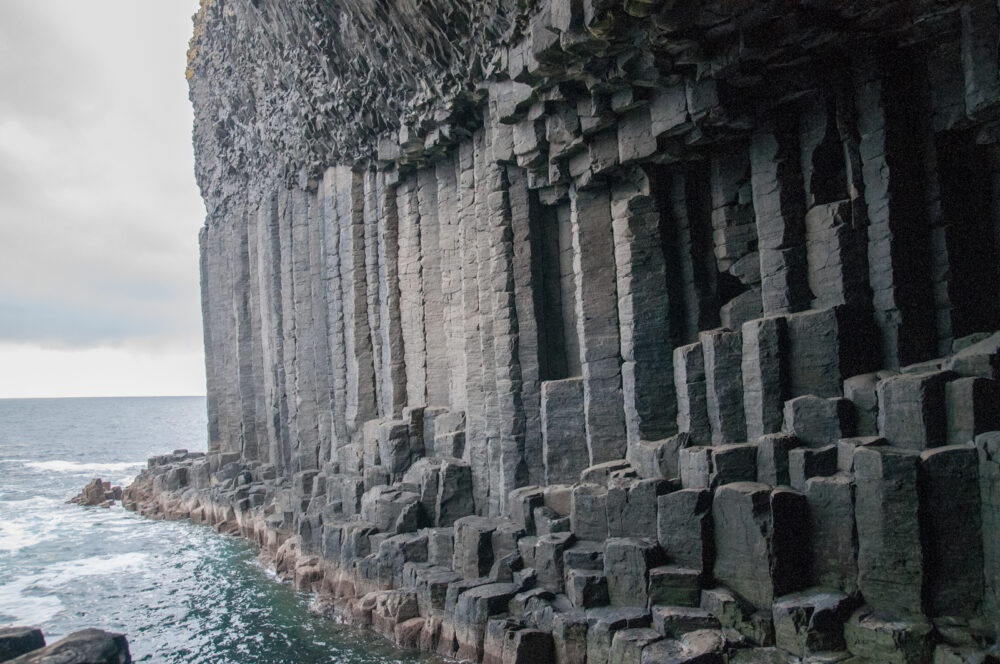
Geologists note that comparable wall-like rock formations exist in other volcanic regions around the world. In many cases, they were also initially thought to be artificial before being studied in detail.
These comparisons strengthen the case that the Montana formation fits known geological patterns rather than standing as an isolated anomaly.
7. Why the idea of megastructures resonates

Stories about ancient builders and lost civilizations have long captured the public imagination. When a structure looks engineered, people naturally search for a human story behind it.
In places like North America, where monumental prehistoric stone architecture is rare, such discoveries feel especially tantalizing.
8. What evidence would change scientific minds
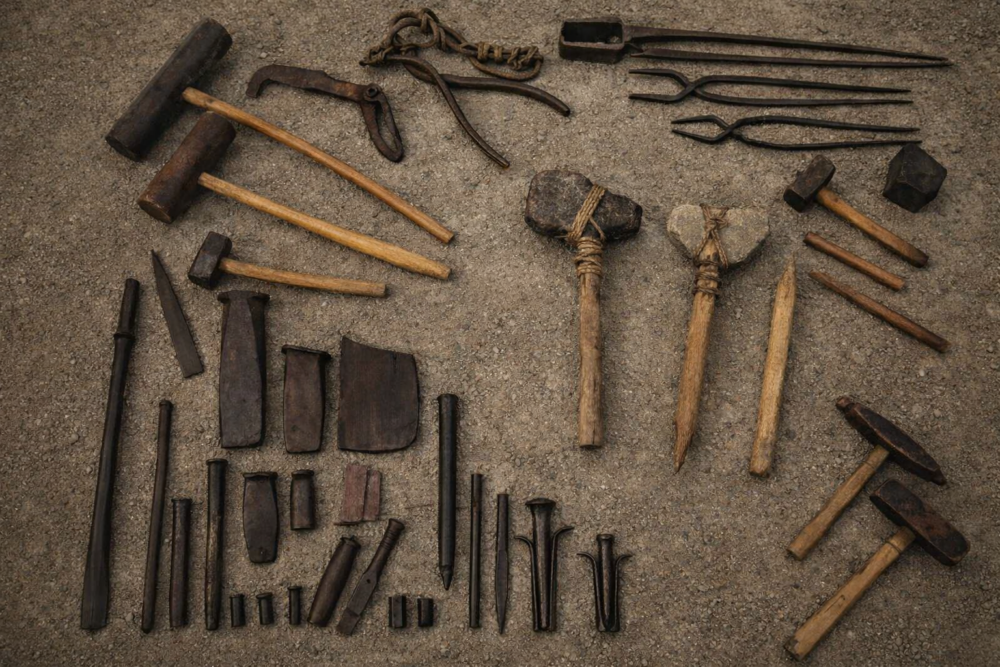
Clear signs of quarrying, tool marks, deliberate shaping, or associated artifacts could prompt serious archaeological reassessment. So far, those elements have not been found at the site.
Until such evidence appears, researchers classify the Sage Wall as a geological formation rather than an archaeological one.
9. The role of careful documentation
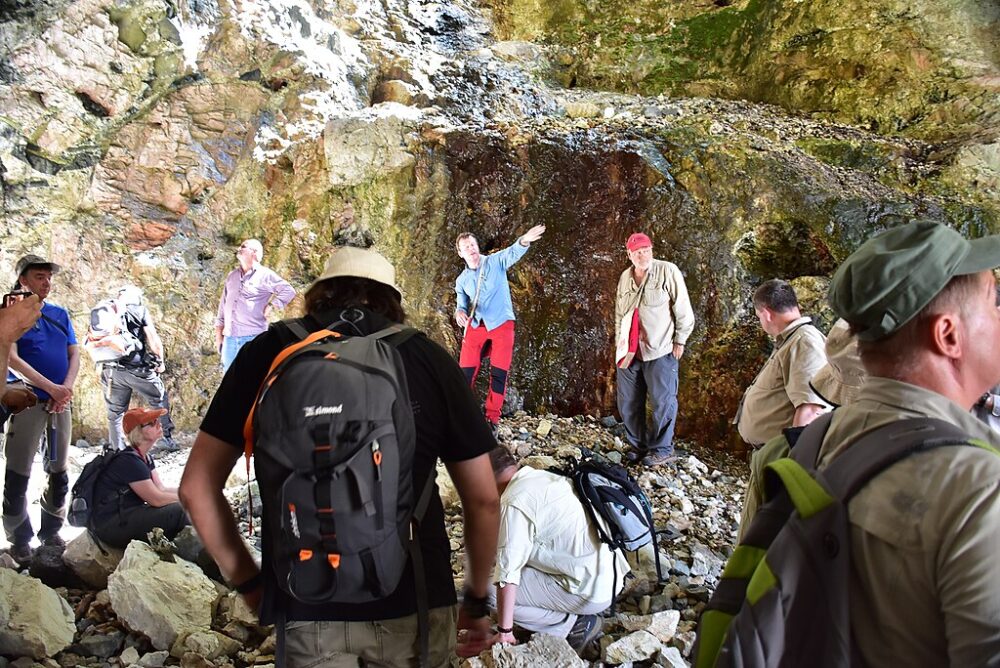
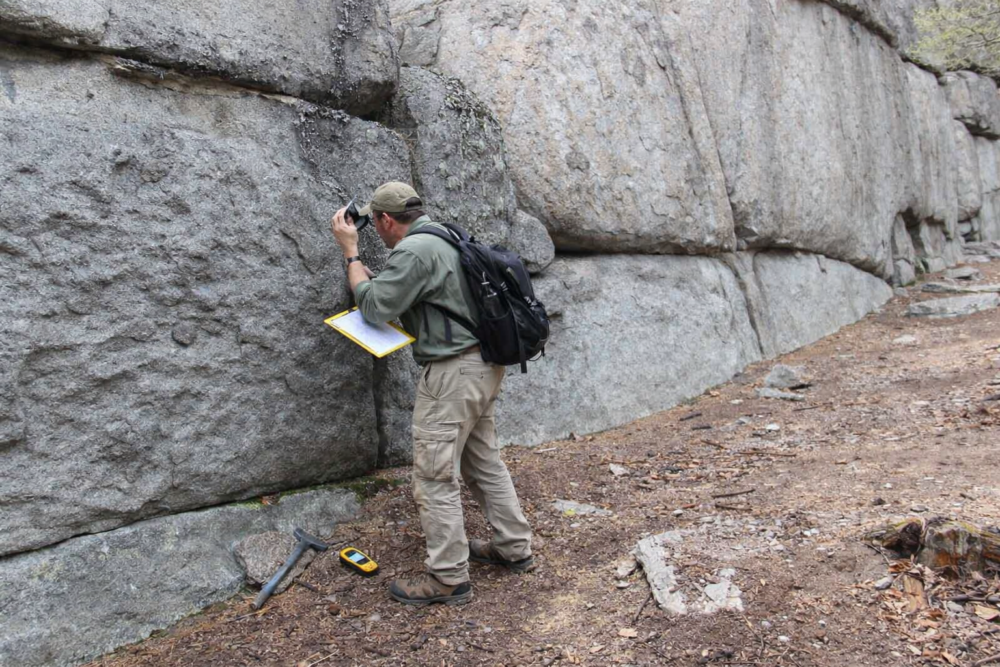
Scientists emphasize the importance of proper surveys, mapping, and peer review. Rushing to conclusions can undermine legitimate research and fuel misinformation.
Careful documentation allows unusual features to be studied without overstating what they represent.
10. Why mystery and science often collide
Natural formations that look artificial sit at the intersection of wonder and skepticism. They challenge assumptions about both nature’s complexity and human history.
This tension is part of what keeps the Sage Wall in the public eye, even as explanations remain grounded in geology.
11. What the Montana wall really tells us
The Sage Wall does not currently rewrite North American prehistory. Instead, it offers a lesson in how geological forces can create astonishingly ordered structures.
For scientists, it’s a reminder to look closely before labeling something ancient or human-made—and for the public, it’s a striking example of how nature itself can rival human architecture.