
A giant skull, hoofed feet, and crushing teeth have left scientists debating what this prehistoric beast really was.
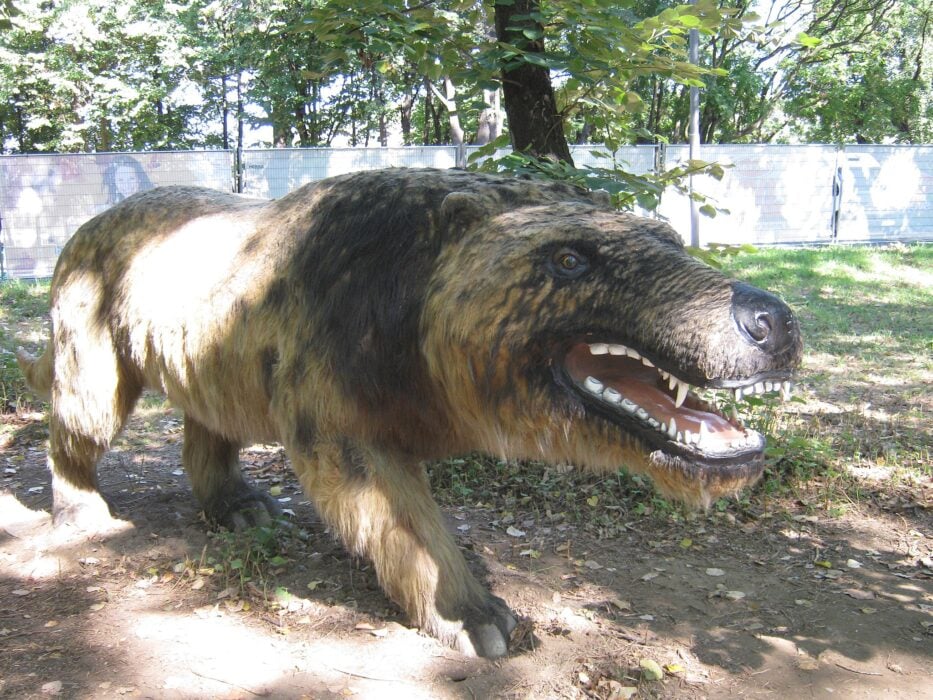
In 1923, a fossil hunter in what is now Inner Mongolia uncovered a skull so large and strange it immediately captured scientific attention. The fossil belonged to Andrewsarchus, a massive carnivorous mammal that lived roughly 37 to 47 million years ago, long before modern predators like wolves and big cats dominated the landscape.
The problem is that almost everything we know about Andrewsarchus comes from that single skull. Over the decades, scientists have proposed wildly different identities for the animal, ranging from a hoofed wolf-like hunter to a pig-like scavenger or even a distant relative of whales. Today, researchers are still trying to piece together its true nature.
1. One enormous skull launched a century of debate
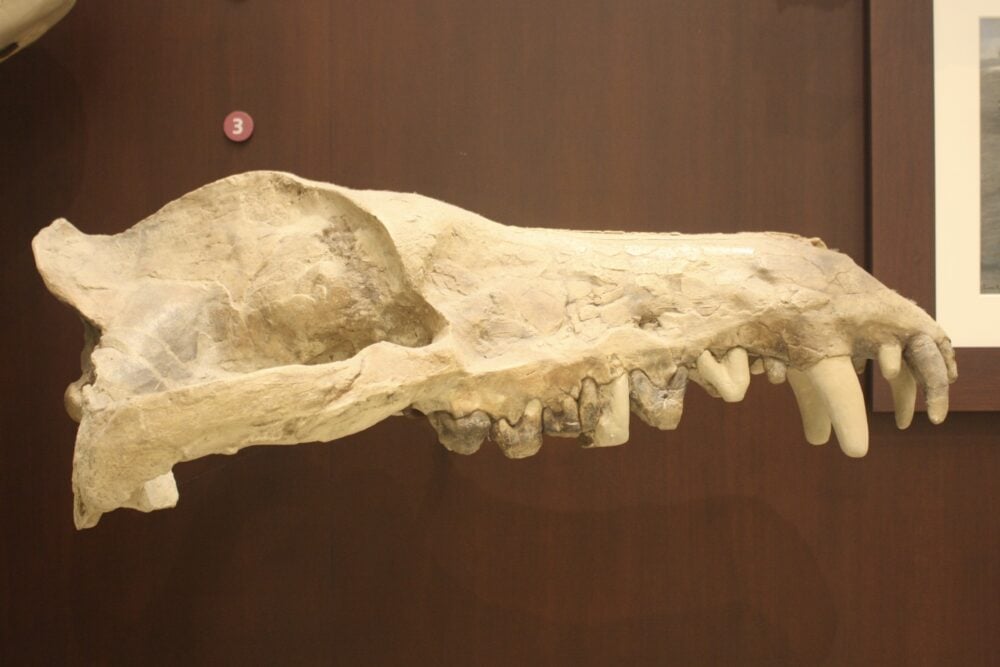
Andrewsarchus is famous because its skull is extraordinary. Measuring more than 2.7 feet long, it is the largest mammalian carnivore skull ever found, packed with massive jaws and heavy teeth built for crushing.
But that fame comes with frustration. Without legs, ribs, or a backbone, paleontologists have had to reconstruct an entire animal from one dramatic piece of evidence. The skull offers clues, but it also leaves huge gaps that fuel ongoing disagreement.
2. It lived in a very different predator world
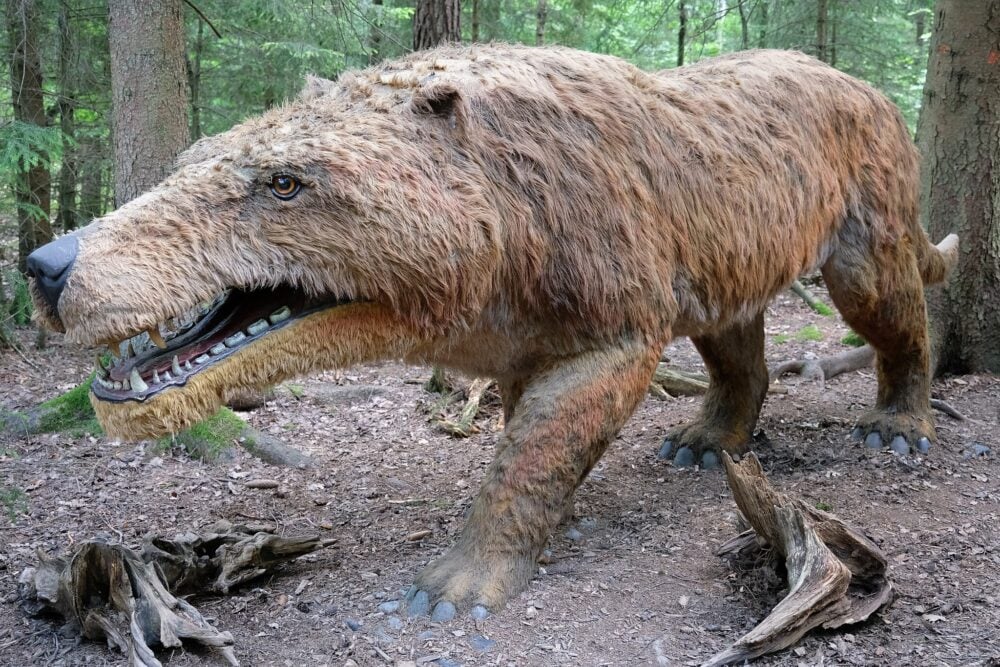
This animal lived during a time when today’s familiar carnivores had not yet taken over. The early Cenozoic world was full of strange mammals that do not fit neatly into modern categories.
That matters because Andrewsarchus cannot be easily compared to a dog or a bear. Scientists must instead compare it to extinct groups that evolved their own ways of hunting, scavenging, and surviving in ecosystems unlike anything alive today.
3. Early size estimates pushed it into monster territory
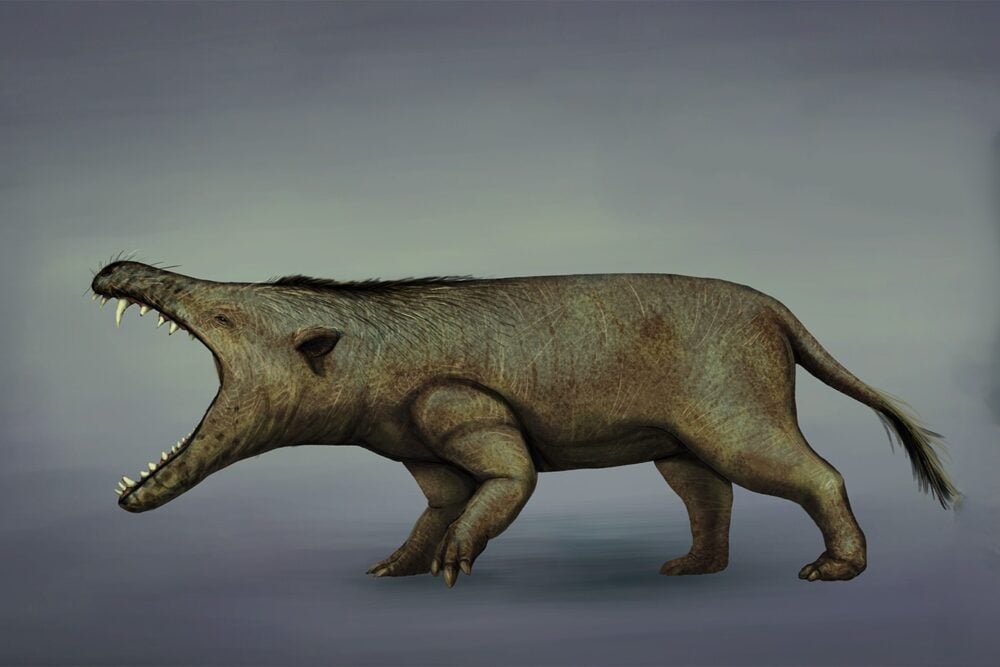
Soon after its discovery, scientists tried to estimate the animal’s full body size by comparing the skull to those of other extinct hoofed predators. Some estimates suggested it may have been more than 12 feet long and tall enough to loom over other animals.
Later research showed those estimates could be misleading. If Andrewsarchus belonged to a different branch of the mammal family tree than originally thought, its body proportions may have been very different, shrinking or reshaping the monster image without changing the skull itself.
4. For a time, it was grouped with “hell pigs”
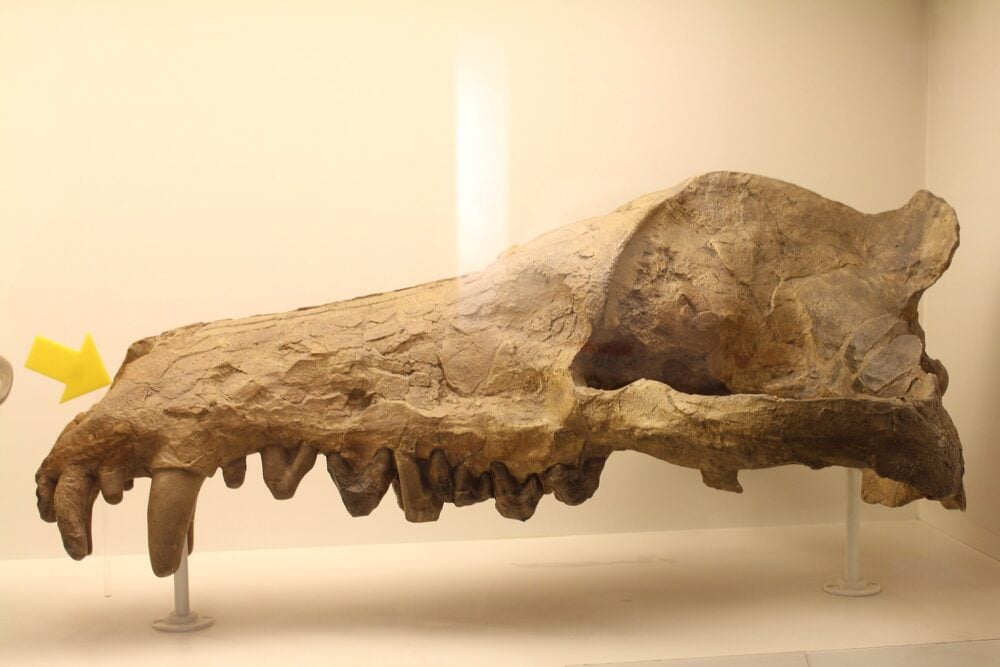
One early idea linked Andrewsarchus to entelodonts, large pig-like mammals sometimes nicknamed “hell pigs.” These animals had long skulls and powerful jaws capable of crushing bone.
That comparison made sense because some entelodont skulls approach Andrewsarchus in size. It also introduced an idea that still lingers today: this animal may not have been a pure predator, but an aggressive omnivore capable of eating almost anything.
5. Then came the idea of a wolf with hooves
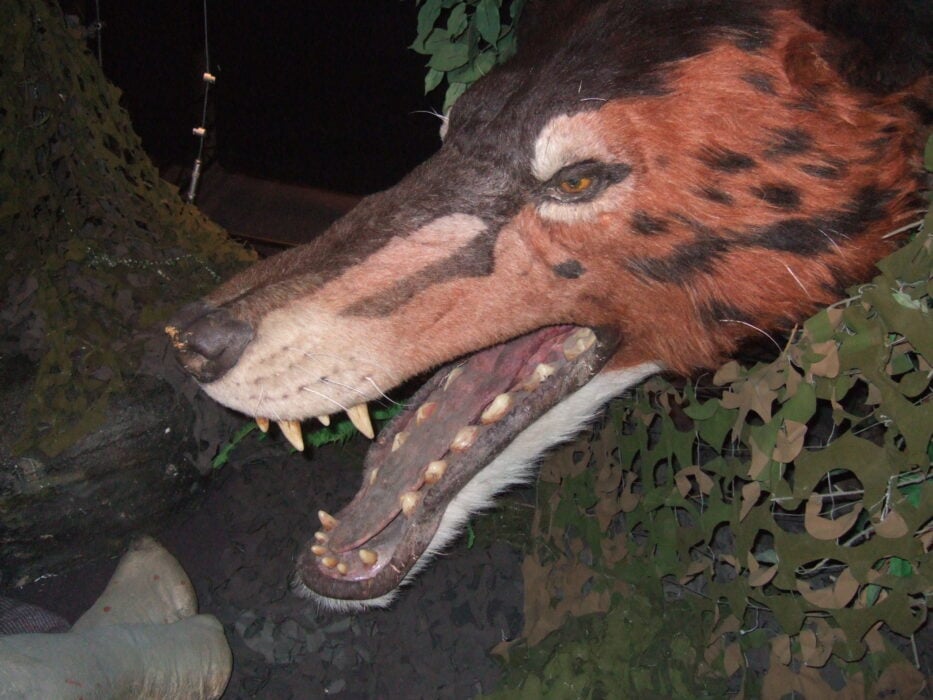
Another influential theory placed Andrewsarchus among mesonychids, a group of extinct, hoofed carnivores often described as wolf-like. This led to the enduring image of a fast-running predator with hooves instead of claws.
The problem is that no one has ever found Andrewsarchus’s feet. The hoofed wolf image is based on relatives, not direct evidence. Without limb bones, that dramatic picture remains speculative.
6. The whale connection complicated things further
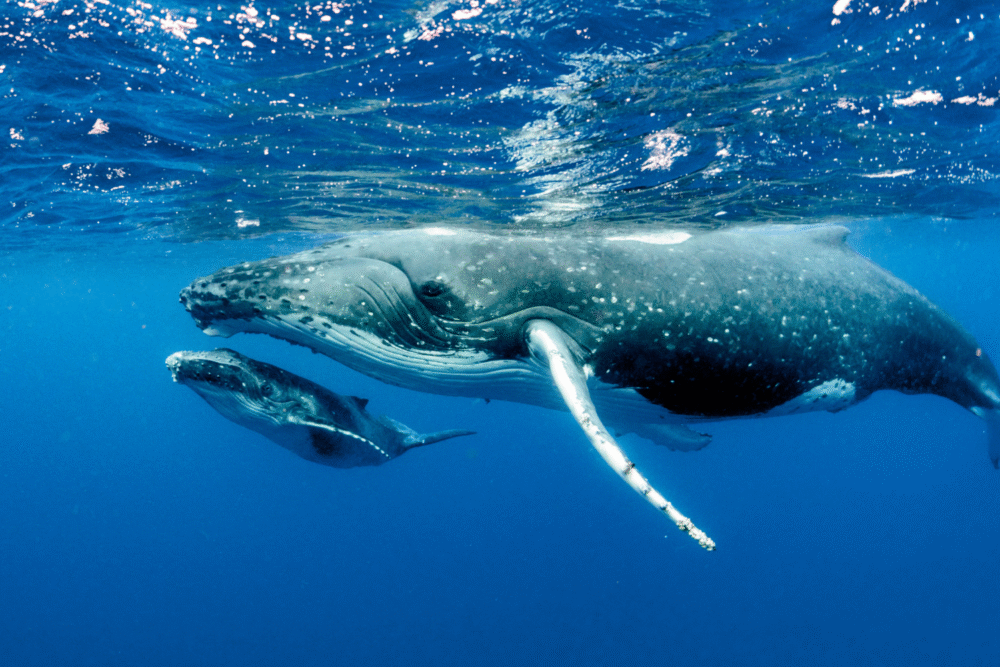
For a time, mesonychids were thought to be closely related to whales, which sparked even stranger ideas about Andrewsarchus’s ancestry. Could this giant land predator be tied to early whale evolution?
Today, scientists place whales and many hoofed mammals within a broad evolutionary group, but that does not mean Andrewsarchus was anything like a whale. It simply means its deep ancestry sits on a surprisingly diverse branch of the mammal family tree.
7. The fossil record leaves almost everything unanswered
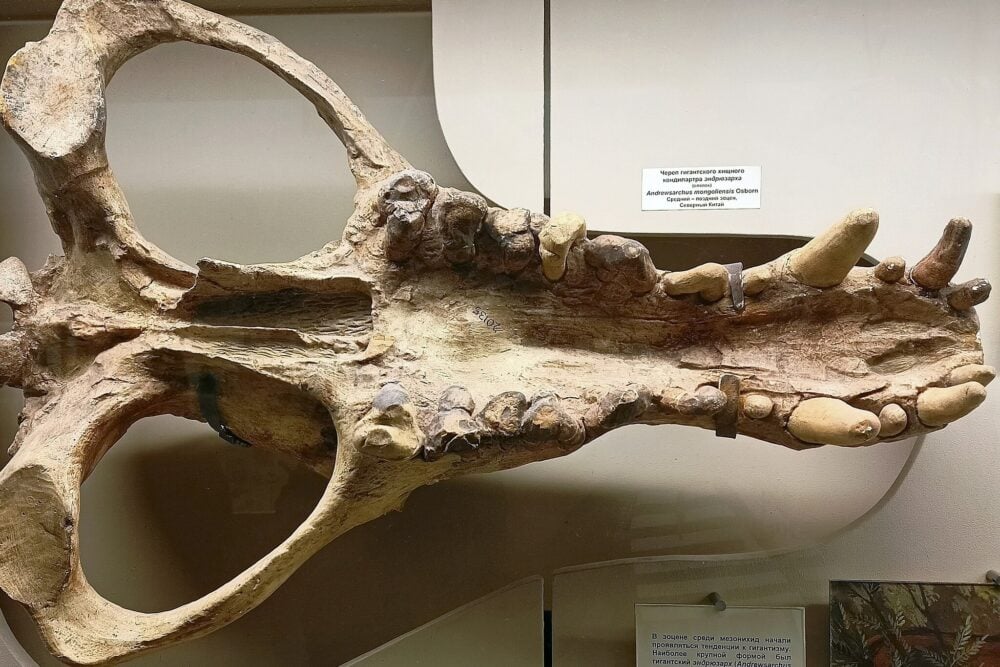
Despite its fame, Andrewsarchus is known almost entirely from a single skull and a few fragmentary pieces. No full skeleton has ever been found to confirm its posture, gait, or true size.
Even the skull itself is imperfect. Parts are damaged, worn, or missing, making precise comparisons difficult. For such a well-known fossil, the amount of missing information is unusually large.
8. Its teeth suggest crushing power, not slicing
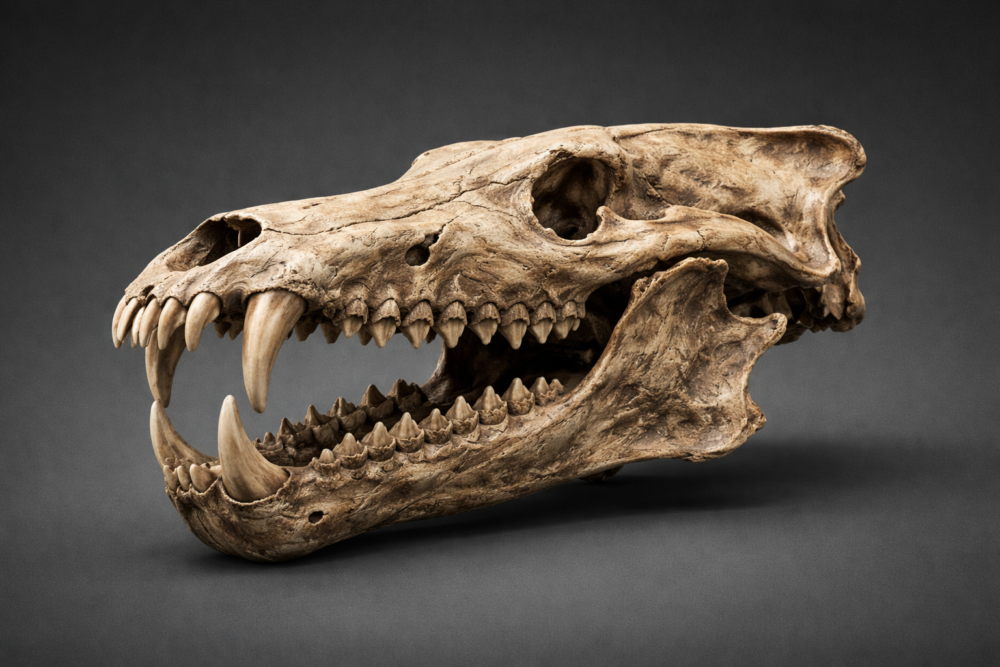
One of the strongest clues comes from the teeth. Rather than sharp slicing teeth like those of cats, Andrewsarchus had robust teeth suited for crushing hard material.
That suggests a lifestyle built around versatility. An animal with crushing teeth could break bones, crack tough food, scavenge carcasses, and still hunt when the opportunity arose. It may have been less of a specialist killer and more of an all-purpose brute.
9. New studies are nudging it back toward pig-like relatives
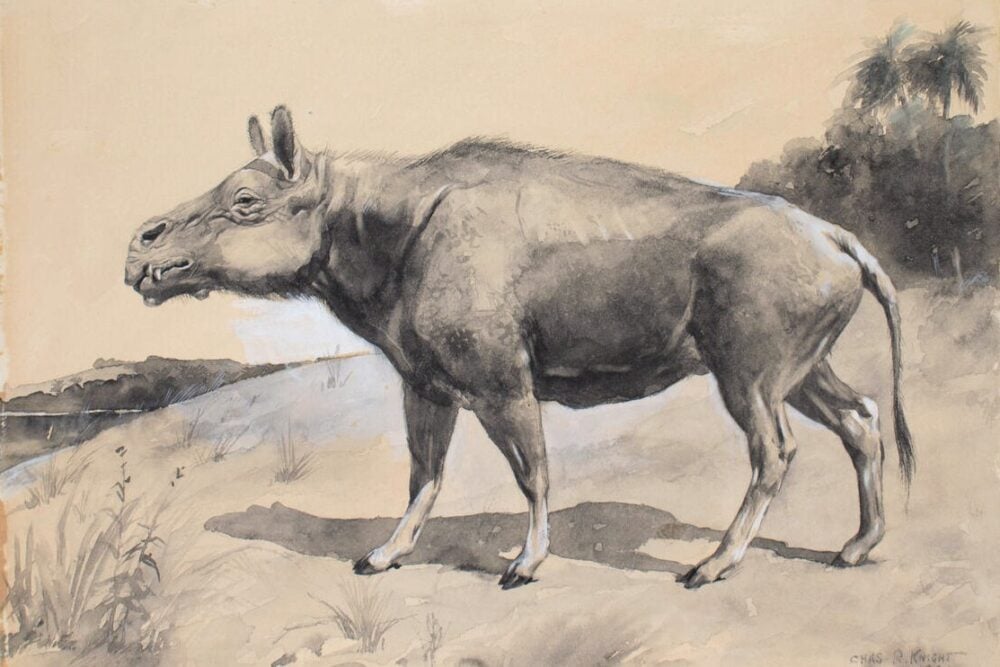
Recent research has revisited the skull’s tooth structure and placement, suggesting Andrewsarchus may be closer to entelodonts than to wolf-like predators. Certain dental features align better with bone-crushing omnivores than with pursuit hunters.
Still, not everyone agrees. Some scientists argue these similarities could result from convergent evolution, where unrelated animals evolve similar features because they fill similar ecological roles.
10. A likely picture is a dominant opportunist
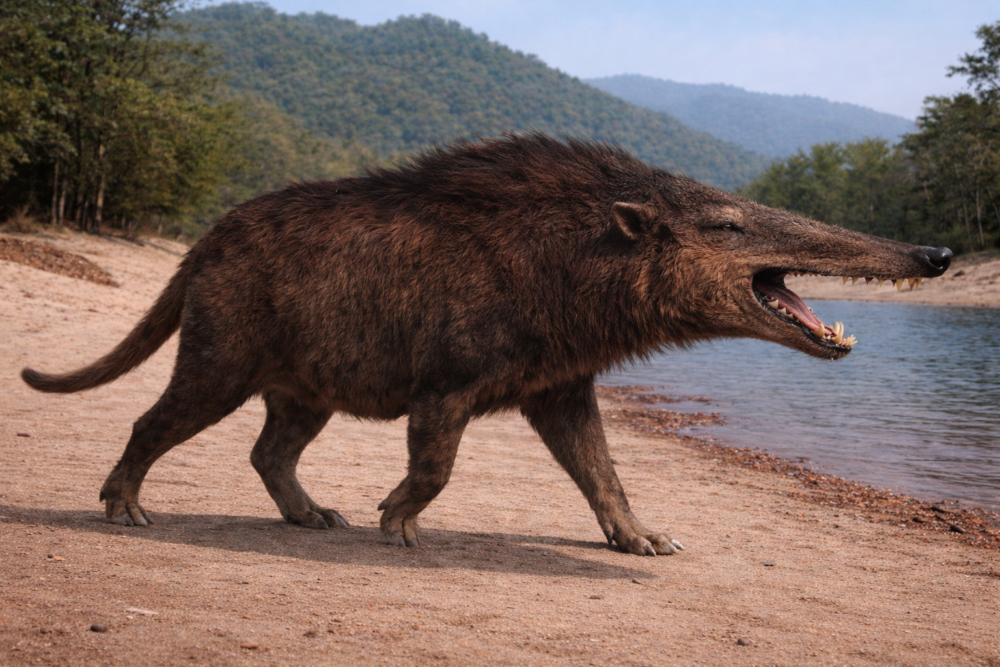
With so many unknowns, the safest conclusion is that Andrewsarchus was a powerful generalist. It may have scavenged frequently, bullied other animals away from kills, and hunted smaller prey when it could.
That kind of behavior fits many large mammals, especially in competitive ecosystems where flexibility is an advantage. Andrewsarchus may have survived not by speed or stealth, but by sheer strength and intimidation.
11. The mystery is why it still fascinates us
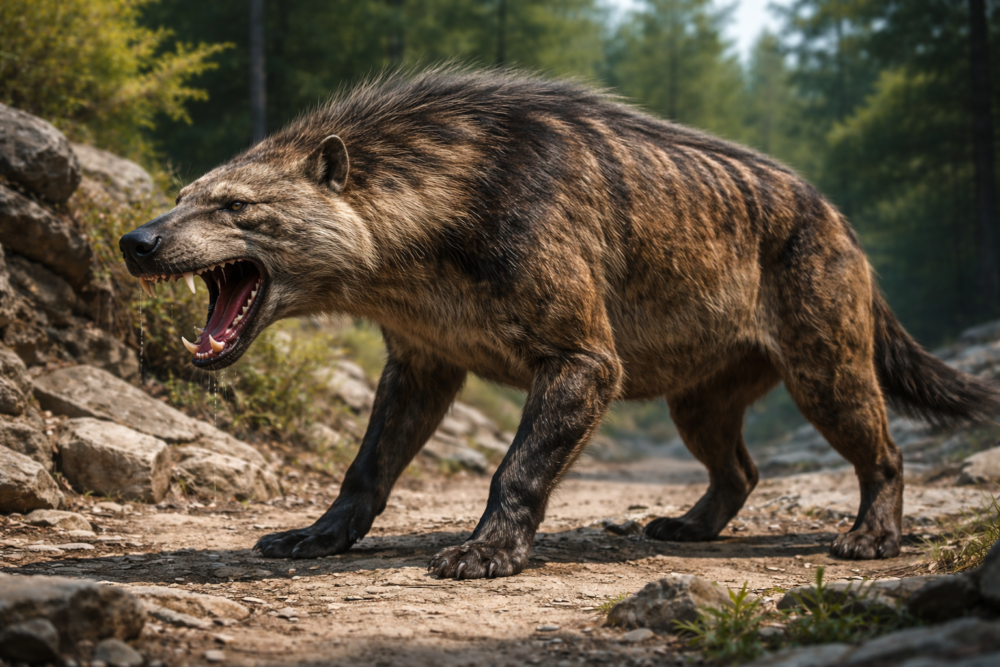
After more than a century, Andrewsarchus remains famous precisely because it resists easy answers. One incredible skull gives just enough information to spark endless debate.
The fossils that could finally solve the puzzle may still be buried, or they may already sit unidentified in museum collections. Until then, Andrewsarchus remains what it has always been: a prehistoric monster shaped by evidence, imagination, and unanswered questions.