
A newly described spinosaur is rewriting what we thought we knew about one of history’s strangest predators.
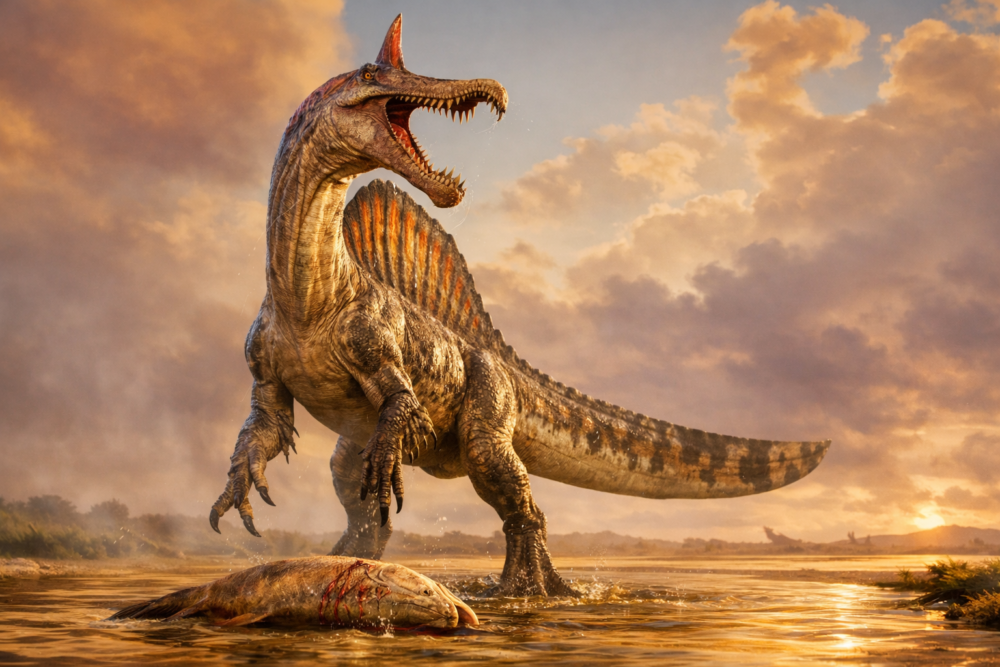
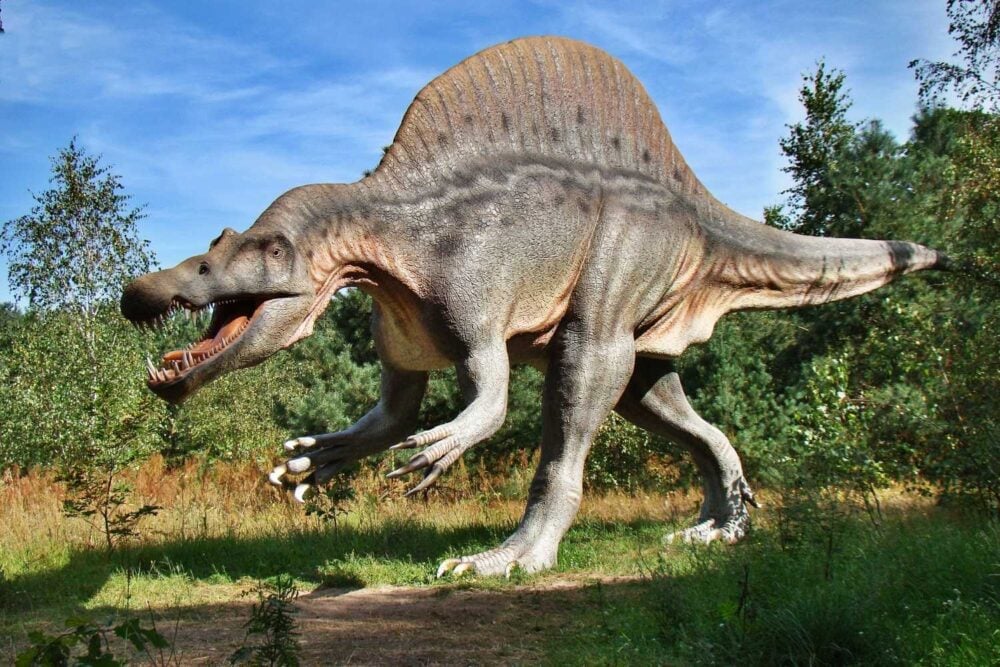
A newly discovered spinosaur fossil from the Sahara is forcing scientists to rethink one of the strangest dinosaur groups ever found. Buried for roughly 95 million years, the remains reveal a massive predator with a dramatic, blade-like crest rising from its skull, a feature unlike anything seen in other known spinosaurs.
The find suggests these river-dwelling giants were not just odd-looking fish hunters, but visually striking animals that may have used elaborate head crests for display, communication, or intimidation. Far from being a minor variation, this discovery hints that spinosaur dinosaurs were far more diverse and experimental than scientists once believed.
1. A strange set of bones surfaced in the Sahara sands
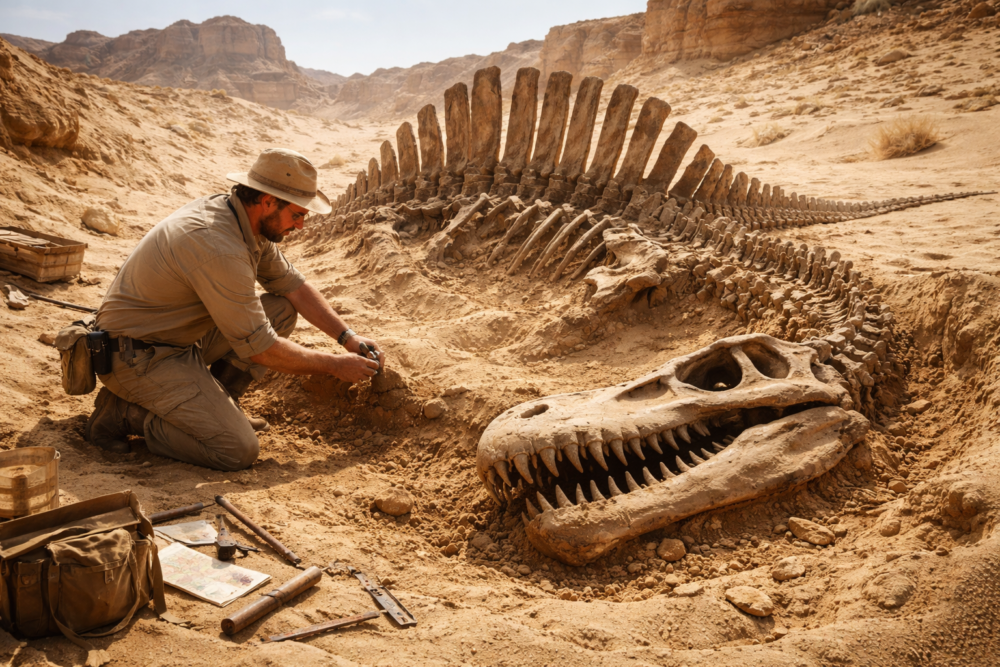
Field teams working in Niger found curved, scimitar-like skull bones that did not match the usual spinosaur pieces. At first, they were simply puzzling, because spinosaurs are already odd dinosaurs, and this looked odd even by their standards.
As more fragments came together, researchers realized they were looking at a head crest that was far larger and more dramatic than expected. The find set off a careful process of comparing the fossils to known spinosaur material, piece by piece, to see if it truly belonged to something new.
2. The age and location made the discovery even more surprising
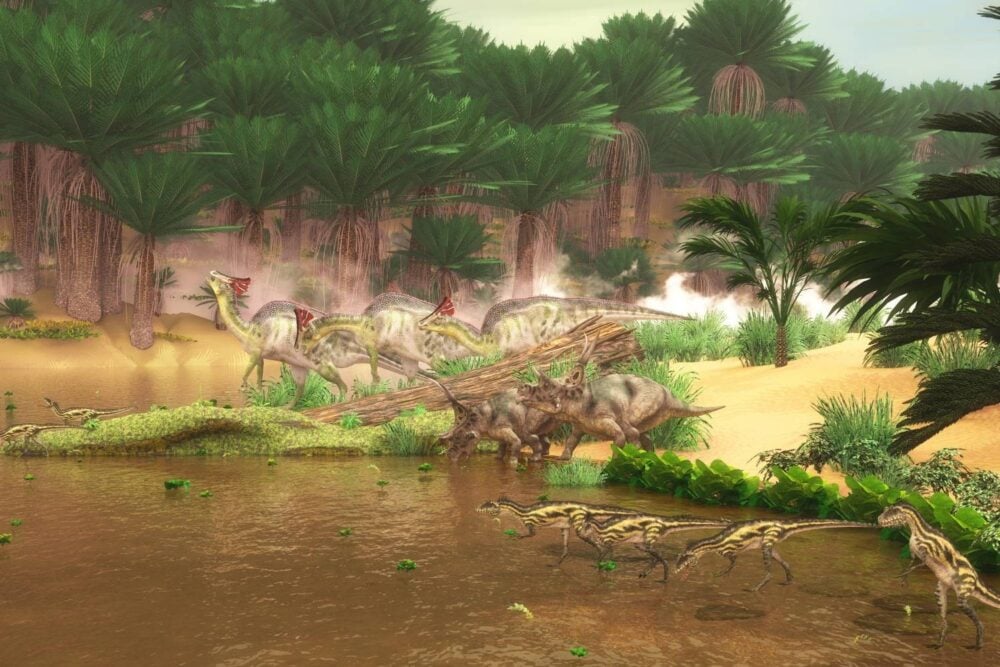
The fossils date to roughly 95 million years ago, during the Late Cretaceous, when the region was not a dry desert. It was a landscape threaded with rivers, wetlands, and a rich food web that could support big predators.
That matters because many spinosaur fossils are found in settings linked to water, but this site adds detail to the map of where these animals lived. It also suggests these dinosaurs were thriving far inland, not just near coasts, in environments built around freshwater ecosystems.
3. A new species name entered the Spinosaurus family tree
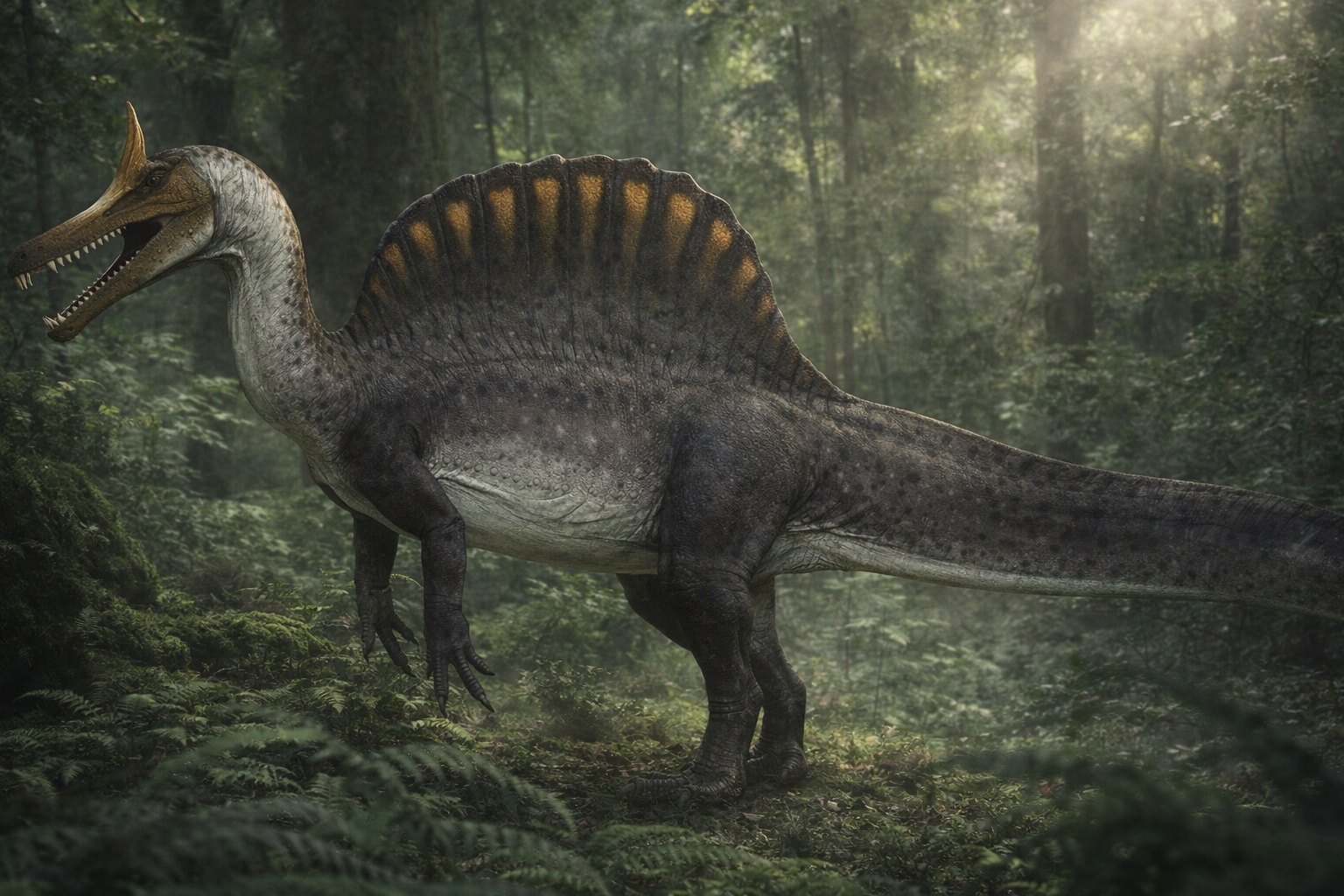
After detailed study, the team identified the remains as a new species: Spinosaurus mirabilis. The name nods to how astonishing the fossil crest is compared to anything previously documented in the group.
For a dinosaur genus with a famously patchy fossil record, a diagnostic skull feature like this is a big deal. A clear, standout trait helps scientists separate look-alikes and avoid lumping too many fossils under a single famous name. This is the kind of find that can tidy up a messy family tree.
4. The blade-like crest is the headliner for a reason

This crest was not a small bump. It was a tall, curved structure on the skull that would have been hard to miss, even from a distance. In bone form it already looks dramatic, and it likely looked even bigger in life.
Researchers suggest it may have been covered in keratin, the same material found in horns, hooves, and bird casques. If that is right, the living animal might have had an even longer and more eye-catching profile, more like a billboard than a subtle ornament.
5. The crest probably was not for fighting, but for messaging
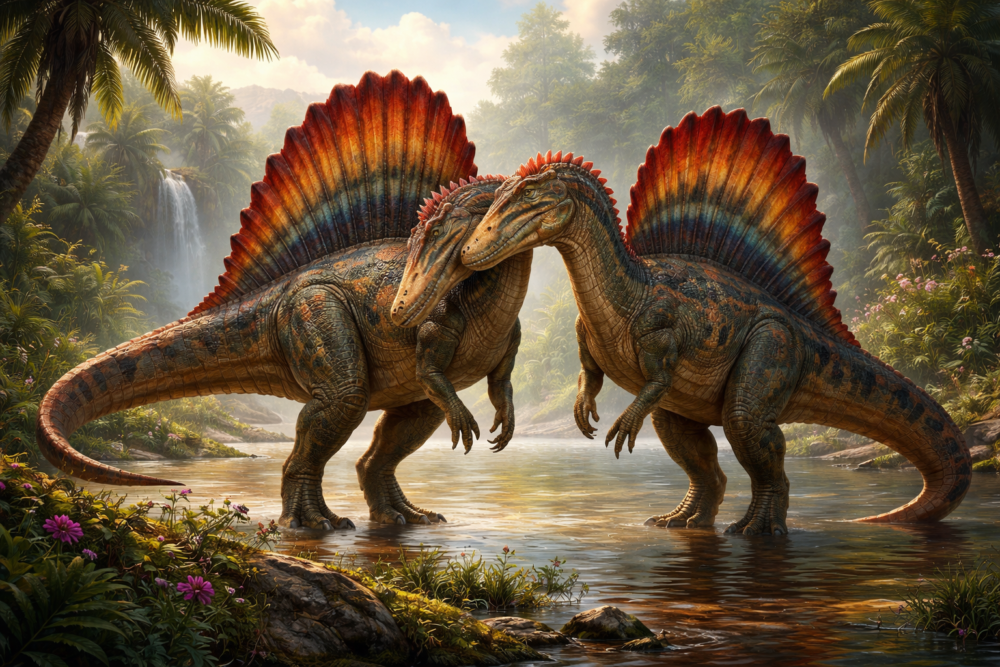
When people see a big “weapon-looking” structure, they assume it was used as a weapon. But many exaggerated head crests in animals are more about display than combat, and this dinosaur crest fits that pattern well.
Scientists think it could have helped individuals recognize each other, impress potential mates, or intimidate rivals without a full brawl. In a noisy, crowded river world, a dramatic head shape is a quick way to send a message that says, I’m healthy, I’m dominant, and I belong here.
6. Under the flash, it was still a serious fish hunter
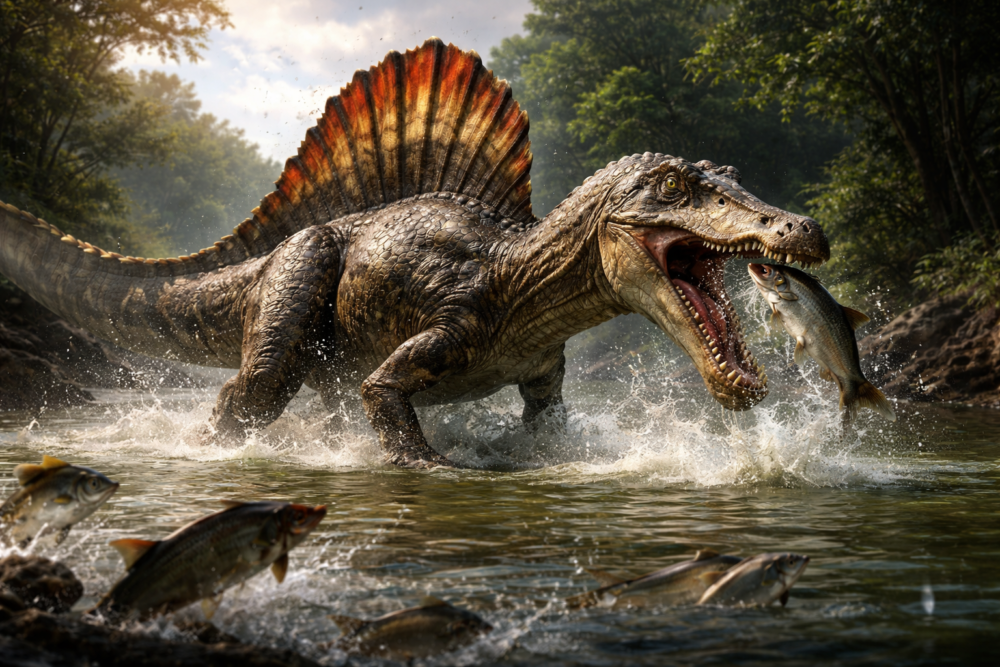
Spinosaurs are known for long snouts and conical teeth that work well for grabbing slippery prey. This new species appears to follow that theme, suggesting it hunted in and around water, not like a typical land predator that tears meat.
One standout detail is how the teeth could interlock when the jaws closed, creating a trap-like bite for fish that try to wriggle free. Picture a predator that does not need to slice. It needs to clamp, hold, and haul prey out of shallow water.
7. The Sahara used to be a wetland, and this dinosaur fits that world

It is hard to imagine today, but the central Sahara once held river systems that supported large fish and other aquatic life. That kind of habitat would have been a buffet for a dinosaur specialized for fishing.
This also helps explain why a tall crest and a sail on the back could matter. In open wetlands, visibility is high. A big silhouette can help with social signaling, and it might even help a predator stand out in a crowded ecosystem where multiple large hunters are competing for space and food.
8. The discovery adds fuel to the Spinosaurus lifestyle debate
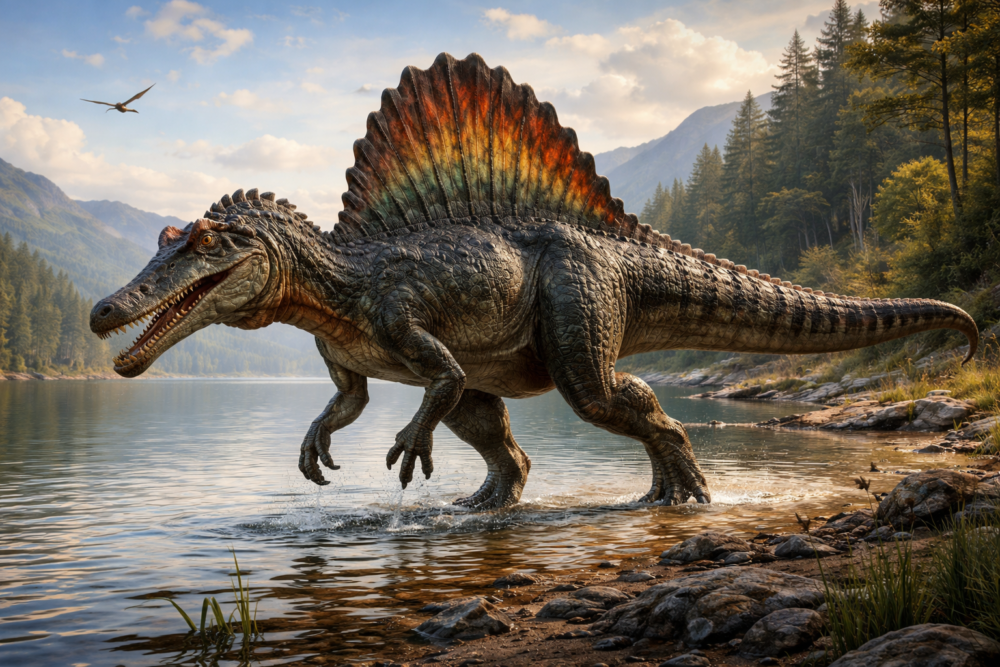
Spinosaurus is one of the most argued-about dinosaurs in pop science. Was it a semi-aquatic swimmer, a shoreline wader, or something in between. New fossils tend to add evidence, but they can also complicate the story.
This species is being described as strongly tied to river habitats, with behavior likened to a wading hunter rather than a pure open-water swimmer. That matters because it suggests spinosaur lifestyles may have varied by species, time, and habitat, not one single mode for the whole group.
9. It hints that North Africa had more spinosaur variety than we assumed
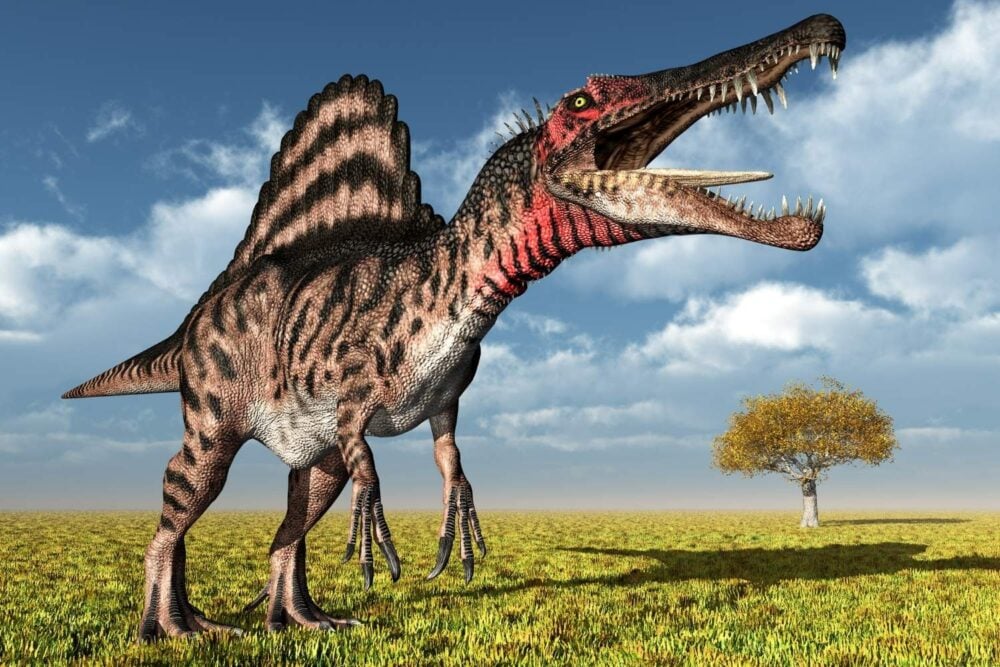
For years, many spinosaur fossils from the region were broadly compared to the most famous Spinosaurus species. A distinctive crest like this is a reminder that multiple spinosaur forms could have coexisted, each with its own look and niche.
That is exciting because it means the fossil record might be hiding more “separate characters” than we have recognized. If one dramatic skull crest can turn up now, it raises the odds that other unusual traits are still waiting in the rocks, misfiled as something familiar.
10. The most important takeaway is how much we still do not know
Even with this striking crest, scientists are careful about what the fossils can and cannot tell us. A skull ornament alone will not answer every question about movement, swimming ability, or exact hunting style.
But it does expand the picture of what spinosaurs looked like and how they may have behaved. The bigger story is that Spinosaurus remains a moving target. Each new discovery can shift the narrative, sometimes in dramatic ways, and this blade-crested giant is a perfect example.