
A heart of gold resurfaced from the soil, and the message on it still feels oddly personal.
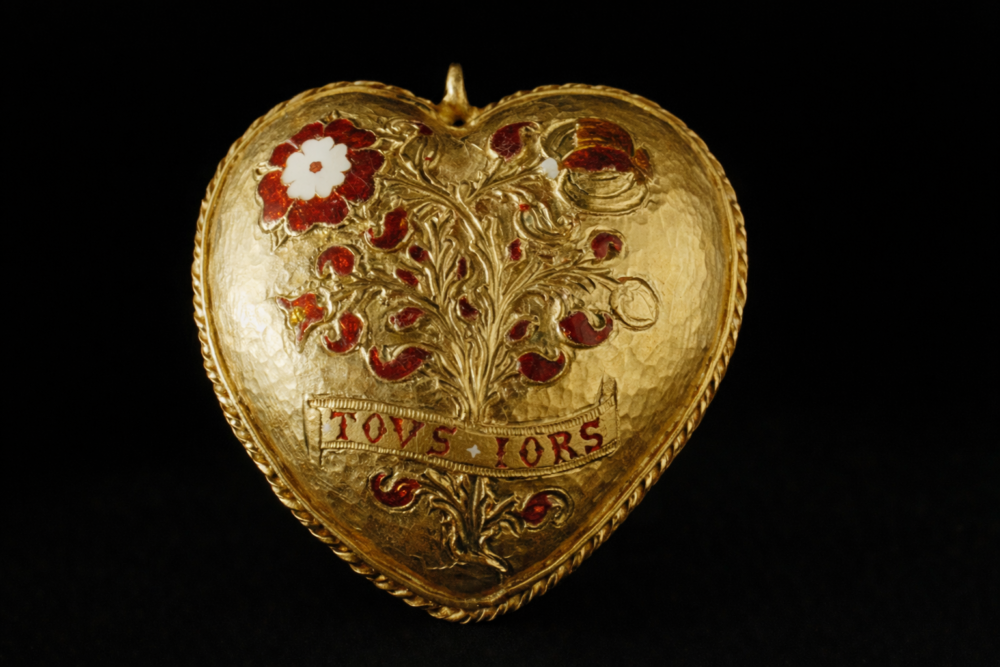
In 2019, a metal detectorist searching a field in England uncovered a small, heart-shaped Tudor pendant that had been buried for centuries. It was finely made, richly symbolic, and unlike most historical jewelry, it could be tied to a specific royal marriage.
Now, after a major public fundraising effort, the British Museum has acquired the so-called “Tudor Heart,” ensuring it will remain on public display. What began as a chance discovery has become a rare window into love, power, and politics at the height of Tudor England.
1. A signal in a field that turned into history

In 2019, metal detectorist Charlie Clarke picked up a strong signal in a Warwickshire field and unearthed a heart-shaped gold pendant that immediately stood out from typical finds. It was heavy, finely crafted, and clearly centuries old.
Experts quickly realized the object was exceptional. The pendant, soon nicknamed the “Tudor Heart,” was identified as a rare piece of early 16th-century jewelry, transforming an ordinary day of detecting into a nationally significant discovery.
2. Why this pendant was classified as Treasure
Under English law, objects of precious metal that are over 300 years old can be declared Treasure. This process protects important finds and allows museums the opportunity to acquire them for public collections.
The Tudor Heart met those criteria, triggering a formal valuation and review. Its high value reflected not just the gold itself, but its historical importance and rarity, especially its connection to England’s most famous Tudor king.
3. The royal initials that made historians take notice
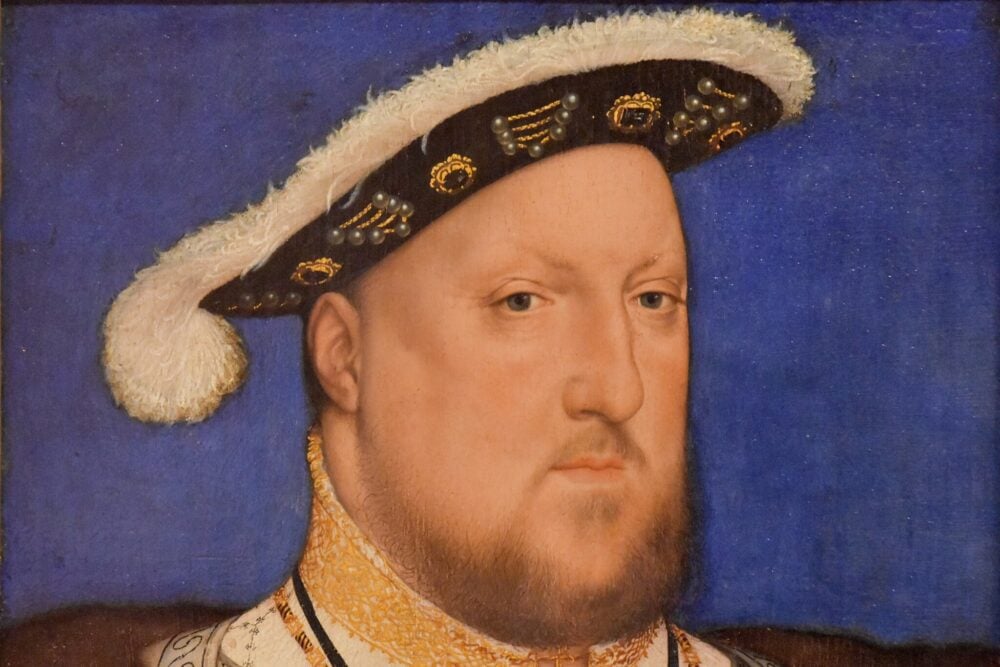
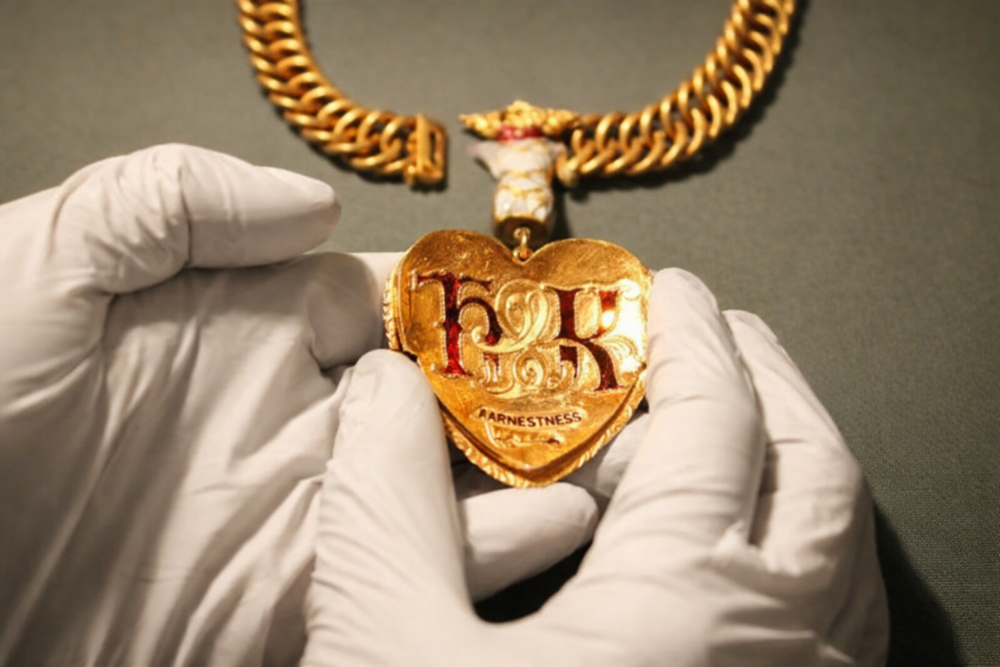
One of the pendant’s most striking features is the presence of the initials “H” and “K,” linking it to King Henry VIII and his first wife, Katherine of Aragon. Few surviving objects can be so directly associated with their marriage.
This detail elevated the pendant beyond decorative jewelry. It connected the object to a pivotal relationship that would later reshape England’s monarchy, church, and national identity.
4. Symbols that blended love and power
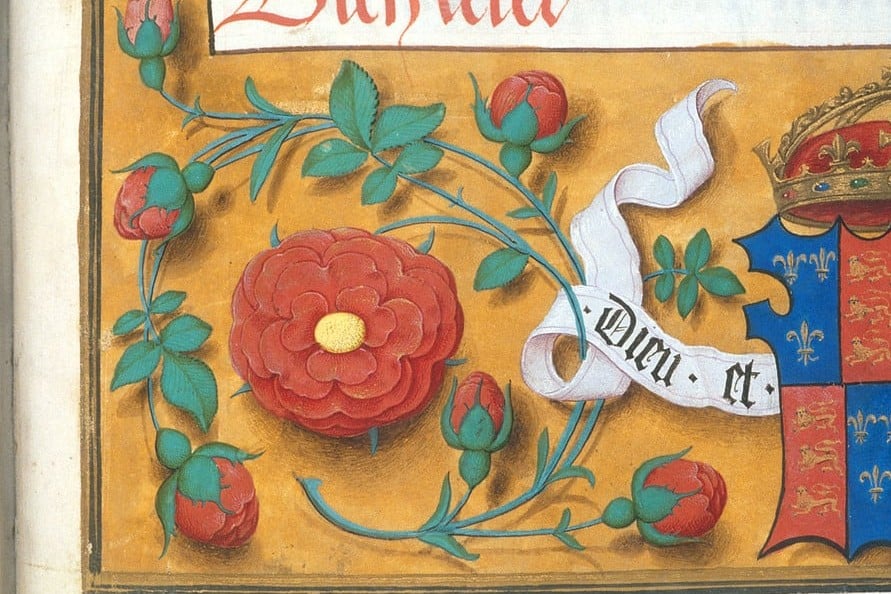
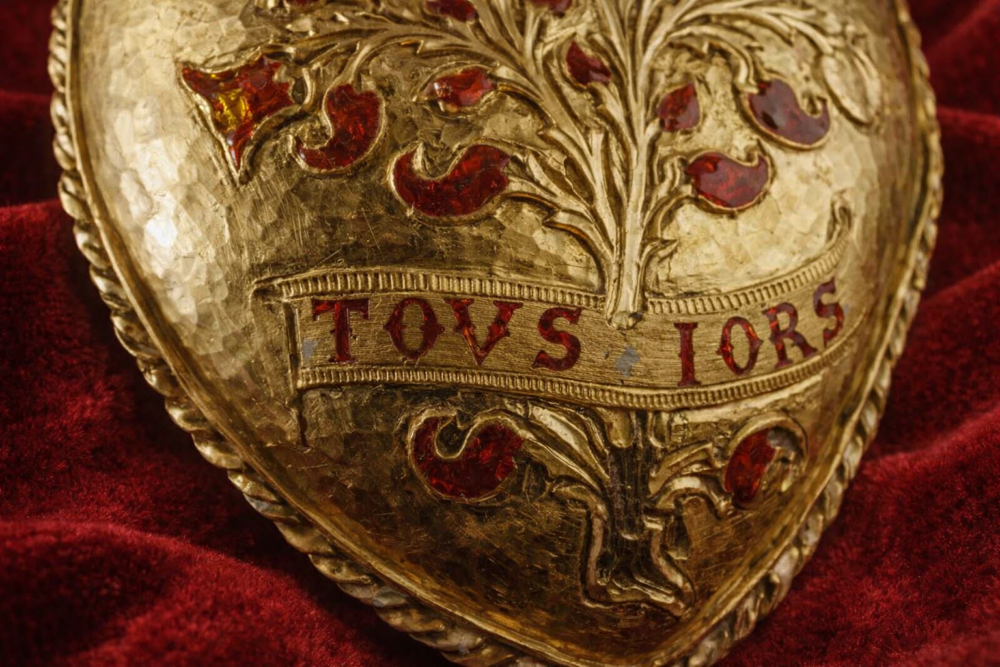
The pendant’s design includes Tudor imagery, such as the Tudor rose and Katherine’s pomegranate emblem, symbols loaded with political and dynastic meaning.
In the Tudor court, jewelry often functioned as visual messaging. A piece like this could simultaneously signal affection, legitimacy, and alliance, especially when worn or displayed during court ceremonies and diplomatic events.
5. The single word that captured public imagination
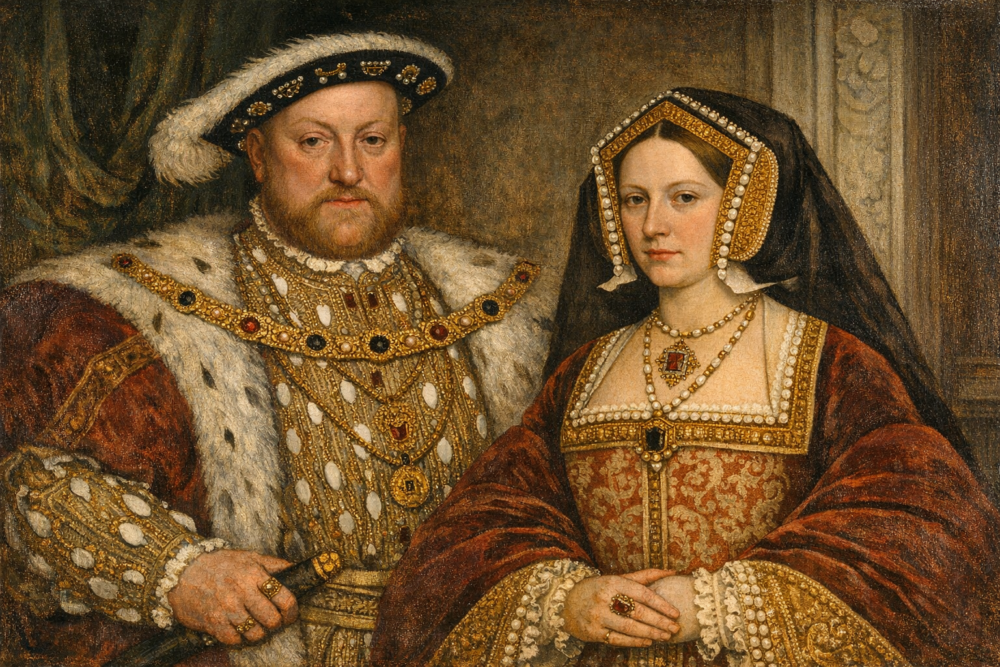
Inscribed on the pendant is the word “tousiors,” an old French spelling meaning “always.” The inscription reads like a vow, preserved in gold.
That word helped transform the pendant from an archaeological find into an emotional story. Centuries later, it still resonates as a promise made in a world where loyalty and permanence were often tested by power.
6. A jewel tied to a precise moment in Tudor history
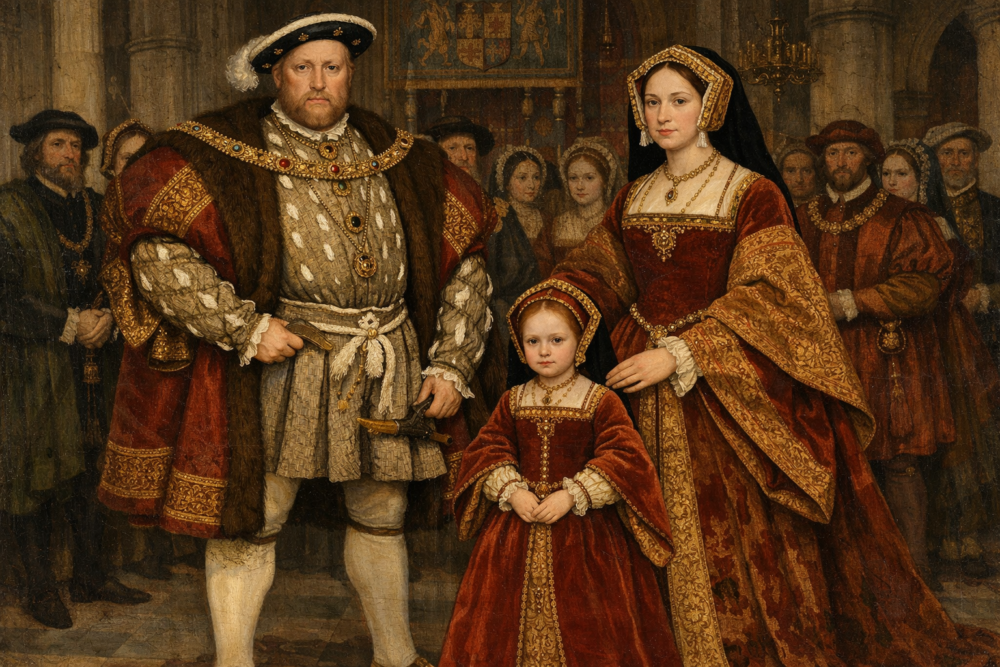
Scholars believe the pendant dates to around 1518, a period when Henry and Katherine’s marriage was still publicly celebrated. It may have been associated with a court event linked to the betrothal of their daughter, Mary.
This timing places the pendant in a moment of optimism and dynastic confidence, before the political and religious upheavals that would later define Henry’s reign.
7. Why experts consider it effectively unique
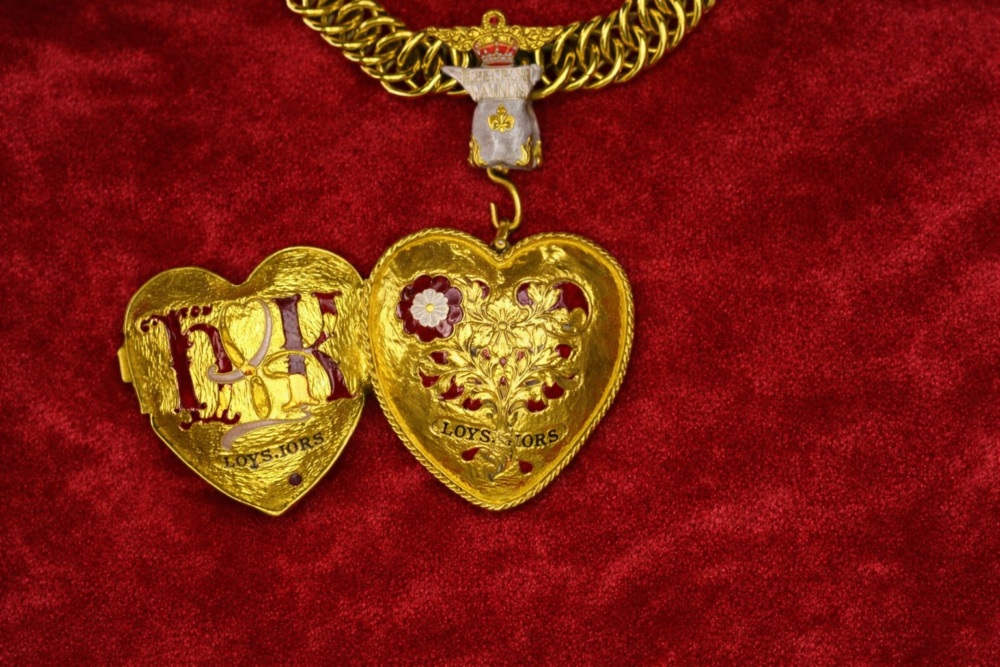
Very few pieces of Tudor jewelry survive, and even fewer can be linked to specific individuals. Most were melted down, altered, or lost over time.
As a result, the Tudor Heart may be the only surviving jewel directly associated with Henry VIII and Katherine of Aragon’s marriage, making it a rare survivor of a vanished material world.
8. The fundraising effort that kept it public

The pendant’s valuation meant that acquiring it required a major fundraising effort. To prevent it from entering a private collection, the British Museum launched a public campaign.
Thousands of donors, along with heritage funding bodies, contributed to raising the full amount. The campaign turned the pendant into a shared public cause rather than a private asset.
9. What visitors can now see on display

With the funds secured, the Tudor Heart entered the British Museum’s permanent collection. Conservation work ensured the pendant could be safely displayed and studied.
Its presence allows visitors to see not just a beautiful object, but a personal artifact connected to a defining chapter in English history.
10. How the pendant reshapes familiar Tudor figures
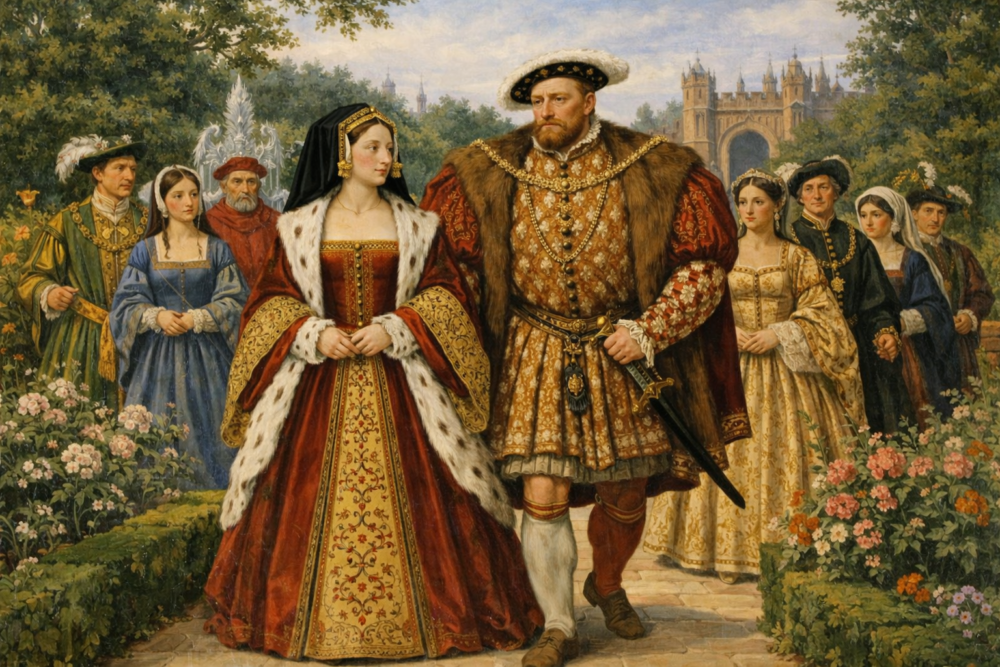
Henry VIII and Katherine of Aragon are often remembered through conflict and tragedy. The pendant introduces a quieter, earlier chapter of their story.
It suggests a period when their marriage was publicly affirmed with symbols of devotion and unity, adding complexity to figures often reduced to historical shorthand.
11. Why this story continues to resonate
At its core, the story is simple: a lost object is found and shared. But the deeper pull lies in what the pendant represents.
It is proof that history can still surface unexpectedly, carrying intimate messages across centuries. A small heart, buried and forgotten, now speaks again to anyone willing to look closely.