
As climate risks shift, some cities are better positioned for stability, resilience, and long-term livability than others.

With the planet throwing more tantrums than ever—floods, wildfires, heatwaves—you might be wondering if your city is still the right place to be. Maybe hurricanes weren’t part of your five-year plan. Maybe you’d rather not live somewhere that turns into an oven every summer. Climate resilience is the new real estate goldmine, and some cities are way ahead of the curve.
These 11 places aren’t just thinking about sustainability; they’re actually built to handle the wild weather ahead. No, they’re not utopias, but if you’re looking for a place where you won’t have to kayak to work or ration water like it’s the apocalypse, these spots deserve a closer look.
1. No hurricanes, no droughts, no disasters—just a city built to last.
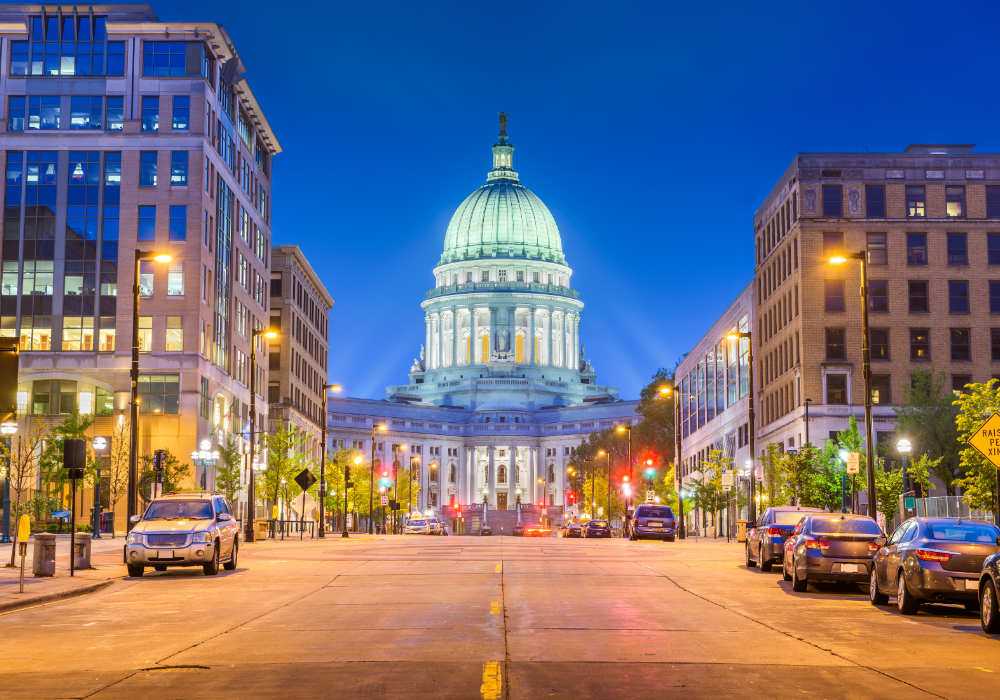
Disasters keep getting worse, but Madison stays steady. While floods, wildfires, and extreme heat turn once-popular cities into expensive gambles, this Midwestern spot dodges most of the chaos. No rising seas, no hurricanes, and no looming water shortages make it one of the safest bets for the future.
Summers may still get hot, but they’re far from unbearable, and the city isn’t wasting time debating whether climate action matters—it’s already putting real solutions in place. The City of Madison reports that it has set the ambitious goal of reaching 100% renewable energy and net-zero carbon emissions for city operations by 2030 and community-wide by 2050.
2. A mountaintop location and cool breezes make extreme weather a non-issue.
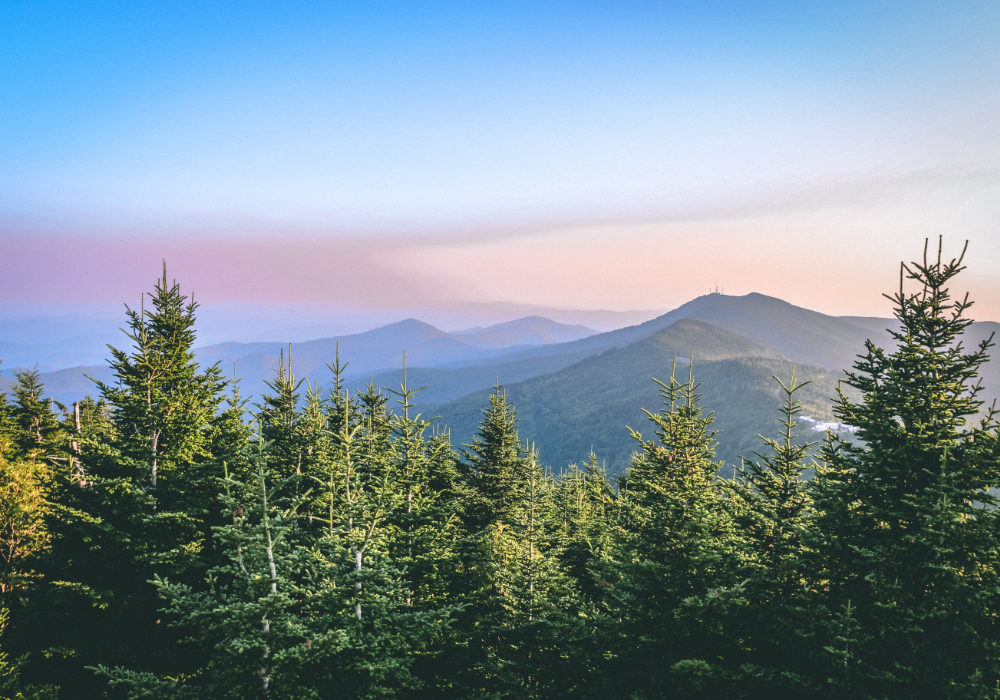
Nothing screams “smart move” like choosing a city that’s naturally protected from climate disasters. Being in the mountains means no rising sea levels creeping in, no hurricane-force winds tearing through town, and a built-in escape from suffocating summer heat. Asheville enjoys all of these perks, with the added bonus of fresh air and a landscape straight out of a postcard. The City of Asheville declared a Climate Emergency in 2020, recognizing the need for urgent action and its disproportionate impact on vulnerable communities.
Sustainability isn’t just a trend here; it’s part of everyday life. The city has embraced green building initiatives, a thriving local food system, and renewable energy efforts that reduce reliance on unstable supply chains. Instead of waiting for climate problems to reach their doorstep, Asheville is actively making choices that protect its future.
3. Careful planning has turned this place into a climate-resilient powerhouse.

Ann Arbor doesn’t wait for problems to arrive—it solves them before they start. While other cities react to climate disasters, this one is busy future-proofing itself. “Ann Arbor’s carbon neutrality commitment means that it will reduce emissions as much as possible and offset any remaining emissions through efforts like planting trees, in order to achieve a net-zero carbon footprint by 2030,” writes Aviva Meyers for the NRDC.
Location is another advantage. Tucked far from hurricane zones and wildfire-prone regions, Ann Arbor avoids the worst of nature’s extremes. Proximity to the Great Lakes ensures a steady water supply, while smart urban planning keeps infrastructure resilient against whatever the forecast may bring. Instead of playing catch-up like so many other places, this city has already decided that preparation is the best defense.
4. Clean energy, stable weather, and fresh water make this a future-proof haven.
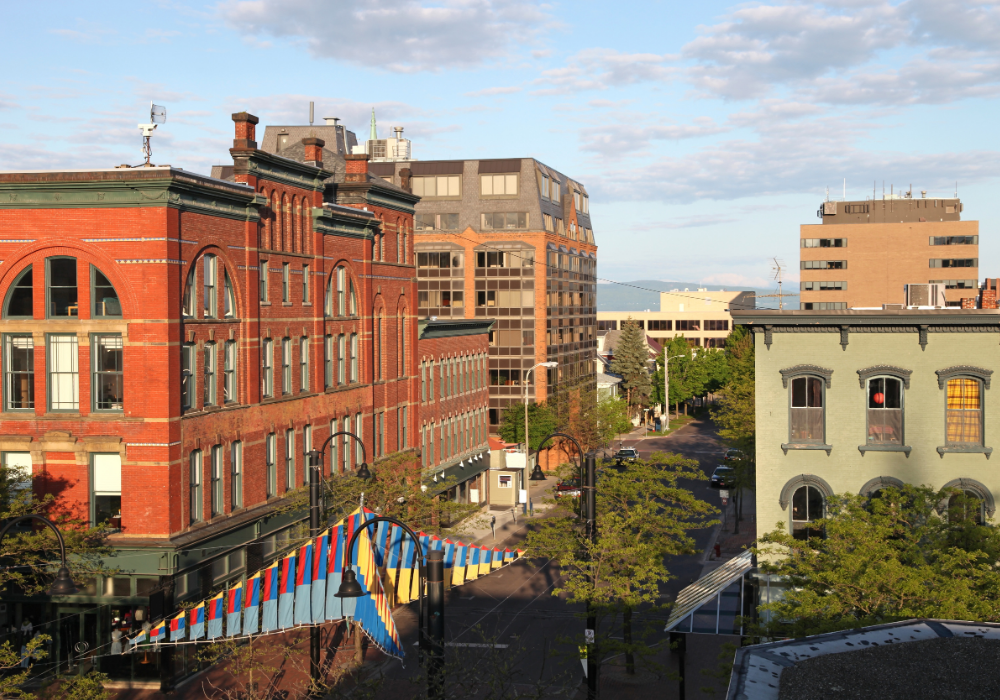
A city that balances natural beauty with forward-thinking climate policies is hard to find, yet Burlington does exactly that. While other places are still debating sustainability efforts, this city made history as the first in the U.S. to run entirely on renewable energy. Here, clean energy isn’t just a goal—it’s a way of life, proving that a greener future isn’t just possible but already happening.
Lake Champlain provides a steady freshwater supply, eliminating the water scarcity concerns plaguing many regions. Extreme weather disasters like hurricanes, heatwaves, and wildfires are minimal, making Burlington a safe long-term choice. A strong local economy, walkable neighborhoods, and a thriving food scene add to the appeal, ensuring that sustainability doesn’t come at the cost of livability.
5. Snowstorms are tough, but at least no one’s house is floating away.
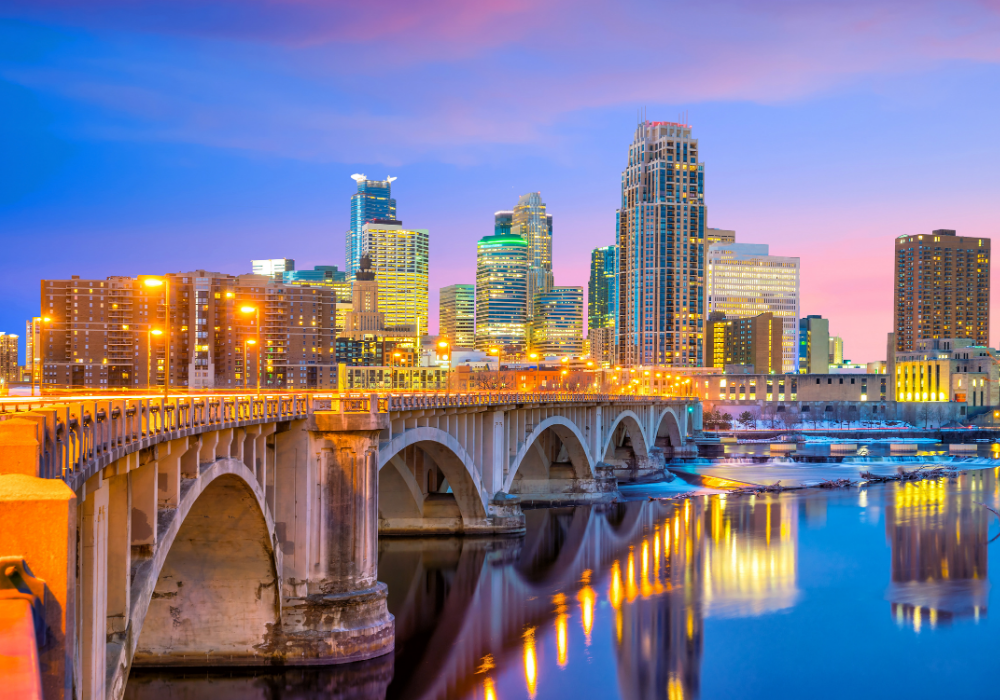
Brutal winters might scare some people away, but compared to hurricanes, wildfires, and water shortages, they’re not the worst problem to have. Choosing between shoveling snow and rebuilding after yet another climate disaster isn’t exactly a tough call, which is why Minneapolis is looking more appealing than ever.
Resilience is built into the city’s DNA. Flood control projects, energy-efficient infrastructure, and a growing public transit system keep things running smoothly even in extreme conditions. With the Mississippi River providing a steady water supply and urban greenery efforts helping to combat rising temperatures, the city is proving that sustainability isn’t just about survival—it’s about building a livable future. If a few months of cold is the price for climate security, it’s a solid deal.
6. Forward-thinking policies have made this one of the safest places to live.
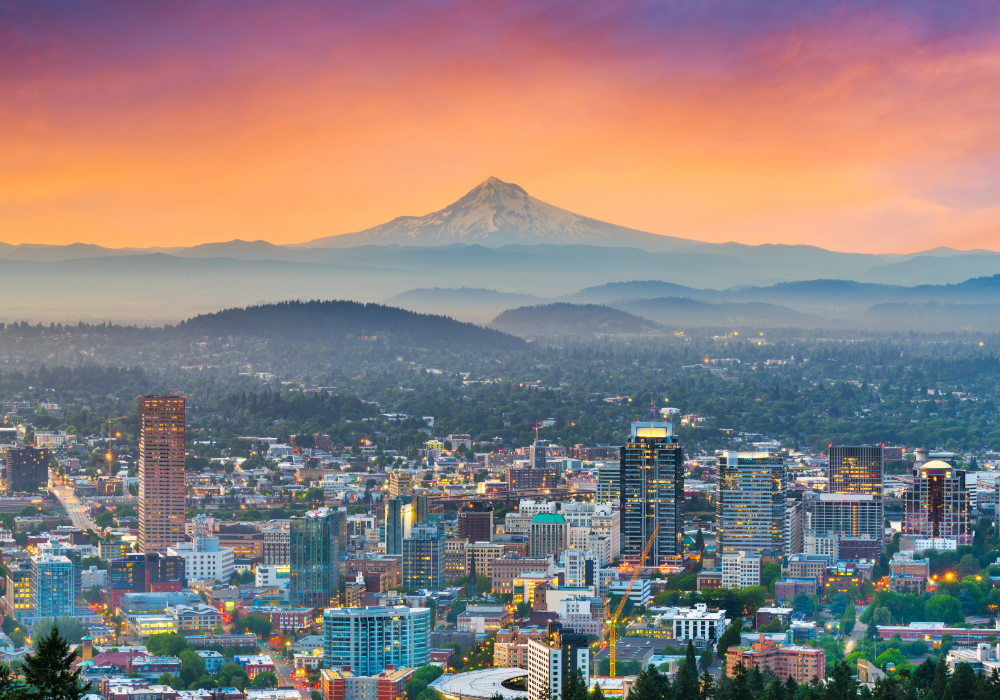
Disaster isn’t a wake-up call Portland needs. While other cities hesitate, this one has been taking action for years. Public transit runs smoothly, bike lanes are everywhere, and clean energy policies lead the nation. Preparing for climate change doesn’t mean sacrificing quality of life here—it’s built into the city’s DNA.
Wildfires remain a challenge, but Portland isn’t waiting around. Heat-resistant infrastructure, urban cooling projects, and large-scale tree planting are already in motion. A government that delivers on sustainability, combined with a culture that embraces eco-conscious living, makes Portland a model for climate resilience while other cities scramble to catch up.
7. Once drowning in smog, this former steel town is now a green leader.
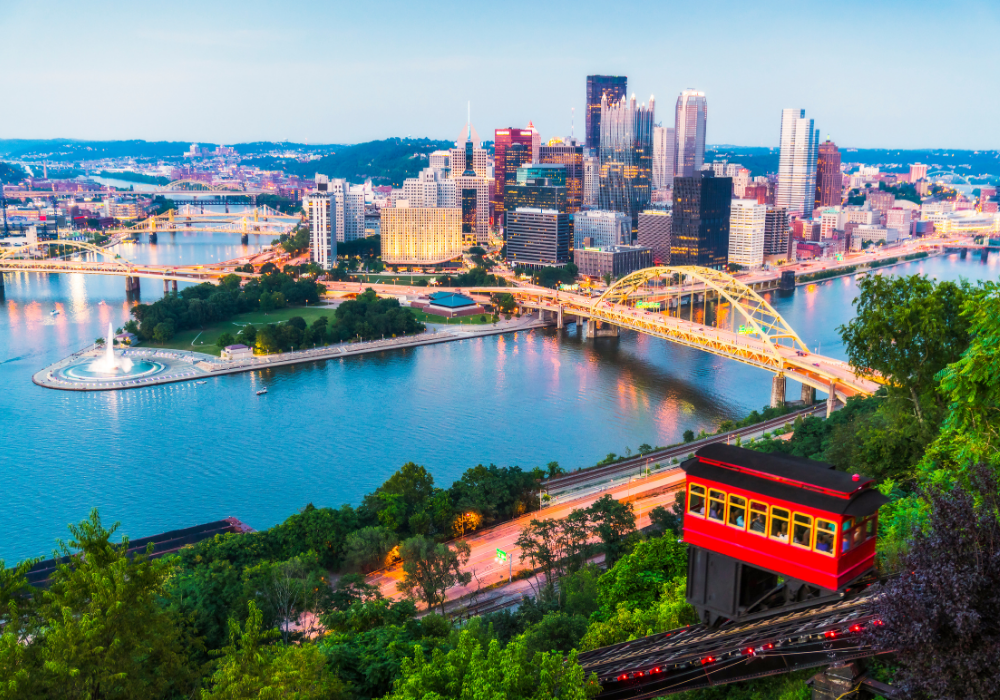
Pittsburgh has gone from a smog-filled steel town to one of the greenest cities in the country. Clean energy, better air quality, and flood-resistant infrastructure are shaping a future that doesn’t rely on its industrial past. With no hurricanes or rising seas to worry about, it’s proving that climate resilience isn’t just for coastal cities scrambling to adapt.
Sustainability is built into the blueprint here. Tree-planting efforts reduce urban heat, stormwater systems prevent flooding, and new developments focus on energy efficiency. With a steady freshwater supply and a thriving economy, Pittsburgh isn’t just surviving—it’s leading the way forward.
8. A desert city that somehow dodges climate chaos? This one pulled it off.

Dry air, high elevation, and zero hurricanes make Boise one of the more climate-stable choices out West. Unlike coastal cities dealing with rising seas and intense storms, Boise sits comfortably inland, avoiding many of the worst climate disasters. Flooding isn’t a major concern, and with wildfire risks being actively managed, this city is ahead of many others in sustainability planning.
Water scarcity is a challenge in much of the West, but conservation policies are keeping Boise ahead of the curve. Investments in renewable energy, green spaces, and efficient public infrastructure are making it an attractive option for people seeking climate security without sacrificing quality of life. Outdoor lovers get the bonus of clean air, scenic hiking trails, and a slower pace of life.
9. Being far from the coast may be this city’s biggest survival advantage.

Columbus is playing it smart while other cities play catch-up. No hurricanes, wildfires, or looming droughts make it one of the most climate-stable places to live. Instead of reacting to disasters, the city is upgrading infrastructure, pushing urban sustainability, and cutting emissions before problems arise.
Leaders aren’t waiting around. Green infrastructure, expanding public transit, and energy-efficient developments are shaping a city built for long-term resilience. Stability and affordability make Columbus an appealing option for anyone looking to escape climate risks without draining their savings. This isn’t just a safe bet—it’s a city planning for a future that works.
10. Lakeside living has turned this underrated city into a climate jackpot.
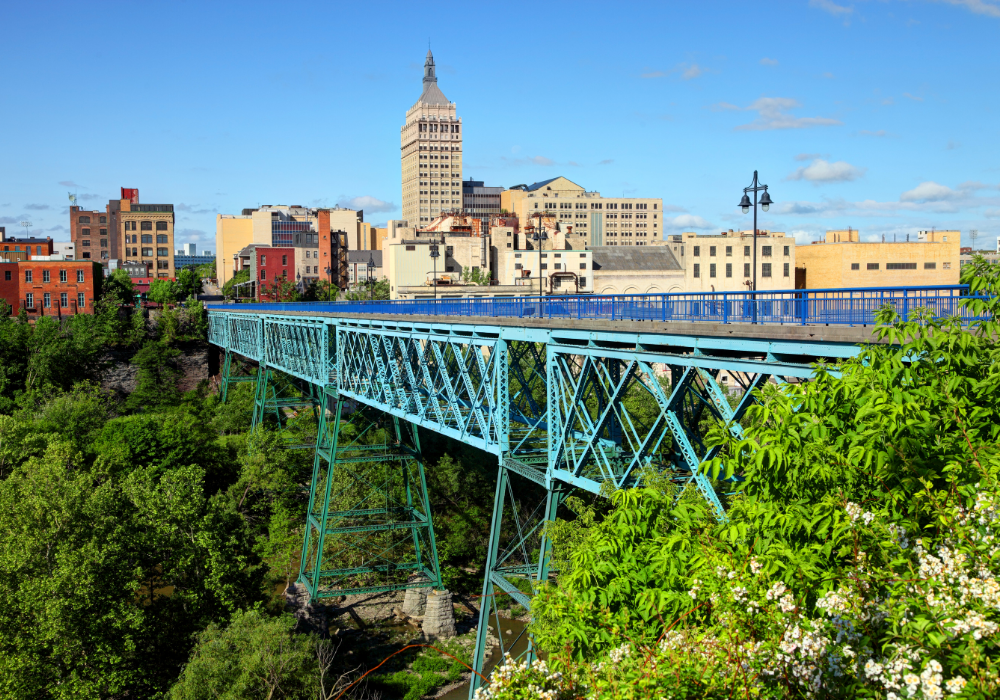
While a lot of major cities are staring down serious climate risks, Rochester is sitting comfortably by Lake Ontario with few worries. Unlike coastal metros dealing with rising seas or western cities battling drought, Rochester has reliable water access, a lower risk of extreme heat, and a milder climate overall.
Flood prevention measures and sustainability initiatives are already in place, so the city is prepared for future climate shifts. Clean energy investments and urban planning strategies are helping to keep Rochester livable and resilient. And with a lower cost of living than most other climate-safe cities, it’s becoming an appealing choice for people looking to relocate before things get worse elsewhere.
11. Smart policies and a rock-solid location make this a safe bet for the future.
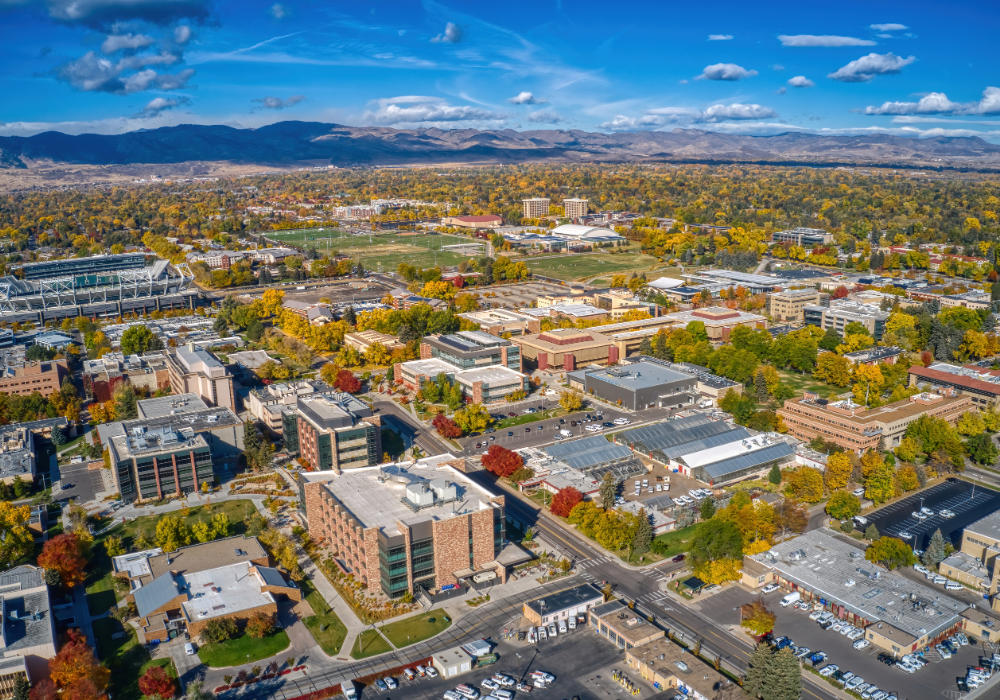
Some places hope for the best. Fort Collins prepares for the worst. Instead of reacting to climate change as it happens, this city is planning decades ahead. Water conservation strategies are already being implemented, renewable energy expansion is a priority, and urban development projects are designed with sustainability in mind.
With an inland location that protects it from hurricanes and sea-level rise, this city avoids many of the extreme weather risks facing other regions. Unlike much of the West, it’s also managing water use wisely, preventing it from becoming the next city facing severe shortages. A thriving economy, access to the outdoors, and a forward-thinking government make Fort Collins one of the smartest places to be if you’re looking for long-term climate security.