
You’ll rethink everything about aging when you see how these people live.
People in certain parts of the world are basically aging in reverse—and it’s not because they’re sipping magic potions or doing cryotherapy. You’ve probably heard whispers about the Blue Zones, those rare pockets on the planet where people live longer, healthier, and way more vibrant lives. Places like Okinawa, Sardinia, and Nicoya have become famous thanks to Dan Buettner’s bestselling book The Blue Zones, which cracked open the secrets of these age-defying communities.
And what’s wild is how simple their approach to life really is. You’re not going to find strict diets or punishing workouts in their daily routine. It’s more like a lifestyle reset that most of us never even considered. If you’ve ever wondered what it might take to grow older without actually feeling old, you might want to pay attention to how these folks live. They’re not just adding years—they’re packing those years with energy, purpose, and joy.
1. They treat movement like breathing—effortless, natural, and nonstop.
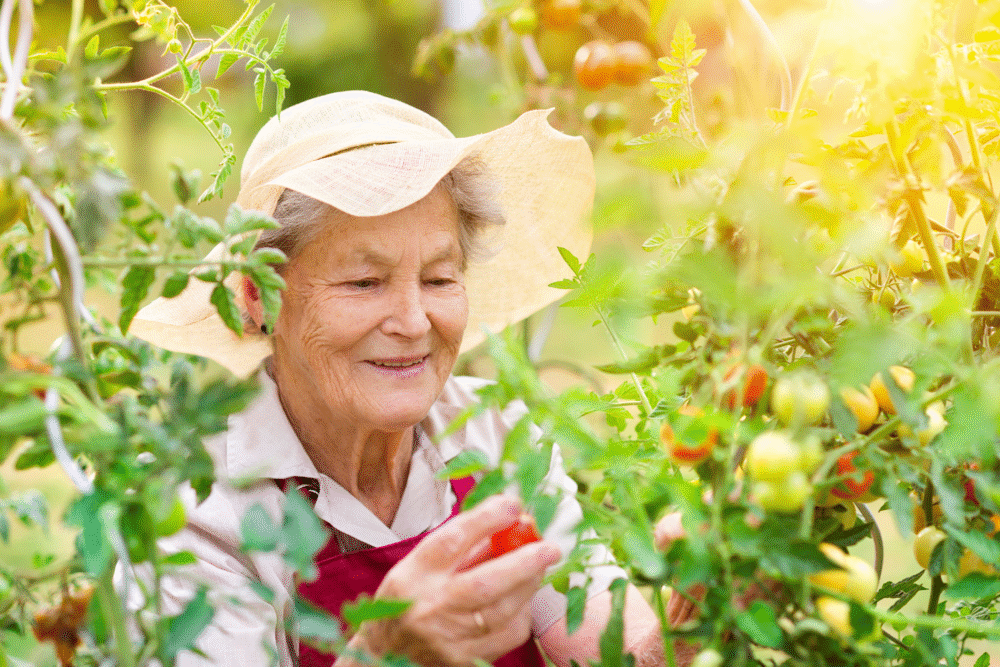
In Blue Zones, no one’s hitting the gym or logging hours on a treadmill. Their bodies stay active because movement is baked into their day, according to Ruairi Robertson, PhD at Healthline. They garden, sweep, walk to the market, climb hills, and carry things. It’s all part of their normal routine. And that’s what keeps them mobile and strong—without ever needing to think, “Ugh, I need to work out.” You start realizing that being active doesn’t have to mean fitness classes or Fitbits. It can be climbing a ladder to pick oranges or walking to see your friend instead of texting.
When you move constantly in ways that feel purposeful and not forced, it becomes who you are, not what you do. That mindset is a game-changer. They’re not sitting for ten hours a day and “earning” their movement—they’re just always in motion, and their bodies are thriving because of it.
2. They eat like every bite actually matters—and they stop before they’re full.
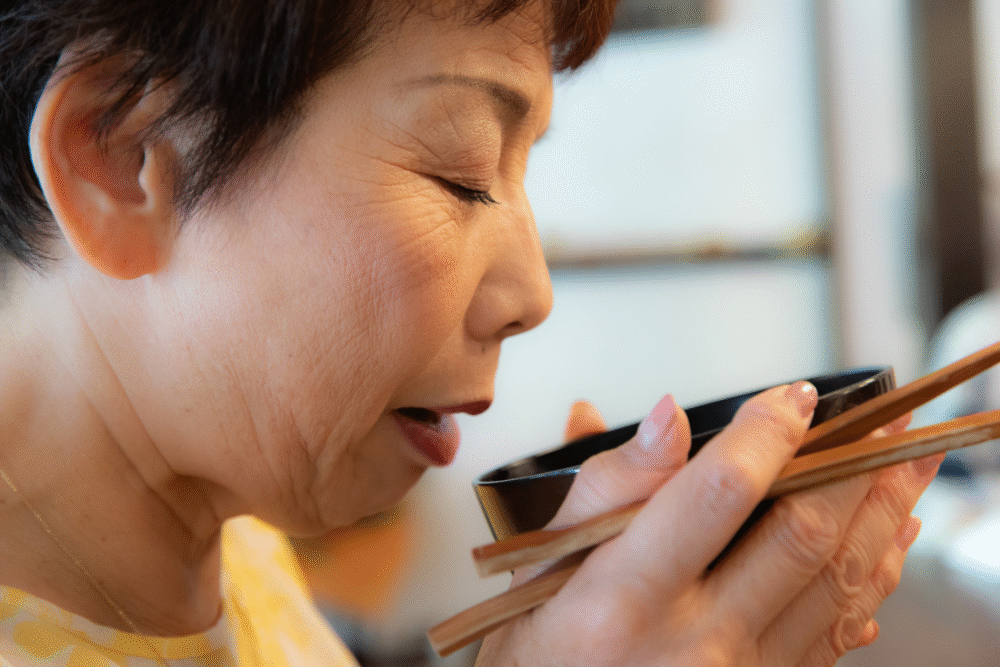
Blue Zone locals don’t shovel down massive portions while staring at a screen. They eat slowly, enjoy their food, and most importantly, they stop eating when they’re about 80% full. It’s called “Hara Hachi Bu” in Okinawa, and it’s one of the simplest ideas that makes a massive impact, according to the experts at The Blue Zones.
Your brain takes a little time to catch up to your belly, and eating until you’re stuffed overrides that natural signal. These people listen to their bodies—and they trust them. Meals are often shared with family or friends, not devoured solo while multitasking. It turns food into something you savor instead of just inhale. And when you stop before you’re full, you avoid that post-meal fog and extra pounds that sneak up with age. It’s not about restriction or counting calories—it’s about tuning in and knowing when enough is actually enough.
3. They turn meals into social rituals instead of eating alone in cars.
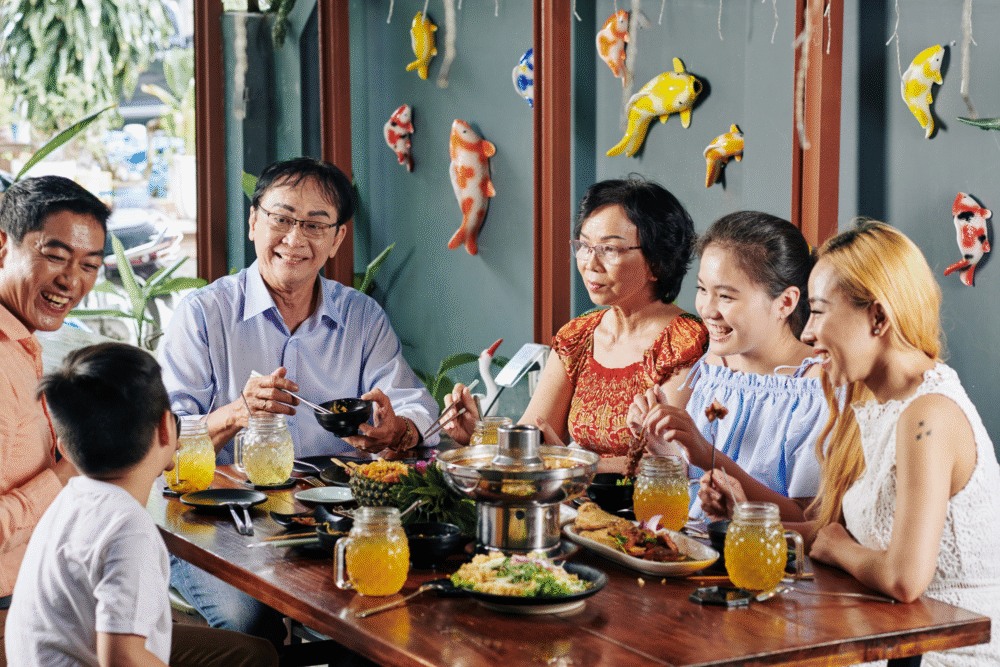
In Blue Zones, eating is rarely a solo act. Meals are shared—slow, joyful, and full of conversation, as stated by the authors at the National Library of Medicine. People sit down with family or neighbors, laugh, talk about their day, and genuinely connect. There’s no wolfing down dinner while scrolling through emails or eating cereal over the sink. These meals aren’t just about food—they’re about community. And that kind of regular, face-to-face connection does more than fill your belly. It strengthens emotional health, lowers stress, and gives people a sense of belonging.
When you eat with people you care about, your nervous system calms down. Your digestion improves. You don’t overeat because you’re paying attention to more than just your plate. If you’ve ever felt like dinner’s just another box to check, take a page from their playbook. Make it an experience, not just a task.
4. They treat their elders like gold instead of sidelining them.
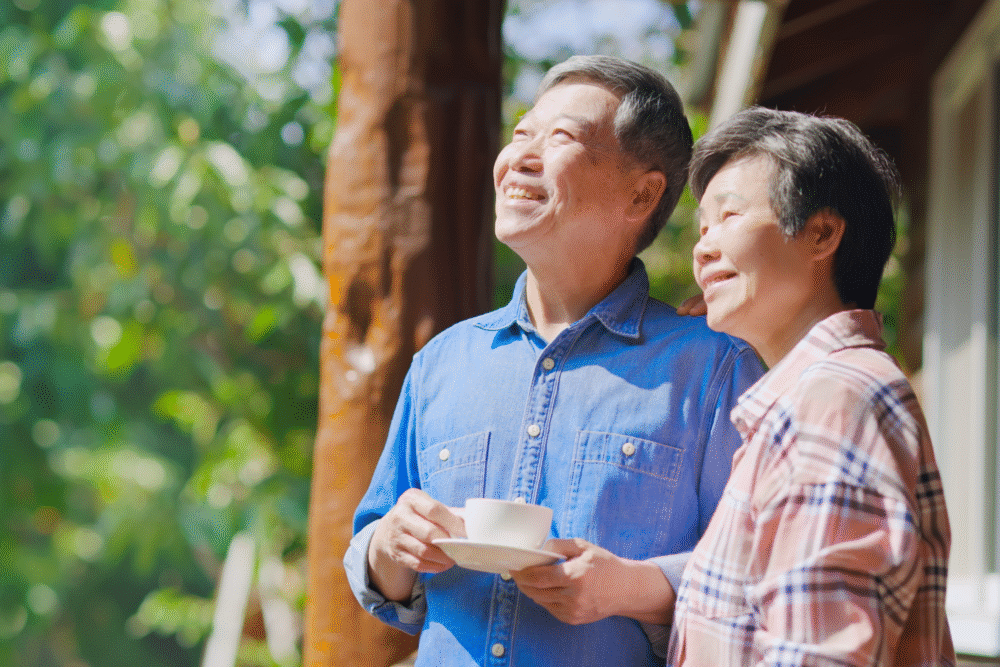
Aging isn’t seen as a burden in these communities—it’s a badge of honor. Grandparents aren’t shoved off to the side or forgotten in sterile facilities. They’re integrated into the family and the community. They’re respected, sought out for wisdom, and included in daily life. And guess what? That keeps them mentally sharp, emotionally grounded, and physically active. When you still feel useful, you want to stick around longer. In a lot of modern cultures, old age means loneliness and invisibility.
But in Blue Zones, the elderly are deeply valued—and it changes everything. Purpose doesn’t retire at 65. People thrive when they’re still seen and heard. It’s a subtle but powerful shift that keeps older folks engaged, connected, and healthy well into their 90s and beyond. Feeling needed might be one of the most underrated health hacks out there.
5. They live by the clock of nature—not the noise of urgency.

The pace in Blue Zones is… slower. Not lazy, just intentional. People aren’t rushing from one obligation to the next or constantly “on” like they’re running a 24/7 productivity race. They wake with the sun, rest when needed, and wind down with the evening. Their bodies are synced with natural rhythms, not artificial deadlines. There’s time for rest, reflection, and just being. You’re not going to find folks answering emails at midnight or stress-eating over missed goals.
That kind of gentler daily rhythm has major ripple effects on stress hormones, blood pressure, sleep, and overall mood. It doesn’t mean nothing ever gets done—it just gets done without the chronic chaos that wears us down. Slowing down might sound like a luxury, but for them, it’s a lifestyle. And it’s probably one reason they keep going strong while the rest of us are burning out.
6. They have a reason to get out of bed that isn’t just paying bills.

Every Blue Zone has its own word for “purpose,” and it’s not just a feel-good concept—it’s foundational. In Okinawa, it’s called “ikigai,” and it means having a reason to wake up in the morning. It doesn’t have to be some epic life mission. It might be tending a garden, helping raise grandchildren, or volunteering. But it’s something. When you feel like your life still matters—like you have something to contribute—you don’t just drift. You thrive. Too many people lose that once they retire or once their kids leave home.
But Blue Zone locals never stop being useful, curious, or engaged. They don’t measure life in years left—but in things worth doing. That sense of purpose grounds them, guides their choices, and gives them a steady emotional anchor. It’s not woo-woo—it’s practical, and it’s life-extending.
7. They prioritize friendships like their health depends on it—because it does.

In Blue Zones, friendships aren’t just nice extras—they’re essential. These people actively nurture tight-knit social circles that support, uplift, and hold them accountable. In Okinawa, it’s called a moai, and it’s basically a lifelong friend group that checks in, shows up, and stays connected through thick and thin. No one’s isolated, and no one’s forgotten. Loneliness? Practically nonexistent. And it matters more than you might think. Study after study shows that strong relationships reduce stress, improve immunity, and even lower the risk of chronic disease. Blue Zone locals don’t wait until they’re in crisis to reach out.
They show up for each other, celebrate together, and grieve together. Friendship isn’t a luxury—it’s survival. So if your social life’s on life support, it might be time to treat connection like a daily vitamin. You don’t just need people. You need your people.
8. They drink in moderation—but never alone or just to cope.

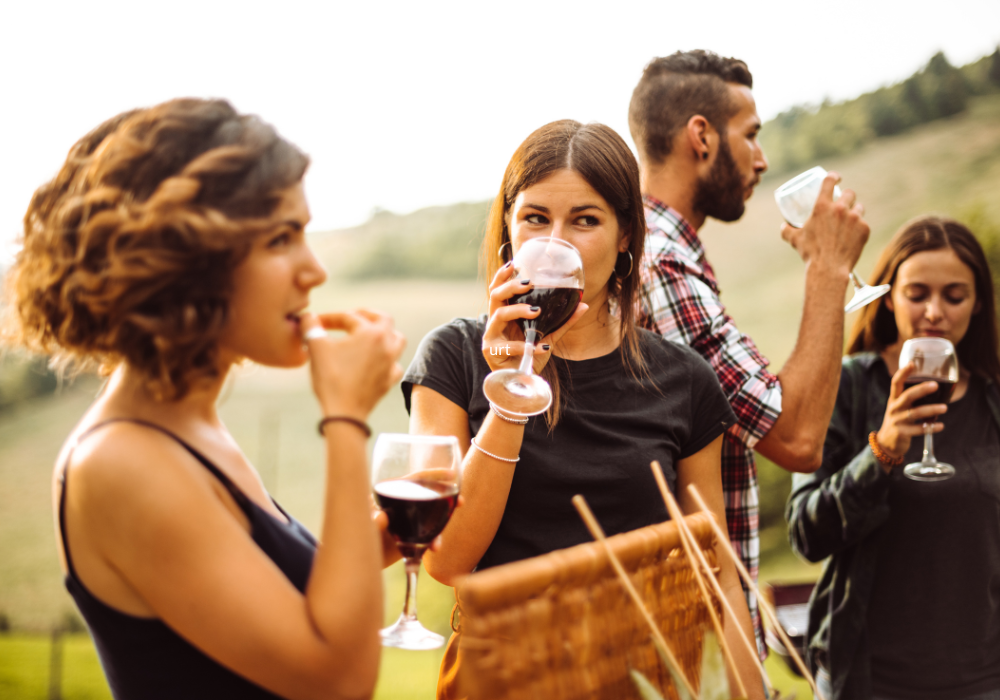
Yes, people in Blue Zones do drink alcohol—but not the way most folks do. It’s typically wine, shared with friends or family over a meal, and never in excess. The vibe is relaxed, communal, and woven into daily rituals—not a way to check out or deal with stress. This social sipping seems to have some surprising benefits when it’s done right.
It lowers cortisol, improves cardiovascular health, and strengthens bonds with the people around you. Contrast that with drinking to escape, numb out, or sleep better. That kind of use tends to spiral into isolation and health problems. Blue Zone locals don’t chug solo at the end of a stressful day. They enjoy a glass or two in good company, with good food, and call it a night. It’s not the alcohol—it’s the how and why that makes the difference.
9. They treat faith or spirituality as a weekly reset button.

Almost every Blue Zone community has some form of spiritual or religious practice—and it’s consistent. People gather weekly (or more) for rituals, prayer, meditation, or just a moment of stillness. It’s not about dogma or guilt. It’s about anchoring themselves in something bigger, stepping away from stress, and reconnecting with their values and their people. This kind of regular reflection has measurable effects: lower inflammation, reduced stress, better sleep, and a stronger sense of purpose.
Plus, those community gatherings double as social glue. You’re not just feeding your spirit—you’re showing up for others and letting them show up for you. Even if organized religion isn’t your thing, the takeaway is clear: carving out time to pause, reflect, and connect matters. It gives your mind a breather and your heart a recharge. And that rhythm—showing up for yourself and others—keeps people grounded and resilient.
10. They eat mostly plants—but don’t obsess over perfection.
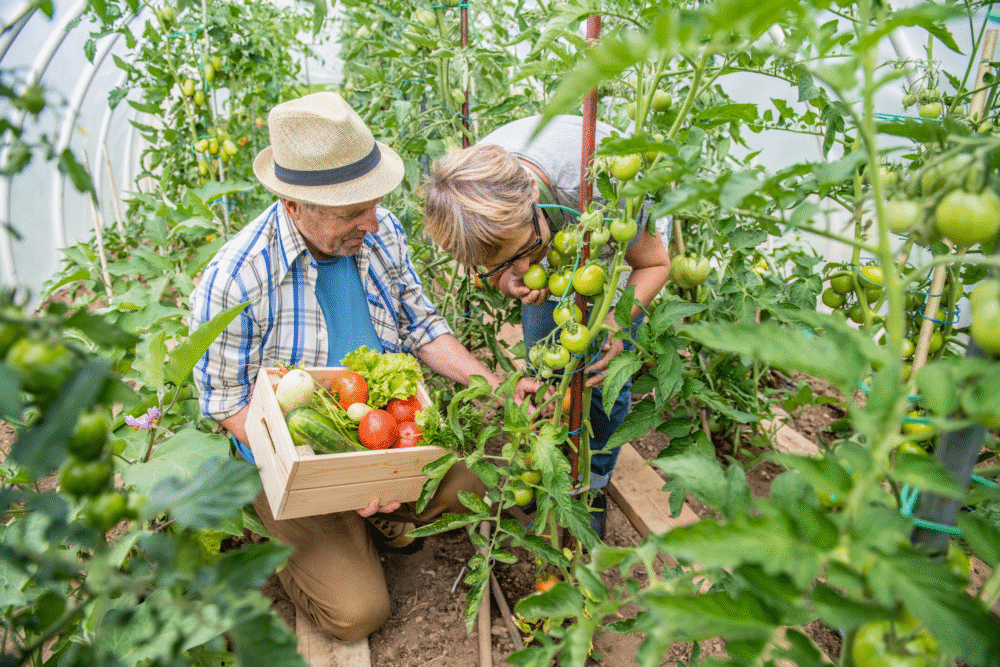
No one in the Blue Zones is counting macros or Googling keto snacks. Their diets are naturally plant-heavy—full of beans, greens, nuts, and whole grains. Meat is more of a condiment than a centerpiece. And processed food? Nearly nonexistent. But the key is, they’re not rigid or joyless about it. Food is fresh, local, and cooked with love.
They eat what’s in season, what grows nearby, and what’s been passed down through generations. It’s not a trend—it’s tradition. And it just so happens to support longevity in a big way. What’s refreshing is that they don’t moralize food or freak out over “cheat days.” They enjoy what they eat and stop when they’re satisfied. You don’t need a degree in nutrition or a $200 grocery haul to eat like this. Just simplify, go plant-forward, and cook more at home. Turns out, Grandma’s garden may have been the real health coach all along.
11. They take naps without guilt—and sleep like it’s sacred.

You won’t catch Blue Zone locals bragging about four hours of sleep and a triple espresso. They treat rest like it’s non-negotiable—and that includes daytime naps. In Sardinia and Ikaria, short afternoon rests are just part of the rhythm. Not laziness—longevity. Naps lower stress, improve memory, and give your body a chance to reset. And at night? They get real sleep. No doom-scrolling in bed, no late-night chaos.
Just consistent sleep routines that honor the body’s natural cycle. You start realizing how out of whack most modern schedules are. We push through exhaustion, caffeinate through burnout, and treat sleep like a weakness. Blue Zone folks know better. They wind down, unplug, and let their bodies recover. It’s one of the simplest—but most overlooked—secrets to feeling better, thinking clearer, and living longer. Rest isn’t wasted time. It’s repair time.
12. They laugh, dance, and find joy in ordinary things—daily.

There’s a lightness in Blue Zone cultures that you can feel. People laugh often, dance just because, sing with friends, and find delight in the simple stuff—like a tomato straight off the vine or a perfectly brewed cup of coffee. Joy isn’t saved for vacations or milestones. It’s built into everyday life. This kind of regular, low-stakes happiness is powerful. It lowers stress, improves immunity, and makes it easier to bounce back when life gets hard. These folks don’t take themselves too seriously. They celebrate small wins. They lean into community festivals, family jokes, and daily rituals that spark joy. And that emotional resilience?
It adds up. It’s not about toxic positivity or pretending everything’s great. It’s about choosing delight where you can, finding humor even in messiness, and letting yourself enjoy the life you’re building. Turns out, joy is one of the best-kept longevity secrets out there.