

For decades, doomsday preppers were viewed as fringe survivalists—people stockpiling food, building bunkers, and expecting catastrophe. But the past few years have changed that perception. Between the pandemic, extreme weather, cyberattacks, and rising geopolitical instability, preparedness no longer seems outlandish. According to FEMA, more than 60% of Americans now keep at least some emergency supplies on hand, a number that continues to rise. Whether driven by caution or practicality, modern prepping reflects a growing realization that global systems—from power grids to food chains—are more fragile than most people once believed.
1. Prepping Has Gone Mainstream
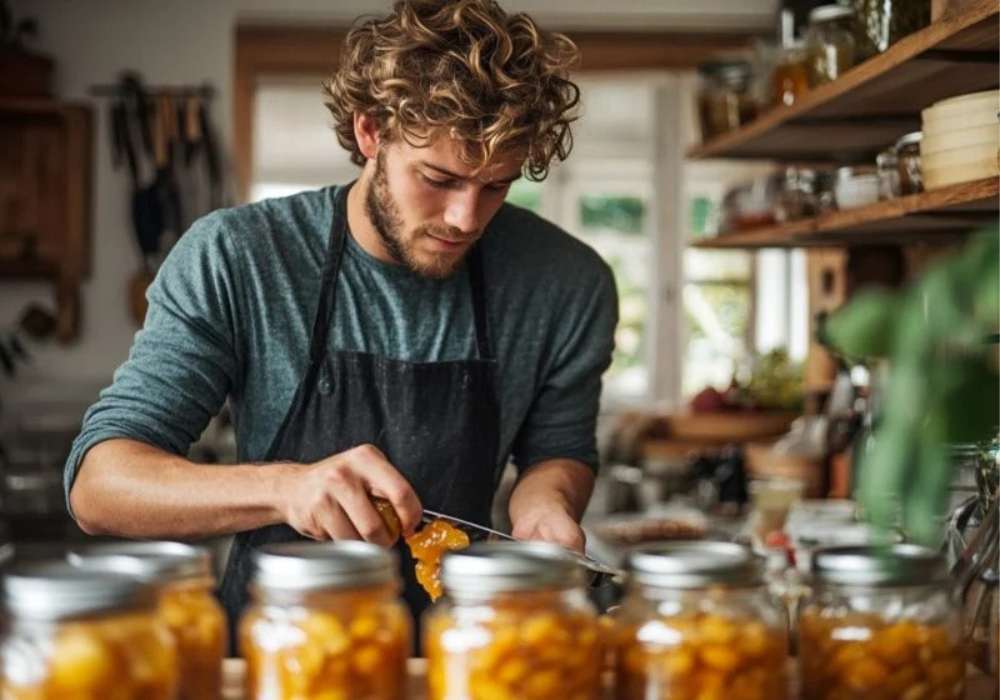
Once dismissed as paranoia, prepping has steadily entered the mainstream. A 2023 YouGov survey found that roughly one in ten Americans now identifies as a prepper, while millions more practice some form of emergency readiness. This trend has moved far beyond stereotypes of bunkers and camouflage gear.
Today, preparedness includes everything from owning backup power sources to keeping extra food and water. Across cities and suburbs alike, more people are quietly preparing for the unexpected, treating it as common sense rather than conspiracy.
2. The Pandemic Made Prepping Seem Practical

The COVID-19 pandemic exposed just how fragile modern infrastructure can be. Empty shelves, medical supply shortages, and travel bans demonstrated how easily global trade and logistics could break down.
For many, this was a wake-up call. Prepping shifted from “paranoid” to “prepared” as people began stockpiling essentials, learning first aid, and investing in generators or solar kits. Surveys show personal preparedness spending surged after 2020—and unlike earlier panics, those habits have largely stuck.
3. Climate Disasters Are More Frequent and Costly
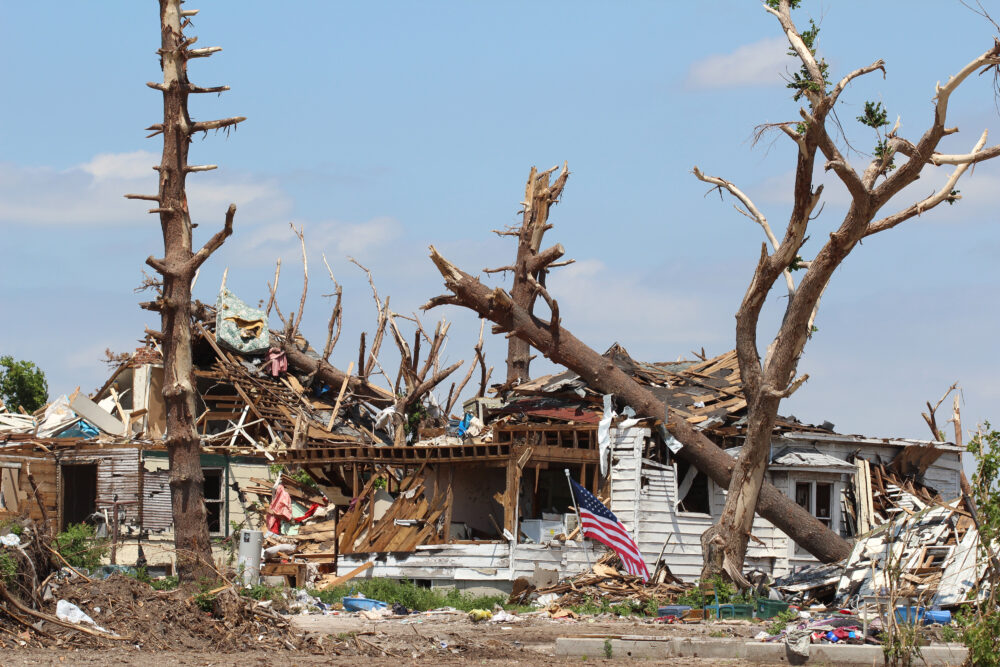
Data from NOAA confirms that billion-dollar weather disasters in the United States have more than quadrupled since the 1980s. Hurricanes, wildfires, and droughts now strike with greater frequency and intensity, stretching response systems thin.
Each new event reinforces the importance of self-reliance. Preppers argue that personal readiness—having water filters, backup food, and portable power—can mean the difference between short-term discomfort and long-term displacement. As climate extremes worsen, preparedness is increasingly seen as a rational response, not a fringe obsession.
4. Technology Has Created New Vulnerabilities
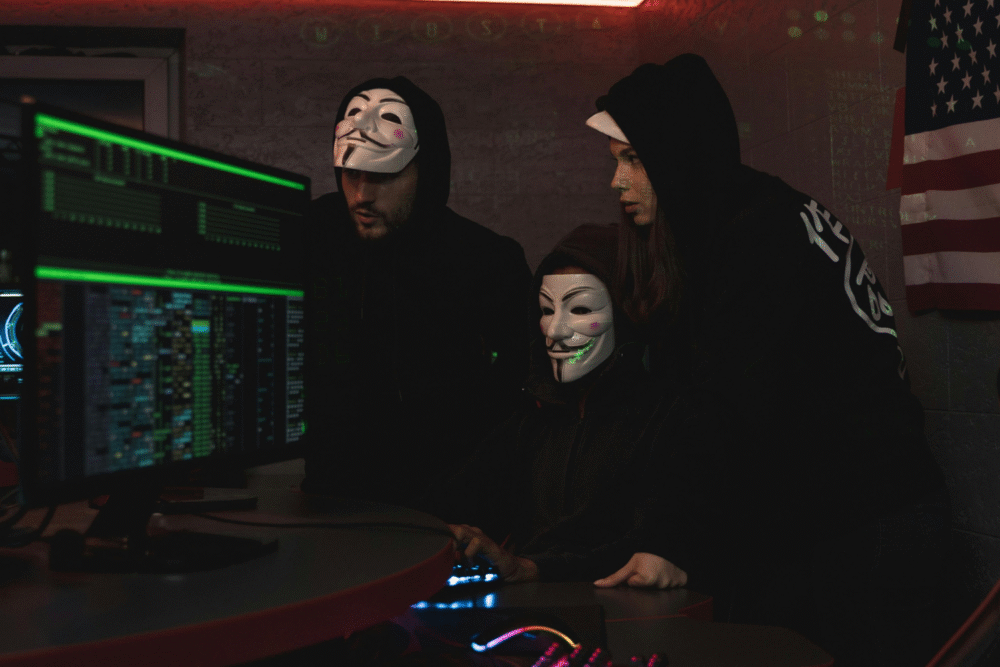
Society’s dependence on digital infrastructure has introduced risks previous generations never faced. Power grids, banking networks, and logistics systems are all vulnerable to cyberattacks or cascading technical failures.
The World Economic Forum ranks “cyber insecurity” among the top global threats for 2025. Many preppers now focus on scenarios like long-term blackouts or internet outages rather than apocalyptic collapse. The emphasis is shifting toward maintaining independence if modern systems suddenly go offline—even temporarily.
5. Governments Actively Encourage Basic Preparedness

Federal agencies like FEMA and the Department of Homeland Security promote household readiness through campaigns such as “Ready.gov.” Officials recommend that families maintain at least three days’ worth of food, water, and basic supplies.
Preppers often extend that timeline to weeks or months, adding medical kits, tools, and communications gear. Although their approach may seem extreme to some, it mirrors government advice taken to its logical conclusion—be ready for anything, because emergencies rarely happen on schedule.
6. Prepping Has Expanded to Urban America
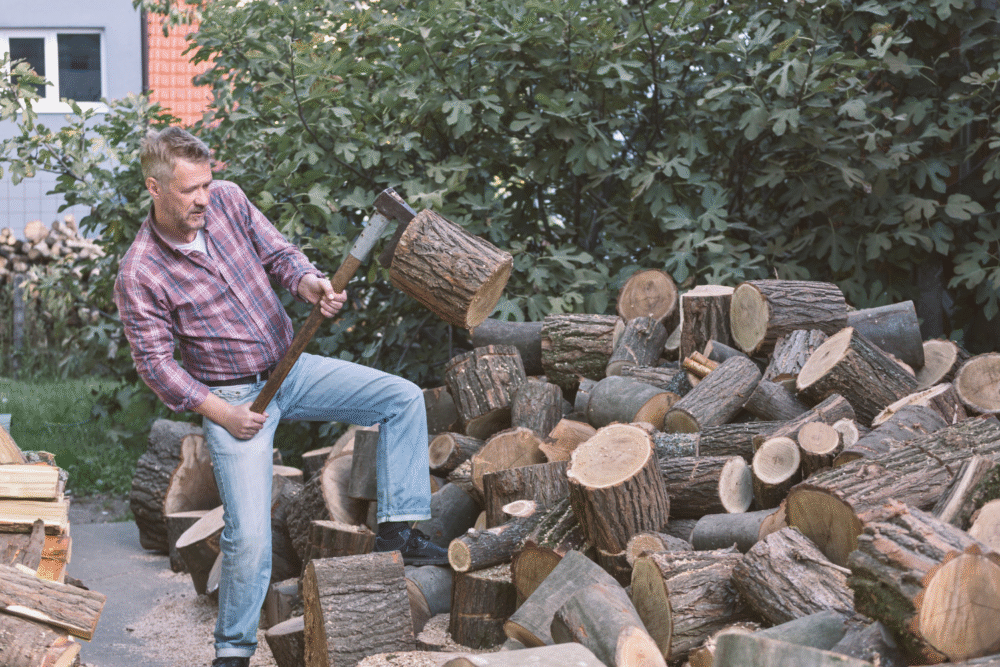
Early prepper culture was rooted in rural self-sufficiency—homesteads, wells, and private farmland. But as urban populations grow, city residents are adapting the concept for smaller spaces.
Urban preppers focus on “bug-out bags,” compact emergency kits, and alternative transportation routes. In large cities like Los Angeles and New York, workshops teach citizens how to stay safe during extended blackouts or evacuations. The prepper mindset has evolved: it’s not about escaping society—it’s about enduring disruption within it.
7. Survival Skills Are Back in Style

From canning food to growing vegetables, traditional survival skills are making a comeback. Online communities and YouTube channels devoted to preparedness now attract millions of followers.
Google Trends data shows that searches for “emergency food storage” and “how to prep” remain higher than before the pandemic. Learning to garden, purify water, or cook without electricity gives people a sense of control in an unpredictable world. For many, these skills represent not fear—but empowerment.
8. Even the Ultra-Wealthy Are Preparing
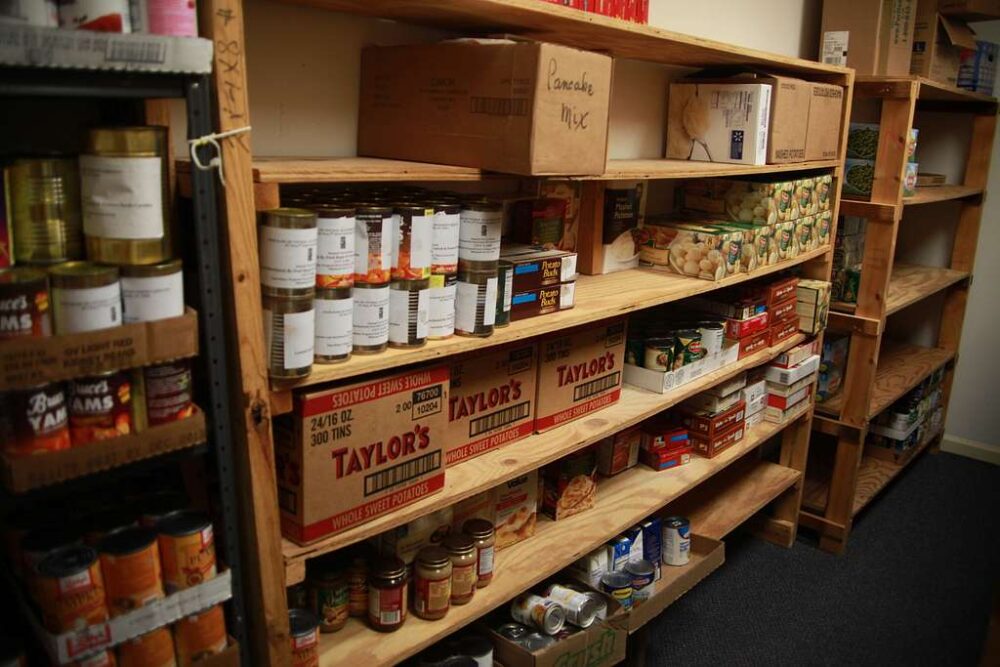
Reports from Bloomberg and The New Yorker reveal that tech executives and investors are quietly purchasing survival properties in remote areas or building underground shelters. These luxury bunkers feature renewable energy systems, air filtration, and sustainable agriculture.
Such investments reflect a sobering truth: uncertainty spares no one. When billionaires prepare for crisis, it signals a broader recognition that global systems—financial, environmental, and political—are under increasing strain. In that light, preppers may simply be the early adopters of a more cautious age.
9. Climate Change Is Shaping Modern Prepping
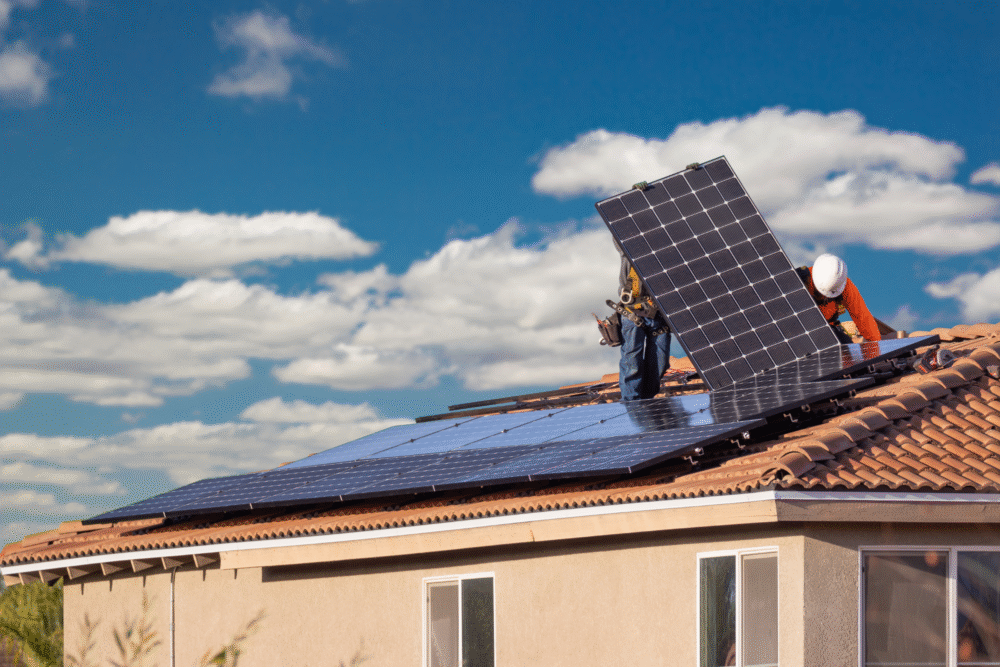
As climate impacts intensify, preppers are adapting their strategies to emphasize sustainability over stockpiling. Solar panels, rainwater collection, and permaculture gardens are replacing the “canned goods and ammo” stereotype.
This evolution aligns with science-based resilience practices promoted by environmental groups. Many preppers now frame their lifestyle as ecological preparedness—reducing dependence on fragile global systems while living in harmony with changing conditions. It’s a blend of practicality and environmental awareness.
10. The Psychology Behind Prepping Is Changing
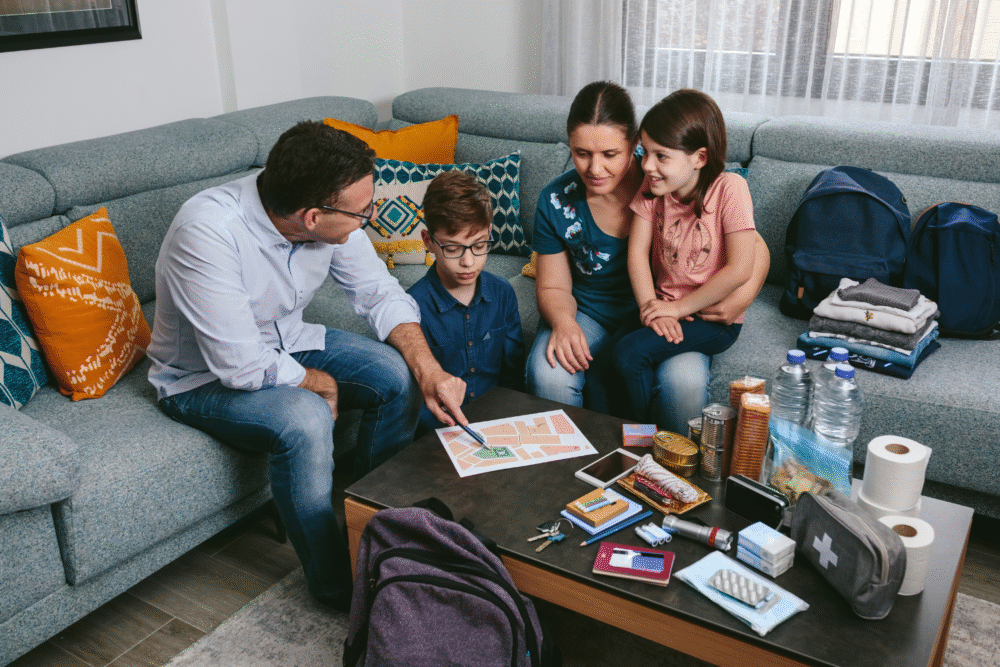
Psychological research suggests most preppers aren’t driven by paranoia but by a desire for security and self-efficacy. Studies from the University of Adelaide and the American Psychological Association show that taking preparedness actions can reduce anxiety in uncertain times.
For preppers, readiness is a form of stress management. Having plans, supplies, and skills provides emotional stability amid constant headlines about global crises. It’s less about fearing collapse and more about maintaining peace of mind.
11. Media Portrayals Are Becoming More Balanced

Early reality shows exaggerated preppers as doomsday obsessives, but newer coverage paints a more nuanced picture. Documentaries and news outlets now highlight families preparing for natural disasters, grid failures, or economic downturns without political or apocalyptic overtones.
This shift mirrors broader cultural acceptance. Preparedness is increasingly presented as sensible civic responsibility rather than paranoia—a reflection of changing times and more frequent crises.
12. Preparedness Is Becoming a Permanent Lifestyle
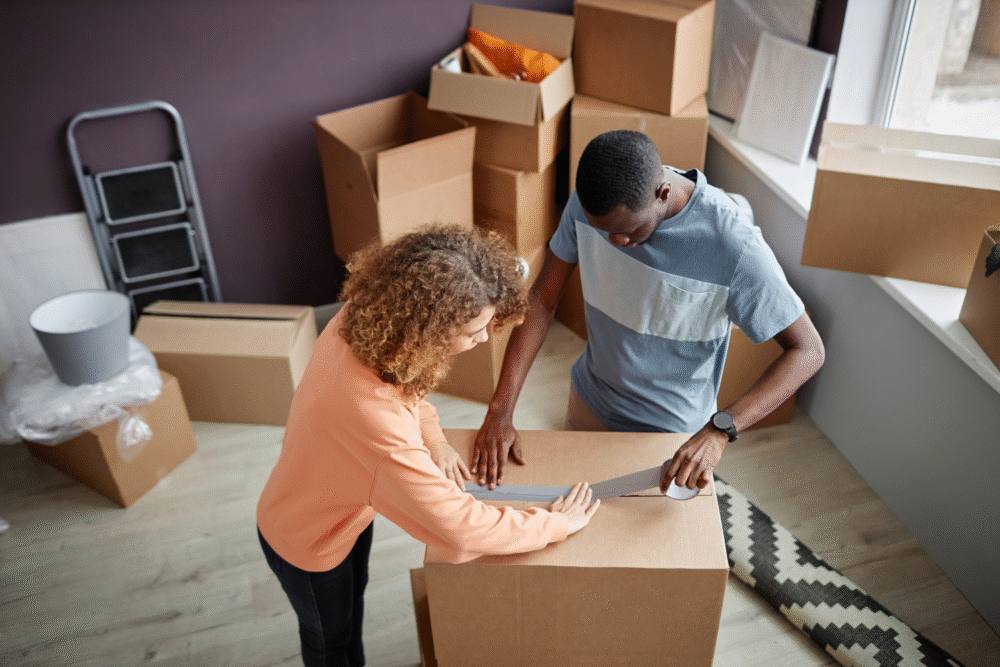
What was once a niche subculture is now an enduring mindset. Prepping has evolved from fear-based reaction to lifestyle choice—one focused on resilience, adaptability, and independence.
Experts note that long-term preparedness strengthens communities as well as individuals. Shared skills and mutual aid networks improve collective survival in disasters. In a world of growing uncertainty, prepping’s core philosophy—“hope for the best, prepare for the worst”—has never seemed more relevant or more rational.