
What followed revealed how removing a single predator can reshape an entire ecosystem in unexpected ways.
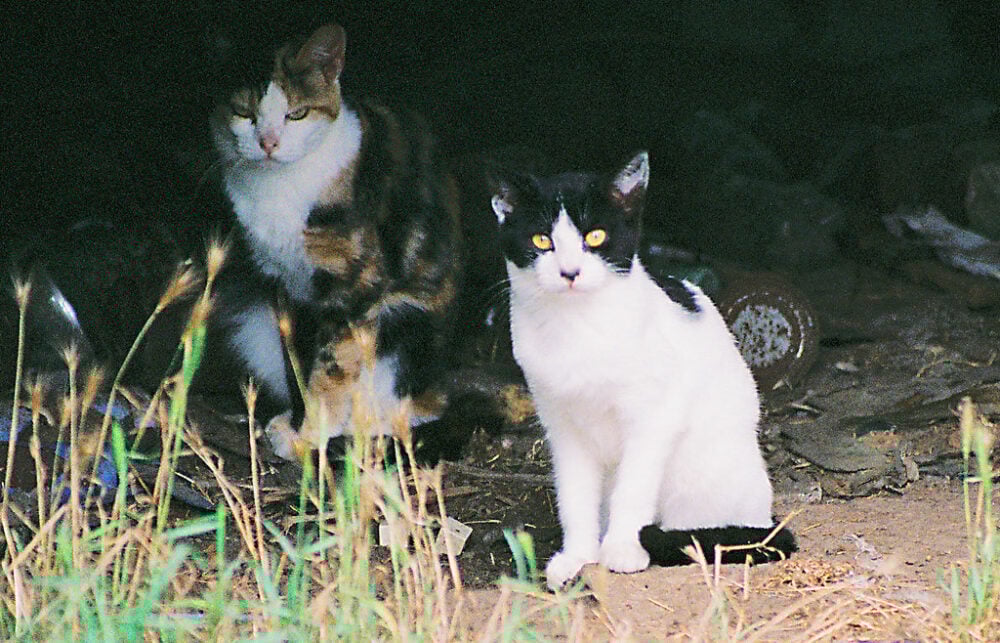
For decades, feral cats on Marion Island, a remote sub-Antarctic island in the southern Indian Ocean, were blamed for devastating native wildlife. Introduced by humans in the mid-20th century, the cats preyed heavily on seabirds that had evolved with few natural defenses.
Scientists believed removing the cats would allow the ecosystem to rebound in a straightforward way. But after all 131 feral cats were eliminated, the island’s recovery didn’t follow a simple script.
Instead, Marion Island became a striking example of how ecosystems can respond in complex, surprising ways—forcing scientists to rethink how conservation actions ripple through nature.
1. The cats were originally introduced by humans
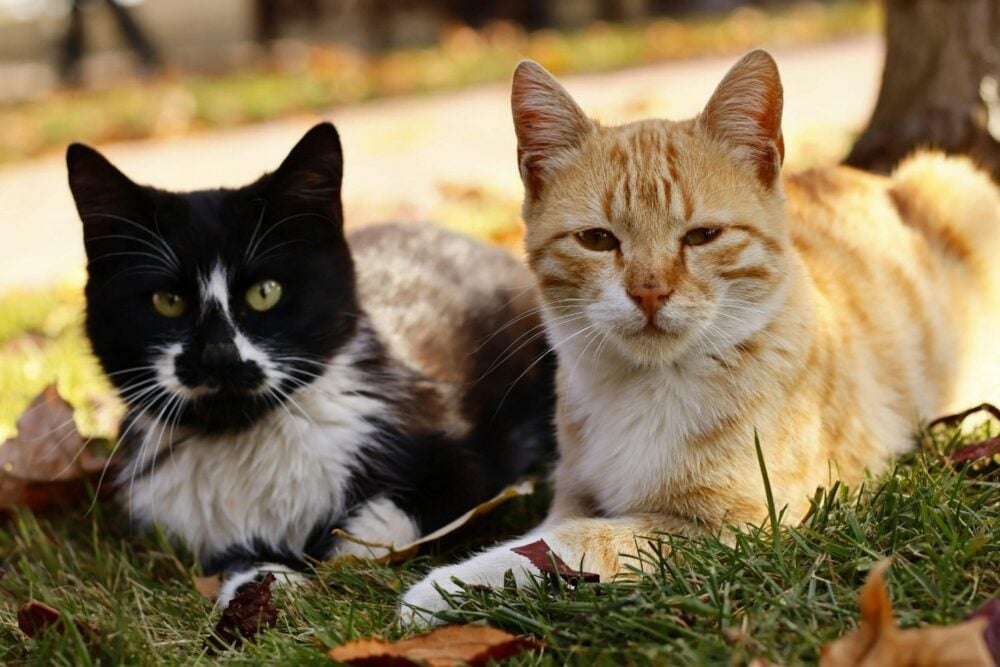
Feral cats did not evolve on the island naturally. They were brought there decades earlier, likely to control rodents around research stations.
Once established, the cats spread across the island and began hunting native species. Seabirds were especially vulnerable because they nested on the ground. Over time, the ecological imbalance became severe.
2. Seabird populations were collapsing
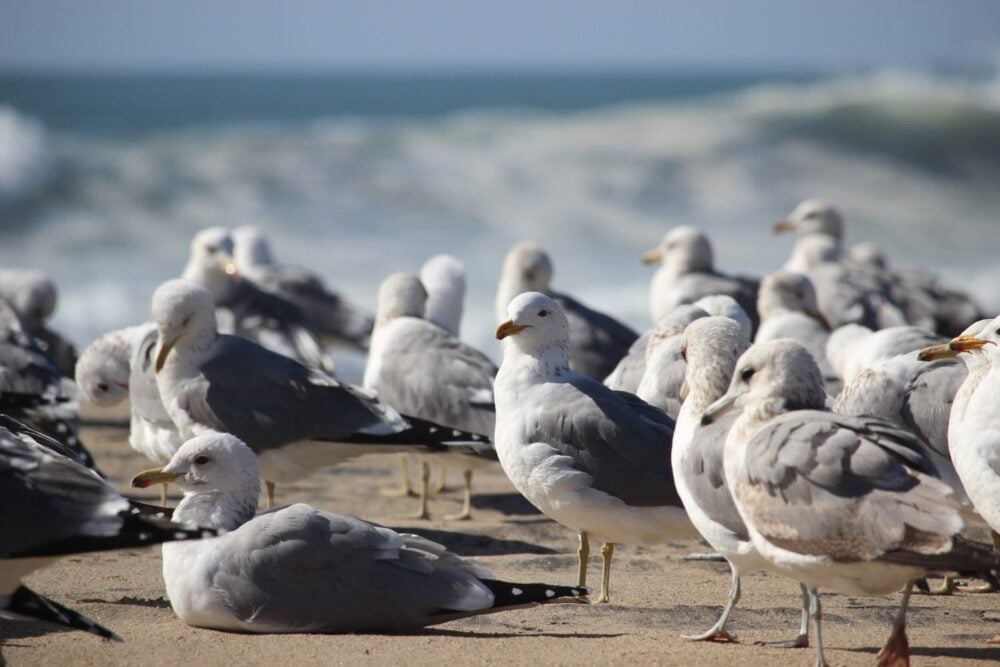
The cats preyed heavily on native birds, many of which had never encountered mammalian predators before. Nesting sites were easy targets.
Some bird populations declined dramatically, raising alarms among conservationists. Scientists worried that several species could disappear entirely. This urgency drove the decision to remove the cats.
3. A full eradication program was launched
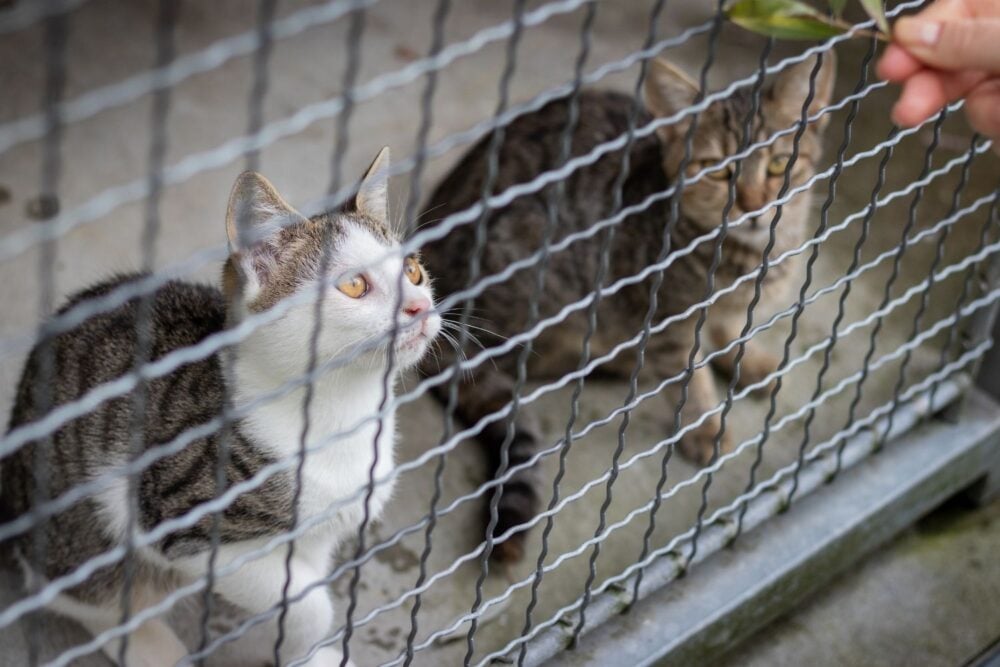
Removing the cats was not quick or simple. The effort took years and involved multiple strategies to ensure all feral cats were eliminated.
By the end, 131 cats had been removed from the island. The goal was to give native wildlife a chance to recover. Scientists expected bird populations to rebound and ecosystems to stabilize.
4. Seabirds began to return—but not alone
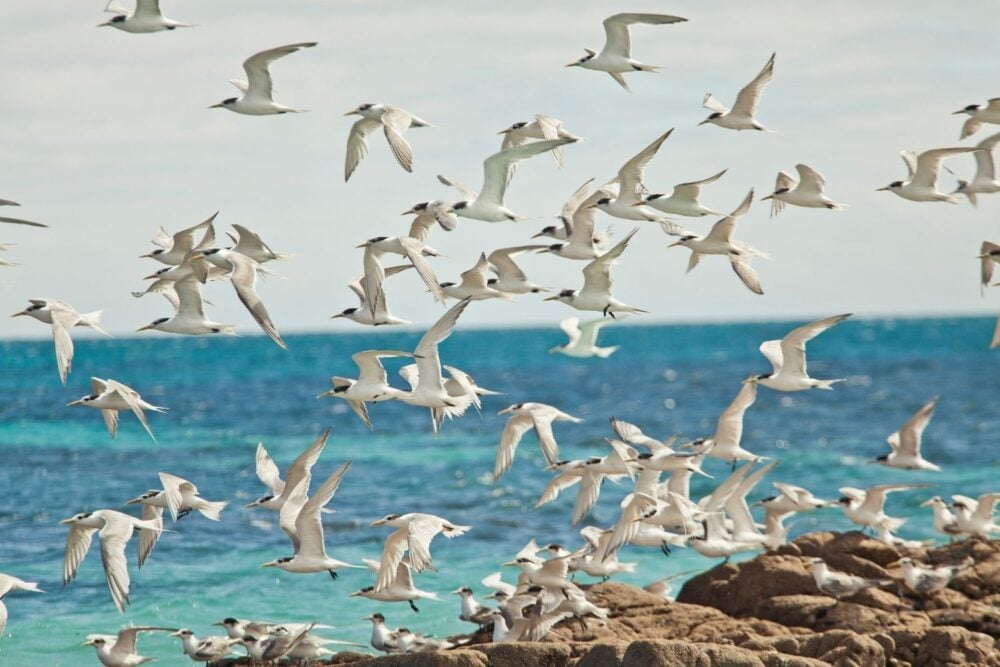
After the cats were gone, seabird numbers did begin to rise. Nesting success improved, and abandoned colonies slowly refilled.
But the increase in seabirds triggered other changes. More birds meant more nutrient-rich droppings entering the ecosystem. This had ripple effects beyond what researchers initially predicted.
5. Nutrients reshaped the island’s soil

Seabird droppings added large amounts of nitrogen and other nutrients to the soil. This altered the chemical makeup of the ground.
Plants responded quickly to the change. Some species flourished, while others struggled. The landscape itself began to shift as plant communities adjusted to the new nutrient levels.
6. Insect populations surged
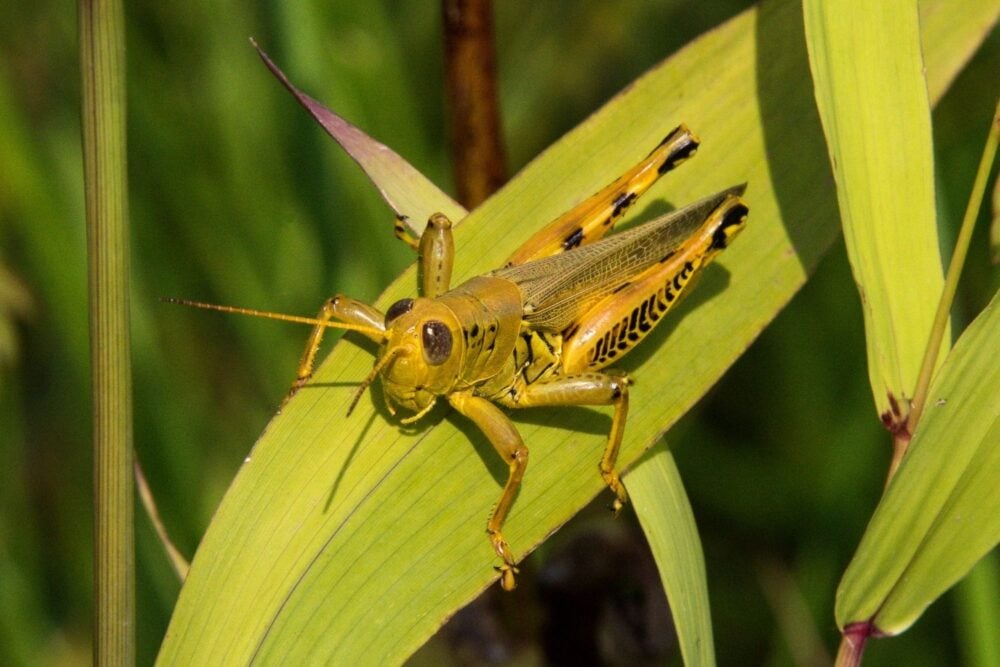
With changes in vegetation and nutrients, insect numbers also increased. Some insects benefited directly from the richer plant growth.
This created new food sources for other animals. The ecosystem became more active and interconnected. These cascading effects showed how tightly linked each part of the system was.
7. Some species benefited more than others

While many native species thrived, not every change was positive. Certain plants and animals adapted faster than others.
This uneven response highlighted that “recovery” doesn’t mean returning to a previous snapshot in time. Instead, ecosystems often move toward a new balance. That balance may look very different from the original state.
8. The island didn’t return to its old normal
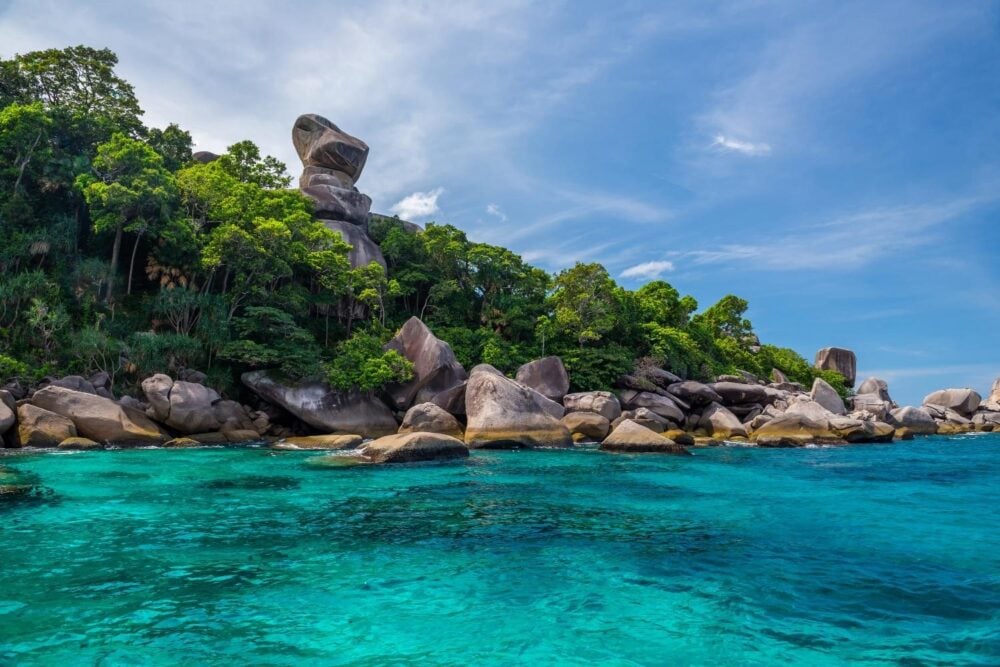
Scientists initially hoped the island would simply revert to how it looked before cats arrived. That didn’t happen.
Instead, the ecosystem reorganized itself. New relationships formed between plants, insects, and animals. The result was a transformed environment, not a rewind.
9. The outcome challenged simple conservation assumptions
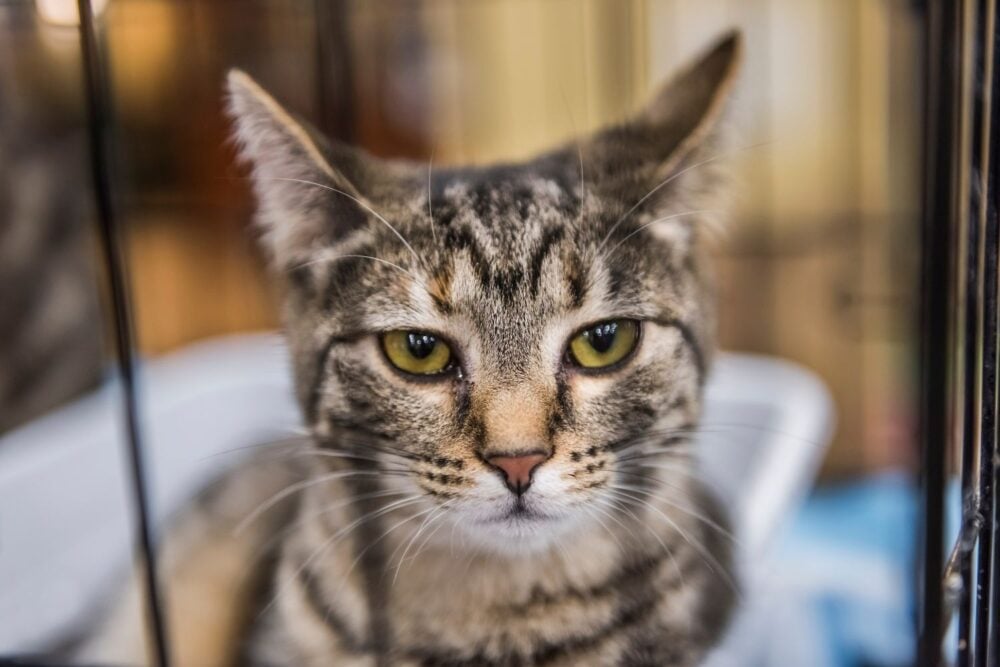
The project showed that removing an invasive species doesn’t always lead to straightforward results. Nature responds dynamically, not predictably.
While the cats were clearly harmful, their removal set off chain reactions. Scientists realized that even well-intended actions can have complex outcomes. This complicates future conservation planning.
10. The results offered valuable lessons for ecology

Rather than being a failure, the experiment provided rare real-world data. It demonstrated how interconnected ecosystems truly are.
Researchers gained insight into trophic cascades and nutrient cycles. These lessons are now informing conservation efforts elsewhere. Understanding secondary effects is now seen as essential.
11. The island became a case study in unintended consequences
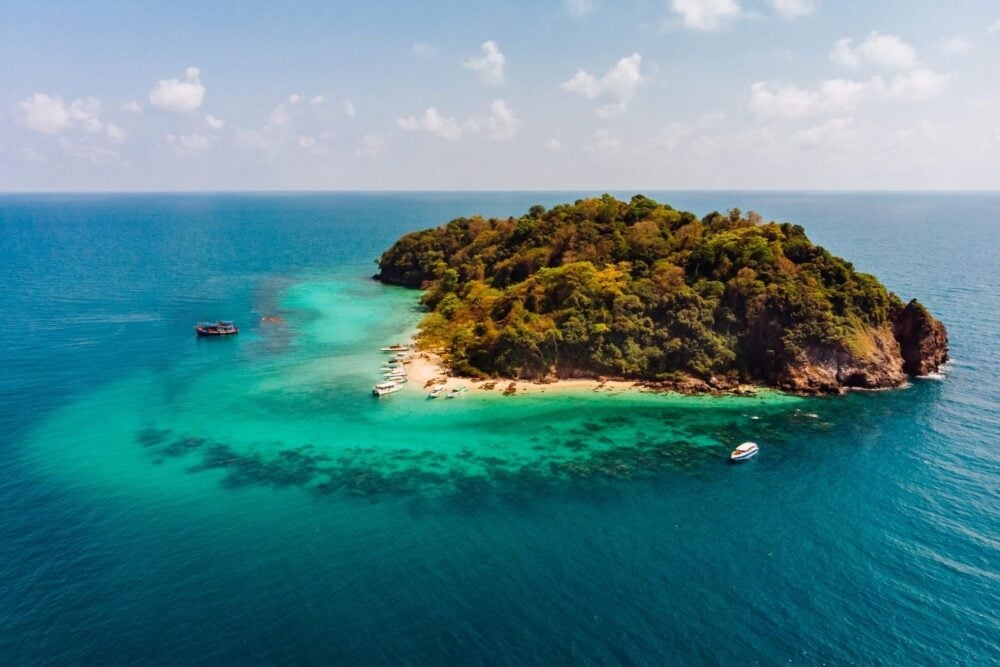
Today, the island is often cited as an example of ecological complexity. It shows that nature doesn’t respond in straight lines.
The removal of the cats helped native wildlife but also reshaped the entire system. For scientists, it was a reminder that fixing one problem can reveal many others—and that ecosystems rarely behave the way we expect.