
From dense forests to rugged mountains, these states host the highest numbers of black bears in the country.

Black bears are thriving across much of the United States, and some states now support populations that number in the tens or even hundreds of thousands. Thanks to healthy habitats, strong conservation efforts, and abundant natural food sources, black bears occupy more territory today than they did a century ago. While many assume black bears live only in remote wilderness, several top states include growing populations near suburban areas.
1. Alaska Holds the Largest Black Bear Population in America
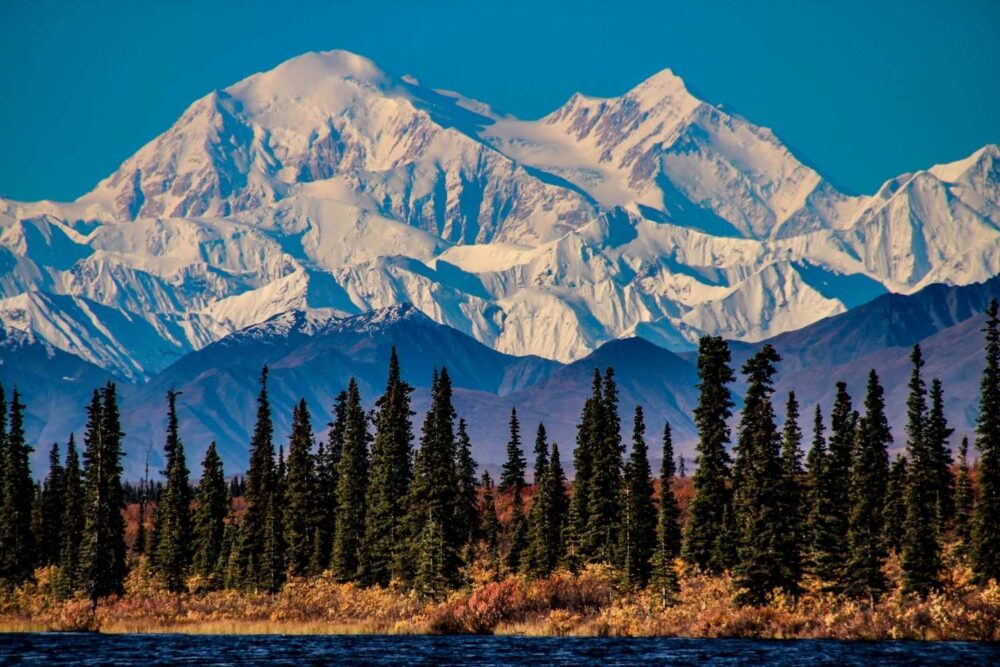
Alaska is home to an estimated 100,000 black bears, the largest population of any state. Its vast, undeveloped wilderness provides ideal habitat, offering rich food sources like salmon, berries, and vegetation. The state’s remote terrain also limits human encroachment, allowing bear populations to remain strong and stable.
Although human–bear encounters still occur, Alaska’s expansive landscape helps reduce conflicts. Wildlife agencies encourage residents to secure attractants and practice bear safety, ensuring that both people and bears can coexist in shared spaces.
2. California Supports One of the Fastest-Growing Bear Populations

California’s black bear population is estimated between 30,000 and 40,000, making it one of the highest in the country. Bears thrive in areas like the Sierra Nevada, the Cascade Range, and portions of the Central Coast, where forests and natural food sources are abundant.
As development expands into foothill communities, bear sightings near neighborhoods have increased. The state focuses on public education, habitat protection, and nonlethal management methods to reduce conflict and maintain a healthy balance between human residents and wildlife.
3. Maine Has the Largest Black Bear Population in the Eastern US
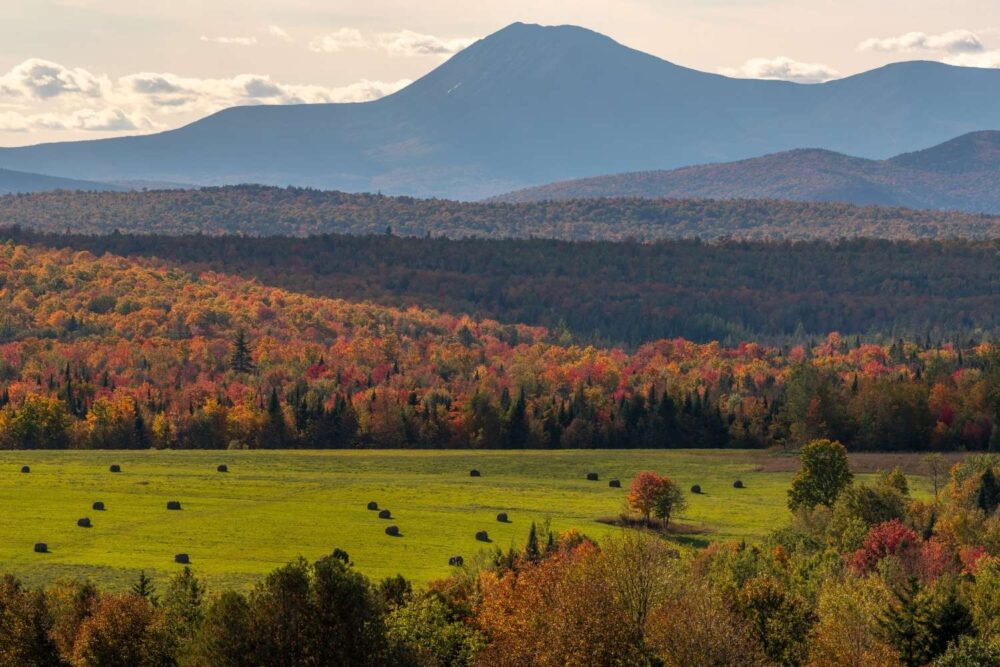
Maine supports an estimated 35,000 black bears, the highest number east of the Mississippi River. The state’s dense northern forests, rich berry crops, and low population density create ideal conditions for bears to reproduce and disperse.
Human–bear interactions are relatively rare in Maine compared to other states because most of the population lives far from core bear habitat. Wildlife managers monitor populations closely and adjust hunting seasons to maintain long-term sustainability.
4. Oregon’s Diverse Landscapes Are Perfect for Black Bears

Oregon is home to approximately 25,000 to 30,000 black bears. The state’s mix of coastal forests, Cascade mountains, and interior woodlands provides varied habitats and abundant natural food sources that support a thriving bear population.
Bears are commonly found throughout western Oregon, although sightings in the eastern portion of the state are growing. Conservation programs emphasize coexistence strategies and public awareness campaigns to reduce human–bear conflicts.
5. Washington State Maintains a Strong Bear Population
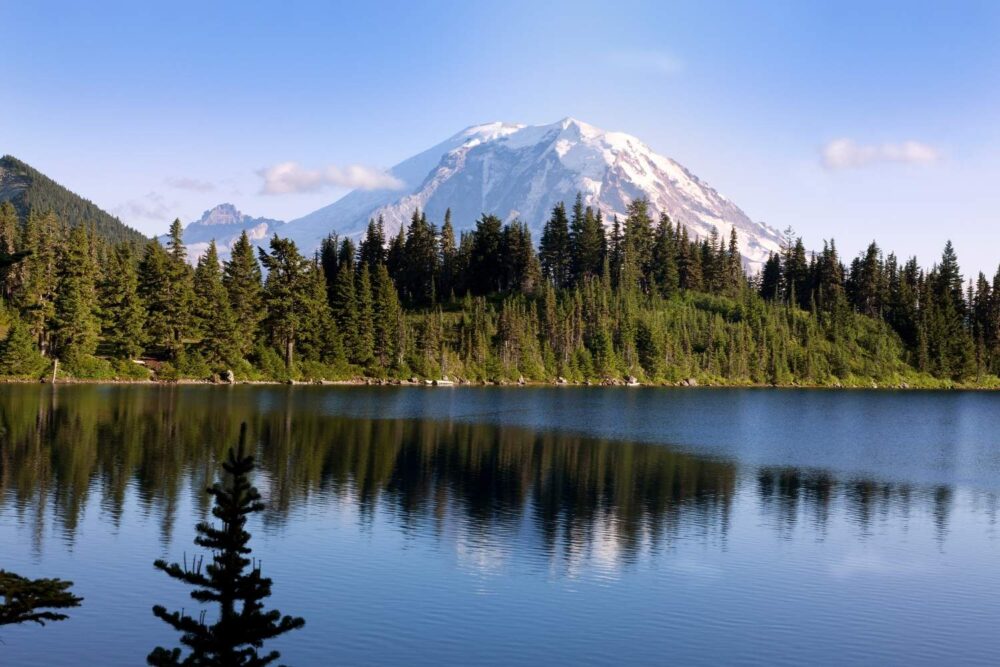
Washington has an estimated 25,000 black bears living across its forests and mountainous regions. Bears thrive in areas like the Olympic Peninsula, the Cascades, and northeastern woodlands, where food sources and habitat are plentiful.
Increasing suburban expansion into bear habitat has led to more encounters. Wildlife agencies encourage residents to secure garbage, remove attractants, and follow bear-safe practices to minimize conflicts while supporting healthy bear populations.
6. Colorado’s Bear Population Continues to Rebound
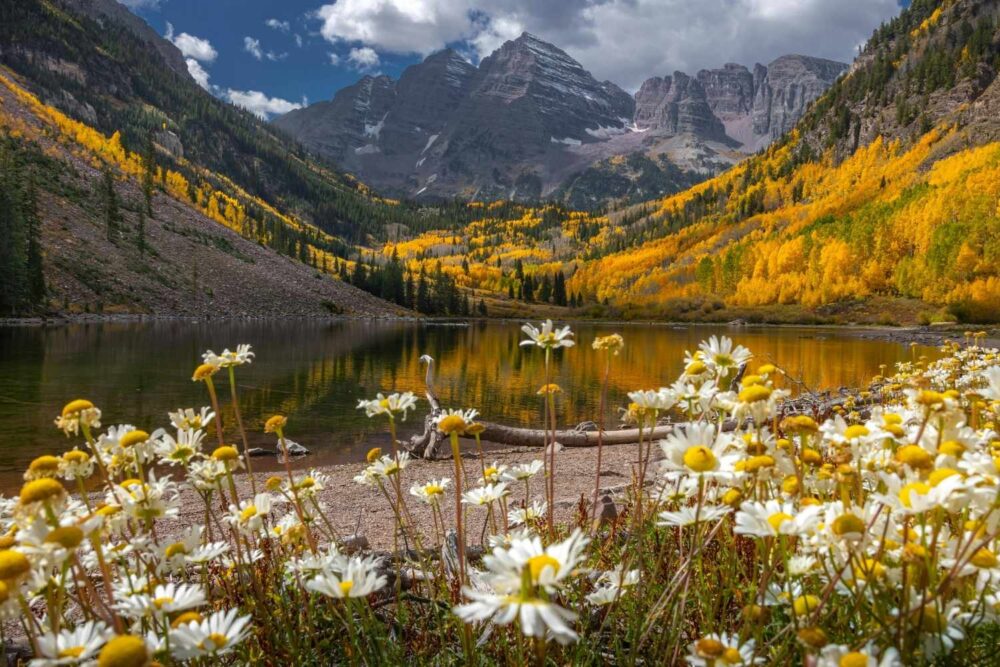
Colorado is believed to have between 17,000 and 20,000 black bears, with populations growing in many mountainous and forested regions. The state’s diverse ecosystems offer ample food, from berries and nuts to insects and vegetation.
Bear sightings near communities such as Boulder, Colorado Springs, and Durango have increased as bears adapt to human presence. Officials emphasize responsible food storage and attractant management to help prevent conflict and protect both people and wildlife.
7. Montana’s Wild Terrain Provides Prime Habitat
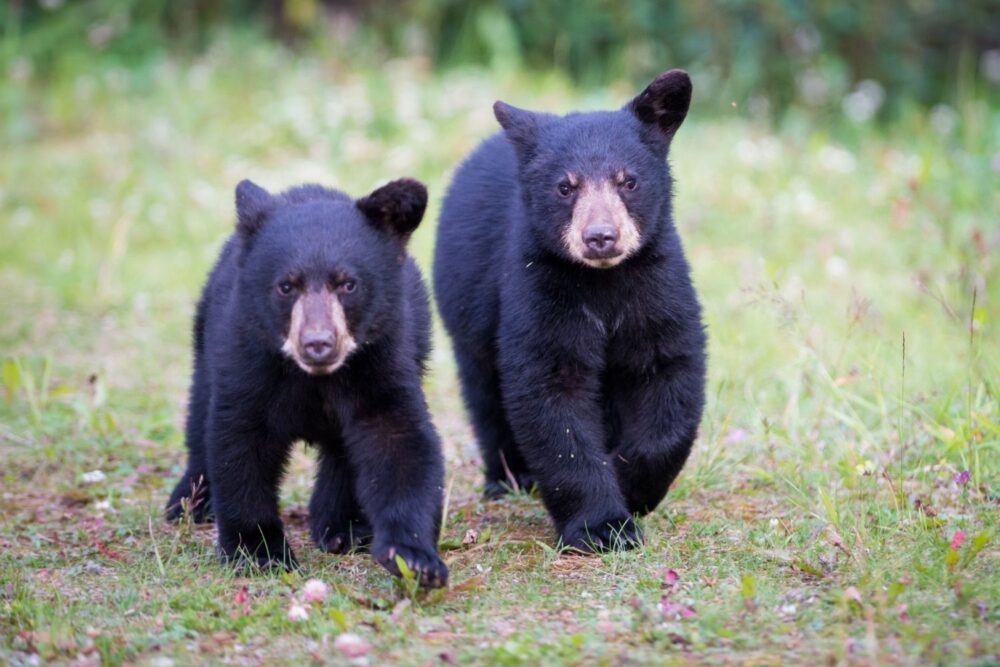
Montana supports an estimated 15,000 to 20,000 black bears. The state’s remote forests, rugged mountains, and abundant food sources make it ideal for sustaining a strong bear population.
As outdoor recreation grows, encounters between people and bears have become more common. Montana continues to prioritize public education and responsible backcountry practices to ensure safe coexistence.
8. North Carolina Hosts the Largest Population in the Southeast
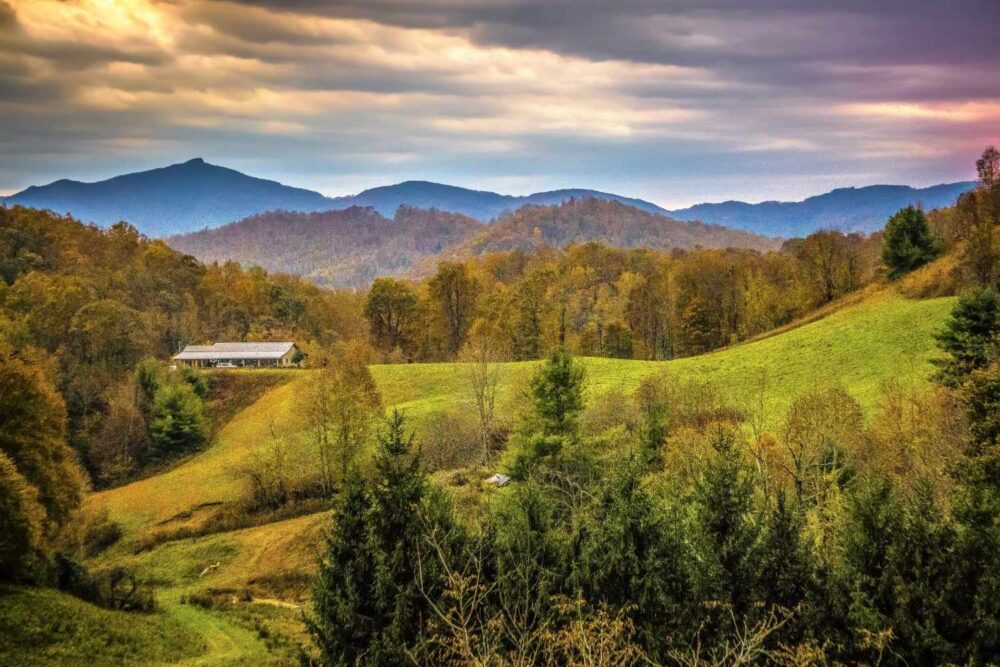
North Carolina is home to roughly 15,000 black bears, the highest number in the southeastern United States. Bears thrive especially well in the coastal plain and the Appalachian Mountains, where mild climates and diverse vegetation support healthy growth.
Human–bear sightings have become more frequent as development expands into natural habitat. The state promotes coexistence strategies, including bear-proofing homes and removing attractants to reduce conflict.
9. Pennsylvania’s Bear Population Has Grown Dramatically
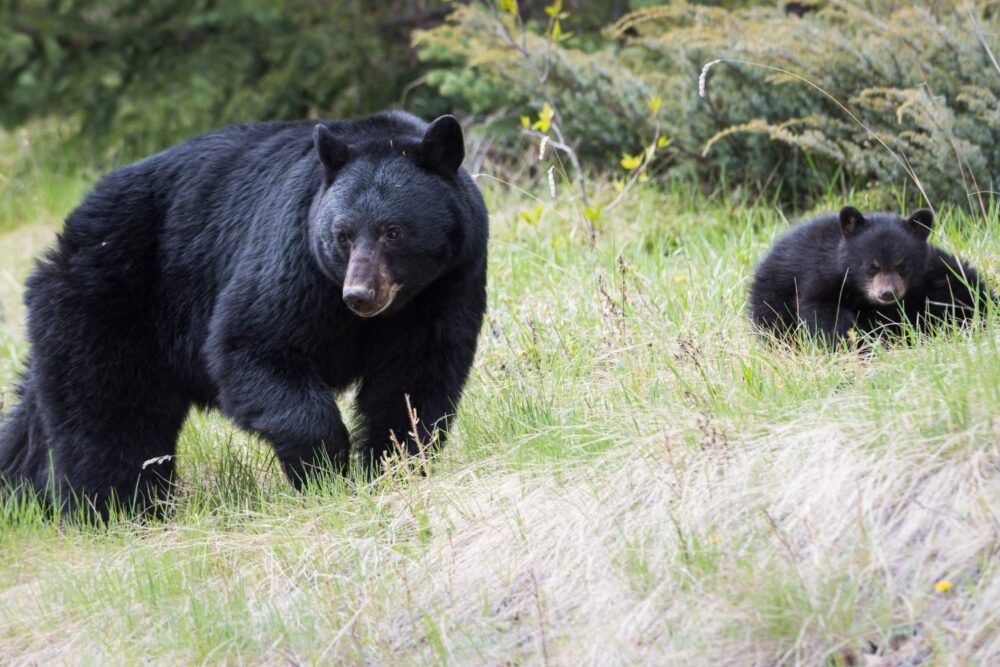
Pennsylvania now supports an estimated 15,000 black bears, a significant conservation success story. The state’s forests, abundant food sources, and regulated hunting seasons have helped black bear numbers rebound from historic lows.
Encounters have increased in recent years as bears expand into new areas. Wildlife officials encourage residents to secure trash, avoid feeding wildlife, and report sightings to maintain safe interactions.
10. New York’s Forests Support a Healthy Bear Population
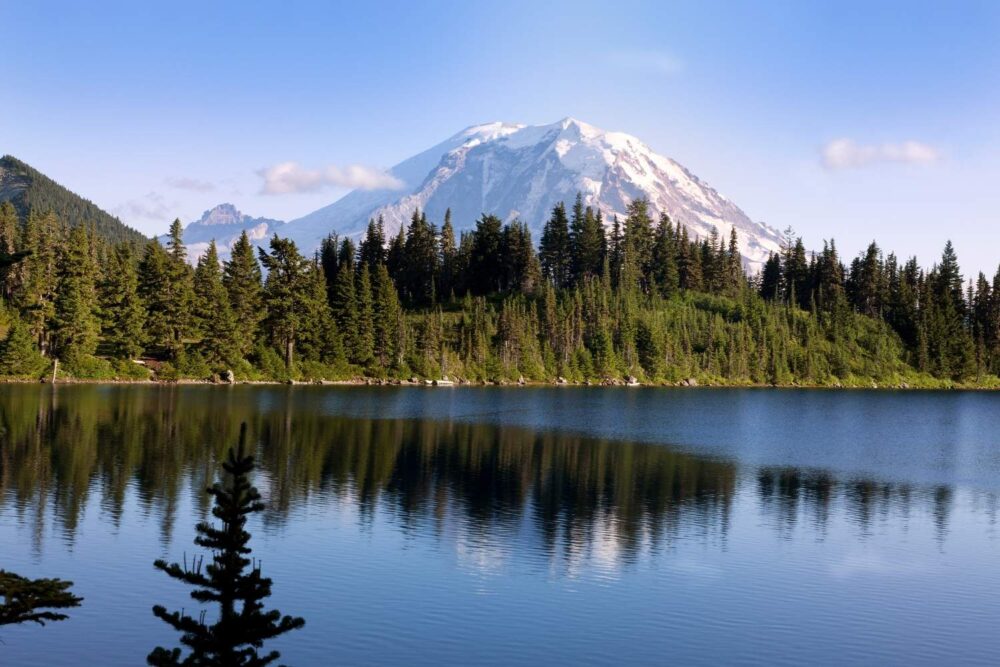
New York is home to approximately 6,000 to 8,000 black bears, primarily found in the Adirondacks, Catskills, and Allegheny regions. Large tracts of forest and protected lands create stable environments where bears can reproduce and roam freely.
As outdoor recreation and tourism grow, the state works to educate visitors on bear safety. Proper food storage and awareness help protect both people and wildlife, especially in popular camping and hiking areas.