
From shifting light to altered perception, these moments quietly distort how the brain tracks passing time.

For much of modern science, randomness was assumed to be the default state of nature. Small fluctuations were treated as noise, and irregular behavior was expected in complex systems influenced by countless variables.
But as instruments improved and long-term data accumulated, researchers began noticing something unexpected. Repeating patterns kept appearing in places once thought chaotic.
These patterns don’t break physical laws, but they challenge older assumptions about how nature organizes itself. The evidence suggests order may be far more common than scientists once believed.
1. Patterns began appearing where randomness was expected

For decades, scientific models assumed that small-scale variation in nature would average out over time. Irregularity was considered normal, especially in systems shaped by weather, geology, and biology interacting all at once.
As higher-resolution data became available, researchers began spotting repeating structures hidden within what once looked like noise. What appeared random at low resolution revealed subtle consistency, forcing scientists to reconsider how much natural order earlier models had overlooked.
Follow us and access great exclusive content every day
2. Satellites revealed repeating signals across Earth

When satellites began collecting continuous global measurements, scientists noticed recurring patterns in temperature, gravity, and atmospheric circulation. These signals appeared again and again, even across regions that seemed unrelated.
The consistency ruled out simple measurement error. Instead, it suggested that Earth’s large systems may be linked through feedback loops that produce structure rather than randomness, even when the underlying processes appear chaotic.
3. Landscapes started arranging themselves geometrically

In arid regions, vegetation formed evenly spaced clusters rather than random growth. Similar geometric spacing appeared in salt flats, frozen soils, and erosion patterns carved by wind and water.
These arrangements puzzled researchers because no central force was organizing them. Instead, competition for limited resources created repeating structures, showing how simple rules can generate unexpected order across entire landscapes.
4. Oceans and atmosphere showed rhythmic behavior

Long-term ocean measurements revealed repeating temperature bands and circulation cycles that persisted over decades. Atmospheric data showed waves and pulses that didn’t fit older assumptions about turbulence.
Scientists realized these rhythms weren’t anomalies but stable features of complex systems. Energy moving through water and air followed patterns shaped by Earth’s rotation, heat balance, and feedback mechanisms working together.
Follow us and access great exclusive content every day
5. Scientists realized their models filtered out real structure
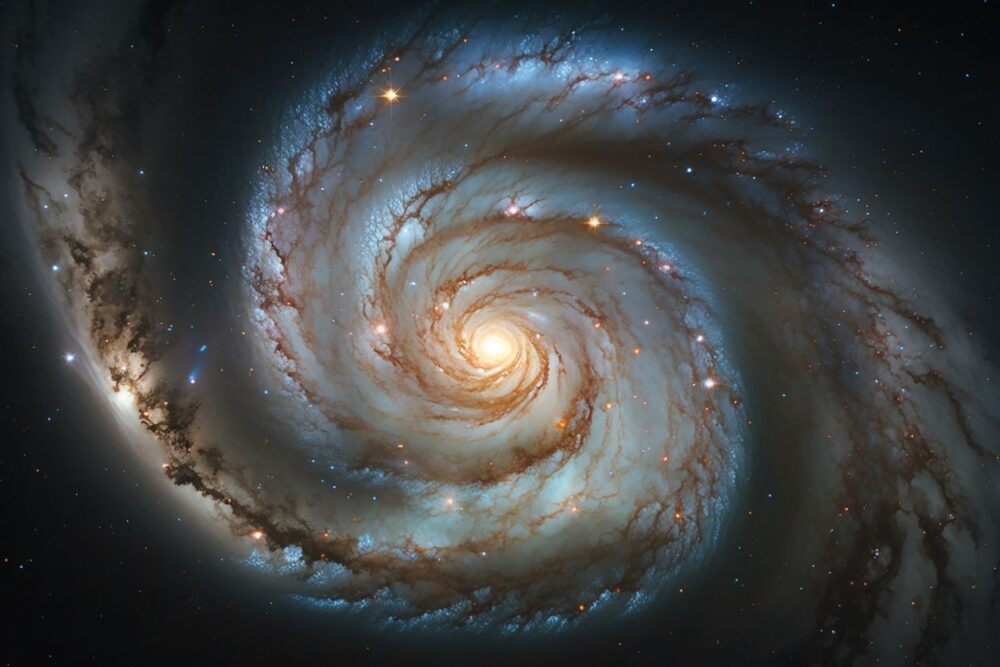
For years, many scientific models were designed to smooth out irregular data to reveal broad trends. That approach worked well for predictions but unintentionally erased meaningful detail.
As computing power increased, researchers revisited raw datasets with fewer assumptions built in. Patterns that once disappeared during averaging suddenly became visible.
The surprise wasn’t that nature was orderly, but that scientific tools had been trained to ignore that order. This realization has pushed researchers to rethink how complexity should be modeled, measured, and understood.
6. Self-organization became the leading explanation

Rather than relying on external control, many natural systems appear to organize themselves. Small interactions between components create feedback loops that stabilize into repeating patterns.
This process, known as self-organization, helps explain why similar structures appear in clouds, ecosystems, and geological formations. Order emerges not from design, but from simple interactions repeated across time and space.
7. Ice, rock, and soil followed the same rules

Researchers began noticing that ice fractures, rock layers, and soil cracks often form predictable shapes. These patterns appeared regardless of location or climate.
The consistency suggested universal physical principles at work. Stress, pressure, and temperature interact in ways that naturally produce repeating structures, even when the environment surrounding them looks unpredictable.
8. Background seismic noise showed unexpected rhythms
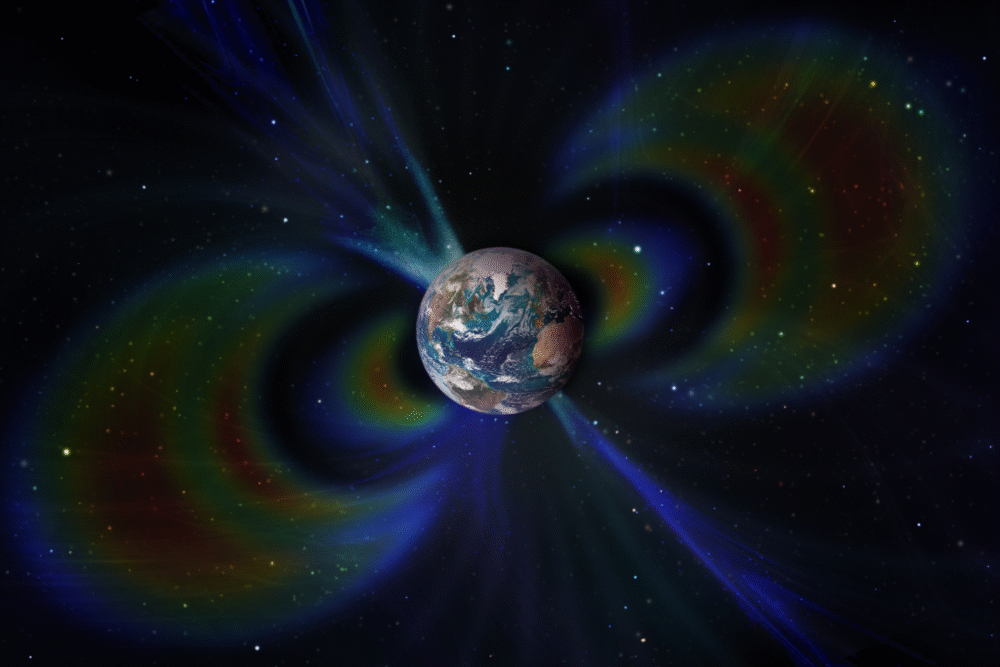
Sensitive instruments detect constant low-level vibrations moving through Earth’s crust. Once dismissed as meaningless background noise, these signals revealed repeating pulses over time.
Scientists found that ocean waves, atmospheric pressure, and Earth’s structure interact to create these rhythms. What once seemed random turned out to be another example of hidden order shaped by global forces.
9. Nature followed rules scientists hadn’t fully described yet

As examples accumulated, researchers realized the issue wasn’t nature behaving strangely. The problem was that existing frameworks were incomplete.
Many systems obey rules that only become visible when viewed across long timescales and large datasets. These discoveries have expanded how scientists think about predictability, complexity, and natural stability.
10. Order didn’t replace chaos, it coexisted with it

The emerging picture shows that randomness and structure exist together. Chaotic motion can still produce stable patterns when feedback loops are present.
Rather than overturning physics, these findings refine it. Nature isn’t defying expectations so much as revealing layers of organization that were always there, waiting for better tools and deeper observation.