
From carbon capture to fusion power, scientists are betting on innovation to slow a warming planet.

As climate change accelerates, researchers and engineers are racing to develop technologies that could help stabilize the planet’s future. From renewable energy breakthroughs to carbon-capture systems and AI-driven efficiency tools, a new generation of innovations is emerging to tackle the crisis. Many are already being tested at scale, offering hope that science and technology can still make a measurable impact — if they’re deployed fast enough to counter worsening global warming.
1. Direct Air Capture Pulls Carbon Straight From the Sky
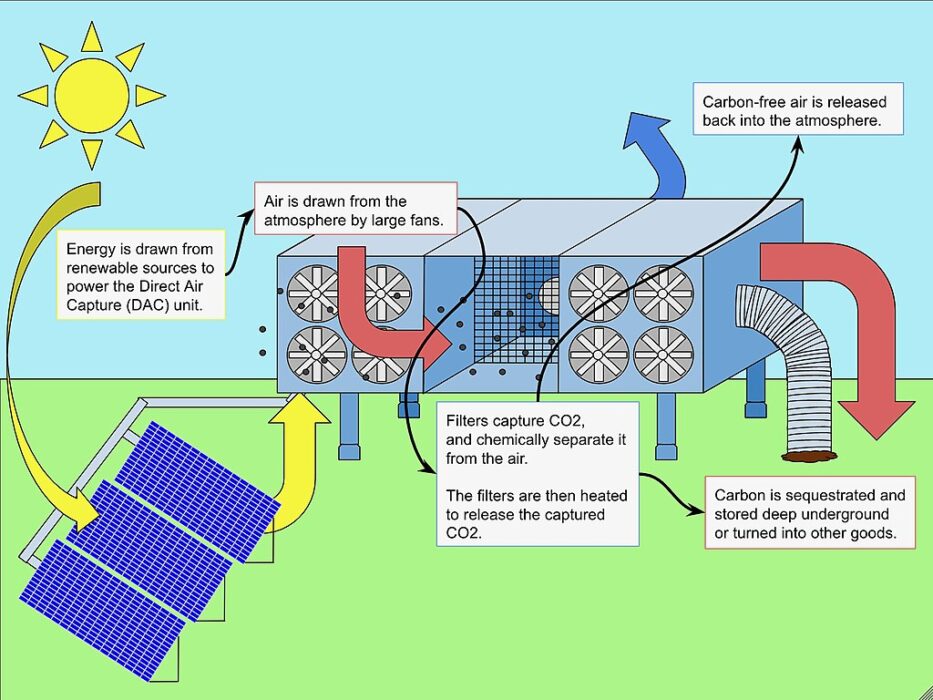
Direct air capture (DAC) systems use giant fans and chemical filters to remove carbon dioxide directly from the atmosphere. Once captured, the CO₂ can be stored underground or reused in products like concrete and fuel.
Companies such as Climeworks in Iceland and Carbon Engineering in Canada have already built large-scale facilities. While the technology remains expensive, experts say costs are expected to fall as efficiency improves and renewable energy powers the process, making DAC a promising tool for long-term climate mitigation.
2. Green Hydrogen Offers a Clean Energy Alternative
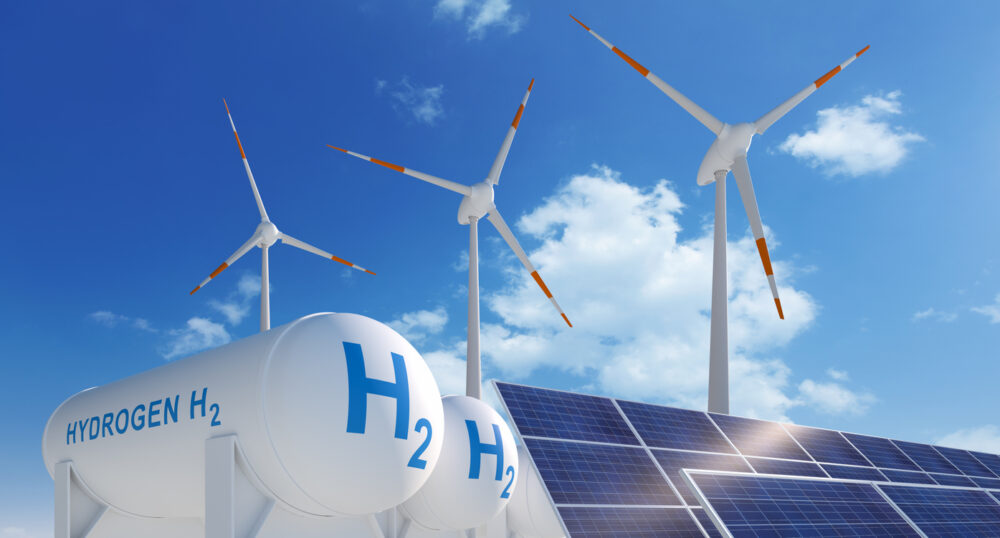
Hydrogen has long been seen as a potential clean fuel, but producing it has traditionally relied on fossil fuels. “Green hydrogen,” created through electrolysis powered by renewable energy, emits no carbon pollution and could replace fossil fuels in heavy industry and transportation.
Projects in Europe, the Middle East, and Australia are scaling up production rapidly. If costs continue to drop, green hydrogen could decarbonize sectors like steelmaking, shipping, and aviation—areas where direct electrification remains difficult.
3. Fusion Energy Nears Commercial Reality
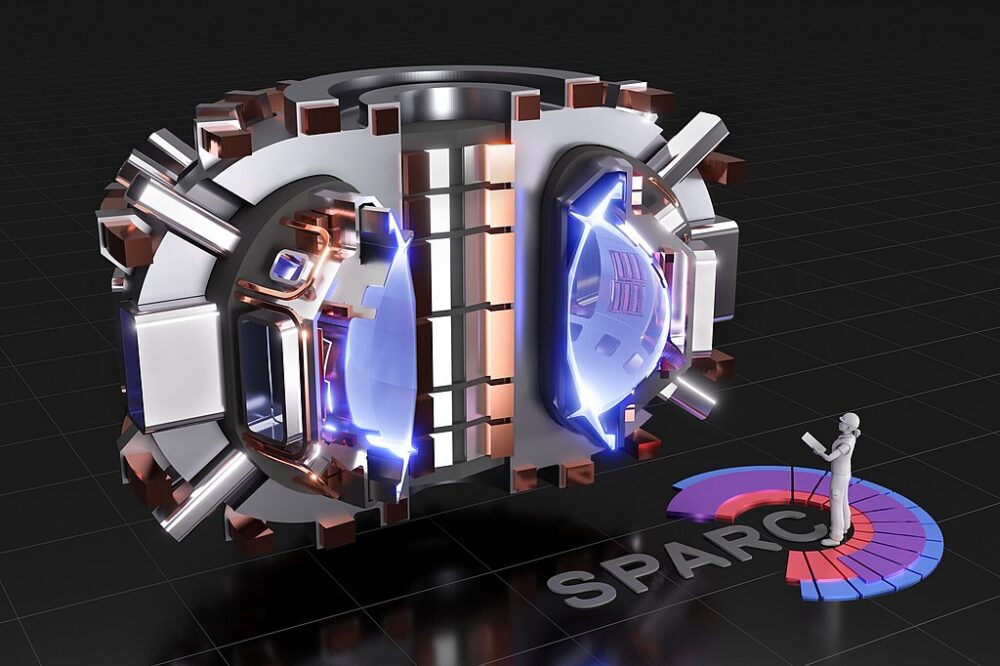
After decades of research, nuclear fusion—the process that powers the sun—is moving closer to practical use. Fusion generates massive amounts of energy by fusing hydrogen atoms, producing minimal waste and no greenhouse gases.
In 2022, scientists at Lawrence Livermore National Laboratory achieved “net energy gain” for the first time, marking a major milestone. Private companies like Commonwealth Fusion Systems and Helion are racing to commercialize reactors that could provide virtually limitless clean power within the next decade or two.
4. Advanced Nuclear Reactors Get Smaller and Safer

A new generation of nuclear power designs known as small modular reactors (SMRs) promise to deliver cleaner energy with lower cost and risk. Unlike traditional large plants, SMRs can be factory-built and assembled on-site, reducing construction time and waste.
Countries including the U.S., Canada, and the U.K. are testing prototype reactors that use advanced safety systems and non-water coolants. If successfully deployed, these smaller, more flexible reactors could provide reliable zero-emission energy for both cities and remote regions.
5. Renewable Energy Storage Breakthroughs Are Transforming Power Grids

Solar and wind power are now among the cheapest energy sources in history, but storing their energy remains a challenge. Advances in long-duration batteries, including iron-air and sodium-ion designs, are helping solve that problem.
New battery chemistries being developed by companies like Form Energy and CATL allow renewable power to be stored for days instead of hours. That reliability could make fully renewable power grids a practical reality, even when the sun isn’t shining or the wind isn’t blowing.
6. Smart Grids Make Energy Use More Efficient
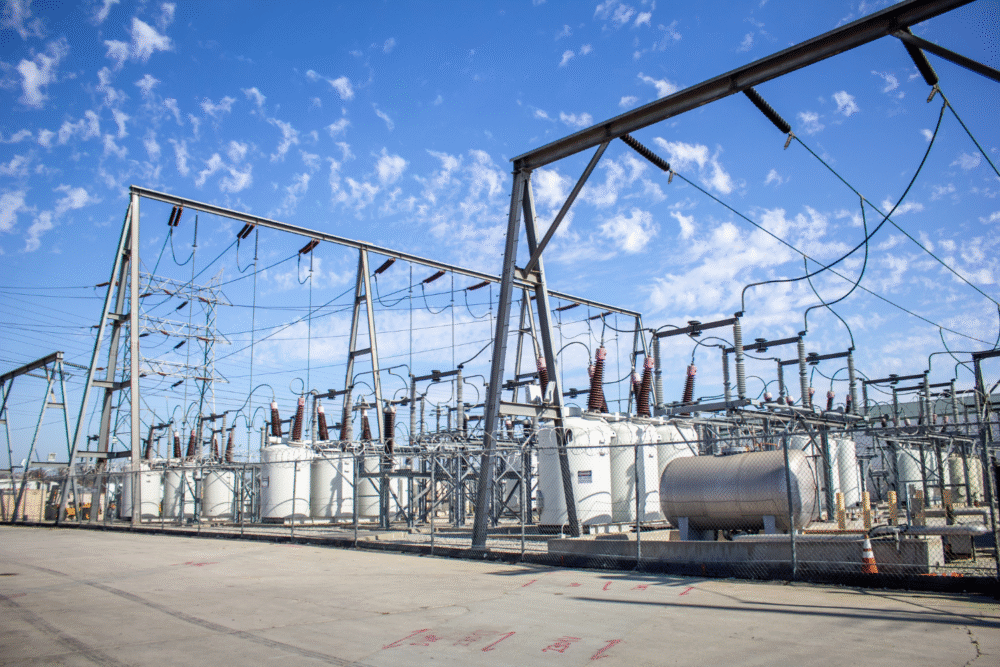
Smart grid systems use artificial intelligence, sensors, and real-time data to balance electricity demand and supply more efficiently. By automatically shifting energy where it’s needed most, they reduce waste and prevent blackouts.
Countries such as Denmark and Japan are already integrating smart-grid networks at scale, helping to lower emissions and stabilize renewable-heavy power systems. As electrification expands, smarter grids will be critical for managing everything from home energy use to charging fleets of electric vehicles.
7. Carbon-Neutral Concrete Could Reinvent Construction

Cement production accounts for roughly 8 percent of global CO₂ emissions, making it one of the dirtiest industries on Earth. Now, innovators are developing low-carbon and carbon-negative alternatives by injecting captured CO₂ into concrete or replacing limestone-based clinker with new materials.
Companies such as CarbonCure and Heidelberg Materials are already piloting carbon-neutral concrete at scale. These materials not only reduce emissions but can also lock carbon away for centuries, offering a major opportunity to decarbonize the built environment.
8. Precision Agriculture Reduces Emissions and Waste

Modern agriculture is a major source of greenhouse gases, but new tools are helping make farming more sustainable. Precision agriculture uses sensors, drones, and satellite data to optimize fertilizer use, irrigation, and crop rotation.
By tailoring inputs to real-time plant needs, farmers can cut emissions of nitrous oxide—a potent greenhouse gas—while improving yields. Combined with regenerative farming practices that restore soil carbon, these technologies are reshaping how food is grown in a warming world.
9. Ocean-Based Carbon Removal Targets the Planet’s Blue Frontier

Oceans absorb about one-quarter of human-made CO₂ emissions each year, and scientists are now exploring ways to enhance that natural ability safely. Techniques include growing kelp to sequester carbon and alkalinity enhancement to help oceans absorb more CO₂.
Organizations like Running Tide and Ocean Visions are testing small-scale trials while studying ecological risks. If proven effective and carefully regulated, ocean-based carbon removal could complement land-based strategies in balancing Earth’s carbon cycle.
10. Artificial Intelligence Accelerates Climate Solutions

AI is rapidly becoming a key tool in the fight against climate change. Machine learning models are improving weather forecasting, optimizing renewable energy production, and detecting methane leaks faster than humans can.
Researchers are also using AI to design new materials for batteries, track deforestation, and predict wildfire spread. By processing vast amounts of environmental data, AI can help scientists and policymakers make faster, smarter decisions to reduce global emissions and protect vulnerable ecosystems.