
What proposed efficiency and climate rules could mean for everyday appliances in your home.

A lot of “new appliance rules” aren’t outright bans; they’re efficiency standards that apply to what manufacturers can sell next. Still, the effect can feel similar: the models you’re used to buying may disappear, or get redesigned fast, even if your current one still works.
In the U.S., the Department of Energy has finalized or updated standards for major home equipment like water heaters, furnaces, and laundry machines, with compliance dates mostly landing in the late 2020s.
Add local building rules that limit gas hookups in some new construction, and it’s easy to see why shoppers are hearing “phase-out” rumors.
1. “Phased Out” Usually Means the Store Changes, Not Your Home
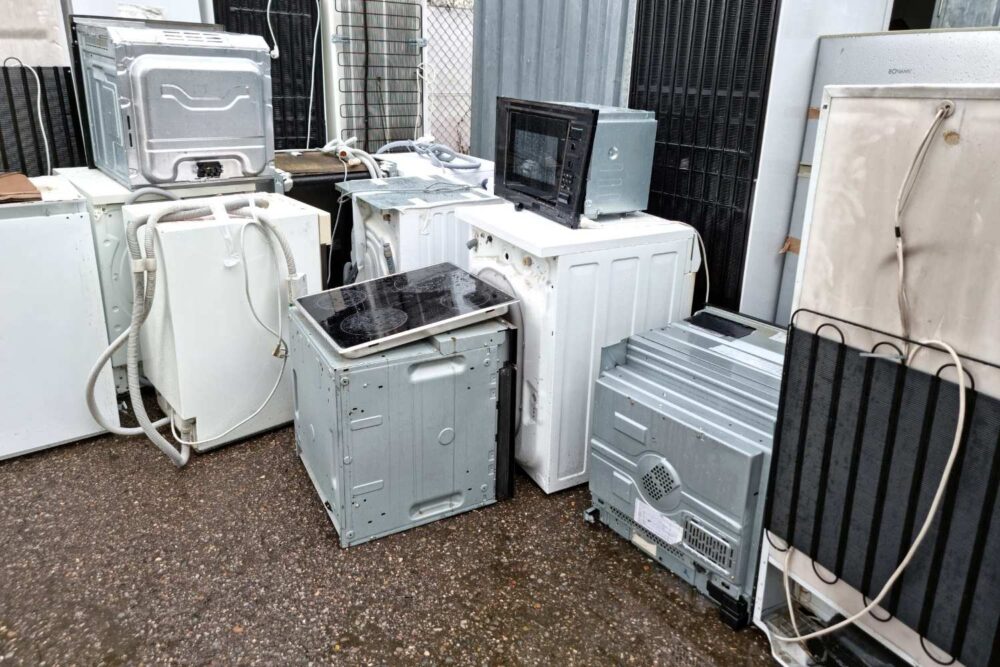
“Phased out” usually doesn’t mean agents show up to take your stove. Most appliance rules are minimum efficiency standards for new products, set years in advance, so manufacturers redesign what they sell.
That can feel like a phase-out because familiar cheap models disappear first, replaced by higher-efficiency designs. The appliance in your home is typically grandfathered in until it breaks. But when you shop again, the “same” category may come with new features, new price tiers, and fewer old-school options.
2. The Timeline Is the Trick: Rules Now, Changes Later

The timing is what makes this story confusing. Many big federal standards were finalized recently, but the compliance dates are later—often 2028 or 2029—because factories need time to retool and retailers need time to clear inventory.
So you can hear “new regulations” today while nothing changes at the store tomorrow. The shift tends to arrive quietly: fewer older models on shelves, more “new normal” models promoted as the standard choice. If you’re planning a remodel, the dates matter more than the headlines.
3. Furnaces: Higher Efficiency Becomes the Baseline

Home heating is one of the biggest energy uses in many houses, so furnace standards get attention. DOE finalized updated efficiency standards for many residential gas furnaces, including a 95% AFUE requirement for common non-weatherized models, with compliance beginning in late 2028.
That doesn’t ban gas heat, but it can shrink the market for lower-efficiency furnaces and push manufacturers toward condensing designs. For some homes, that also means checking venting, drainage, and installation details sooner rather than later.
4. Washers: The Cheapest, Most Wasteful Models Get Squeezed

Laundry is another quiet target because the savings add up across millions of homes. DOE finalized new standards for residential clothes washers, with compliance required starting March 1, 2028.
For shoppers, the “phase-out” effect may look like fewer water-hungry, energy-wasteful models—especially at the lowest price points. The tradeoff is that newer designs can have different cycle times, temperature controls, and sensing features. It’s worth reading the EnergyGuide label and checking real-world capacity, not just the marketing name.
5. Dryers: Efficiency Rules Can Also Improve Performance

Dryers are also in the spotlight because they’re pure energy users—basically big heaters with a fan. DOE finalized new standards for residential clothes dryers, also with compliance starting March 1, 2028.
That doesn’t mean every dryer becomes a heat-pump dryer overnight, but it does nudge the market toward higher-efficiency options and better sensors. If you’ve ever owned a dryer that “cooked” clothes because it couldn’t detect dryness well, you’ve seen why regulators focus here: efficiency often overlaps with performance.
6. Water Heaters: The Quiet Appliance Getting the Biggest Push
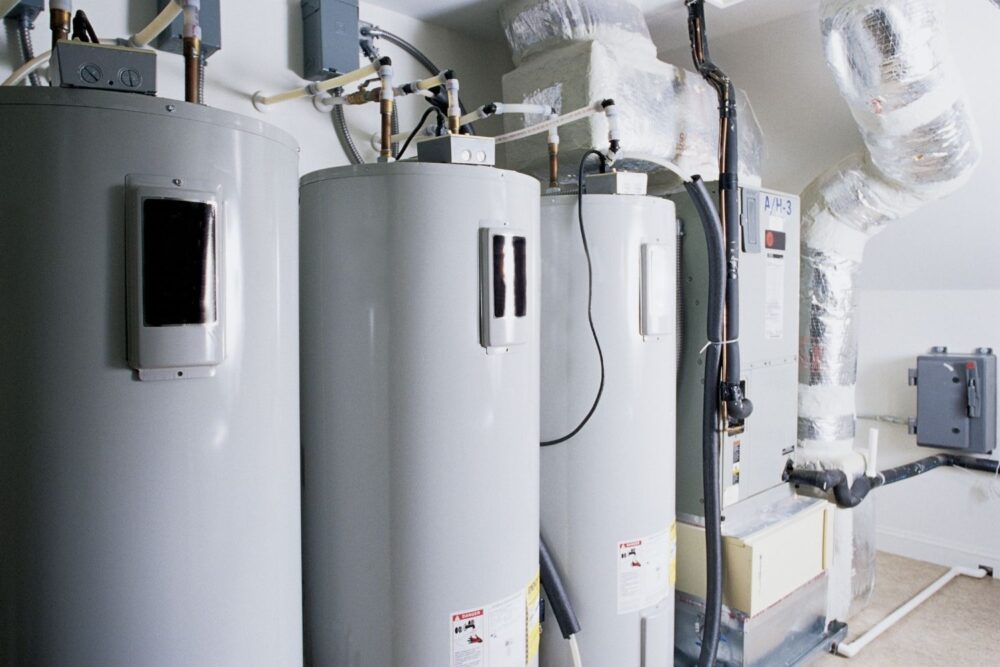
Water heaters are a big target because they run often and quietly drive utility bills. DOE finalized new efficiency standards in 2024, and for common electric storage sizes, the most straightforward way to meet them is heat-pump technology rather than traditional resistance heating.
These rules don’t rip out your current heater. They set minimum efficiency for new units sold later, with federal compliance for the updated standards beginning in 2029.
The practical “phase-out” is about what’s available: over time, plain resistance models may be rarer, while heat-pump units with different sizing and venting needs become the default choice.
7. Gas Appliances: Local Building Codes Can Change “Default” Installations

Gas water heaters aren’t “banned” nationally, but the policy pressure is real. Some cities and states have tried to limit gas hookups or gas appliances in new buildings, and those efforts have triggered legal battles, including cases tied to federal preemption arguments.
For consumers, this matters most when you’re building or buying new construction. Your existing gas appliances usually aren’t affected, but the local code in a specific city can shape what gets installed by default—and what contractors keep in stock.
8. Stoves and Ovens: The Rumors Travel Faster Than the Rules
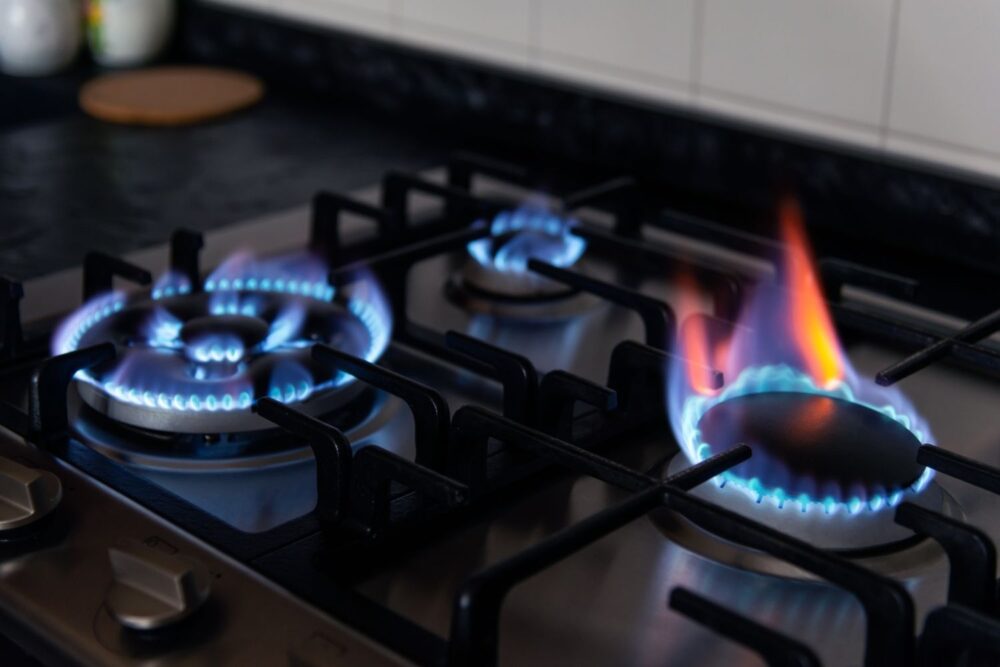
Cooking appliances create the loudest rumors. Federal rules do exist for ranges and ovens, but the biggest immediate changes tend to come from local building policies and market trends—like more induction options and better electric performance.
The key is separating “you must replace” from “new builds may differ.” Most proposals focus on future sales or new construction, not forcing replacements. If you love cooking on gas, the practical risk is long-term: fewer entry-level models, more premium pricing, and more electric alternatives showcased as the default.
9. HVAC Changes You Might Notice: It’s Often About Refrigerants

Another change many people notice isn’t the appliance—it’s the refrigerant inside cooling equipment. Separate from DOE appliance standards, U.S. rules are moving the market toward lower-global-warming refrigerants in new air conditioners and heat pumps.
That doesn’t mean your current system is illegal. It means the next generation may use different refrigerants, require updated servicing practices, and sometimes new equipment compatibility. If you’re replacing HVAC in the next few years, ask installers what refrigerant family the system uses and how that affects long-term service.
10. How to Shop Smart Without Panicking

If you’re trying to “future-proof” purchases, focus on the boring paperwork. The EnergyGuide label (and ENERGY STAR when available) helps you compare models, but pay attention to the dates on standards and the model’s efficiency metrics.
Also ask one practical question: is this a design that many brands can service, or a niche model that only one technician understands? Check warranty length, parts availability, and whether your installer can support it. Regulations may reshape catalogs, but repairability decides whether the upgrade feels like progress—or a headache.
11. The Best Strategy: Plan for Replacement, Don’t Rush It’

The most important reassurance: these rules are mainly about what gets manufactured and sold in the future, not about policing what you already own. In most cases, you can keep using your current appliances until they fail.
The smart move is planning, not panic. If a major appliance is near end-of-life, start learning the new options now, heat-pump water heaters, high-efficiency furnaces, induction ranges, so you’re not forced into a rushed decision during an emergency replacement. Knowledge is the real consumer advantage here.