
A look at the U.S. states where brutal temperatures, fierce wind chills, and extreme winters are the norm.
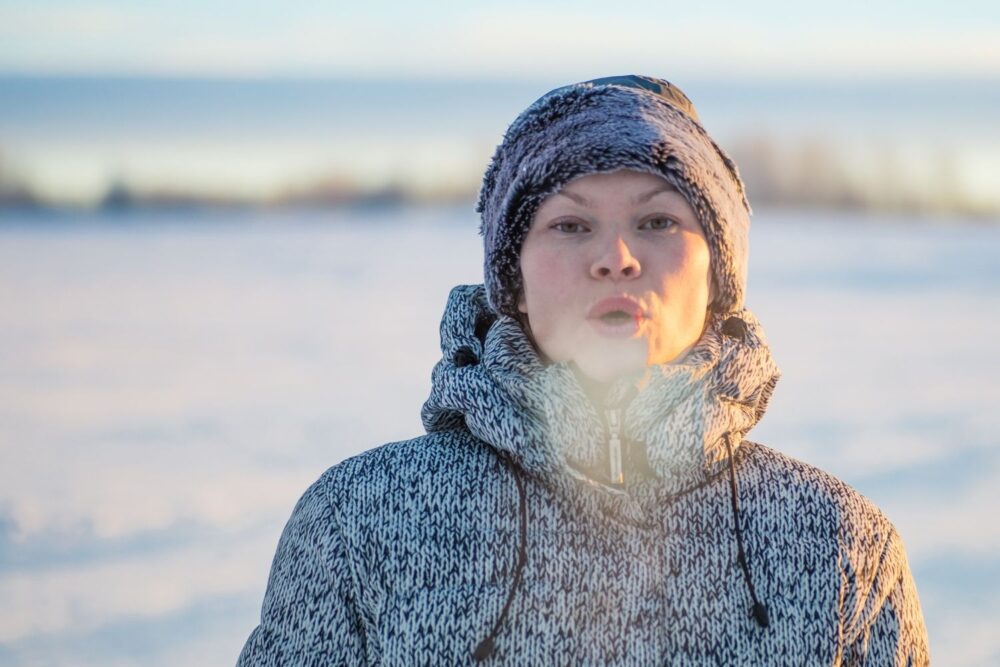
The coldest states in the U.S. don’t just dip below freezing—they stay there for long stretches, often facing dangerous wind chills, subzero nights, and snow seasons that last well into spring. Many of these regions sit at high latitudes or elevations where Arctic air routinely settles, creating dramatic winter conditions. From record-shattering lows to months of ice-covered landscapes, these states experience cold on a level most Americans never feel.
1. In Alaska, Daily Life Means Confronting America’s Harshest Cold
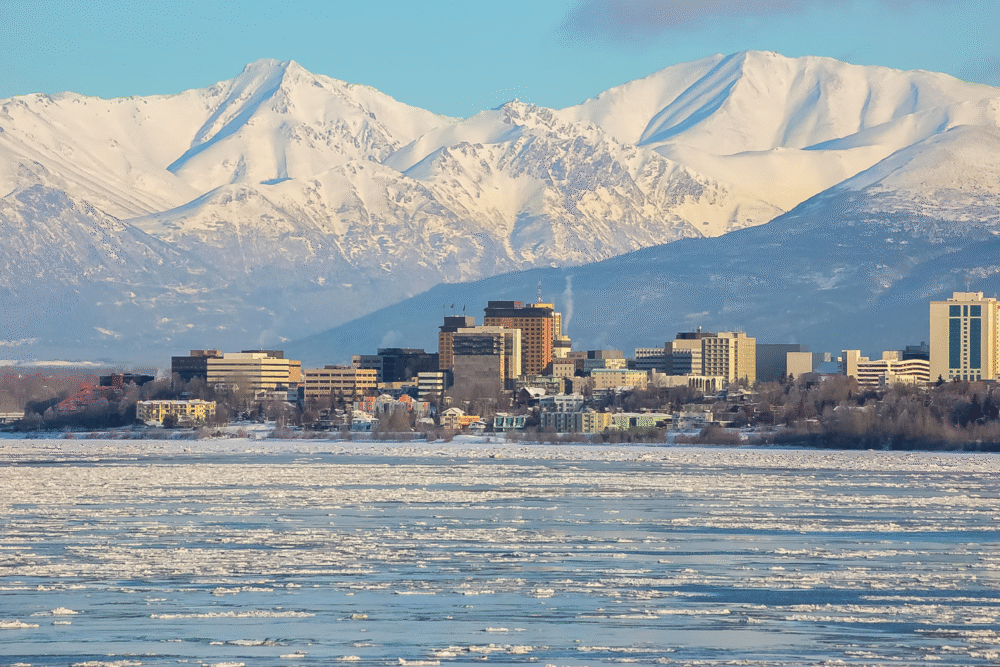
Alaska stands as the nation’s coldest state, with temperatures staying below freezing for much of the year. Interior regions like Fairbanks often reach –30°F, and the state holds the U.S. record low of –80°F. Its far-northern latitude and long stretches of winter darkness create a climate where extreme cold is expected rather than exceptional.
Snow may cover the ground for more than half the year, and communities learn to manage blizzards, ice fog, and dangerously low wind chills. These conditions influence transportation, outdoor work, and local routines, making winter preparedness a central part of life.
2. Winter Culture Runs Deep in Minnesota Thanks to Its Subzero Seasons
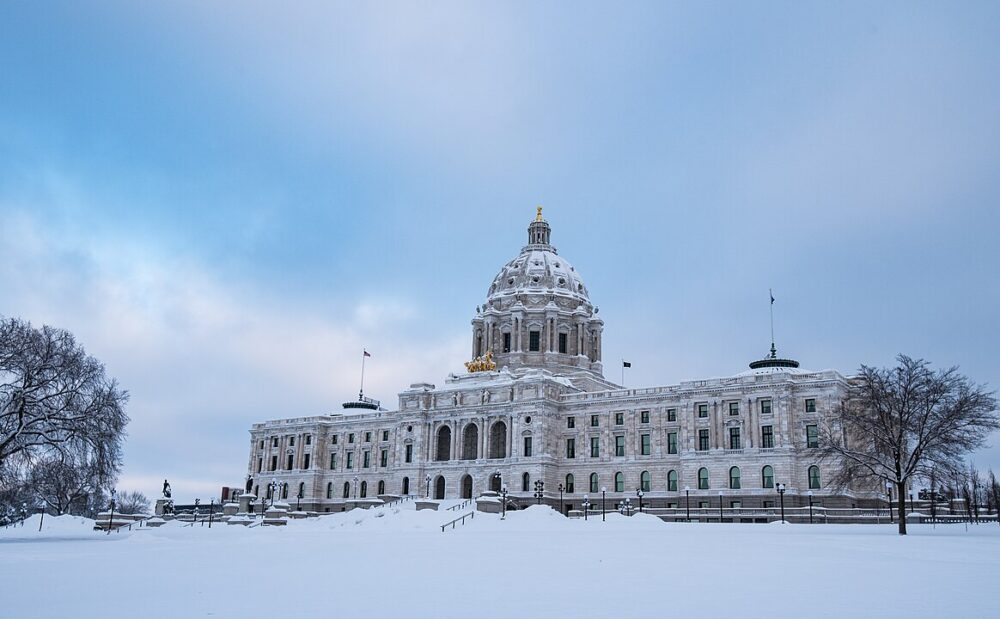
Minnesota consistently ranks among the coldest states due to its northern position and frequent exposure to Arctic air masses. Winter temperatures often fall below zero, especially in areas near International Falls. These deep freezes return year after year, creating a predictable pattern that shapes local expectations and traditions.
The state’s “Nation’s Icebox” reputation stems from long cold snaps, intense wind chills, and steady snowfall. Frozen lakes support a seasonal culture built around ice fishing, sledding, and winter sports. Daily life, travel, and recreation adapt to the months-long grip of freezing temperatures.
3. North Dakota’s Flat Plains Intensify Its Fierce Winter Freezes
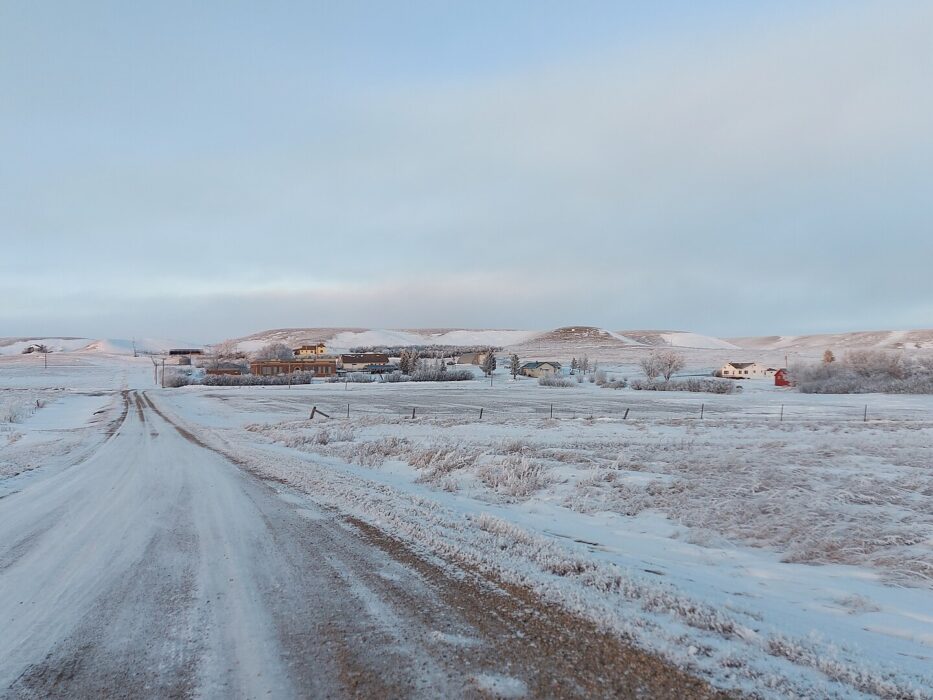
North Dakota regularly posts some of the coldest winter temperatures in the continental United States. Its flat prairies allow Arctic air to sweep across the landscape with little resistance, pushing temperatures toward or below zero for extended periods. These conditions combine to make winter especially severe across the state.
Strong winds amplify the cold, producing wind chills far below actual air temperatures. Whiteout storms can develop quickly, and freezing conditions often linger for days. Residents adapt by preparing for sudden weather changes and ensuring they have the right gear and resources for long cold spells.
4. Maine’s Northern Latitude Keeps Winters Long and Bitterly Cold
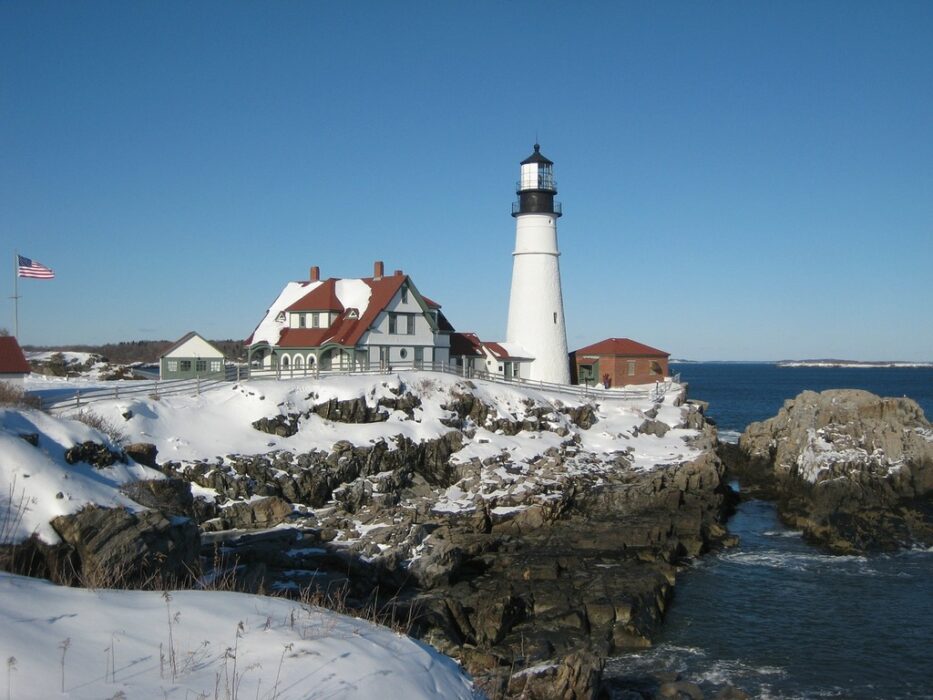
Maine experiences prolonged winters with temperatures that routinely fall below freezing. Northern regions frequently drop into subzero territory during the coldest months, reflecting both the state’s high latitude and its exposure to Arctic air. These long, frigid periods shape everything from transportation to recreation.
Snowfall is abundant, with some areas exceeding 100 inches annually. Coastal regions can face powerful nor’easters that mix heavy snow with strong winds, while inland counties experience persistent dry cold. This combination of snow, storms, and low temperatures makes Maine’s winters some of the most demanding in the nation.
5. High-Elevation Landscapes Push Wyoming Toward Persistent Winter Cold
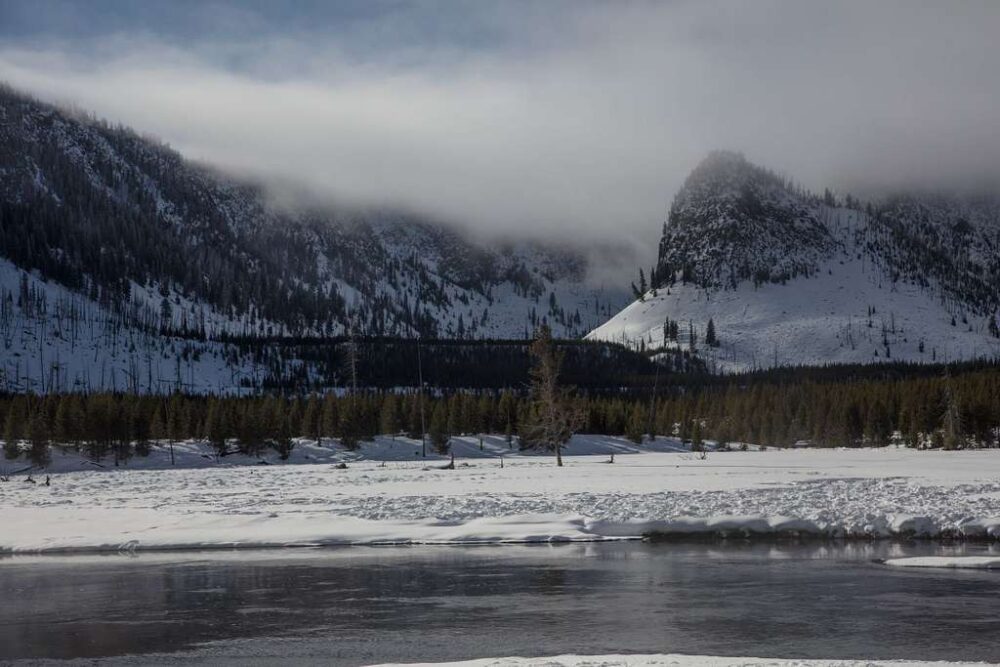
Wyoming ranks among America’s coldest states largely because much of it sits at a high elevation. Cold air settles into mountain basins and valleys, driving overnight lows far below freezing. These patterns make frigid temperatures a regular part of life even outside peak winter months.
Winter storms can be severe, especially in areas influenced by the Rocky Mountains. Yellowstone and other high-altitude regions often experience subzero stretches, while lower elevations still face long periods of freezing weather. Snow and ice linger well into spring, reinforcing Wyoming’s reputation for rugged, cold-dominated winters.
6. Wide Plains and Northern Exposure Leave Montana Vulnerable to Arctic Blasts
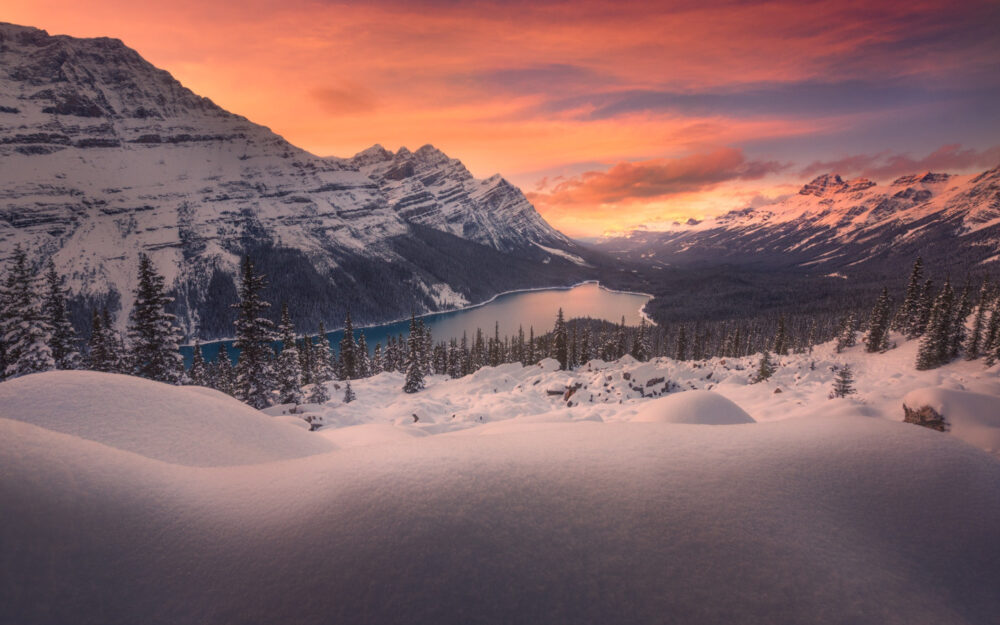
Montana’s expansive prairies and northern position make it highly susceptible to Arctic air outbreaks. Winter temperatures frequently fall below zero, especially in central and eastern parts of the state. These sharp drops in temperature can last for days, creating some of the most intense cold spells in the lower 48.
Heavy snowfall and strong winds often accompany Montana’s winter storms. Mountain regions endure exceptionally cold nights due to elevation and shifting air masses, while the plains face rapid temperature swings. Together, these conditions produce a winter season known for its extremes.
7. Deep Seasonal Cold Defines Much of Vermont’s Winter Experience
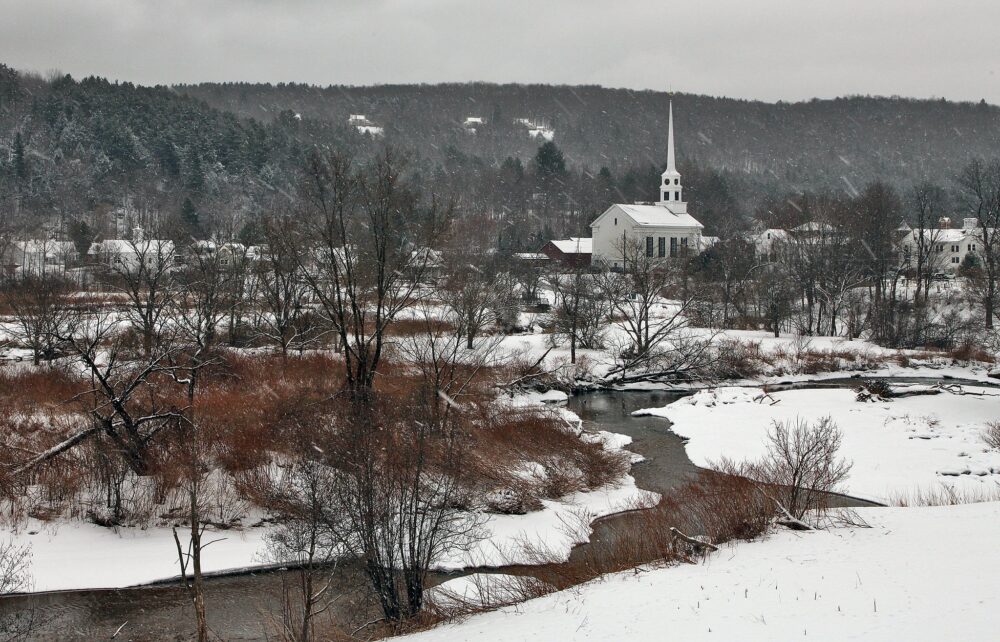
Vermont earns its place among the nation’s coldest states through long periods of freezing temperatures and frequent winter storms. Average winter days remain well below freezing, and northern latitude contributes to early sunsets and extended nighttime cold. These factors shape the state’s winter character year after year.
Mountainous terrain enhances snowfall totals and strengthens cold patterns. While the climate supports a thriving ski industry, it also brings icy roads, deep snowpack, and long months of frigid weather. Residents adapt to these conditions with winter-ready homes, vehicles, and traditions built around cold-season living.
8. Months of Ice and Snow Keep Wisconsin Firmly in the Cold-Weather Rankings
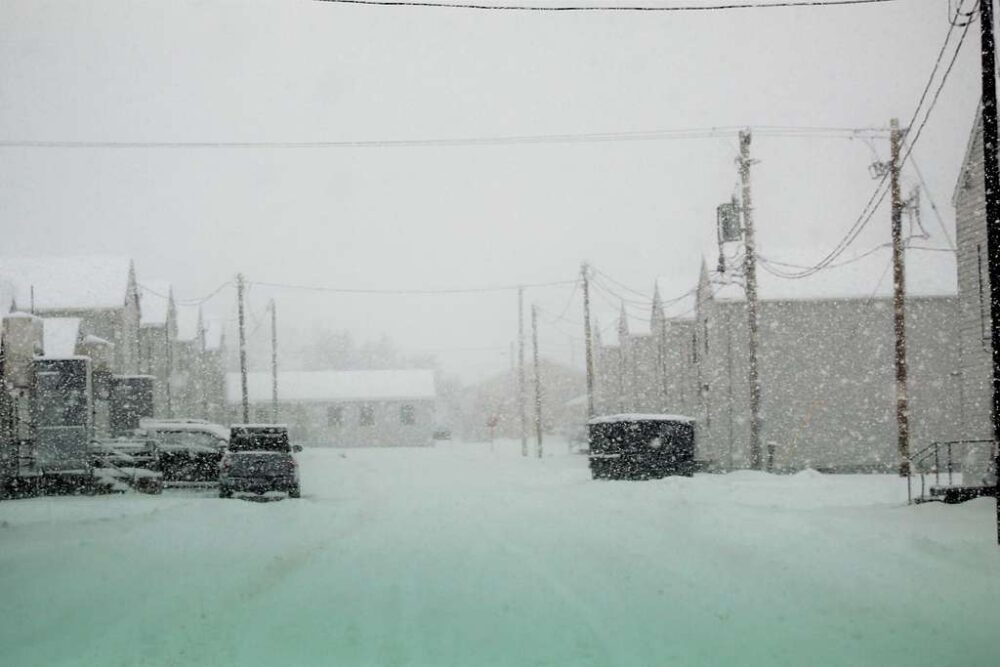
Wisconsin experiences sustained winter cold driven by Arctic air systems that push temperatures far below freezing. Northern counties often see subzero lows multiple times during the season, creating long, harsh stretches of winter weather. These conditions influence everything from travel to daily routines.
Snowfall is heavy in regions near Lake Superior, where lake-effect snow produces rapid, intense bursts. Ice forms early on lakes and rivers and often remains into spring. Strong winds during storms create dangerous wind chills, reinforcing Wisconsin’s reputation as one of America’s consistently cold states.
9. Mountain Valleys Help Intensify Idaho’s Bitterest Winter Temperatures
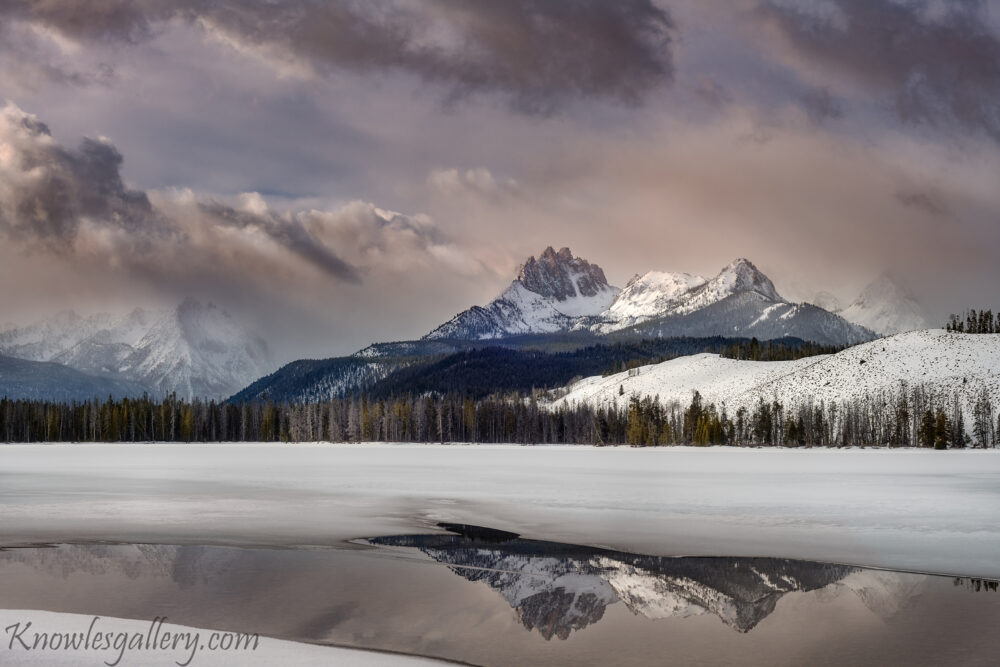
Idaho’s coldest conditions frequently develop in high-altitude valleys where dense, frigid air settles overnight. Towns like Stanley have recorded some of the lowest temperatures in the continental United States. These pockets of extreme cold create long, unforgiving winter stretches.
Mountain regions see heavy snowfall and prolonged freezing weather, while lower elevations still experience steady winter chill. Snowpack, icy roads, and subfreezing nights shape daily life across much of the state. Idaho’s combination of elevation and geography ensures winter remains a dominant force every year.
10. Lake-Effect Storms and Arctic Winds Make Michigan’s Winters Especially Harsh
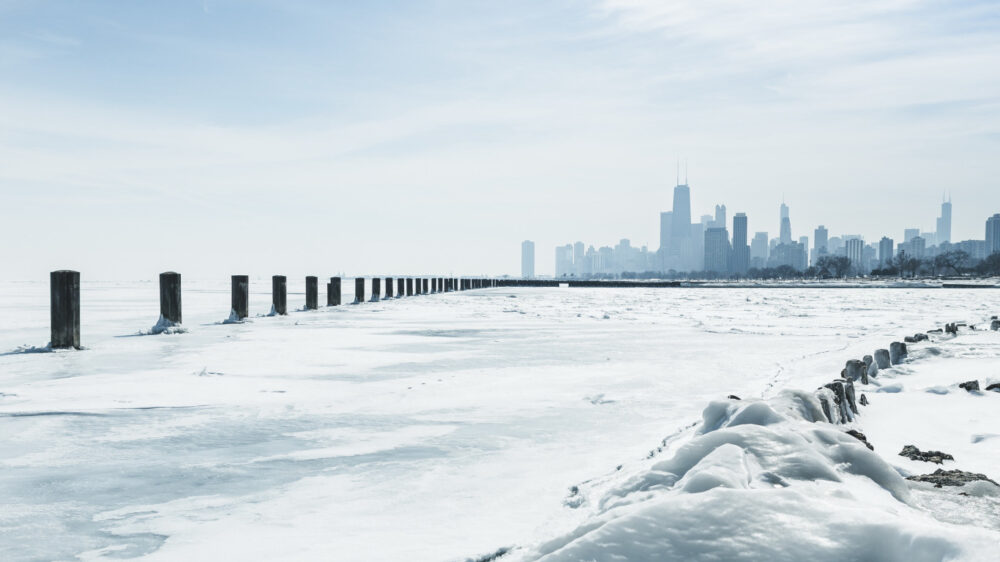
Michigan faces intense winter weather, particularly in the Upper Peninsula where temperatures often fall below zero. Arctic air masses sweeping across the Great Lakes magnify the cold, creating some of the region’s most challenging winter days. These patterns return annually, shaping the state’s climate.
Lake-effect snow is one of Michigan’s signature winter features, producing heavy, localized snowfall along Lake Michigan and Lake Superior. Strong winds add to the chill, and long winter seasons keep snow and ice in place for months. These combined forces place Michigan high among America’s coldest states.