
How innovation, influence, and lasting impact defined guitar greatness.
Ask ten music fans to name the greatest guitarist of all time and you’ll likely get ten different answers. That debate has been raging for decades—and it’s part of what makes guitar culture so endlessly fascinating.
This list isn’t about record sales or who plays the fastest solo. It’s about influence, originality, and the players whose ideas quietly reshaped how music is written, recorded, and played—often without listeners realizing it.
Some names will feel obvious, others might spark debate. But every guitarist here left a lasting mark that still echoes through modern music, whether through a signature riff, a groundbreaking sound, or a new way of thinking about the instrument.
1. Jimmy Page turned the studio into an instrument
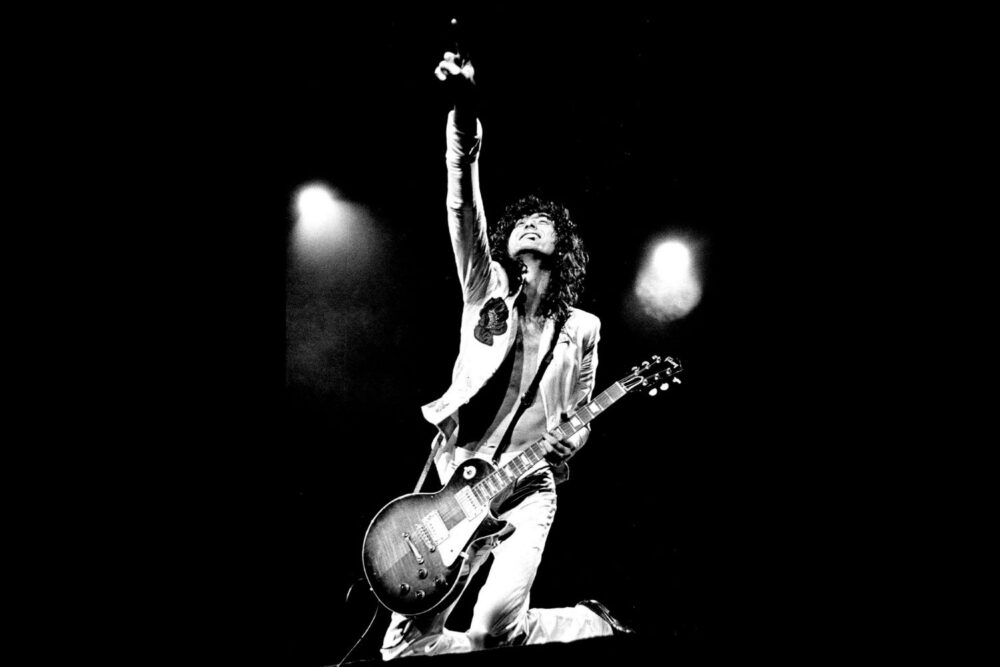
With Jimmy Page, guitar greatness wasn’t just about live performance—it was about sound design. His layered recordings, alternate tunings, and genre-blending approach reshaped what rock albums could be.
Page’s riffs remain some of the most recognizable in music history. But it’s his imagination behind the scenes that cemented his legacy, influencing generations of players who think beyond the fretboard.
2. Jimi Hendrix rewrote the rules without asking permission

Hendrix didn’t just play the guitar—he exploded its possibilities. Using feedback, distortion, and effects as expressive tools, he turned noise into emotion and chaos into control. What sounded wild at the time became the foundation of modern rock guitar.
Even decades later, players still chase his feel and imagination. His influence isn’t about copying licks—it’s about freedom, experimentation, and the courage to push an instrument far beyond what anyone thought it could do.
3. Stevie Ray Vaughan rocked the blues guitar

Stevie Ray Vaughan dragged the blues back into the spotlight with sheer force. His playing blended Texas grit, deep tradition, and blistering technique, sounding both old-school and urgent in a way few players had managed before. It felt rooted in history but impossible to ignore.
Every performance felt risky and alive, as if the song could fall apart or catch fire at any moment. That tension became part of his signature and made live shows unforgettable.
Vaughan didn’t revive the blues by polishing it. He revived it by playing louder, harder, and with so much emotion that a new generation had no choice but to listen.
4. Chuck Berry gave rock guitar its voice
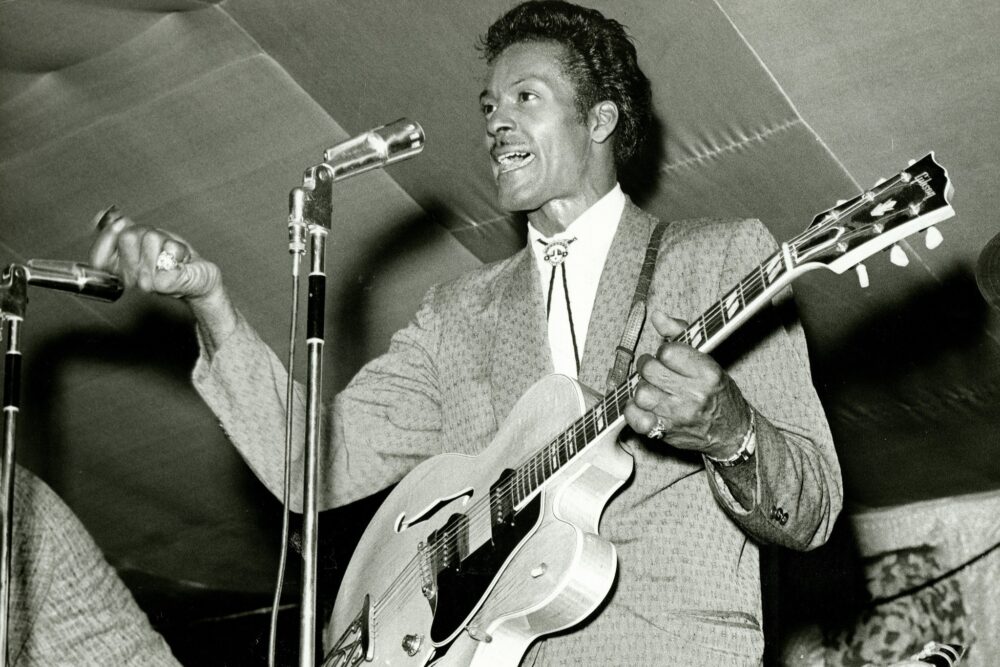
Chuck Berry laid the blueprint that countless rock guitarists followed. His riffs were catchy, rhythmic, and instantly memorable—designed to move bodies as much as minds.
Berry’s influence is everywhere, even when it goes unnoticed. From stage presence to song structure, his approach shaped early rock and continues to echo through modern music in subtle but undeniable ways.
5. For Eric Clapton, a slow hand mattered as much as speed

Eric Clapton built a career on tone, touch, and emotional clarity rather than flash. Whether with Cream, Derek and the Dominos, or as a solo artist, his playing always served the song first.
Clapton helped bring blues guitar into the mainstream, shaping how rock musicians approached phrasing and feel. His influence shows up whenever a guitarist chooses simplicity and soul over sheer technical display.
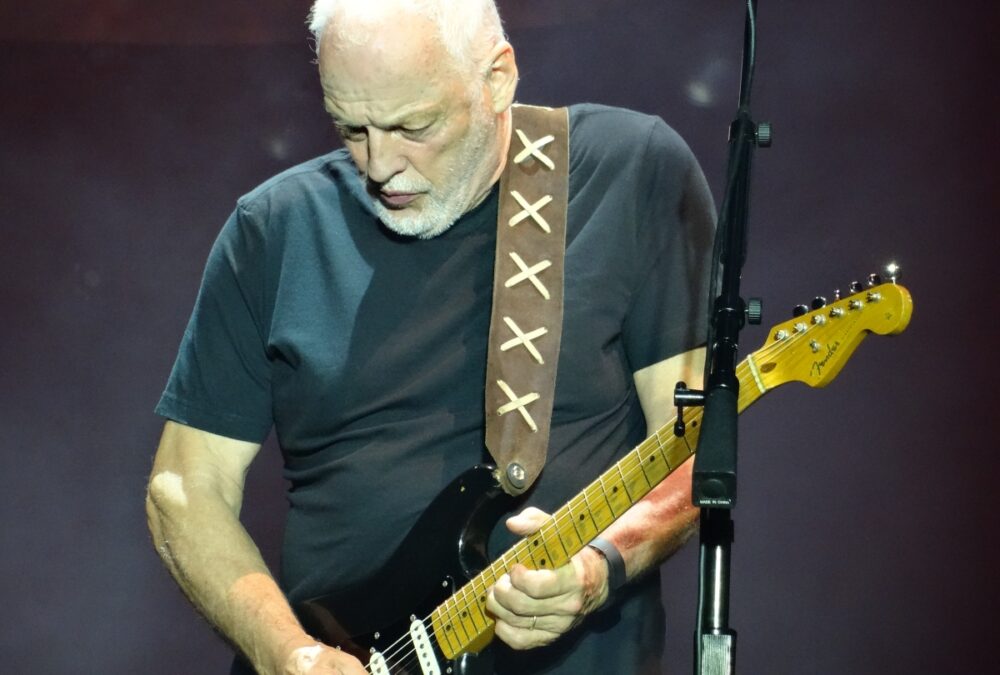
6. David Gilmour injected complex trippy emotion

David Gilmour showed that emotion often beats complexity. His solos feel slow, deliberate, and deeply human, leaving space for each note to breathe and land.
Rather than overwhelm listeners, Gilmour pulls them in. His style reminds players that phrasing, tone, and timing can be more powerful than speed—an approach that still resonates across genres today.
7. Eddie Van Halen changed how rock guitar was played
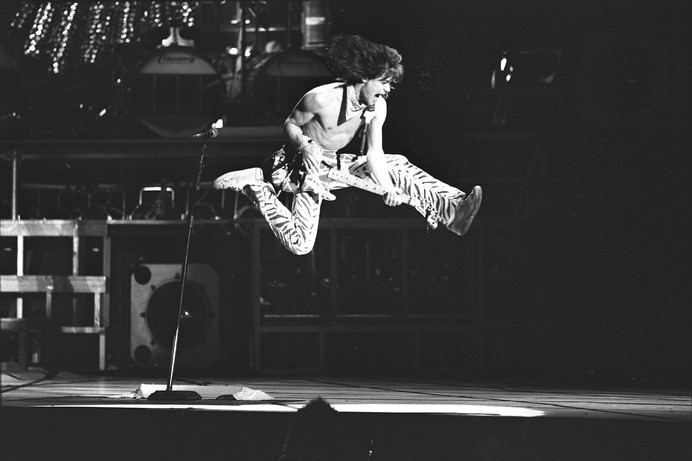
Eddie Van Halen didn’t just inspire guitarists—he forced them to rethink technique entirely. His tapping, tone, and sense of fun reset expectations almost overnight.
What made him special wasn’t just speed or innovation. It was joy. Van Halen made the guitar feel exciting again, opening the door for a new era of rock and metal players.
8. B.B. King showed that one note could tell a story
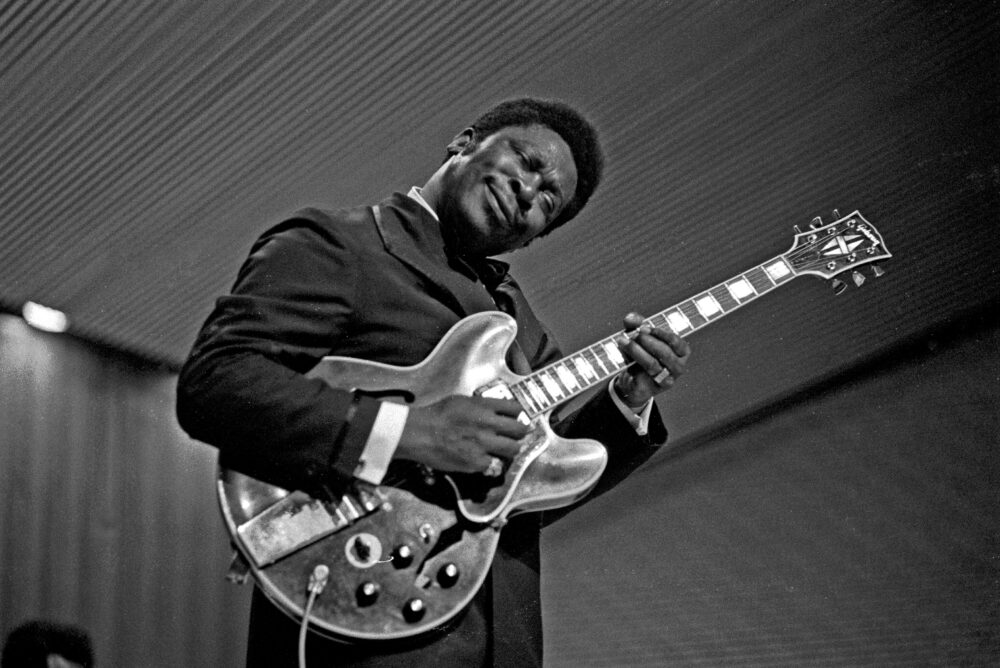
B.B. King rarely played fast, but every bend spoke volumes. His phrasing mimicked the human voice, turning the guitar into a tool for conversation rather than competition.
King’s influence lives in feel, not flash. He taught generations of players that emotion, vibrato, and timing could be more powerful than any technical flourish.
9. Prince diversified beyond one musical lane

Prince blended rock, funk, pop, and soul with fearless confidence. His guitar work often surprised listeners, cutting through songs with sharp, expressive solos.
What made Prince unforgettable was versatility. He could shred when needed, then disappear into the groove—reminding everyone that great guitar playing doesn’t need to announce itself to be brilliant.
10. Carlos Santana made melody the main event

Carlos Santana fused Latin rhythms with blues-rock phrasing to create a voice instantly his own. His sustain-heavy tone feels warm, vocal, and deeply emotional.
Santana’s solos don’t rush—they linger. By prioritizing melody and feel, he showed that guitar greatness can cross cultures, generations, and genres without losing its emotional core.