
New therapies are changing the way hospitals approach healing.

Modern healthcare is expanding beyond conventional treatments. While medications and surgeries remain the foundation of hospital care, alternative therapies are gaining traction as powerful tools for pain relief, stress management, and recovery.
Acupuncture, meditation, and even music therapy are proving to be more than just wellness trends—they are now backed by research and actively used in medical settings. These therapies don’t replace traditional medicine but work alongside it, giving patients a more holistic healing experience.
Whether it’s hands-on treatments like massage therapy or energy-based practices like Reiki, hospitals are beginning to see that true healing involves both the body and mind. Across the country, alternative medicine is transforming patient care and redefining what it means to heal.
1. Acupuncture offers pain relief without medication dependence.

Thin needles placed on specific points of the body might seem unconventional, but hospitals are using this ancient practice to manage pain, ease nausea, and support post-surgical recovery, according to Johns Hopkins. Acupuncture stimulates the release of endorphins, the body’s natural painkillers, while also improving circulation and reducing inflammation.
Patients recovering from surgery or undergoing chemotherapy often turn to acupuncture for relief. Unlike opioids, which come with risks of dependency and side effects, this technique provides pain management without additional health concerns. Many hospitals have adopted acupuncture as part of their pain management programs, recognizing its potential to improve patient outcomes in a safe and natural way.
2. Hospitals are turning to music therapy to support emotional and physical healing.

Songs and melodies are becoming part of hospital treatment plans, offering more than just entertainment. Music therapy helps lower cortisol levels, slow heart rates, and create a sense of calm. The National Library of Medicine credits this practice for being especially useful for patients dealing with stress or chronic illness.
Certified music therapists tailor sessions based on individual needs, using instruments, singing, or calming soundscapes to ease anxiety and pain. Hospitals are implementing these programs in intensive care units, cancer treatment centers, and rehabilitation facilities, helping patients find comfort during difficult treatments. Scientific studies continue to confirm that music isn’t just uplifting—it actively supports the healing process.
3. Mental clarity and pain control are improving with meditation programs.

Hospitals are introducing guided meditation and mindfulness practices to help patients stay present and manage discomfort. Research done by the Mayo Clinic shows that focusing on the breath and calming the mind can reduce stress, improve sleep, and even enhance pain tolerance.
For individuals with chronic conditions, mindfulness provides a sense of control over symptoms that might otherwise feel overwhelming. Medical professionals are increasingly recommending meditation as part of a well-rounded recovery plan, helping patients navigate physical and emotional challenges with greater ease.
4. Reiki brings comfort to patients in high-stress hospital settings.
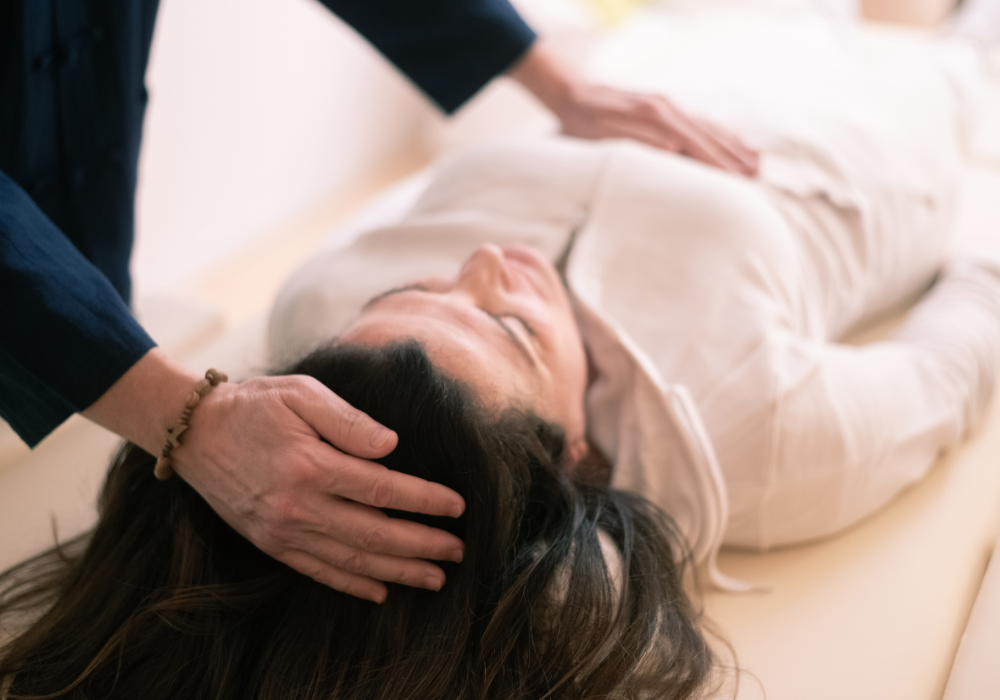
Soothing touch and energy-based healing are now being explored in hospital settings. Reiki, a Japanese technique that involves gentle hand placements, aims to balance the body’s energy and promote relaxation. Patients often report feeling calmer and more at ease after a session, even if they were skeptical at first.
Hospitals are integrating Reiki into cancer treatment centers, maternity wards, and palliative care programs. While some medical professionals remain cautious about its mechanisms, the therapy has gained traction due to overwhelmingly positive patient experiences. Many believe that even if Reiki’s effects are partially psychological, the relaxation and emotional relief it provides are reason enough to keep it in hospital care.
5. Pain symptoms are easing with the help of aromatherapy.
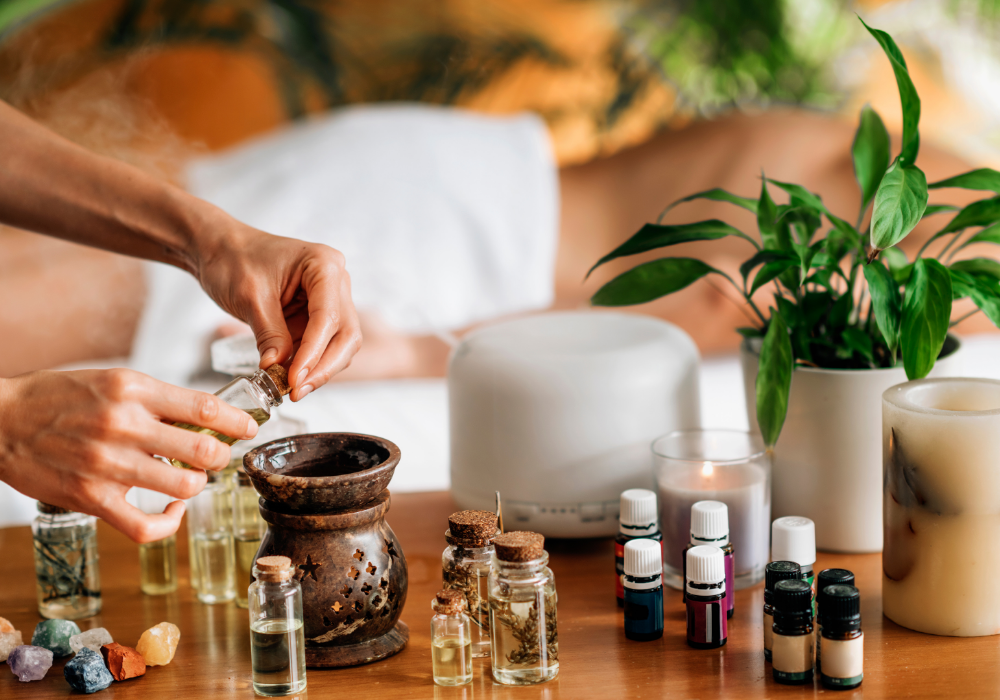
Scents have a direct impact on emotions and physical well-being, making aromatherapy a natural fit for hospital environments. Essential oils like lavender, peppermint, and eucalyptus are being used to help patients relax, relieve headaches, and even manage nausea.
Post-surgical patients, chemotherapy recipients, and those in labor benefit from aromatherapy’s ability to reduce stress and promote a more comfortable healing experience. With no major side effects and easy integration into hospital care, this simple therapy is proving to be a valuable tool in patient recovery.
6. Massage therapy is speeding up healing and reducing tension.

Tension and restricted blood flow can slow recovery, which is why hospitals are incorporating massage therapy into patient care. Therapeutic touch improves circulation, relieves muscle stiffness, and reduces stress, making it particularly beneficial for those recovering from surgery or chronic pain conditions.
Bedside massages are now being offered in palliative care and intensive care units, where comfort and relaxation play a crucial role in patient well-being. Research links massage therapy to reduced cortisol levels and improved immune function, strengthening its case as a necessary part of holistic hospital care.
7. Comfort and companionship are making a difference through therapy animal programs.

Visits from therapy animals are helping patients cope with the emotional strain of hospitalization. Dogs, and in some cases even miniature horses, are providing companionship to individuals recovering from illness, surgery, or long-term treatments.
Studies show that interacting with animals can lower blood pressure, increase serotonin levels, and reduce anxiety. For children, seniors, and patients in rehabilitation, pet therapy brings a sense of normalcy and comfort, reminding them that healing isn’t just physical—it’s emotional too.
8. Yoga is helping patients regain mobility and manage pain.

Hospitals are turning to yoga as a rehabilitation tool, offering structured programs to help patients rebuild strength and flexibility. Gentle movement, deep breathing, and mindfulness work together to improve mobility while reducing pain and stiffness.
Individuals recovering from injuries, surgeries, or chronic illnesses like arthritis benefit from adapted yoga sessions tailored to medical needs. By focusing on controlled movements and proper alignment, these programs ensure that patients can regain strength without risking further strain or injury.
9. Regulating sleep and mood disorders has become easier with light therapy.
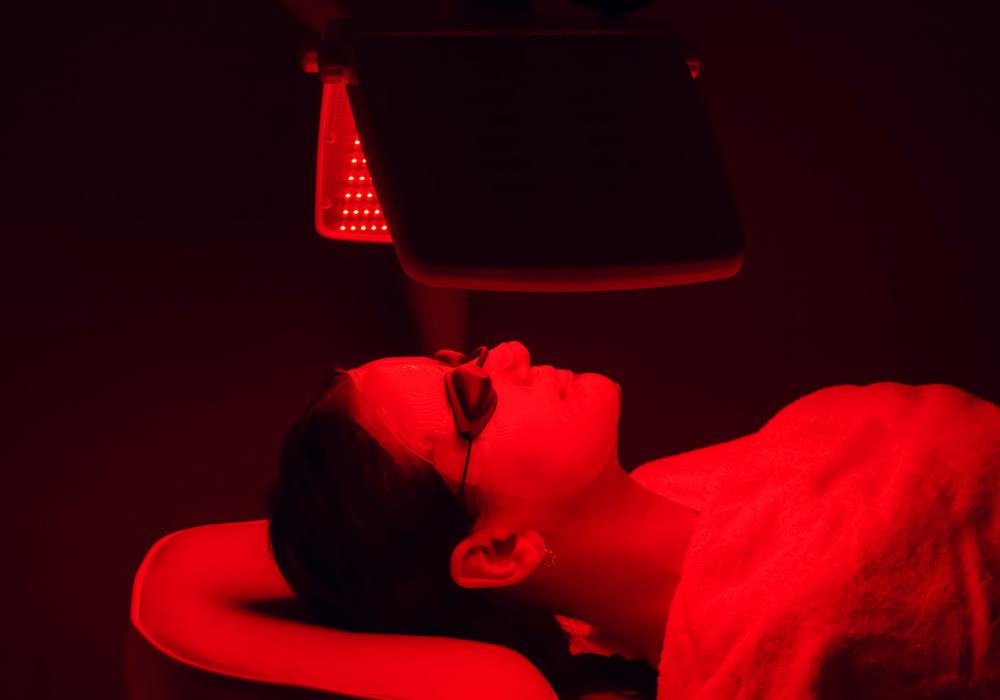
Bright light exposure is being used in hospitals to regulate circadian rhythms and improve mood, especially for patients struggling with seasonal affective disorder (SAD) or insomnia. Specialized light therapy devices mimic natural sunlight, helping patients reset their internal clocks and feel more energized.
Individuals in ICU settings or those with limited access to daylight often experience disrupted sleep patterns, which can delay healing. Light therapy provides a simple, drug-free solution that supports mental and physical health, making it an effective addition to patient care.
10. Water-based rehabilitation is proving essential for joint health and post-surgical recovery.
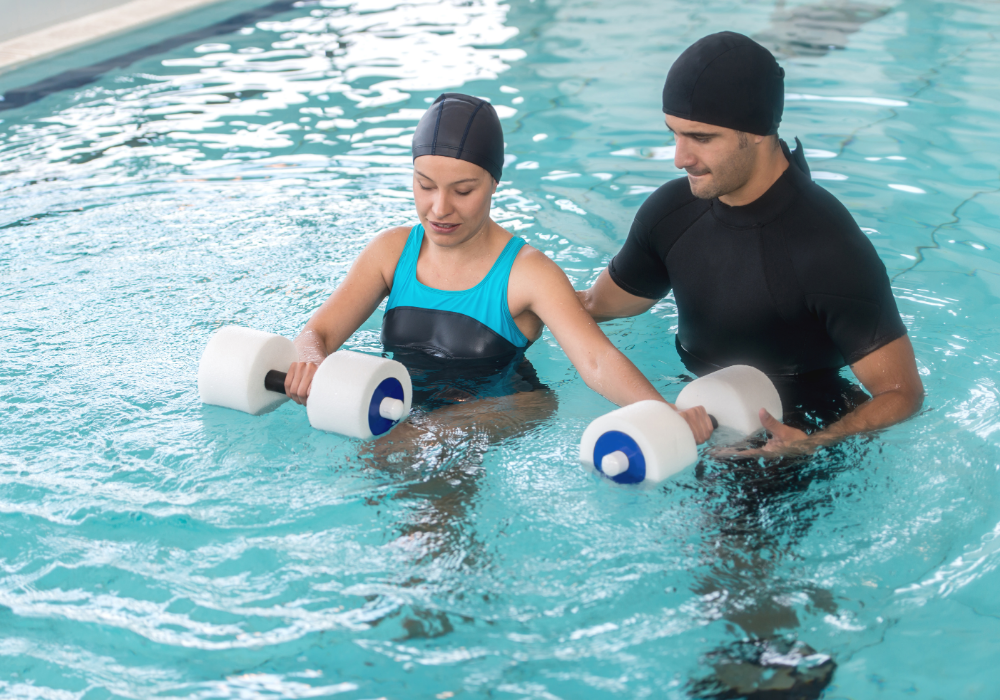
Hydrotherapy is making a significant impact in hospitals, particularly for individuals recovering from surgery or dealing with chronic pain. The buoyancy of water reduces pressure on joints and muscles, allowing patients to move more freely without experiencing strain.
Rehabilitation centers are incorporating hydrotherapy pools where patients can strengthen their bodies in a low-impact environment. Whether for post-operative recovery or neurological conditions, water therapy is proving to be an effective, gentle approach to improving mobility and reducing discomfort.
11. Pain management and mental resilience are strengthened through guided imagery.

Visualization techniques are now being used in hospitals to help patients manage anxiety and pain. Guided imagery encourages individuals to picture calming scenes or healing processes, activating the brain’s ability to influence physical well-being.
Research suggests that this mental practice can lower blood pressure, boost immune function, and reduce the need for pain medication. Hospitals are integrating guided imagery into pre-surgery preparations, labor and delivery rooms, and long-term recovery programs, offering patients another tool for navigating treatment with greater ease.
12. Herbal medicine is complementing conventional treatments.

Natural remedies are finding their place alongside modern medicine as hospitals explore the benefits of plant-based treatments. Herbal supplements like ginger for nausea, turmeric for inflammation, and chamomile for relaxation are being integrated into treatment plans to support overall healing.
Some hospitals now consult with herbalists to ensure safe use alongside prescription medications. With research backing the benefits of plant-based medicine, healthcare providers are increasingly looking to nature for complementary healing solutions.