
Once introduced, these invaders outcompete local species and throw entire food webs off balance.
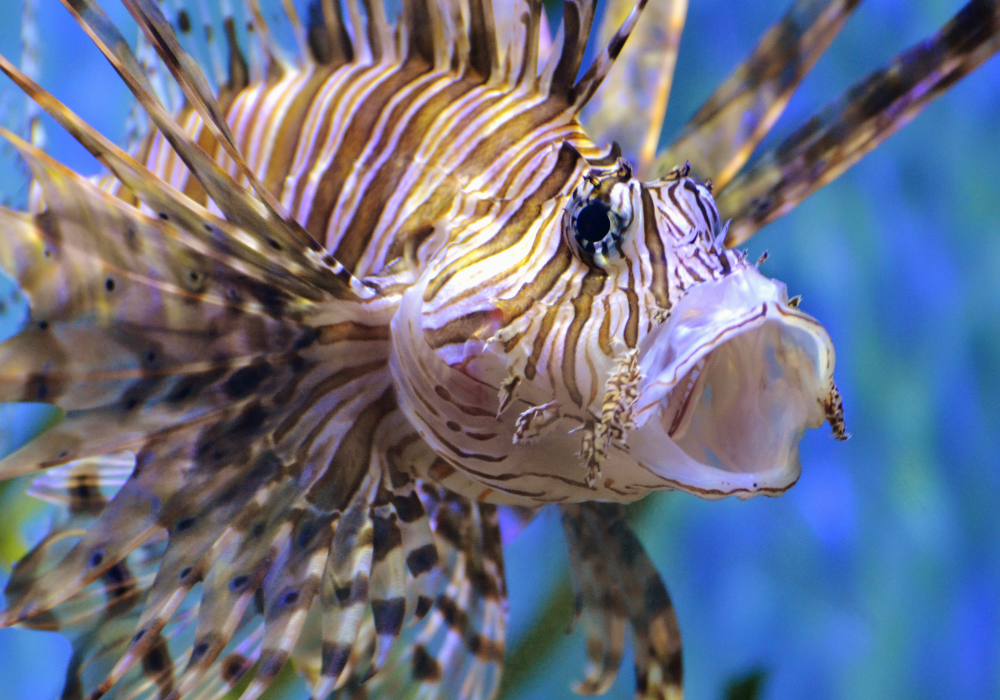
You might not think twice about the fish swimming beneath the surface—but some of them are wreaking serious havoc. Invasive fish species are quietly destroying native ecosystems, outcompeting local wildlife, and spreading faster than most people realize.
From aggressive predators to prolific breeders, these aquatic intruders are changing the face of our rivers, lakes, and even oceans. Whether they were released from home aquariums or introduced through global trade, they’re not just blending in—they’re taking over.
Many of these species are nearly impossible to control once they get established. And the longer we ignore the problem, the worse it gets for native plants, animals, and entire food chains. Here are seven invasive fish that are doing the most damage—and why their spread should be on everyone’s radar.
1. The northern snakehead fish is slithering through freshwater habitats and devouring everything in sight.
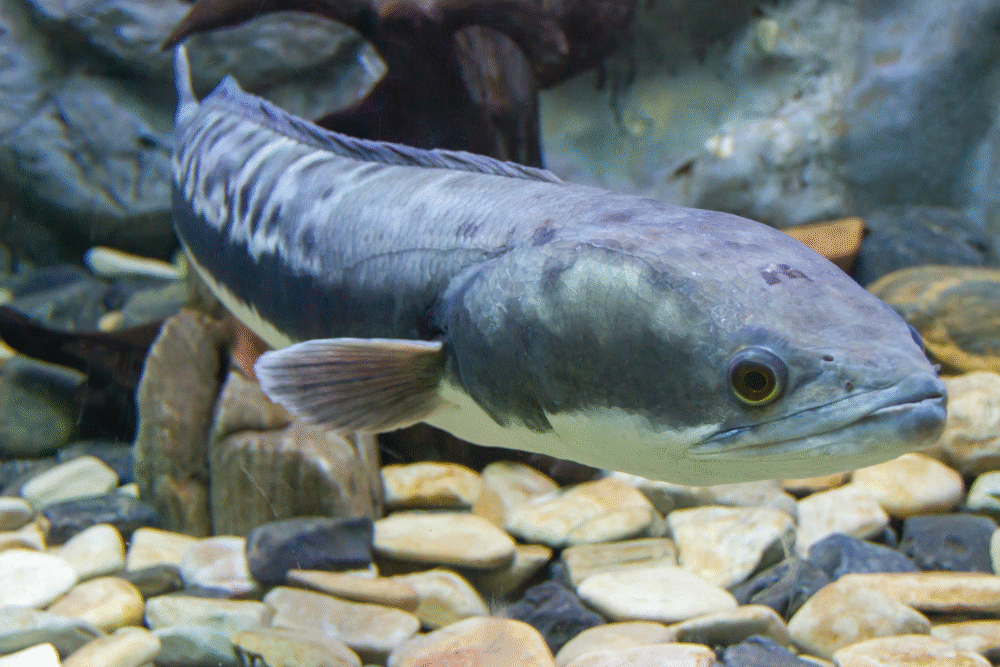
Originally from Asia, the northern snakehead has become a major problem in U.S. waterways. This aggressive predator has an insatiable appetite and preys on everything from frogs to other fish, leaving local ecosystems in chaos.
It can even breathe air and survive on land for days, making containment incredibly difficult. Snakeheads reproduce quickly, and once they’re established, they’re nearly impossible to eradicate. Anglers are often shocked to find them lurking in lakes and rivers, especially since they can grow over three feet long.
2. The lionfish looks exotic, but it’s a venomous menace with a never-ending appetite.
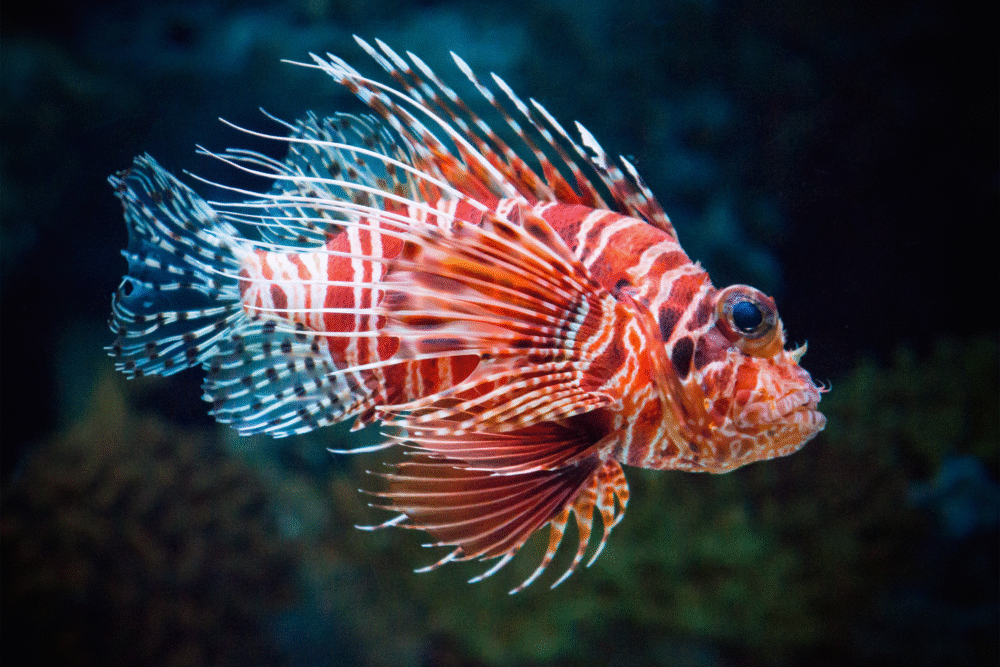
Lionfish are stunning, with their flowing fins and bold stripes, but don’t let their beauty fool you. Native to the Indo-Pacific, they’ve taken over the Atlantic and Gulf of Mexico, eating their way through coral reef ecosystems.
One lionfish can consume over 50 smaller fish in a single day, decimating populations of vital reef dwellers. Worse, they have few natural predators in these new environments. Their venomous spines keep threats at bay, while their rapid reproduction makes them tough to control.
3. The Asian carp is leaping out of rivers and crashing into boats as it takes over the Midwest.

Asian carp, introduced to help clean aquaculture ponds, have become one of the most notorious invasive species in America. These powerful jumpers often hurl themselves out of the water when startled—sometimes even injuring unsuspecting boaters.
But the bigger issue is their ability to outcompete native fish for food. Filter feeders like bighead and silver carp suck up massive amounts of plankton, starving out other species that rely on it. They’ve spread rapidly throughout the Mississippi River Basin and now threaten the Great Lakes.
4. The round goby is a bottom-dwelling invader that’s bullying native fish out of their homes.

The round goby might not look intimidating, but it’s throwing freshwater ecosystems off balance across the Great Lakes region. This small, aggressive fish originated in Eastern Europe and arrived via ballast water from cargo ships. It reproduces at an alarming rate and competes with native fish like sculpins and darters for food and shelter.
Round gobies are notorious nest invaders, often raiding the eggs of native fish and displacing them from their breeding grounds. They’ve also introduced diseases and parasites into waters that weren’t prepared for them. While some predators like smallmouth bass have started eating gobies, it’s not enough to stop their population explosion.
Their ability to adapt to various water conditions has made them a persistent problem—and their impact continues to ripple through aquatic food webs.
5. The walking catfish is creeping across land and invading ponds like a sci-fi villain.

It’s not every day you see a fish crawling across someone’s lawn, but the walking catfish makes that nightmare a reality. Native to Southeast Asia, this strange-looking species uses its pectoral fins to “walk” short distances on land—especially during heavy rains or when moving between water bodies.
Found primarily in Florida, the walking catfish has become a serious pest in aquaculture and backyard ponds. It’s highly adaptable, breathing atmospheric oxygen and thriving in low-oxygen environments where native fish can’t survive. They’re not picky eaters either, consuming everything from insects to small fish.
6. The tilapia seems harmless on your plate, but in the wild it’s a destructive force.

Tilapia may be a grocery store staple, but in natural ecosystems, it’s an ecological wrecking ball. Originally from Africa, tilapia were introduced globally for aquaculture—and in many places, they’ve escaped into rivers and lakes. Once there, they dominate.
Tilapia breed rapidly and aggressively guard their nests, pushing out native fish and reducing biodiversity. Their feeding habits stir up sediment and degrade water quality, which affects plants, fish, and even bird species that rely on clear waters. In places like Australia and parts of the U.S., officials are struggling to control them.
7. The Asian swamp eel is slithering into U.S. waters and turning food chains upside down.
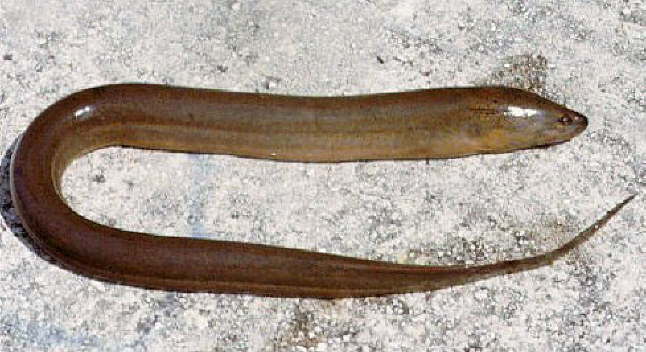
Don’t let the name fool you—this slippery invader is anything but harmless. The Asian swamp eel, now found in parts of Florida and Georgia, is a stealthy predator that thrives in muddy, weedy environments. It can breathe air and survive long periods without water, allowing it to spread across wetlands with ease.
These eels feed on everything from insects to small fish and amphibians, upsetting native food chains. They’re also difficult to trap and hard to eradicate once they take hold. To make matters worse, swamp eels can reproduce through a process called protandry—starting life as males and later transitioning into females—making population control tricky.
What You Can Do Before It’s Too Late

Invasive fish aren’t just an abstract environmental issue—they’re reshaping the waterways many of us swim, fish, and boat in. These species are relentless, spreading silently and outcompeting the native wildlife that keeps aquatic ecosystems balanced and healthy. But here’s the thing: their spread often starts with human decisions.
From releasing unwanted aquarium pets to ignoring local fishing regulations, small actions can have massive ripple effects. You don’t need to be a marine biologist to make a difference. Learn how to identify these invaders, report sightings, and support conservation efforts in your area.