
From lead to forever chemicals, your faucet might be more dangerous than you think.
Most of us pour a glass of tap water without thinking twice. It looks clear, tastes fine, and it passed whatever safety test the city last reported—so it must be okay, right? Not exactly. Across the country, people are drinking water contaminated with chemicals, metals, and industrial byproducts that never should’ve made it past treatment facilities in the first place.
Outdated infrastructure, weak regulations, and corporate lobbying have created a system that allows dangerous toxins to quietly slip into the water supply. Some contaminants are linked to cancer, others to developmental delays or hormonal disruption. And many of them don’t show up on standard reports. You can’t taste them. You can’t see them. But they’re in there. If you’ve ever assumed your tap water is clean because it hasn’t made headlines, this list will make you think again.
1. Lead leaches from old pipes straight into your glass.
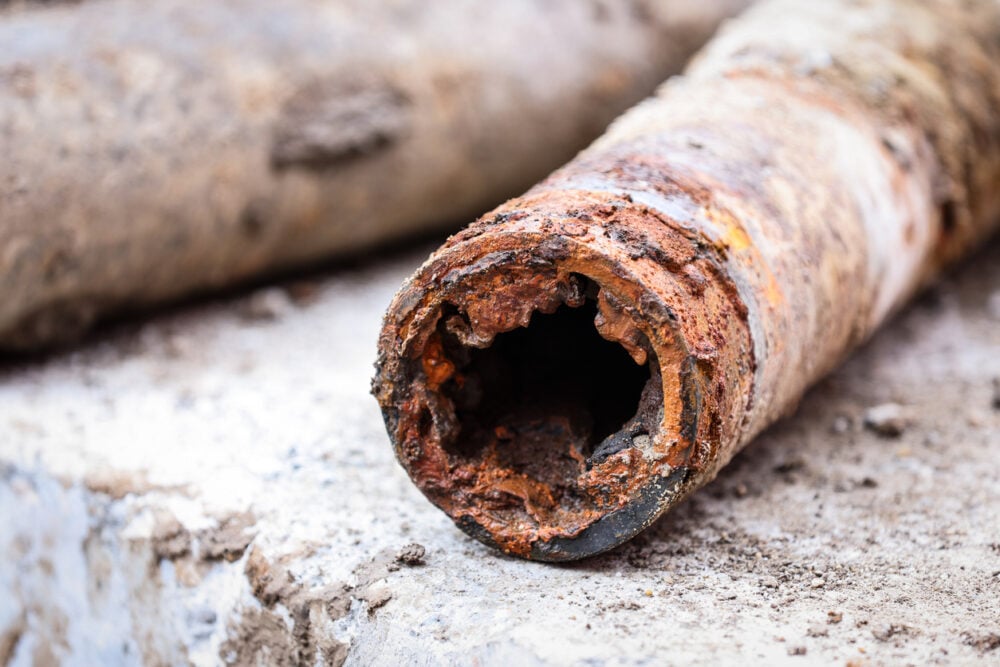
The U.S. Environmental Protection Agency (EPA) states that lead can enter drinking water when plumbing materials that contain lead corrode, especially where the water has high acidity or low mineral content that corrodes pipes and fixtures. Even tiny amounts can cause serious harm, especially in children. It’s been linked to developmental delays, behavioral issues, and long-term neurological damage. And once it enters the body, it’s nearly impossible to remove.
Most lead doesn’t come from water treatment plants. It comes from the service lines and household pipes that carry water to your tap. Homes built before the 1980s are at the highest risk. And unless those old pipes have been replaced, lead can still make its way into your drinking water—no matter how “clean” it looks. Worse, many cities don’t have a full inventory of which homes still have lead lines. That means people are often left guessing whether their water is safe. And when the damage hits, it’s already too late.
2. PFAS chemicals stick around—and build up in your body.

PFAS, often called “forever chemicals,” are used in everything from nonstick pans to waterproof jackets. They’re designed not to break down, which is great for stain resistance and terrible for your health. Once PFAS enter the environment—or your bloodstream—they stick around. And unfortunately, they’re showing up in drinking water across the U.S.
Molly Brind’Amour at the U.S. Geological Survey reports that at least 45% of U.S. tap water contains one or more types of PFAS, exposing millions to long-term health risks. The EPA only recently proposed enforceable limits, but cleanup is slow and expensive.
Most water systems weren’t built to filter them out, and consumers rarely know they’re there. Unlike lead, PFAS don’t leach from pipes—they’re often upstream from military bases, factories, or landfills. Once they enter a water source, they don’t go away. That means many people are drinking a slow, invisible dose of toxic buildup every single day.
3. Nitrates seep in from fertilizers—and hit babies the hardest.

In rural areas, especially those near farmland, nitrates are a growing threat. They come from synthetic fertilizers, animal waste, and septic systems—leaching into groundwater and ending up in tap water, particularly for people who rely on private wells. And while they might sound less alarming than heavy metals or industrial chemicals, nitrates can be deadly, especially for infants.
According to the Minnesota Department of Health, consuming too much nitrate can affect how blood carries oxygen and cause methemoglobinemia (also known as blue baby syndrome), with bottle-fed infants under six months old at the highest risk. Adults can also face increased risks of thyroid disease and certain cancers. Nitrate contamination is widespread in agricultural regions, yet it often flies under the radar. Water utilities may meet federal standards, but those limits haven’t been updated in decades. Meanwhile, farming continues—and so does the contamination.
4. Chlorine byproducts form in your tap and raise cancer risks.
Chlorine is commonly used to disinfect drinking water, and in many cases, it saves lives. But when chlorine reacts with natural organic matter—like decaying leaves or sediment in the water—it can form harmful byproducts called trihalomethanes (THMs).
These chemicals are linked to liver, kidney, and bladder cancer, and they’ve been detected in tap water across the country. The problem is worse in systems with old pipes or long distribution lines. The longer water travels after being treated, the more time it has to form these dangerous byproducts. Regulators set legal limits for THMs, but research suggests that even “safe” levels may still pose risks—especially with long-term exposure. If your water has that distinctive pool-like smell, it might be doing more than just tasting off. It might be slowly building up something far worse.
5. Arsenic lurks in groundwater—and filters can’t always catch it.
Arsenic isn’t just an old-school poison mystery novel trope. It’s a very real threat in drinking water—especially in parts of the Southwest, where natural deposits in rock and soil can contaminate groundwater. Long-term exposure to arsenic has been linked to bladder, lung, and skin cancer, as well as cardiovascular and neurological problems.
Private wells are particularly vulnerable, but even public water systems have had trouble keeping arsenic levels consistently low. Standard filters don’t always remove it, and bottled water isn’t guaranteed to be better.
The EPA has set a maximum limit, but again, health experts argue it’s not strict enough. Arsenic doesn’t have a strong taste or smell. You wouldn’t know it’s there unless someone tests for it—and in many areas, no one is.
6. Chromium-6 contaminates water supplies in all 50 states.
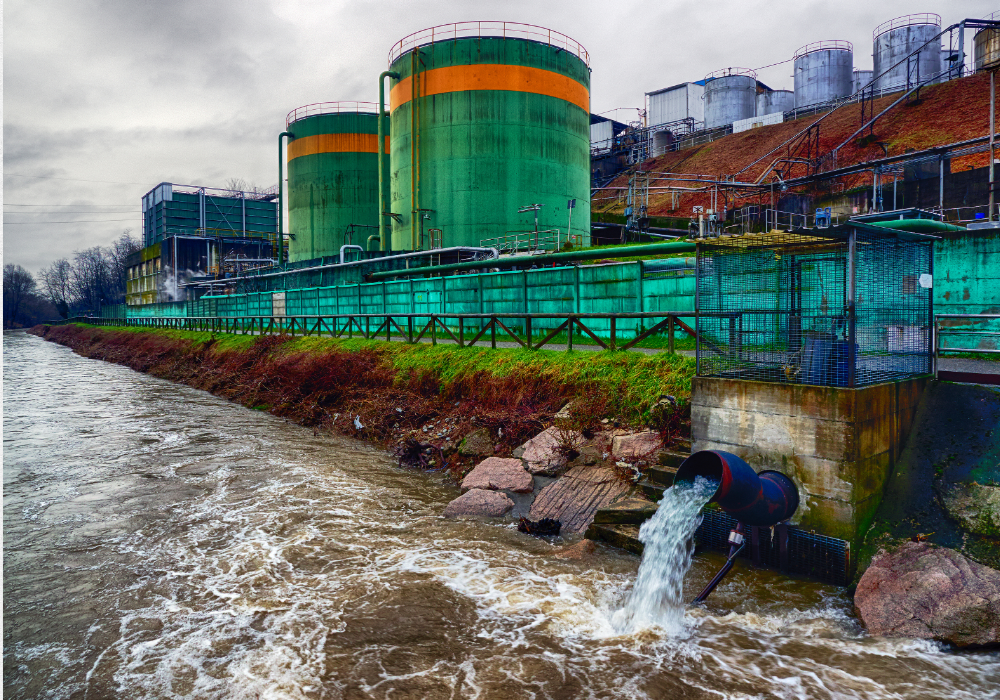
Made famous by Erin Brockovich, chromium-6 is a heavy metal linked to cancer, liver damage, and reproductive harm. It’s found in industrial waste, metal plating, and old cooling towers—and once it enters water sources, it’s incredibly hard to get rid of. Despite its toxicity, the federal government still doesn’t regulate it separately from other forms of chromium.
Testing has found chromium-6 in the drinking water of millions of Americans. And because there’s no enforceable national standard, utilities aren’t always required to take action. Even where contamination is known, filtration systems aren’t guaranteed to remove it. It’s another example of a chemical we know is dangerous, but allow to slip through anyway—because the rules haven’t caught up with the science.
7. Bacteria slip through aging infrastructure after heavy storms.
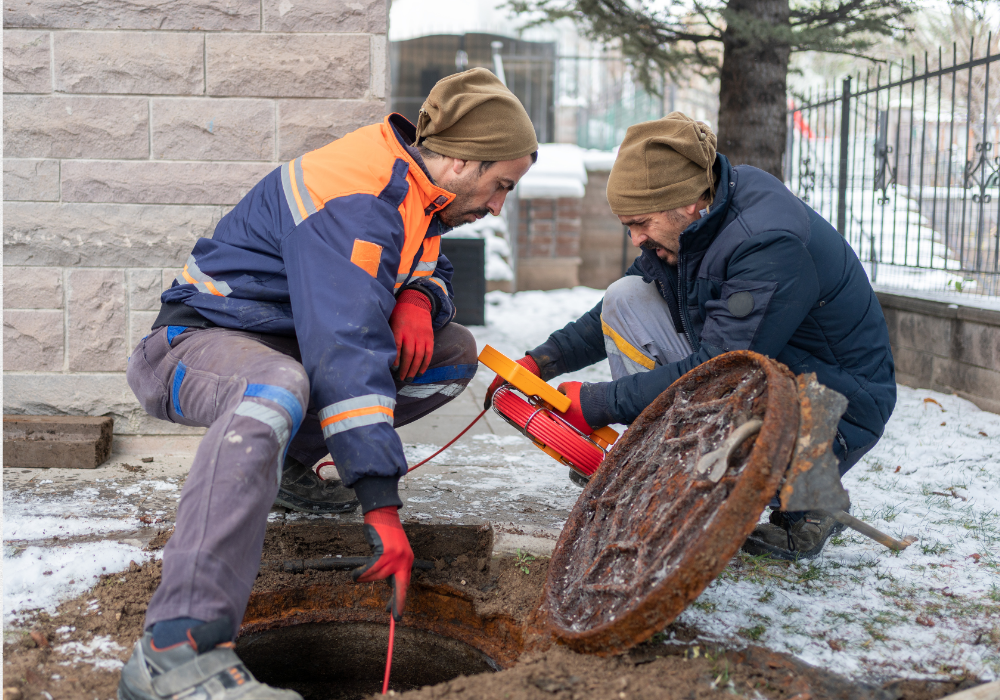
It doesn’t take a major disaster—just a strong storm and weak pipes. When heavy rainfall overwhelms old sewer systems or causes flooding near treatment facilities, bacteria like E. coli can enter the water supply. Some cities issue boil-water advisories. Others don’t catch the contamination until people get sick.
For people with strong immune systems, mild exposure might not be catastrophic. But for infants, the elderly, or those with health conditions, contaminated water can lead to serious gastrointestinal illness—or worse. Rural areas and low-income communities are especially vulnerable since they often lack backup systems or quick response plans. You expect water to be treated, safe, and ready to drink. But when outdated pipes and overwhelmed facilities meet extreme weather, it’s a recipe for pathogens that can’t be boiled away fast enough.
8. Copper builds up from corroded pipes and harms young children.

Like lead, copper enters tap water not from treatment plants, but from pipes—especially in older homes with corroded plumbing. And like lead, it poses the biggest threat to children. Too much copper can cause stomach problems, liver damage, and developmental issues. It’s also hard to detect without testing, because copper is colorless and doesn’t always affect taste.
Some municipalities monitor copper levels, but enforcement is patchy. Corrosion control isn’t a guaranteed fix, and many families don’t even realize their plumbing could be a source. Filtering systems can help, but not all of them are certified to remove copper. If you live in an older building and haven’t had your water tested, there’s no way to know how much you’re drinking—or how long it’s been building up.
9. Radon seeps into groundwater and lingers in your faucet.

You’ve probably heard about radon in basements, but this radioactive gas can also dissolve into groundwater—especially in areas with granite bedrock or natural uranium deposits. When that water gets pumped into your home and used for drinking, showering, or cooking, you’re exposed without realizing it.
Radon exposure has been linked to increased risk of lung cancer, even from water vapor during hot showers. It’s odorless, tasteless, and invisible—making it nearly impossible to detect without specific testing.
Unlike other contaminants, radon doesn’t just affect drinking water. It becomes airborne in your home. And while some states require testing for radon in air, far fewer monitor it in water. If your tap source is well water or groundwater, it might be time to ask what else is riding along with it.
10. Industrial runoff dumps toxins no one is testing for.
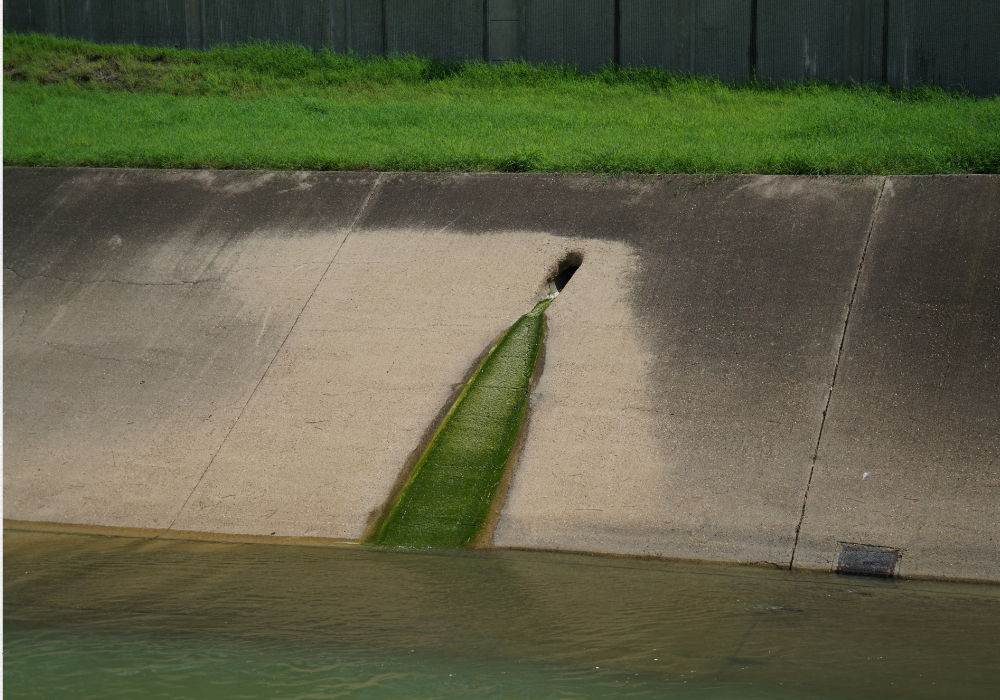
Factories, refineries, and processing plants release a wide range of chemicals—many of which aren’t covered by current drinking water standards. When it rains or when waste leaks into nearby waterways, that runoff doesn’t just disappear. It seeps into rivers, reservoirs, and groundwater that feed public water systems.
The problem? Most utilities only test for a small list of known contaminants. If a chemical isn’t regulated, there’s no requirement to monitor it. That leaves dangerous compounds like solvents, heavy metals, and synthetic compounds floating under the radar. You might never hear about them—until someone finds elevated cancer rates nearby, or a whistleblower steps forward. By then, the damage has already been done. And without stricter laws, there’s no guarantee it won’t keep happening.
11. Pesticides drift from farms into drinking water sources.
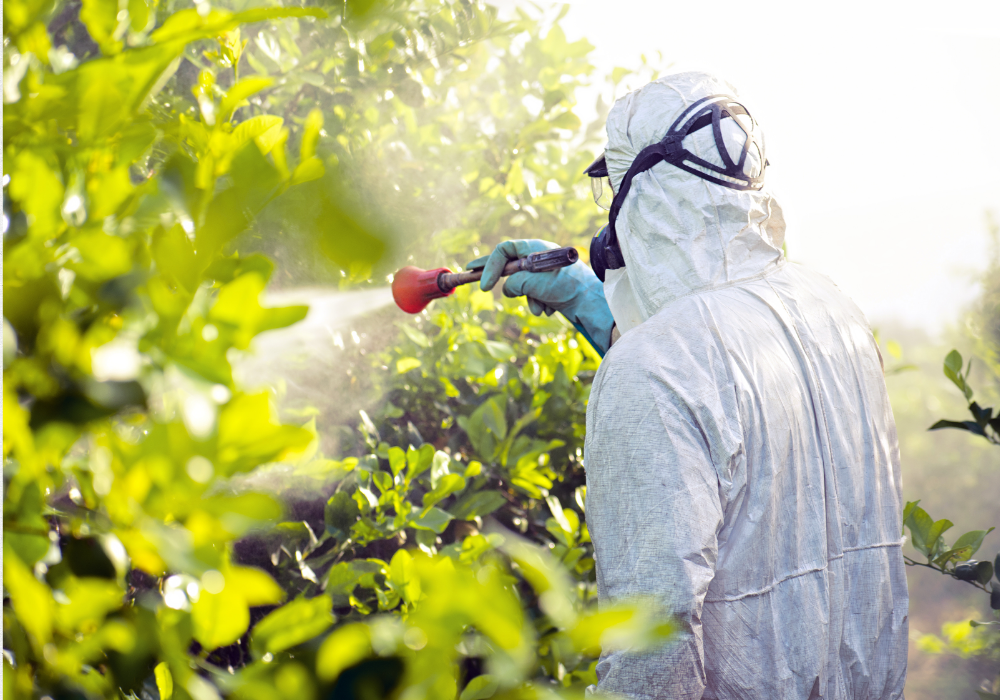
Agricultural runoff doesn’t stop at nitrates. Herbicides, insecticides, and fungicides—many of them toxic to humans—also make their way from crop fields into nearby rivers and wells. Once in the water supply, they can be hard to filter out, especially in rural communities without advanced treatment systems.
Pesticides have been linked to everything from hormone disruption to increased cancer risk. Some break down quickly. Others stick around. And when farming season ramps up, contamination often spikes—exactly when families are using the most water. Municipal systems may test occasionally, but private well owners are left on their own. Even low levels over time can be dangerous, and without frequent testing, you won’t know what’s in your glass.
12. Pharmaceutical waste sneaks through sewage systems.
Flushing expired medication might seem harmless, but it adds up. Painkillers, antidepressants, hormones, antibiotics—they all end up in wastewater. Treatment plants remove most contaminants, but they weren’t designed to filter out complex pharmaceutical compounds. As a result, trace amounts are showing up in rivers, lakes, and drinking water.
While the levels are usually low, the long-term effects of constant, low-dose exposure are still unclear. Some studies have raised red flags about hormonal disruption, antibiotic resistance, and impacts on aquatic life. But without regulation, there’s no consistent testing, and no clear effort to remove them from drinking water. It’s one of the newer threats on this list—but it’s growing fast, and barely anyone’s talking about it.
13. Disinfection methods create their own set of risks.
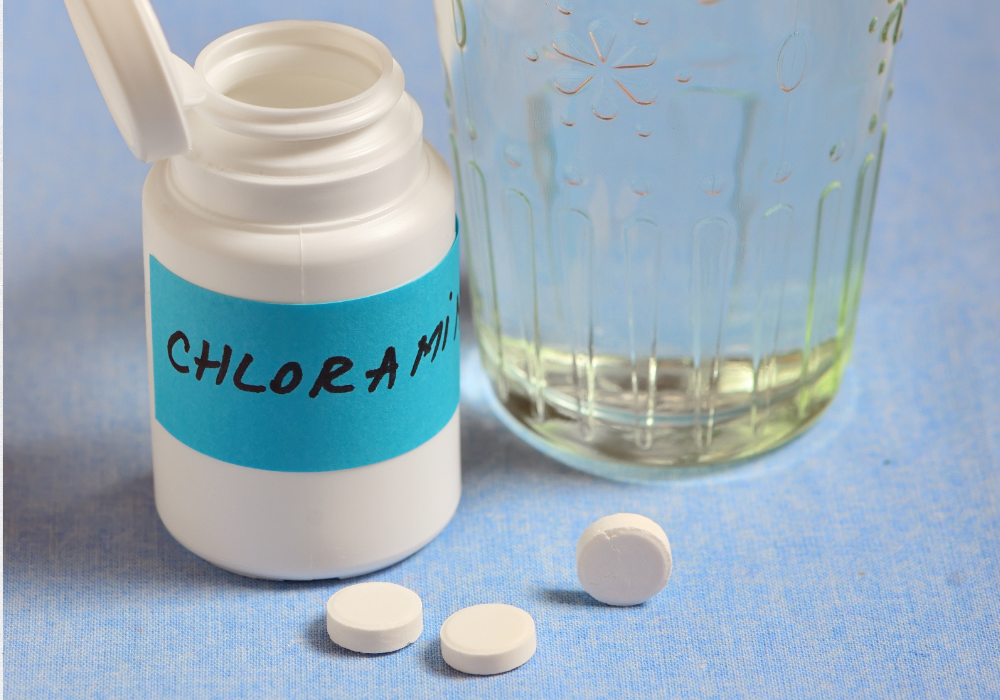
Chlorine and chloramine are two of the most common disinfectants used to kill pathogens in water. They do their job—but when they interact with organic matter, they create byproducts like haloacetic acids and trihalomethanes. Over time, these have been linked to cancer, liver damage, and reproductive issues.
Switching from chlorine to chloramine was meant to reduce risk, but it introduced new problems. Chloramine lasts longer in the system, which helps keep water clean—but it’s also harder on pipes and more corrosive. That means more metals (like lead or copper) may leach into the water. And once again, regulations allow a certain level of risk as long as it’s “within limits.” But what those limits don’t consider is what happens when multiple contaminants pile up in a single glass.