
Rapid advances in technology, automation, and consumer habits are pushing many familiar items toward extinction.

Everyday life is changing faster than ever, and many of the tools, habits, and devices we rely on today may not survive the next five years. Technology experts, market analysts, and industry reports all point to the same trend: automation, artificial intelligence, digital payments, and shifting consumer preferences are replacing older products at record speed. Some items are fading quietly, while others may disappear almost overnight. Understanding what’s on the way out can help people plan ahead, adapt early, and stay comfortable in a world where innovation never slows down.
1. Physical Passwords Are Being Replaced by Passkeys

Traditional passwords are slowly being phased out as companies adopt passkeys, a more secure login option that uses biometrics like fingerprints or face ID. This shift helps prevent issues like password theft and reused login credentials, which have become major cybersecurity risks. Major platforms, including email providers and financial apps, are already offering password-free access.
As more devices support biometrics by default, experts expect passwords to become far less common. Within a few years, typing long character strings may feel outdated. Users will instead rely on devices that recognize them instantly, making digital security both easier and safer.
2. Credit and Debit Cards May Give Way to Tap-to-Pay
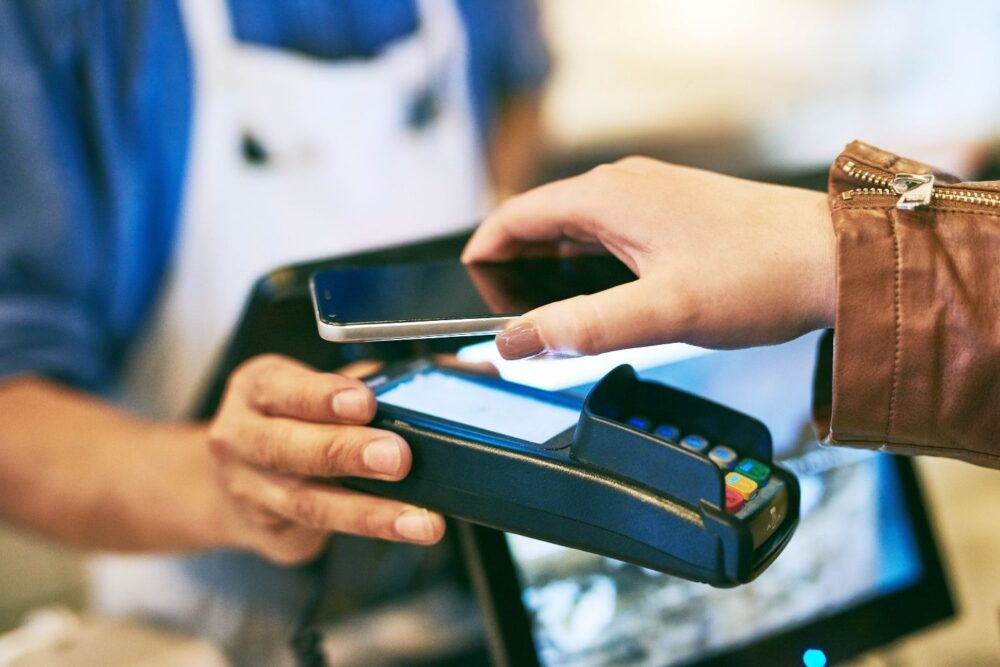
Digital wallets such as Apple Pay and Google Wallet are rapidly gaining popularity as shoppers prefer paying with phones or smartwatches. Retailers have expanded tap-to-pay options, making checkout faster and more convenient. Younger consumers, in particular, often rely on their phones rather than carrying a physical wallet.
While plastic cards won’t vanish immediately, their usage is dropping steadily. Financial analysts predict that mobile payments will dominate everyday purchases within a few years. As this transition accelerates, many people may stop reaching for a traditional card altogether, relying fully on digital systems instead.
3. Cable TV Is Losing Ground to Streaming

Cable TV subscriptions continue to decline as streaming platforms offer lower prices, on-demand access, and customizable content. Many households see no reason to pay for bundled channels they never watch when streaming services let them pick exactly what they want. This shift has pushed cable companies to raise prices or shift toward internet-based services.
Analysts expect millions of additional households to “cut the cord” in the next several years. As streaming becomes the primary way people watch television, traditional cable packages may become uncommon, surviving mostly in hotels or specialized commercial settings.
4. Traditional Alarm Systems Are Being Replaced by Smart Home Security

Smart home security systems allow homeowners to monitor their homes from anywhere using mobile apps. Features like video doorbells, motion alerts, and automated lighting offer much more flexibility than traditional wired alarm panels. These systems are also easier to install and often cost less in monthly fees.
Because smart systems provide real-time updates, more homeowners are embracing them over older setups. As adoption grows, the classic alarm keypad on the wall may become a thing of the past. Smart technology is simply more adaptable to the ways people live today.
5. Physical Store Receipts Are Fading Fast

Retailers are increasingly switching to digital receipts sent through apps, loyalty accounts, or email. The move reduces paper waste, speeds up checkout lines, and makes returns easier by keeping records stored in one place. Many stores now prompt customers to choose digital receipts as their default option.
With mobile shopping and app-based tracking growing rapidly, paper receipts are becoming less necessary. Over the next few years, the familiar slip of paper at checkout may disappear from most stores, replaced entirely by digital records stored on customers’ phones.
6. Gas-Powered Lawn Equipment Is Losing Ground to Electric Models
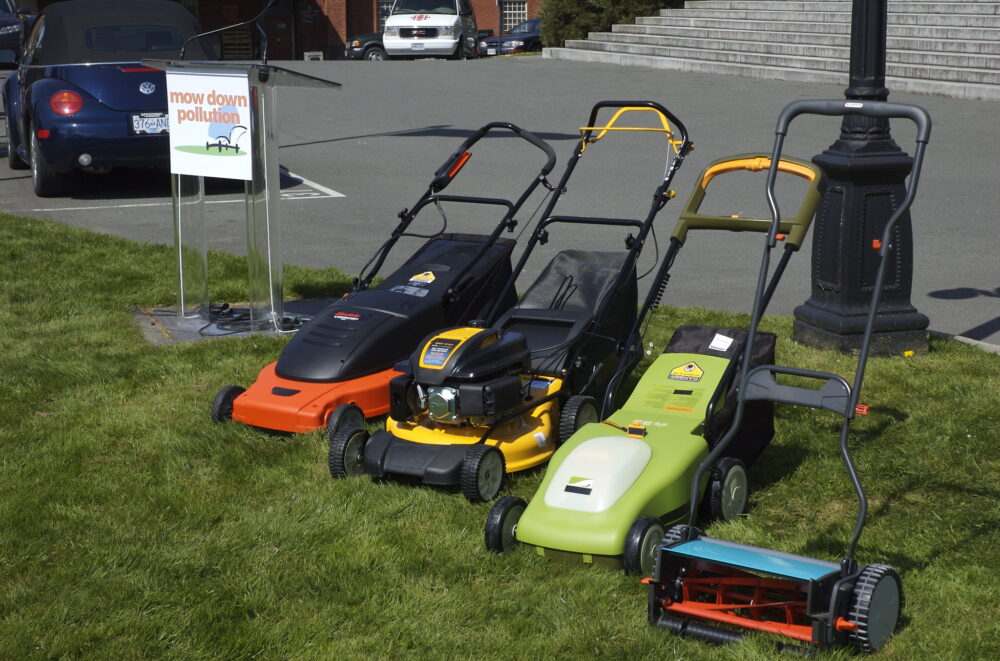
Battery-powered lawn equipment has become more popular thanks to its quieter operation, reduced emissions, and lower maintenance needs. Electric mowers, trimmers, and leaf blowers now offer performance that rivals gas-powered versions. Several states and cities have also passed regulations limiting gas-powered equipment due to noise and environmental concerns.
Manufacturers are expanding their electric product lines to meet demand. As batteries improve and regulations tighten, gas-powered models may become harder to find. Many homeowners are already making the switch because electric tools are easier to use and store.
7. Single-Use Plastics Are Being Phased Out in Many Areas

Governments around the world are banning plastic bags, straws, utensils, and certain packaging to reduce waste and pollution. Retailers and restaurants are adopting compostable or reusable alternatives as consumers become more environmentally conscious. These policies are reshaping how products are packaged and consumed.
Because many countries and states have already passed restrictions, single-use plastics are expected to continue disappearing. Within a few years, items once considered ordinary may rarely appear in stores. This trend reflects a broader shift toward sustainability and long-term environmental responsibility.
8. Physical Car Keys Are Being Replaced by Smartphone Access

Many new cars come with digital keys that allow drivers to unlock and start their vehicles using smartphone apps. These systems provide convenience, added security, and features like remote start or vehicle tracking. Automakers are incorporating digital access into more models each year.
As drivers grow comfortable with app-based entry, traditional metal car keys may become less common. This shift mirrors the broader transition toward smart technology in everyday life. Soon, reaching for a physical key may feel as outdated as turning a manual crank to start an engine.
9. Landline Phones Are Nearing Extinction

As mobile networks improve, most households no longer maintain traditional landline phones. Many telecom companies have begun retiring copper wire networks in favor of modern digital systems. Younger generations rarely use landlines, choosing mobile phones for both personal and work communication.
While some businesses and older residents still rely on them, the decline is rapid. In just a few years, landlines may be used only in specialized settings. For most households, mobile and internet-based calling will continue to dominate daily life.
10. DVD and Blu-ray Collections Are Being Replaced by Streaming

Sales of physical movies have fallen sharply as people build digital libraries through streaming platforms. Major studios are releasing fewer DVDs and Blu-rays each year, shifting focus to online rentals, purchases, and subscription services. Many new laptops and game consoles no longer include disc drives.
Collectors may keep their favorite titles, but physical media is becoming harder to find. As internet speeds improve and streaming grows, DVDs and Blu-rays may soon feel as outdated as CDs or VHS tapes.
11. Manual Checkwriting Is Declining Rapidly

Checks are being replaced by digital payment tools such as Zelle, Venmo, PayPal, and online bill pay. Banks now issue fewer checkbooks, and many businesses discourage or no longer accept checks due to security risks and slow processing times. Younger adults rarely use them at all.
As more services move online, writing a check may become increasingly rare. Within a few years, checks could be used mainly for niche situations or legacy systems that have not yet transitioned to digital alternatives.
12. Gas Stations May Shrink as EV Charging Expands

Electric vehicle ownership is growing quickly as automakers expand their EV lineups and states invest in charging networks. Some gas stations are adding chargers, while others are planning to transform entirely to support electric vehicles. As more drivers switch to EVs, gas demand is expected to decline.
Gas stations won’t disappear entirely, but their footprint and business model will change. Over the next five years, many locations may offer fewer fuel pumps and more charging bays, reflecting a major shift in how people power their vehicles.