
The health halo around these products hides what’s really inside.

It’s easy to feel like a wellness rockstar when your grocery cart is full of “healthy” labels: plant-based this, gluten-free that, protein-packed bars galore. But here’s the kicker—many of these so-called health foods are basically candy bars or salty snacks in disguise. Food companies are genius at slapping on buzzwords that make us feel virtuous while sneaking in sugar, chemicals, and fillers that do us zero favors.
Most of these products leave you hungrier, bloated, or stuck in a cycle of cravings that sabotage real health goals. The truth? Real, whole foods don’t need flashy marketing. Once you learn to see through the health halo, you’ll feel way more confident navigating the grocery aisles. Here’s a breakdown of 11 “healthy” foods that are actually ultra-processed junk you might want to rethink before tossing them in your cart.
1. Flavored yogurt cups sneak in more sugar than a dessert.

Those fruity, low-fat yogurts might seem like a perfect morning pick-me-up, but flip that label over and you’ll find as much sugar as a candy bar. Even the “light” or “protein-packed” versions often rely on artificial sweeteners or heavy processing to maintain flavor and texture. You end up spiking your blood sugar, crashing, and reaching for more snacks before lunch even hits.
A better move? Buy plain, unsweetened yogurt and add your own fruit or a drizzle of honey. This way, you control the sweetness and avoid unnecessary additives. Yogurt can be a nutritious, gut-friendly snack, but only if it’s kept simple and clean. Don’t let those cute fruit swirls fool you—underneath the bright packaging, you’re basically spooning up a disguised dessert.
2. Granola bars dress up like health food but hide a sugar bomb inside.
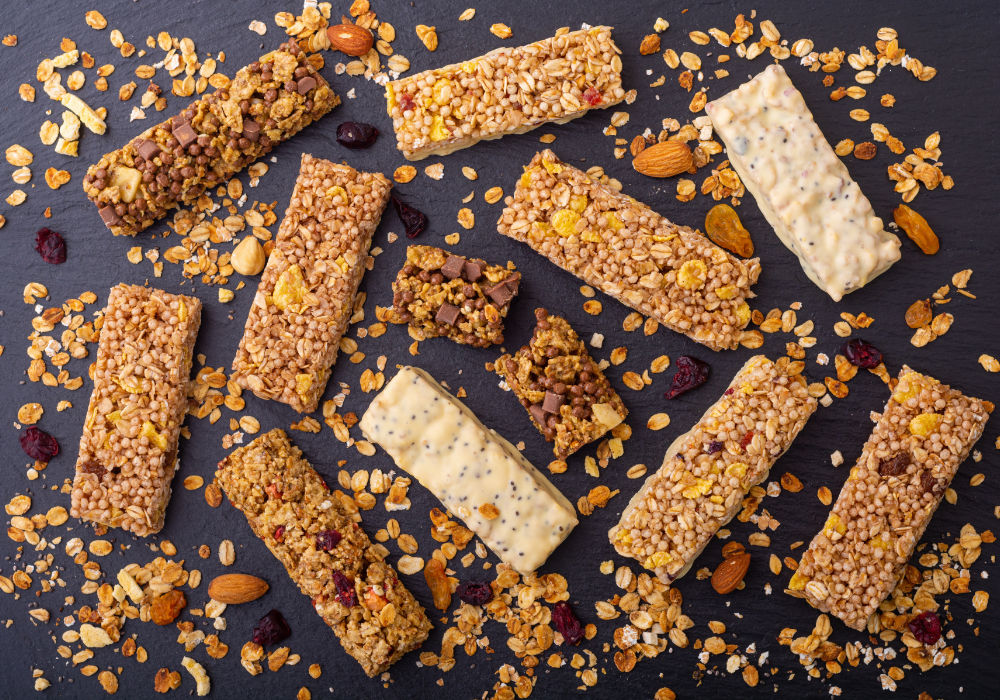
Granola bars often parade around as “energy boosters” or “meal replacements,” but most are loaded with refined sugars, syrups, and processed oils. Even the ones labeled “natural” or “organic” can contain as much sugar as a donut and leave you feeling just as sluggish. The crunchy oats and nuts might sound healthy, but they’re usually glued together with sweeteners that undo any nutritional benefit.
If you really want a portable snack, make your own bars at home with whole ingredients like rolled oats, nuts, seeds, and dried fruit. Or, reach for a handful of plain nuts or an apple with peanut butter. It’s cheaper, cleaner, and way more satisfying. Don’t let the rustic brown wrappers fool you—most granola bars are more about marketing than true nourishment.
3. Veggie chips sound virtuous but are basically fried starch disguised as salad.
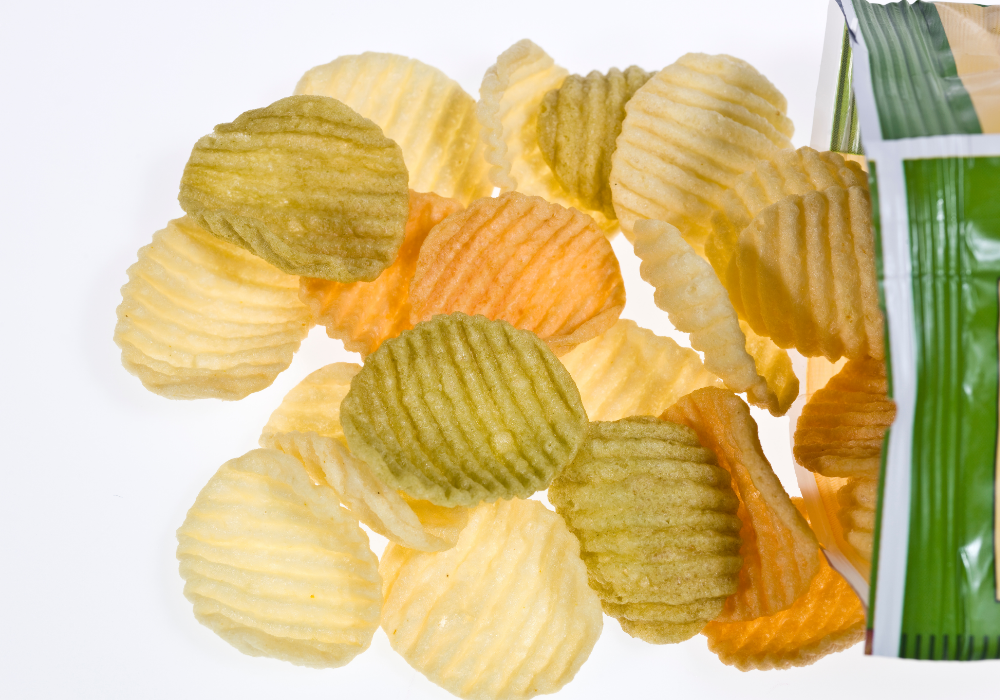
Veggie chips look like a colorful, crunchy alternative to potato chips, but don’t let those spinach-green or beet-red hues fool you. Most are made from powdered vegetable flakes mixed with starch and then fried or baked with loads of oil and salt. The actual veggie content? Barely there, and definitely not enough to count as a serving of vegetables.
You might feel like you’re making a smart swap, but nutritionally, they’re just as empty as classic chips—sometimes even higher in sodium. If you’re craving crunch, try actual sliced veggies with hummus or bake your own chips at home using real sweet potatoes or kale. You’ll skip the weird additives and get the real deal. Bottom line: if you wouldn’t eat raw powdered carrots as a snack, why eat them as a chip?
4. Pre-made smoothie bottles are sugar bombs hiding behind fruit pictures.
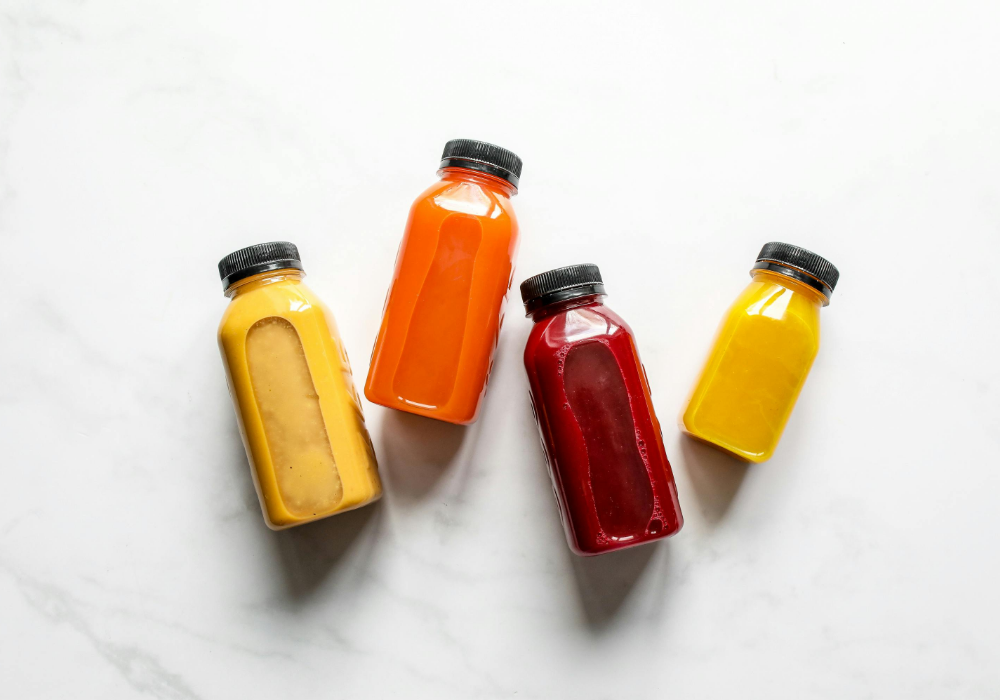
Those pretty bottles lined up in the fridge section look like the ultimate wellness shortcut. But most bottled smoothies are loaded with fruit juice concentrates, purees, and “natural flavors,” which quickly crank up the sugar content to soda-level heights. While they might give you a temporary energy hit, they leave you crashing soon after—and often hungrier than before.
Making your own smoothie at home lets you control every ingredient, add veggies, and keep portions in check. Blend whole fruits, greens, and a protein source like nut butter or seeds for a genuinely nourishing drink. Bottled options are tempting for their convenience, but remember: flashy fruit photos and “no added sugar” claims don’t mean you’re sipping something healthy. You deserve better than a glorified juice bomb.
5. Protein bars promise gains but deliver processed gunk and sugar.
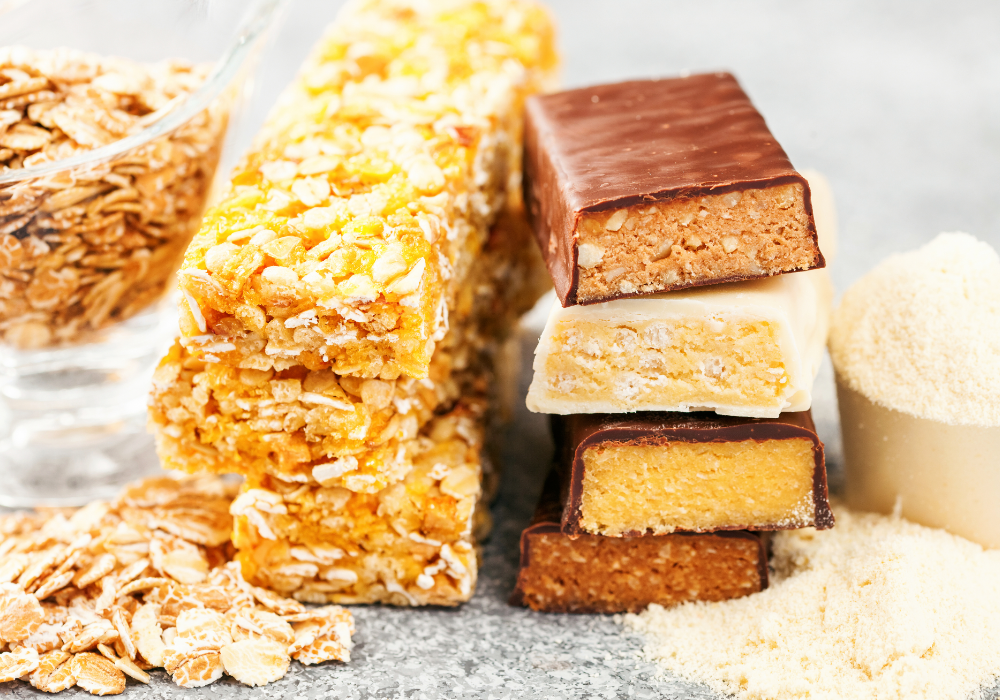
Protein bars are marketed as the ultimate fitness snack, but many are closer to a candy bar in disguise. They’re packed with sugar alcohols, syrups, processed protein isolates, and artificial flavors designed to mimic a dessert experience while riding the “healthy” wave. You might think you’re refueling smartly after a workout, but you’re often just feeding your sweet tooth in a more expensive wrapper.
If you really need a quick protein fix, look for bars with minimal ingredients and low sugar, or opt for whole foods like boiled eggs, Greek yogurt, or a handful of nuts. They provide natural protein without the chemical cocktail. Don’t let the gym-friendly packaging fool you—most protein bars do more for your cravings than your muscles. Save your money (and stomach) from unnecessary junk masquerading as fuel.
6. Gluten-free cookies still pack a sugary, processed punch.
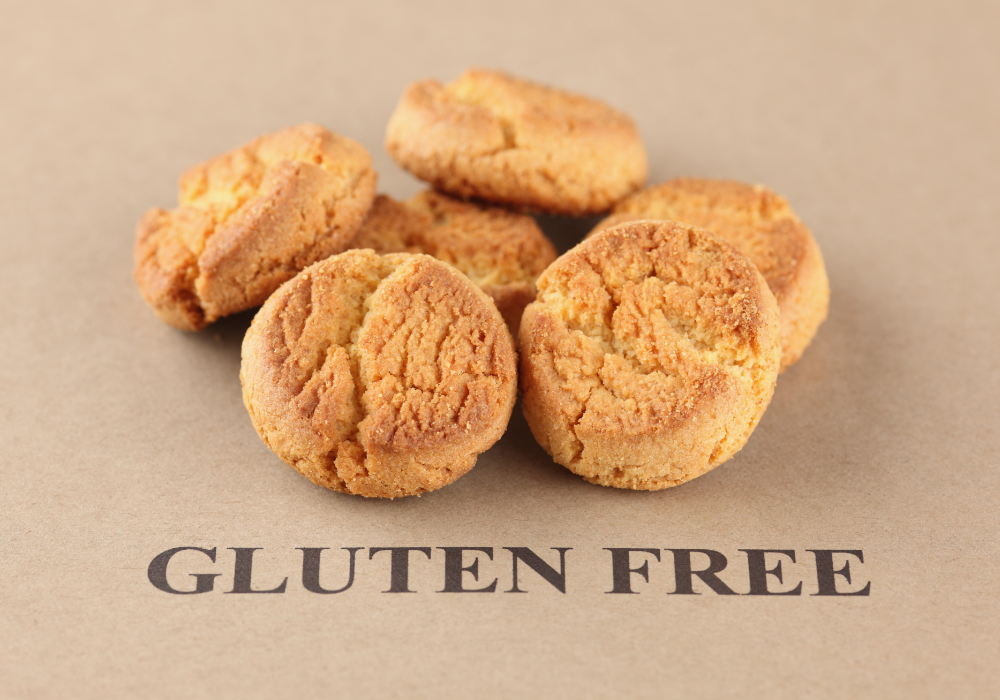
When you see “gluten-free,” it’s easy to think you’ve found a healthier choice. But in reality, most gluten-free cookies, crackers, and treats are still full of refined sugars, processed starches, and unhealthy oils. Swapping out wheat doesn’t magically make something good for you—it just means they’ve used alternative flours that often lack nutrients and fiber.
These snacks are usually ultra-processed to mimic the taste and texture of the real thing. So while they’re great for people with celiac or gluten intolerance, they’re not a free pass to endless snacking. If you’re craving a treat, you’re better off baking something simple at home using whole ingredients. Next time that gluten-free label calls your name, remember: it’s a marketing trick, not a health badge. Check the ingredients before you decide it’s a “better” option.
7. Flavored instant oatmeal can spike your blood sugar just like candy.

A steaming bowl of oatmeal sounds like the ultimate healthy comfort food—until you reach for the instant flavored packets. These convenient breakfasts are loaded with added sugars, artificial flavors, and processed oats that digest quickly, leaving you hungry and cranky an hour later. Some packets contain as much sugar as a dessert, hidden behind wholesome-sounding flavors like “apple cinnamon” or “maple.”
Instead, start with plain rolled or steel-cut oats and add your own toppings: fresh fruit, nuts, seeds, and maybe a drizzle of honey if needed. This way, you get fiber-rich, slow-digesting carbs that keep you full and satisfied. You’ll also avoid weird additives and unnecessary sweetness. Your morning deserves real nourishment—not a stealthy sugar hit disguised in a cozy, healthy-looking packet.
8. Plant-based meat substitutes aren’t always the clean swap you think.

Plant-based burgers and nuggets have exploded in popularity, promising an eco-friendly, healthier alternative to meat. But many are ultra-processed creations packed with sodium, artificial flavors, stabilizers, and isolated proteins. They’re engineered to mimic meat’s taste and texture rather than support whole-food eating.
While these products can help transition toward less meat, they shouldn’t replace whole, plant-based foods like beans, lentils, or veggies. If you choose to enjoy them, think of them as an occasional treat rather than a daily staple. Reading labels is key—look for simpler ingredient lists and lower sodium counts. Remember, just because something is “plant-based” doesn’t automatically mean it’s good for you. Real plants don’t need to be reassembled in a lab before they hit your plate.
9. Diet frozen meals trick you into thinking less is more.

Diet or “lean” frozen meals often promise a quick, calorie-controlled fix for busy days. But these tiny trays are usually full of preservatives, artificial flavors, added sugars, and sky-high sodium to compensate for blandness. They leave you unsatisfied and often set you up for late-night snacking or constant cravings.
Instead of relying on frozen boxes, batch-cook simple meals at home using real ingredients you love. Freeze your own portions so you control the flavor, nutrients, and portion size. Your body (and taste buds) will thank you for the upgrade. Remember: feeling nourished and full matters way more than squeezing into a marketing-driven calorie goal. Don’t let that “healthy” label fool you—most of these meals are more about profits than your actual wellness.
10. Bottled “green juices” are usually sugar bombs in disguise.
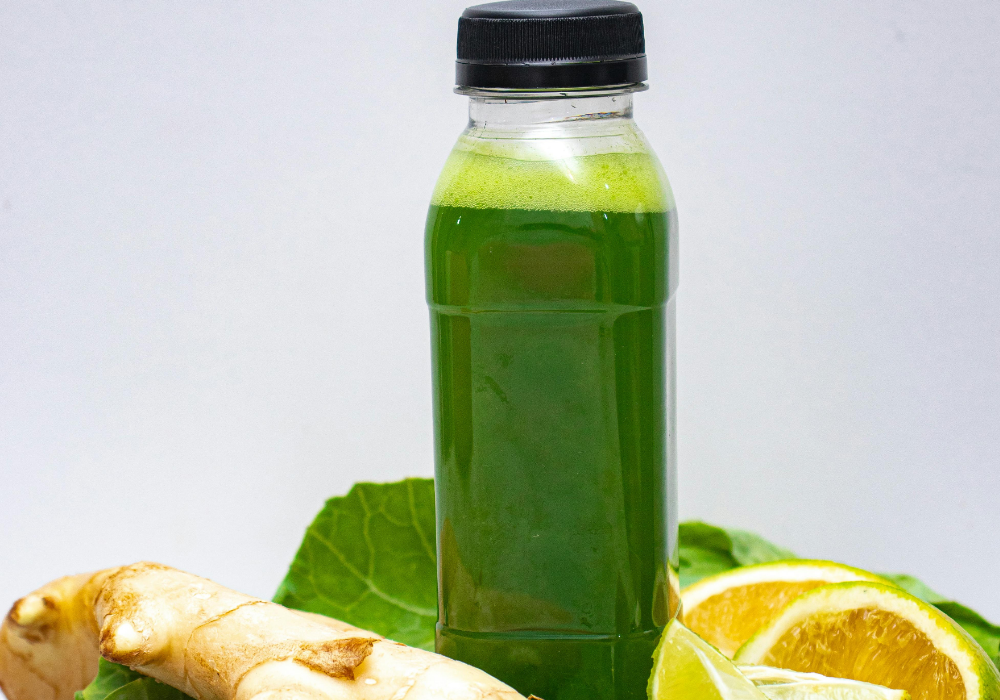
Those vibrant, neon-green juices lined up in grocery fridges scream “health,” but they’re often loaded with fruit juices and sweeteners to mask the bitterness of greens. Some bottles pack more sugar than a can of soda—without the fiber that helps you feel full and slows sugar absorption. The result? A quick sugar rush followed by an inevitable energy crash.
If you love green juice, make your own at home or choose cold-pressed versions with minimal fruit and no added sugar. Even better, eat your veggies whole so you get all the fiber and nutrients in their natural form. Sipping something green doesn’t always mean you’re making a healthy choice. Check those labels carefully before you drink what’s basically a sweet, expensive illusion in a bottle.
11. Low-fat salad dressings swap fat for hidden sugar and chemicals.
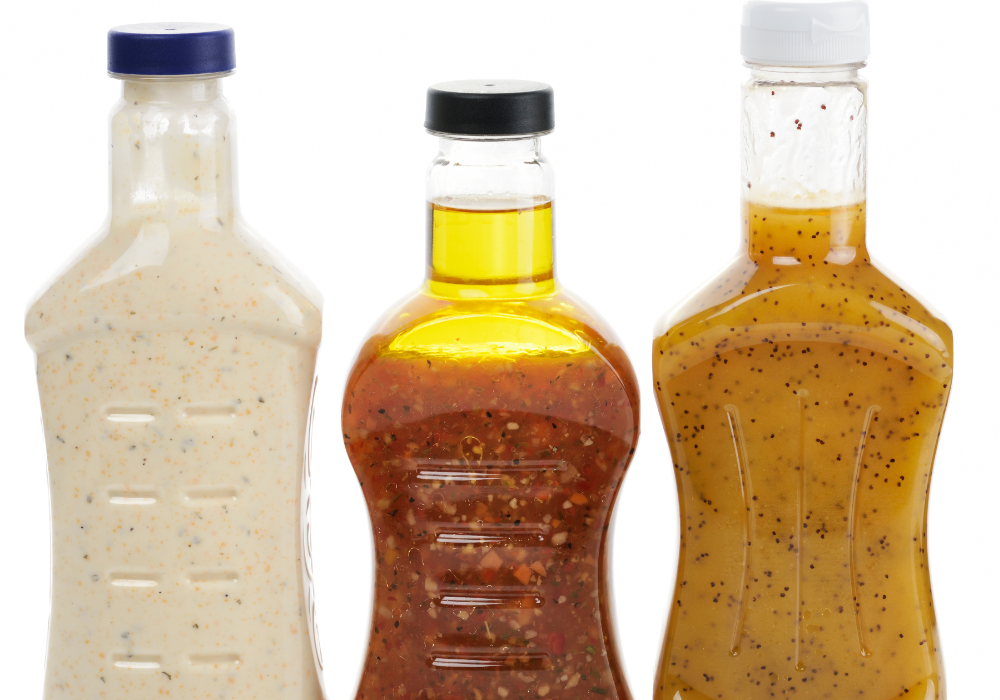
“Low-fat” salad dressings seem like a smart way to cut calories, but they often replace fat with added sugars, gums, and artificial thickeners to maintain flavor and texture. Ironically, healthy fats actually help you absorb fat-soluble vitamins from all those beautiful greens you just piled on your plate.
By cutting the fat, these dressings often leave you less satisfied, which can lead to overeating later. Making your own dressing at home with olive oil, lemon juice, vinegar, and herbs is quick, cheap, and so much tastier. You’ll skip the weird additives and actually boost your salad’s nutrition. Sometimes, adding the right fats is exactly what makes a meal truly healthy—not the “diet” shortcut the label promises.