
No matter how much you recycle or reuse, hidden waste keeps piling up behind the scenes.
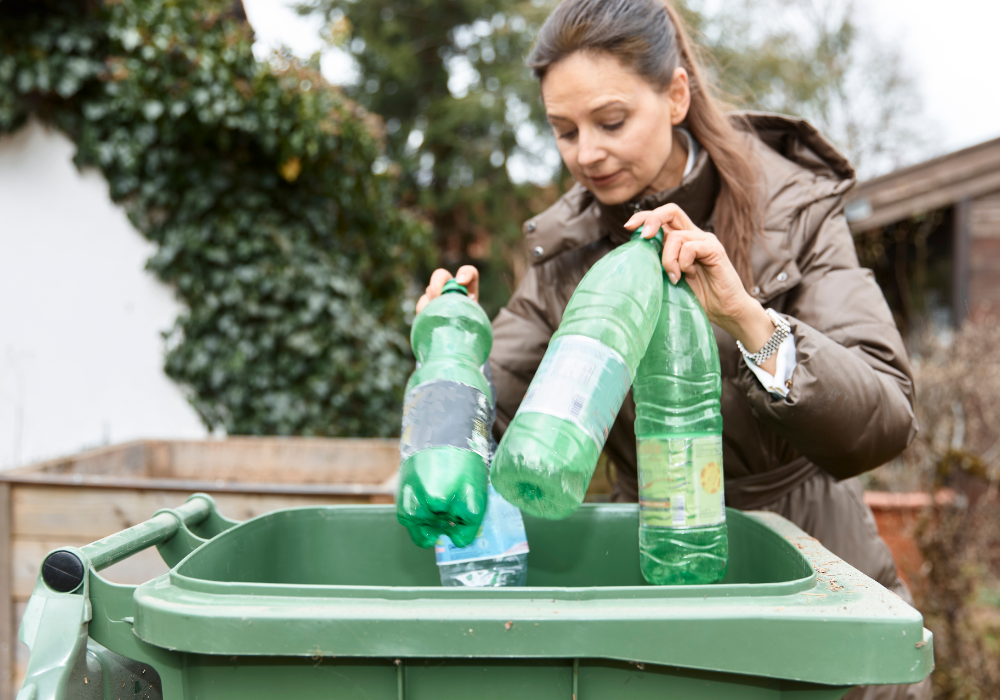
Recycling feels like a win. Reusing your bags feels like a win. Refusing plastic straws? Another win. And yes, every small step matters—but it’s not the whole picture. The truth is, many so-called “eco-friendly” habits quietly leave behind far more waste than most people realize. Just because you don’t see the trash piling up in your own bin doesn’t mean it isn’t building up somewhere else.
Manufacturing, packaging, transportation, and supply chains hide layers of waste that rarely cross your mind. The things you buy, even the ones labeled “green,” still involve resources getting burned, dumped, or shipped across oceans. Living sustainably isn’t as simple as swapping bags or sorting plastics. Behind the polished feel-good choices are habits that quietly contribute to the same waste problem everyone’s trying to solve.
1. Buying reusable water bottles over and over still fuels manufacturing waste.

Owning one sturdy reusable bottle is great. Owning a dozen trendy ones? Not so much. The market for reusable water bottles has exploded, turning sustainability into a fashion statement. But every new bottle requires mining, manufacturing, packaging, and global shipping—all of which generate emissions and industrial waste.
According to Katherine Liew for MIT’s “Stuff vs Stuff” analysis, a reusable bottle only breaks even in carbon emissions after roughly 10–20 uses, depending on its material—meaning buying trendy bottles you rarely use can be worse than just single-use plastic. Many people collect multiple bottles they rarely use, swapping them out like accessories.
Stainless steel, glass, and silicone options come with hefty production footprints compared to single-use plastic. Ironically, constantly buying new “eco” bottles creates a steady stream of upstream waste that’s easy to ignore because the product feels virtuous. True sustainability means using what you already own—not buying the newest limited-edition design every time a company rebrands eco-friendly hydration.
2. Decluttering and donating can quietly dump tons of waste overseas.

Donating clothes and household items feels responsible—you’re not throwing them away, after all. But the reality is, secondhand markets can’t absorb the sheer volume of stuff people donate. Many “donated” items are shipped overseas, flooding developing countries with mountains of unsellable clothes and broken goods.
Per Sarah Johnson for Guardian, Accra’s Kantamanto market in Ghana receives over 1,000 tonnes of secondhand clothing each week from the UK, yet only about 30 percent of the ~100 tonnes unloaded daily is properly managed—leaving the rest to clog wetlands, waterways, and informal dumpsites. Charities often receive far more than they can resell, especially low-quality fast fashion that falls apart after a few washes. The overflow ends up clogging landfills or being burned in countries with limited waste management infrastructure. What starts as a feel-good decluttering spree can quietly contribute to global waste streams that shift the problem out of sight, but not out of existence.
3. Eco-friendly packaging still generates mountains of upstream industrial waste.

That minimalist brown cardboard box or compostable-looking bag might feel sustainable at checkout, but packaging production still burns energy, consumes water, and produces industrial waste long before the product reaches your hands. Paper bags, bioplastics, and fancy recycled materials require complex processes that often carry heavy environmental costs.
As highlighted by writers for EcoEnclose’s life-cycle analysis, producing 1,000 paper bags requires about 3.4 times more energy than manufacturing the same quantity of plastic bags. While better than traditional plastic, these alternatives aren’t waste-free. Biodegradable doesn’t mean zero-impact—especially when most compostable materials end up in regular landfills where they break down much slower. The packaging industry has mastered making waste feel sustainable without fully eliminating it. Every product still arrives wrapped in layers of energy-intensive materials that quietly stack up, even when they seem eco-friendly on the surface.
4. Ordering “sustainable” products online piles up carbon emissions from shipping.

Online shopping makes it easy to find eco-friendly brands, but home delivery comes with its own waste trail. Every shipment involves warehouses, packaging, fuel, and last-mile delivery emissions. Ordering one bamboo toothbrush at a time may feel virtuous, but each package still travels a complex, fossil-fueled supply chain.
The convenience of online sustainability often disguises the carbon footprint behind every click. Frequent small orders create more cumulative waste than bulk local purchases would. Even brands that use carbon offsets don’t fully erase the resource burn baked into global shipping networks. Supporting ethical companies matters—but frequent online shopping still contributes quietly to global waste and emissions, even when it’s wrapped in recycled cardboard.
5. Plant-based plastics often turn into landfill waste just like regular plastic.
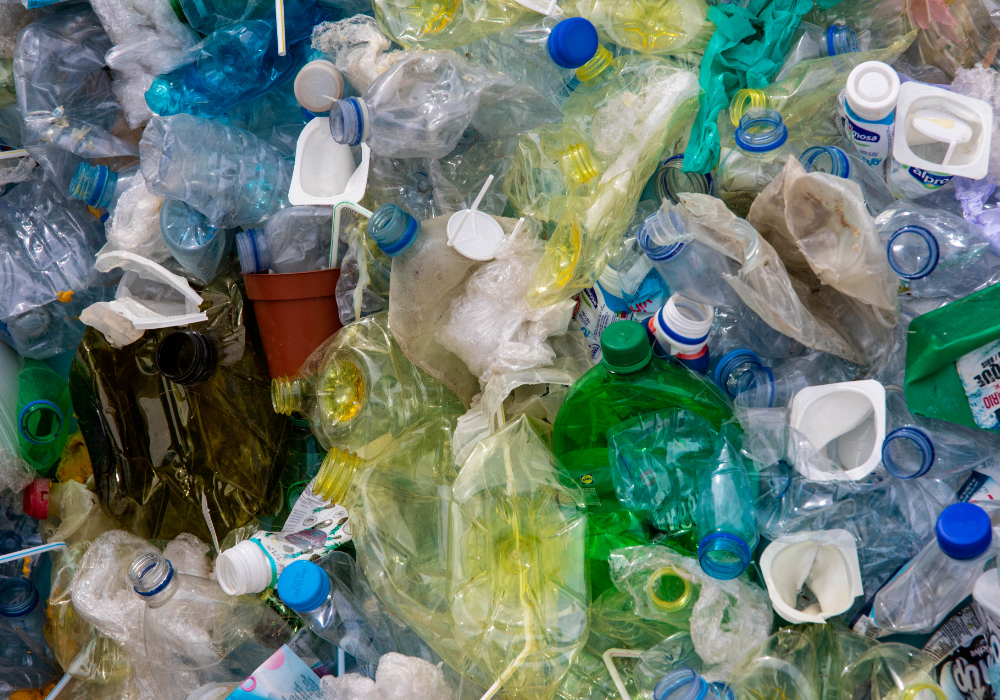
Bioplastics made from corn, sugarcane, or other renewable sources sound promising. They biodegrade under the right conditions, but most municipal waste systems aren’t equipped to compost them properly. In regular landfills, they behave much like traditional plastic, slowly breaking down into microplastics and releasing methane as they decompose.
Consumers often assume “plant-based” equals harmless, tossing these items into recycling bins where they contaminate plastic streams that aren’t designed to process them. The result? More waste, not less. The feel-good marketing behind bioplastics skips over the messy reality: unless managed carefully, many end up contributing to the same plastic pollution problems they’re supposed to solve.
6. Fast fashion’s “recycled” fabrics create more demand for virgin materials than they offset.

Many fast fashion brands now market lines made from “recycled” polyester or blended fabrics. While this sounds like progress, much of the recycled content comes from downcycling low-quality plastic that’s hard to reuse again after a single spin through production. These fabrics often blend virgin and recycled fibers, requiring new raw material inputs anyway.
The constant churn of cheaply made, trendy clothing means the overall volume of production keeps rising, regardless of recycled content. Most garments still end up in landfills or incinerators after a few wears. Recycling doesn’t fix the core problem of overproduction—it simply allows companies to keep selling more under the illusion of sustainability. The waste trail keeps growing behind the scenes, even when the label says “recycled.”
7. Electric gadgets designed for efficiency quietly create mountains of e-waste.

Smart thermostats, energy-efficient appliances, solar-powered gadgets—they sound like eco-friendly upgrades. But the constant push for newer, smarter tech generates mountains of e-waste as older models become obsolete. Electronics contain rare metals, toxic components, and plastics that are notoriously difficult to recycle.
Many well-intentioned upgrades end up in landfills or shipped overseas, where e-waste processing often involves unsafe labor practices and severe environmental contamination. The push for “energy-saving” devices sometimes accelerates consumption cycles rather than reducing them. True efficiency isn’t about always buying the latest green tech—it’s about making devices last, repairing them, and resisting the upgrade treadmill that quietly creates waves of hidden waste.
8. Zero-waste swaps still fuel consumerism when constantly buying new alternatives.

The zero-waste movement has sparked a booming market for reusable silicone bags, beeswax wraps, metal straws, and bamboo toothbrushes. While these items beat their single-use counterparts, constant purchasing of trendy replacements turns sustainability into another form of overconsumption.
Many people buy zero-waste products in bulk before using up what they already have, creating stockpiles of barely used “eco” tools. Manufacturing, packaging, and shipping these products still consume resources, even if they seem green on the surface. The most sustainable habit often isn’t buying a better version—it’s fully using what you already own. When every new swap becomes another Instagram-worthy purchase, zero waste can quietly fuel its own version of wastefulness.
9. Compostable products often end up in landfills where they don’t break down.

Compostable utensils, cups, and food containers are everywhere now, promising guilt-free disposability. But most compostable packaging only breaks down properly in industrial composting facilities, which many cities lack. Tossed into regular trash or home compost piles, these items often decompose slowly—or not at all.
In landfills, compostable products behave more like regular trash, releasing methane and contributing to greenhouse gas emissions. Without proper infrastructure, compostable materials often become a feel-good distraction rather than a real solution. They still require energy, water, and raw materials to produce, quietly generating waste that most people assume has magically vanished after disposal.
10. Food waste from “imperfect” produce still fuels massive agricultural waste behind the scenes.

Many people feel good about buying only the freshest, prettiest produce, but this consumer habit fuels mountains of food waste long before items reach grocery store shelves. Supermarkets reject tons of “imperfect” fruits and vegetables that don’t meet cosmetic standards, even though they’re perfectly edible.
Farms often discard misshapen crops that consumers won’t buy, wasting the land, water, fertilizers, and energy used to grow them. Even if you never throw food away at home, the invisible waste baked into rigid aesthetic standards creates a massive, ongoing problem across global agriculture. The real solution isn’t perfect grocery hauls—it’s rethinking what food “should” look like so less gets tossed before it even leaves the farm.